
Flowers
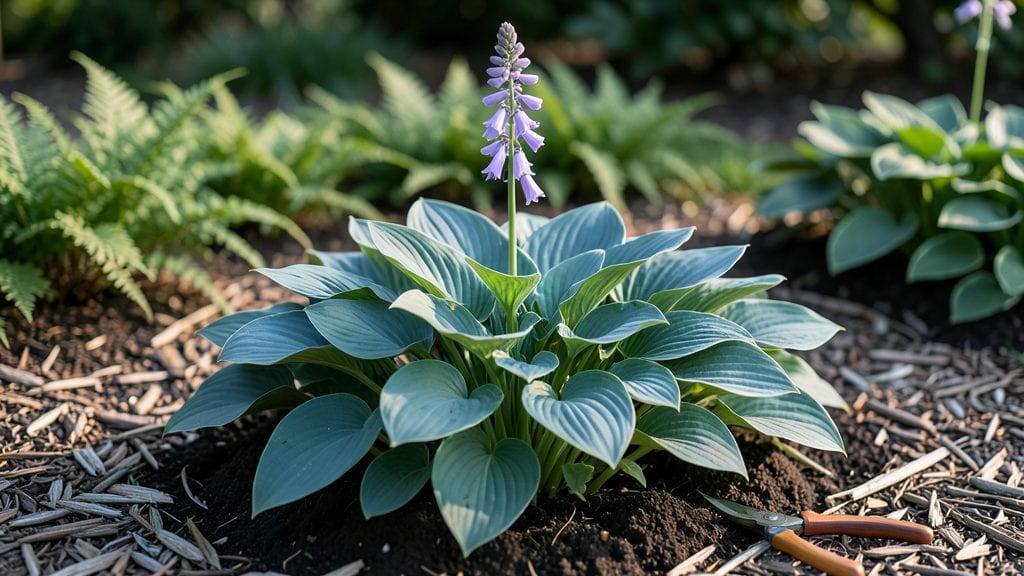
Creating a mostly shade flowers garden in the Pacific Northwest means trading sun for moisture-loving blooms that thrive where others wilt. I’ve designed a collection that brings color to your shady spots year-round—without the fuss of high-maintenance plants.
The secret lies in pairing perennials with bulbs and annuals that complement each other’s blooming cycles, ensuring your garden never goes dull.
This recipe works with three core layers: early spring bulbs like bleeding hearts and dwarf iris, midseason perennials such as heuchera and astilbe, and late-season annuals like impatiens or fuchsia. Together, they create a textured, ever-changing display that softens dark corners while demanding minimal care.
The key is grouping plants with similar water needs and light tolerance—most of these thrive in partial to full shade and consistently moist soil, which the Pacific Northwest delivers naturally.
By late spring, your garden will burst with delicate pastels and deep purples, transitioning into summer’s bold foliage contrasts and autumn’s subtle blooms. The foliage itself becomes part of the show—velvety leaves, silver variegation, and deep burgundy hues—so even when flowers fade, the garden stays striking.
This isn’t just a shade garden; it’s a low-light masterpiece that outperforms sun-starved alternatives.
Whether you’re working with a woodland border, a north-facing patio, or a dense evergreen understory, these plants adapt effortlessly. The only rule? Avoid soggy soil—amend heavy clay with compost to keep roots happy. Ready to transform your shady spots into a year-round sanctuary? Let’s get planting.
📚 In This Guide
- What you need
- Instructions
- Tips and common mistakes
- Wrapping up and next steps
What you need
- ● Shade-tolerant flower bulbs/seeds: 5–10 Hellebores (Lenten rose) – Hardiness Zones 4–9
- ● 3–5 Bleeding hearts (Dicentra spectabilis) – Partial shade
- ● 10+ Foamflower (Tiarella) – Ground cover, Zones 3–9
- ● 2–3 Astilbes (feather plumes) – Moisture-loving, Zones 3–8
- ● 1 Japanese anemone (Anemone × hybrida) – Late-season blooms, Zones 5–9
- ● Soil amendments: 2–3 bags compost (for nutrient-rich soil)
- ● 1 bag peat moss or coconut coir (for moisture retention)
- ● Mulch: 1–2 bags shredded bark or pine needles (to retain moisture and suppress weeds).
- ● Garden tools: 1 hand trowel (for delicate planting)
- ● 1 garden fork (for amending soil)
- ● 1 pruners (for trimming spent blooms)
- ○ Optional (but helpful): 1 soil pH tester (ideal range: 5.5–6.5 for most shade flowers)
- ● 1 drip irrigation kit (for consistent moisture in rainy climates)
- ● 1 garden kneeler (for comfort during planting)
- ● Prerequisites: A shady or partially shady spot (2–6 hours of sunlight max).
- ● Well-draining soil (amend if clay-heavy).
How to create a low-maintenance shade garden for year-round Pacific Northwest beauty
This shade-friendly approach delivers vibrant blooms with minimal effort—perfect for PNW's damp, cool climate.
Select the Right Shade-Tolerant Perennials
Focus on plants that thrive in partial to full shade and handle the Pacific Northwest's 60-70°F average temperatures. My go-to shade garden includes heuchera (coral bells), astilbe, hostas, ferns, and bleeding hearts—all of which tolerate 4-6 hours of dappled sunlight daily. These perennials return year after year, reducing replanting hassle.
For instant color, add impatiens or begonias as annuals—they bloom prolifically in shade but won't overwinter. Avoid sun-loving plants like lavender or sunflowers, as they’ll languish in low light. Instead, opt for shade-loving bulbs like snowdrops or bluebells for early-season interest.
Prepare the Soil for Moisture Retention
The Pacific Northwest’s high humidity and frequent rain mean your soil needs improved drainage while retaining moisture. Amend native soil with 3-4 inches of compost and 1-2 inches of perlite or coarse sand to prevent compaction. I mix these into the top 12 inches of soil to create a loose, airy texture that roots love.
Test your soil’s pH—most shade plants prefer slightly acidic to neutral (6.0-7.0). If your soil is heavy clay, consider raised beds or containers filled with well-draining potting mix for better control. Mulch heavily with 3-4 inches of shredded bark or wood chips to suppress weeds and keep roots cool.
Plant with Layered Height and Texture
Arrange plants in three tiers: tall ferns or astilbe (18-36 inches) at the back, mid-height heuchera or hostas (12-18 inches) in the middle, and low-growing ajuga or sweet woodruff (3-6 inches) at the front. This creates visual depth and prevents leggy growth from competing for light.
Space perennials 12-24 inches apart, depending on mature size—crowding leads to fungal issues in damp climates. For containers, use 5-7 gallon pots with drainage holes and plant one specimen per container to avoid root competition. Water deeply after planting to eliminate air pockets and encourage root spread.
Maintain with Minimal Effort
Water once weekly in summer, adjusting for rain—shade gardens stay moist longer than sunny ones. Fertilize lightly in early spring with a balanced, slow-release granular fertilizer (10-10-10) to avoid burning tender roots. Deadhead spent blooms on annuals like impatiens to encourage continuous flowering.
Prune late winter or early spring before new growth appears. Remove yellowed or damaged leaves to improve airflow and prevent disease. In fall, cut back annuals but leave perennials (like hostas) until spring—their foliage provides winter interest and protects roots from temperature swings.
Extend the Season with Strategic Additions
For spring color, plant crocuses or hyacinths in fall—they’ll naturalize and return reliably. In late summer, tuck in pansies or violas for cool-season blooms. These cool-season annuals thrive in shade and add pops of color when perennials wind down.
Protect tender plants from late frosts with frost cloth if needed—though most PNW shade perennials are hardy to Zone 5 or lower. Group plants with similar water needs together to simplify care, and rotate containers occasionally so they receive even light exposure.
Tips & tricks for perfect low-maintenance shade gardens
Creating a thriving shade garden in the Pacific Northwest doesn't have to be complicated—these practical strategies will help you maximize beauty with minimal effort.
Plant Placement Precision: When arranging your three-tiered garden in Step 3, consider the mature height of each plant at the time of planting. For example, place hostas (12-18 inches) slightly closer to the front than their final height might suggest—they'll fill out beautifully over time. This creates instant visual impact while allowing room for growth without overcrowding. The 12-24 inch spacing recommendation is ideal for preventing fungal issues in our damp climate.
Soil Science for PNW Gardens: In Step 2, the 3-4 inches of compost and 1-2 inches of perlite you're mixing into the top 12 inches of soil creates the perfect moisture-retentive yet well-draining environment. For heavy clay soils, consider adding an additional 1 inch of coarse sand to improve drainage further. This soil amendment strategy prevents the common issue of waterlogged roots that can occur in our region's frequent rainfall.
Seasonal Layering Strategy: To extend your garden's visual interest throughout all seasons, incorporate the spring bulbs mentioned in Step 5 alongside your perennials. Plant crocuses or bluebells in fall—they'll provide early spring color before your perennials leaf out. In late summer, add pansies or violas to bridge the gap between summer blooms and fall colors. This layered approach ensures your garden never looks bare.
Container Gardening Tips: For those using containers as mentioned in Step 3, choose pots that are 1-2 inches larger in diameter than the plant's root ball. This extra space allows for proper root spread without overcrowding. Remember to use pots with drainage holes and place them on saucers to catch excess water—especially important in our rainy climate. The 5-7 gallon pot recommendation is perfect for most shade perennials.
Pro Tips for Mostly Shade Flowers
- Creating a thriving shade garden in the Pacific Northwest doesn't have to be complicated—these practical strategies will help you maximize beauty with minimal effort.
- Plant Placement Precision: When arranging your three-tiered garden in Step 3, consider the mature height of each plant at the time of planting.
- Soil Science for PNW Gardens: In Step 2, the 3-4 inches of compost and 1-2 inches of perlite you're mixing into the top 12 inches of soil creates the perfect moisture-retentive yet well-draining environment.
Frequently asked questions
Got questions about growing mostly shade flowers in the Pacific Northwest? You’re not alone!
Here are some of the most common concerns—and straightforward answers—to help you keep your garden blooming beautifully, even in low-light spots.
Can mostly shade flowers survive the PNW’s wet winters?
Many shade-tolerant flowers—like heuchera, astilbe, and ferns—thrive in damp conditions. Just ensure your soil drains well (even in shade) by amending with compost or organic matter. Pro tip: Mulch heavily in winter to protect roots from soggy soil.
How do I know if my shade garden has enough shade?
Mostly shade flowers need 2–6 hours of direct sun daily. If your garden gets no direct sun, opt for deep shade lovers like bleeding heart (Dicentra) or Japanese painted fern (Athyrium). Use a light meter app or observe sunlight patterns for 24 hours to map your space.
Why aren’t my shade flowers blooming like they should?
Low light + poor soil = fewer blooms! Boost fertility with a balanced, slow-release fertilizer (like 10-10-10) in early spring. Deadhead spent blooms to encourage reblooming, and avoid overcrowding—root competition steals nutrients. Bonus: Some shade plants (like hostas) prioritize foliage over flowers; that’s normal!
Are there any low-maintenance mostly shade flowers for beginners?
Yes! Try these no-fuss stars:
- Hosta – Nearly indestructible, great foliage.
- Lungwort (Pulmonaria) – Blooms early, self-seeds.
- Coral bells (Heuchera) – Striking leaves, drought-tolerant.
- Sweet woodruff (Galium odoratum) – Fragrant ground cover.
Can I mix shade flowers with sun-loving plants in the same bed?
It’s tricky but doable! Group shade plants together and edge with tall sun-lovers (like cannas or daylilies) to block harsh light. Avoid competition by spacing plants 12–18 inches apart. For a transition zone, try partial shade tolerant picks like columbine or foxglove.
What’s the fastest way to fill a shady spot with color?
Layer fast-growing annuals (like impatiens or begonia) in front of perennial shrubs (e.g., hydrangea or rhododendron). For instant impact, add moss or shade-tolerant ground covers (e.g., ajuga or creeping Jenny). Pro move: Use container gardens to test combos before committing to the ground!
Wrapping up and next steps
Transforming your Pacific Northwest garden into a vibrant, low-maintenance paradise is easier than you think! With mostly shade flowers like hellebores, ferns, and astilbes, you’ve got a foolproof way to bring year-round color—even in the driest spots.
These hardy beauties thrive with minimal fuss, proving that shade gardens can be just as stunning (and stress-free) as their sun-drenched counterparts.
Ready to dive in? Start small—pick one or two of these easy-care plants, plant them in well-draining soil, and watch your garden bloom with confidence. 🌿✨ Your next step: Sketch a simple layout or grab a shovel—your future shade oasis is waiting!