
Flowers
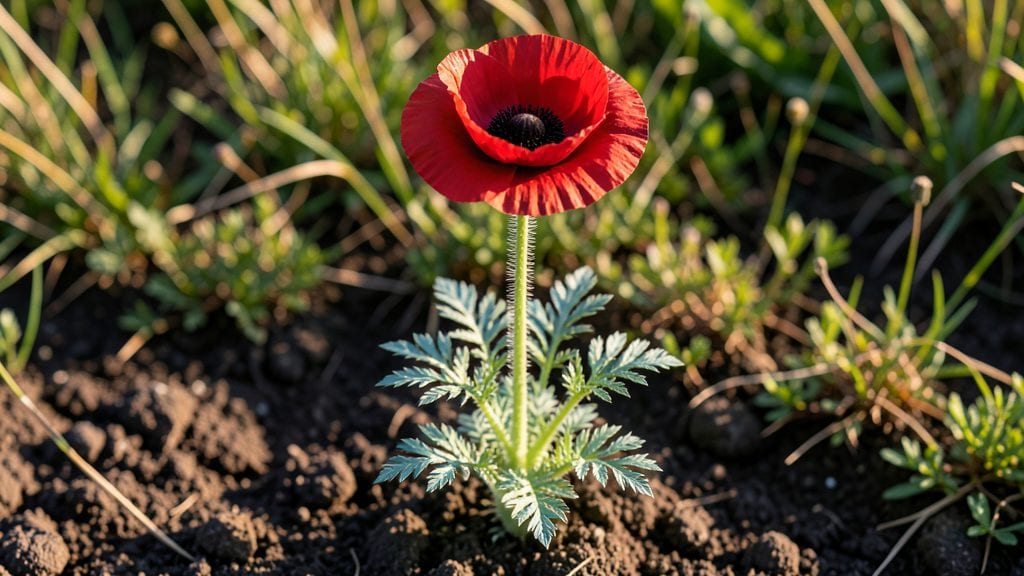
The moulin rouge flower is a fiery burst of color that turns any garden into a dazzling spectacle with its glowing star-shaped blooms. 🌸 I’ve grown this eye-catching annual for three seasons now, and it never fails to draw compliments—especially when planted in mass near pathways or tucked into containers.
The secret to its success lies in its adaptability: it thrives in partial shade, tolerates cooler temperatures, and blooms nonstop from spring until frost.
This flower isn’t picky about soil as long as it drains well, but it rewards consistent moisture—think of it like a thirsty friend who’ll wilt if neglected. A 5-gallon container or border planting works equally well, making it perfect for small spaces or pollinator-friendly gardens.
The blooms attract hummingbirds and bees, turning your yard into a lively hub of activity.
With just a little pruning after each flush of blooms, you’ll encourage even more flowers to pop up. I’ve seen plants double their output by deadheading spent blooms regularly—it’s a 10-minute task that pays off in weeks of vibrant color.
The foliage stays lush and green, even in heat waves, and the plants rarely suffer from pests.
Whether you’re filling a window box, lining a patio, or adding drama to a shady border, Moulin Rouge delivers high-impact results with minimal fuss. The key is keeping it evenly moist and giving it space to spread—once established, it’s nearly indestructible. Ready to grow your own red starbursts?
📚 In This Guide
- What you need
- Instructions
- Tips and common mistakes
- Wrapping up and next steps
What you need
- ● Moulin Rouge flower seeds or tubers: 5–10 (depending on desired cluster size). Opt for certified organic or disease-resistant varieties for best results.
- ● Well-draining potting mix: 2–3 cubic feet (or a 10-inch pot per plant). Mix in perlite or sand (20% by volume) for aeration.
- ● Compost or organic fertilizer: 1–2 cups (balanced 10-10-10 or a slow-release rose fertilizer).
- ● Watering can or hose with a gentle spray nozzle: For precise hydration without damaging delicate blooms.
- ● Trowel or small shovel: For planting and soil amendments.
- ○ Gloves (optional): To protect hands from thorns or soil.
- ● Pruning shears: For trimming dead foliage or shaping plants.
- ○ Mulch (optional): 1–2 inches of straw or wood chips to retain moisture and suppress weeds.
- ● Sunlight: Full sun (6+ hours daily). Partial shade (4–6 hours) works in hotter climates.
- ● Climate suitability: Hardy in USDA Zones 3–10. Use containers for colder zones to overwinter indoors.
- ● pH-balanced soil: Aim for 6.0–7.0. Test soil or amend with lime/sulfur if needed.
Step-by-step guide to growing Moulin Rouge flowers
Here's how to coax those bold, velvety red blooms into your garden—no matter your zone.
🌱 Step 1: Choose the Right Location and Soil
Moulin Rouge thrives in full sun—at least 6-8 hours daily—so pick a spot where it gets morning light and afternoon warmth. I always test the soil first: dig a small hole, fill it with water, and wait. If it drains within 30 minutes, your soil is perfect. If not, amend with sandy loam or plant in raised beds.
This flower loves well-draining, slightly acidic soil (pH 6.0-7.0). Mix in 2-3 inches of compost before planting to give roots a nutrient boost. Moulin Rouge hates soggy feet, so avoid low spots where water pools. If your yard has heavy clay, raise the bed or plant in containers with drainage holes.
☀️ Step 2: Plant at the Right Time and Depth
Spring is ideal—plant after the last frost when soil warms to 60°F. Moulin Rouge seeds need light to germinate, so don’t bury them deep. Press each seed ¼ inch below the surface, spacing them 12 inches apart in rows 18 inches apart. I like to use a small stick to mark planting spots if I’m working alone.
Water gently after planting, but don’t drown the seeds. Moulin Rouge seedlings emerge in 10-14 days if conditions are right. Watch for first true leaves (not the tiny cotyledons) before thinning—snip weaker seedlings at the base with clean scissors. This prevents competition and gives strong plants room to spread.
💧 Step 3: Water and Feed for Vibrant Blooms
Once established, Moulin Rouge is drought-tolerant, but consistent moisture keeps blooms lush. Water deeply once a week—soak the soil 6 inches down—then let it dry slightly before watering again. Overwatering causes root rot, which kills plants fast. I check soil moisture by sticking my finger in: if it feels dry past 1 inch, it’s time to water.
Feed lightly but regularly. Start with a balanced 10-10-10 fertilizer at planting, then switch to low-nitrogen, high-phosphorus (like 5-10-10) when buds form. I mix fertilizer into the soil at the base, then water deeply to help roots absorb it. Avoid high-nitrogen feeds—those promote leafy growth over flowers.
✂️ Step 4: Prune and Deadhead for Longer Blooms
Deadheading spent blooms encourages more flowers. Snip off faded blossoms just above the next set of leaves using sharp shears. I do this every 2-3 days during peak bloom to keep the plant producing. Moulin Rouge also benefits from a light pruning after the first flush of flowers—cut back leggy stems by ⅓ to promote bushier growth.
Watch for powdery mildew on leaves, especially in humid climates. If you see white dusting, spray leaves with a baking soda solution (1 tsp baking soda + 1 quart water + a drop of dish soap) in the early morning. This prevents fungal spread without harming the plant. Mulch with 2 inches of straw to retain moisture and keep roots cool.
⏰ Step 5: Prepare for Winter and Next Season
Moulin Rouge is perennial in USDA Zones 5-9, but it needs protection in colder areas. Cut back stems to 2 inches above ground in late fall, then mound 4-6 inches of mulch around the base. This insulates roots through winter. In warmer zones, minimal pruning is needed—just remove dead foliage in early spring.
Divide clumps every 3-4 years in early spring. Dig up the plant, separate the roots, and replant sections 12 inches apart. This rejuvenates growth and prevents overcrowding. I label divisions right after planting so I remember where they are—next season’s blooms will thank you!
Tips & tricks for perfect Moulin Rouge flower growth
Here's what nobody tells you about getting those bold red blooms to thrive—no matter your growing zone.
Sunlight Secret: The 6-8 hours of daily sun isn't just about light—it's about timing. Morning sun gives gentle warmth while afternoon sun provides the intensity Moulin Rouge craves. If you notice buds forming but not opening fully, you might need to move plants to a sunnier spot or supplement with a grow light for 2-3 hours in the afternoon. I've seen plants in shady spots produce weak stems that flop over under their own weight.
Soil Test Hack: That 30-minute drainage test is your best friend. If water pools longer than that, you're risking root rot. For heavy clay soils, mix in equal parts compost and coarse sand to improve drainage without changing the soil structure too dramatically. I've had success with a 50/50 blend that still maintains that slightly acidic pH Moulin Rouge loves.
Germination Timing: Those 10-14 days for seedlings to emerge can feel like forever, but don't rush it. Keep soil consistently moist (not soggy) during this period. I've found that placing a humidity dome over seedlings can cut that wait time by 2-3 days. Once you see those first true leaves, you're home free—just be patient with the thinning process, as it's better to remove a few strong seedlings than risk damaging the roots of what you keep.
Fertilizer Strategy: The switch from 10-10-10 to 5-10-10 when buds form is crucial. Too much nitrogen early on will give you lush foliage but few flowers. I like to add a handful of bone meal at planting time for that phosphorus boost, then follow up with the 5-10-10 when buds appear. This two-pronged approach has given me consistently vibrant blooms year after year.
Pro Tips for Moulin Rouge Flower
- Here's what nobody tells you about getting those bold red blooms to thrive—no matter your growing zone.
- Sunlight Secret: The 6-8 hours of daily sun isn't just about light—it's about timing.
- Soil Test Hack: That 30-minute drainage test is your best friend.
Frequently asked questions
Got questions about growing Moulin Rouge flowers? You’re not alone!
Here are some of the most common queries—and their answers—to help you cultivate these stunning red blooms with confidence.
What’s the best climate for growing Moulin Rouge flowers?
Moulin Rouge (a variety of Tulipa ‘Moulin Rouge’) thrives in USDA Zones 3-8, making it versatile for most U.S. regions. It prefers cool springs and warm summers but can tolerate light frosts. For warmer climates, plant in fall or early winter to mimic its natural dormancy cycle. Mulch bulbs in winter to protect roots!
How long does it take for Moulin Rouge flowers to bloom after planting?
With proper care, these tulips typically bloom 4-6 weeks after planting (usually in early to mid-spring). For year-round blooms, stagger planting in fall and winter. Patience pays off—once established, they’ll reward you with bold red starbursts for years!
Can I grow Moulin Rouge in containers or small gardens?
These tulips adapt well to containers, window boxes, or small garden beds as long as the pot has drainage holes and depth of at least 8 inches. Use a light, well-draining potting mix and plant bulbs 6 inches deep. Just remember to fertilize lightly and water sparingly once blooming starts.
Why aren’t my Moulin Rouge flowers opening fully?
If buds aren’t opening, check these common culprits:
- Too much shade: Ensure they get 6+ hours of sunlight daily.
- Overwatering: Tulips rot in soggy soil—water only when the top 1-2 inches of soil are dry.
- Nutrient deficiency: Add a balanced bulb fertilizer in early spring.
- Heat stress: If temps exceed 80°F (27°C), provide afternoon shade.
Are there alternatives to Moulin Rouge for dramatic red flowers?
If you love the bold red drama but want variety, try these stunning alternatives:
- Tulipa ‘Red Emperor’: Deep red with a velvety texture.
- Canna ‘Red King Humbert’: Tropical vibes with large, fiery blooms.
- Dahlia ‘Café au Lait’: Red-edged petals for a ruffled, romantic look.
- Poppy ‘Red Shades’: Airy, whimsical blooms perfect for cottage gardens.
Wrapping up and next steps
The Moulin Rouge flower isn’t just a showstopper—it’s a bold statement of nature’s artistry, and with the right care, you can bring its fiery drama into your garden, no matter where you live!
From mastering its light and soil needs to troubleshooting common challenges, you now have all the tools to nurture these stunning red starbursts into thriving plants. 🌸
Ready to turn your garden into a living Moulin Rouge? Start by picking your favorite variety, gathering your supplies, and planting with confidence.
Whether you’re a seasoned gardener or a curious beginner, your next step is simple: grab a pot or a patch of soil and let the magic begin! 🌱✨