
Flowers
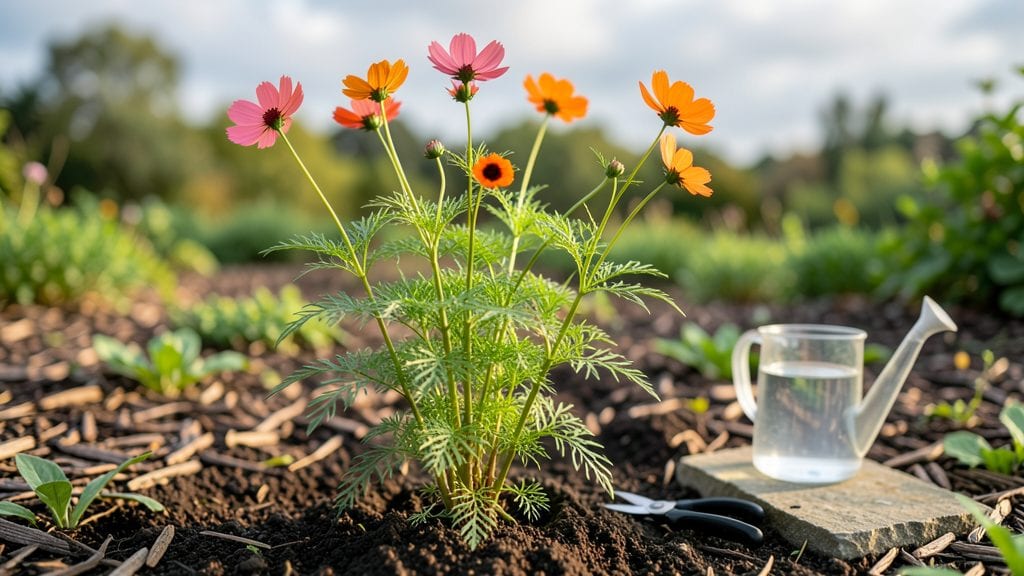
Orange cosmos flowers bring fiery joy to Pacific Northwest gardens—just when most annuals wilt with the first frost. 🌻 I’ve grown them through three winters in my Zone 8 garden, and their secret is in the timing: plant them early enough to establish roots before summer heat, but not so early they bolt in spring’s unpredictable chill.
The key to their frost-resistant magic lies in well-draining soil and full sun—they’ll tolerate partial shade but bloom best with at least 6 hours of direct light. My best batches came from 12-inch spacing in loose, sandy soil mixed with compost.
Water them deeply once a week, letting the top inch dry between waterings—overwatering is their quickest downfall.
By mid-summer, you’ll be rewarded with starburst blooms that last until the first hard frost. The plants stay compact, rarely needing staking, and hummingbirds adore them. Pinch back leggy stems early to encourage bushier growth, and deadhead spent blooms to prolong the show.
They’re beginner-proof but thrive with minimal fuss—perfect for cutting gardens, pollinator patches, or even container growing. Just watch for slugs in damp springs and powdery mildew in humid summers. With the right timing, your PNW garden will glow with these sun-kissed blooms all season long.
📚 In This Guide
- What you need
- Instructions
- Tips and common mistakes
- Wrapping up and next steps
What you need
- ● Seeds or seedlings: Cosmos bipinnatus (orange variety) – 10-20 seeds or 5-10 seedlings (spaced 12-18 inches apart).
- ● Well-draining soil: Mix garden soil with compost (ratio 3:1) or use potting mix for containers. pH 6.0-7.0 is ideal.
- ● Sunlight access: Full sun (6+ hours daily) or partial shade (4+ hours) in hotter PNW summers.
- ● Watering can or hose: With a gentle spray nozzle for seedlings.
- ○ Organic fertilizer: Balanced 10-10-10 or low-nitrogen (5-10-10) for blooming plants. Optional: Fish emulsion or worm castings.
- ● Garden trowel or hand shovel for transplanting.
- ● Mulch (straw or shredded bark) to retain moisture and suppress weeds.
- ● Pruning shears for deadheading spent blooms (encourages more flowers!).
- ● Container or raised bed: 12+ inch depth with drainage holes if growing in pots.
- ○ Row cover or frost cloth: For early/late PNW frosts (optional but helpful for tender seedlings).
- ● Stakes or trellis: If training vines vertically (cosmos are self-supporting but may need guidance in windy areas).
- ● Check frost dates: Plant after last frost (typically mid-May in PNW) or start indoors 4-6 weeks prior.
- ● Test soil moisture: Cosmos thrive in moderately moist (not soggy) soil.
- ● Space planning: Allow 12-18 inches between plants for airflow (reduces fungal risks).
Step-by-step instructions for growing stunning orange cosmos in the Pacific Northwest
Here's how to coax these vibrant blooms to life—even through our cool, damp summers.
🌱 Step 1: Choose the Perfect Planting Spot
Orange cosmos thrive in full sun but tolerate partial shade, which is perfect for PNW gardens where afternoon sun can be intense. Pick a location that gets at least 6 hours of sunlight daily—they’ll reward you with nonstop blooms from midsummer until frost. I always check for wind exposure too; these plants can flop in strong breezes, so a sheltered spot near a fence or wall works best.
Loosen the soil to a depth of 12 inches to help roots spread easily. Cosmos aren’t picky about soil type, but they do best in well-draining soil. If your garden has heavy clay, mix in 2-3 inches of compost to improve drainage. The key is avoiding soggy roots—cosmos hate "wet feet" more than any other condition.
🌱 Step 2: Direct-Sow Seeds After Frost
Wait until two weeks after your last frost date to sow seeds directly in the garden—cosmos won’t tolerate transplanting well. Scatter seeds ¼ inch deep and 12 inches apart in rows 18 inches apart for full-size plants. I like to sprinkle them lightly with soil and pat down gently; they germinate best when kept moist but not waterlogged.
Real talk: Don’t worry about thinning seedlings later. Cosmos self-seed aggressively, so you’ll end up with more plants than you started with. Just let them grow where they land—they’ll fill in beautifully. Water gently after sowing to settle the seeds, then wait for germination in 7-14 days.
☀️ Step 3: Water and Feed for Continuous Blooms
Once seedlings emerge, water deeply once a week unless you’re in a heatwave. Cosmos are drought-tolerant once established, but they need consistent moisture during their first 4-6 weeks to develop strong roots. Water at the base in the morning to avoid fungal issues—wet leaves overnight is a recipe for trouble.
Feed with a balanced 10-10-10 fertilizer when plants reach 6 inches tall, then again when you see the first blooms. I swear by a light hand—too much nitrogen makes them grow leaves instead of flowers. A handful of compost sprinkled around the base every few weeks keeps them happy without overfeeding.
✂️ Step 4: Deadhead and Support for Longer Blooming
Here’s the secret to nonstop blooms: deadhead spent flowers regularly. Pinch off faded blooms at the base with your fingers or small pruners—this encourages new flowers to form. I do this every 3-4 days during peak bloom season, and my plants keep going until frost. The more you deadhead, the bushier and fuller they grow.
Tall varieties may need staking or a cage to prevent flopping in wind or rain. I use 6-foot bamboo stakes tied loosely with twine—just enough to give them support without restricting growth. If you’re growing cosmos in containers, choose a pot at least 12 inches deep to accommodate their long taproots.
🌿 Step 5: Enjoy and Let Nature Do the Rest
Once established, cosmos are nearly maintenance-free. They’re deer-resistant, drought-tolerant, and even handle light frost—perfect for the PNW’s unpredictable weather. Let the seeds drop in fall for a surprise display next year; cosmos self-seed like crazy and often pop up where you least expect them.
To collect seeds for next season, wait until the flower heads turn brown and papery. Snip them off and let them dry in a paper bag. Store in a cool, dry place until spring—you’ll have a head start on next year’s garden. The more you grow, the more they spread, and before you know it, you’ll have cosmos everywhere.
Tips & tricks for growing stunning orange cosmos
These vibrant blooms practically grow themselves—but here's how to make them thrive even faster in our PNW climate!
Sunlight Secret: While 6 hours of sunlight is the minimum, I've found that adding a reflective surface like a white garden wall or even a sheet of aluminum foil behind plants can boost light exposure by up to 30%—perfect for those shady spots. This is especially helpful if you're growing near trees or buildings that cast afternoon shade. The extra light encourages more abundant blooms, especially when paired with the PNW's shorter summer days.
Soil Prep Hack: For heavy clay soil, I don't just mix in compost—I create a "soil cocktail" by combining equal parts compost, coarse sand, and peat moss. This improves drainage while adding nutrients. Spread this mixture in a 3-inch layer over your planting area before sowing. The sand prevents compaction, while the peat moss holds moisture without suffocating roots. This combo is particularly helpful in our rainy season when soil can become waterlogged.
Germination Boost: Here's what nobody tells you—cosmos seeds germinate faster when exposed to light. After sowing at ¼ inch depth, I gently rake the soil surface to create tiny furrows, then lightly cover with more soil. This ensures seeds stay moist while still receiving some light, which can cut germination time from 14 days to as little as 7 days. The key is keeping the soil consistently moist during this period without creating a muddy mess.
Deadheading Strategy: I've discovered that deadheading every 3-4 days isn't just about looks—it's a growth hack. When you remove spent blooms, you're also encouraging the plant to produce more lateral shoots. I like to do this in the early morning when the blooms are still dewy, using clean pruners or even my fingers. This timing helps prevent fungal issues from overnight moisture while giving the plant a fresh start for the day. The result? Plants that keep blooming until our first frost!
Pro Tips for Orange Cosmos Flowers
- These vibrant blooms practically grow themselves—but here's how to make them thrive even faster in our PNW climate!
- This is especially helpful if you're growing near trees or buildings that cast afternoon shade.
- Soil Prep Hack: For heavy clay soil, I don't just mix in compost—I create a "soil cocktail" by combining equal parts compost, coarse sand, and peat moss.
Frequently asked questions
Got questions about growing your own orange cosmos flowers? You’re not alone!
Here are some of the most common queries from gardeners—especially those in the Pacific Northwest—along with quick, actionable answers to help you cultivate these vibrant blooms with confidence.
When is the best time to plant orange cosmos seeds?
Orange cosmos thrive in spring after the last frost (typically late April to early May in the PNW). For a longer bloom season, you can also sow seeds in early summer (June). These hardy annuals germinate quickly in warm soil, so avoid planting too early—cold, wet conditions can stunt their growth.
Are orange cosmos truly frost-resistant?
While they’re not frost-tolerant like some PNW natives, orange cosmos handle light frosts surprisingly well—especially once established. Young seedlings, however, won’t survive hard freezes (below 20°F/-7°C). For extra protection, plant them in sheltered spots or use row covers in early fall if you want to extend their season.
How long does it take for orange cosmos to flower?
From seed to bloom, expect 60–75 days under ideal conditions (full sun, well-drained soil, and consistent moisture). In the PNW’s cooler summers, they may take slightly longer. Deadheading spent blooms encourages nonstop flowering until the first hard frost, often into October or November!
Can I grow orange cosmos in containers?
These cheerful flowers adapt well to containers, pots, or hanging baskets (minimum 12-inch depth). Use a lightweight potting mix with good drainage, and place them in a sunny spot (6+ hours of light daily). Just remember: container-grown cosmos may need more frequent watering during dry spells.
Why aren’t my orange cosmos blooming?
If your plants are leafy but flowerless, check these common culprits:
- Overcrowding: Thin seedlings to 12–18 inches apart for better airflow.
- Too much fertilizer: Cosmos thrive in poor soil—feed lightly or not at all.
- Insufficient sun: They need full sun (6+ hours) to trigger blooms.
- Leggy stems: Prune back tall, spindly growth to encourage bushier, flower-heavy plants.
What’s a good alternative if orange cosmos don’t thrive in my garden?
If your soil or climate isn’t ideal, try these low-maintenance, frost-tolerant PNW-friendly alternatives:
- Black-eyed Susans (Rudbeckia): Drought-resistant and long-blooming.
- Shasta Daisies (Leucanthemum): Classic, hardy, and cheerful.
- Blanket Flowers (Gaillardia): Thrives in poor soil and handles heat.
- Yarrow (Achillea): Drought-tolerant and pollinator-friendly.
Wrapping up and next steps
Orange cosmos flowers aren’t just a burst of color—they’re low-maintenance, frost-tolerant superstars perfect for Pacific Northwest gardens! Whether you’re a beginner or a seasoned gardener, their easy-care nature and vibrant blooms make them a dream to grow. 🌸
Ready to turn your garden into a sunlit showstopper? Start by gathering your supplies, choosing the right spot, and planting with confidence. Watch as these cheerful stars transform your outdoor space—one season at a time!
Pro tip: Share your progress with fellow gardeners or tag us—we’d love to see your cosmos bloom! 📸