Planting
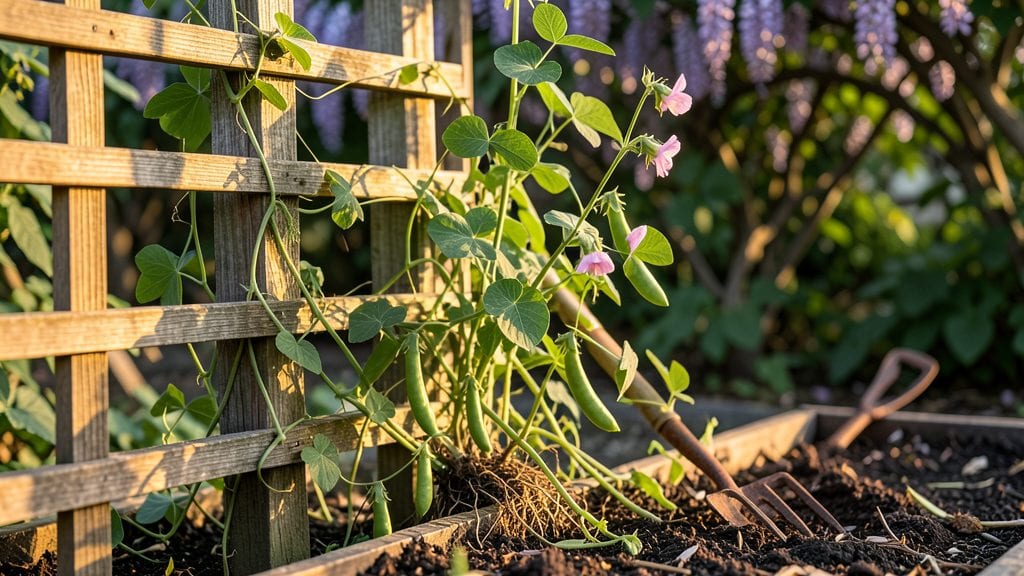
Growing pea flower plants in the Pacific Northwest means you get fragrant blooms and crisp pods before most annuals even think about waking up. 🌱 These cold-hardy annuals thrive when sown directly in late winter or early spring, beating the heat and drought that often strike later in the season.
My first attempt with sugar snap peas proved it—planted in February, they were already flowering by April, while neighbors' summer crops were still struggling to germinate.
The secret to their success lies in cool soil and consistent moisture—no fancy equipment needed. You’ll want well-draining soil rich in compost, a sunny spot (at least 6 hours of light daily), and a trellis or stakes to keep vines climbing.
Varieties like 'Sugar Ann' or 'Oregon Sugar Pod' are perfect for this climate, offering both edible pods and delicate flowers that hummingbirds adore. The payoff? Fresh peas straight from your garden by late spring, when store-bought options are still months away.
Once established, pea plants are low-maintenance—just keep the soil evenly moist and watch them thrive. Pinch back early flowers to encourage bushier growth, and harvest pods regularly to prolong production. By midsummer, you’ll have a self-sustaining harvest that feeds both you and the pollinators.
The best part? These plants handle Pacific Northwest’s unpredictable weather better than most annuals, making them a foolproof choice for beginners and veterans alike.
Whether you’re growing for food, flowers, or both, peas fit seamlessly into any garden. Try interplanting them with carrots or lettuce to maximize space, and save seeds from your healthiest plants for next year. The more you grow, the more reliable—and delicious—they become. Ready to get started?
📚 In This Guide
- What you need
- Instructions
- Tips and common mistakes
- Wrapping up and next steps
What you need
- ● Pea flower seeds: Choose cold-hardy varieties like 'Cupani' or 'Sweet Pea' (10–20 seeds per plant; 3–5 plants per trellis for optimal blooms).
- ● Well-draining potting mix: 1–2 gallons per seedling (for starts) or a bagged seed-starting mix for direct sowing.
- ● Trellis or support structure: 5–6 ft tall bamboo stakes, wire cages, or A-frame trellises (1 per 3–5 plants).
- ○ Organic compost: 1–2 cups per planting hole to enrich soil (optional but recommended for nutrient-boosting).
- ● Slow-release fertilizer: Balanced 10-10-10 or organic options (1 tbsp per plant at planting time).
- ● Hand trowel or small shovel
- ● Gloves (gardening or work gloves)
- ● Watering can or hose with a gentle spray nozzle
- ● Pruning shears (for deadheading or shaping vines)
- ● Measuring tape (to space plants 12–18" apart)
- ● Mulch (straw or shredded bark) to retain moisture and suppress weeds
- ● Plant markers (to label varieties if testing multiple types)
- ● Pea flower food (liquid fertilizer for blooming plants, every 4–6 weeks)
- ● Shade cloth (30–50%) for seedlings if direct sun is intense
Step-by-Step guide for planting cold-hardy pea flowers
These delicate blooms thrive in Pacific Northwest’s chill—here’s how to grow them with confidence.
🌱 Step 1: Choose and Prepare the Planting Site
Peas love cool, well-drained soil with a pH between 6.0 and 7.5. In the Pacific Northwest’s wet climate, pick a spot with morning sun and afternoon shade—this prevents overheating while ensuring enough light for flowering. I always test soil drainage by digging a 6-inch hole, filling it with water, and checking if it drains within 30 minutes. Slow drainage leads to root rot, especially in our region’s damp winters.
If your soil is heavy clay, mix in 2-3 inches of compost from the 2 cubic feet you’ve set aside. Peas are nitrogen-fixers, so they don’t need heavy fertilization, but a light top-dressing of compost improves early growth. Avoid fresh manure—it can burn tender roots. Here’s the thing: cool-season peas hate competition. Clear weeds and loosen the top 4 inches of soil with a garden fork before planting.
🌱 Step 2: Plant Seeds at the Right Depth and Spacing
Sow seeds ½ inch deep and 2 inches apart in rows spaced 18 inches apart. I use a seed tape for precision—it saves time and ensures even spacing, which prevents crowding and disease. Plant in early spring (March) or late summer (August) for fall blooms. If you’re sowing directly, I tap the seed packet gently to release one seed at a time—planting too many in one hole leads to weak, crowded seedlings.
For trellising varieties, install 5-foot tall stakes or a wire trellis at the same time. Peas climb naturally, but without support, they sprawl and risk disease from touching damp soil. Water gently after planting to settle the soil around seeds. Keep the surface moist but not soggy—damping-off (a fungal disease) is the #1 killer of young pea seedlings in our climate.
☀️ Step 3: Manage Water and Light for Consistent Blooms
Peas need 1-1.5 inches of water weekly, but they’re drought-tolerant once established. I water deeply twice a week in dry spells, focusing on the base of plants to avoid wetting foliage (which spreads disease). Mulch with 2 inches of straw to retain moisture and suppress weeds—this is especially critical in the Pacific Northwest’s rainy seasons.
While peas tolerate partial shade, full sun (6+ hours daily) produces the most vibrant blooms. If your garden has limited sun, prioritize morning light—afternoon shade helps prevent wilting in hot summer afternoons. You’ll see first flowers in 6-8 weeks if conditions are right. Real talk: over-fertilizing with nitrogen delays flowering. Skip high-nitrogen feeds—peas fix their own nitrogen from the air.
✂️ Step 4: Prune and Support for Long-Lasting Flowers
Deadhead spent blooms regularly to encourage continuous flowering. Pinch back leggy stems to promote bushier growth—this is where it gets fun. Watch for yellowing leaves, which often signal powdery mildew in humid conditions. Improve airflow by spacing plants properly and watering at the base.
For trellised varieties, gently tie vines to supports with soft plant ties every 10-12 inches as they grow. Peas are delicate—rough handling snaps stems. Harvest flowers in the early morning when dew is present for the longest vase life. If you’re growing for seed, leave some pods to mature fully on the plant.
Tips & tricks for perfect pea flower plant growth
Common pitfalls—and how to sidestep every one—when cultivating these hardy Pacific Northwest blooms.
Soil Drainage Test: The 30-minute drainage test in Step 1 is non-negotiable for our region's damp climate. If water pools after 30 minutes, amend your soil with 2-3 inches of coarse sand or perlite mixed into the top 6 inches. Pea roots need oxygen—waterlogged soil leads to root rot and stunted growth. I've seen this happen twice in my own garden when I rushed the test.
Seed Spacing Secret: Those 2-inch apart measurements in Step 2 might seem tight, but they're perfect for preventing fungal diseases. Overcrowding creates humidity pockets where damping-off thrives. For extra insurance, sprinkle diatomaceous earth lightly around seedlings after planting—it's a natural fungicide that won't harm your peas.
Morning Sun Strategy: When Step 3 mentions prioritizing morning sun, here's why it matters: Pacific Northwest afternoons often bring marine layer clouds that block sunlight. Position your trellis on the east side of your garden if possible. This gives you 6+ hours of morning light while avoiding the afternoon heat that can stress the plants.
Watering Wisdom: The 1-1.5 inches weekly guideline accounts for our region's unpredictable rain. Use a rain gauge to track accumulation—if you get 1 inch of rain, you can skip a watering. But remember, container-grown peas dry out faster than in-ground plants. Check soil moisture by sticking your finger 1 inch deep—if it's dry, water deeply at the base.
Pro Tips for Pea Flower Plant
- Common pitfalls—and how to sidestep every one—when cultivating these hardy Pacific Northwest blooms.
- Soil Drainage Test: The 30-minute drainage test in Step 1 is non-negotiable for our region's damp climate.
- Seed Spacing Secret: Those 2-inch apart measurements in Step 2 might seem tight, but they're perfect for preventing fungal diseases.
Frequently asked questions
When is the best time to plant pea flowers in the PNW?
Plant pea flowers in early spring (March–April) or late summer (August–September) for two harvests. They thrive in cool weather—ideal for the PNW’s mild climate. Avoid planting in extreme heat or frost, as young seedlings are sensitive. Pro tip: Soak seeds overnight to speed up germination!
How cold can pea flowers tolerate?
Pea flowers are cold-hardy and can survive light frosts (down to 20°F) once established. However, young seedlings may struggle below 40°F. Use row covers in early spring or late fall for extra protection. They’re perfect for PNW’s unpredictable weather!
Can I grow pea flowers in containers or small spaces?
Pea flowers thrive in containers, trellises, or small gardens. Choose compact varieties like ‘Sugar Snap’ or ‘Oregon Sugar Pod’ for vertical growth. Ensure pots have drainage and support (like a trellis) for climbing. Pro tip: Mix in compost for nutrient-rich soil!
Why aren’t my pea flowers blooming?
Pea flowers may skip blooming due to overcrowding, poor soil, or lack of sunlight. Ensure they get 6+ hours of sun and well-draining soil. Thin seedlings to 2–3 inches apart and fertilize lightly with compost. If temps rise above 80°F, blooms may drop—opt for shade in summer.
What are some low-maintenance alternatives to pea flowers?
If pea flowers seem high-maintenance, try these PNW-friendly alternatives:
- Sweet peas – Similar care, fragrant blooms.
- Lupines – Drought-tolerant, nitrogen-fixing.
- Sweet William – Hardy, long-lasting flowers.
- Calendula – Edible, pest-repelling, and easy.
Wrapping up and next steps
Growing pea flower plants in the Pacific Northwest is a rewarding way to add vibrant color and pollinator-friendly blooms to your garden—even in cooler climates! 🌸 These cold-hardy annuals thrive with minimal fuss, offering a burst of charm from early spring to summer.
Whether you're a seasoned gardener or just starting out, their resilience and beauty make them a perfect choice for your outdoor space.
Ready to plant your own pea flower patch? Start by gathering your supplies, picking the right variety, and giving them the love they need—soon, you’ll be enjoying a stunning, low-maintenance display. Happy gardening! 🌱