Flowers
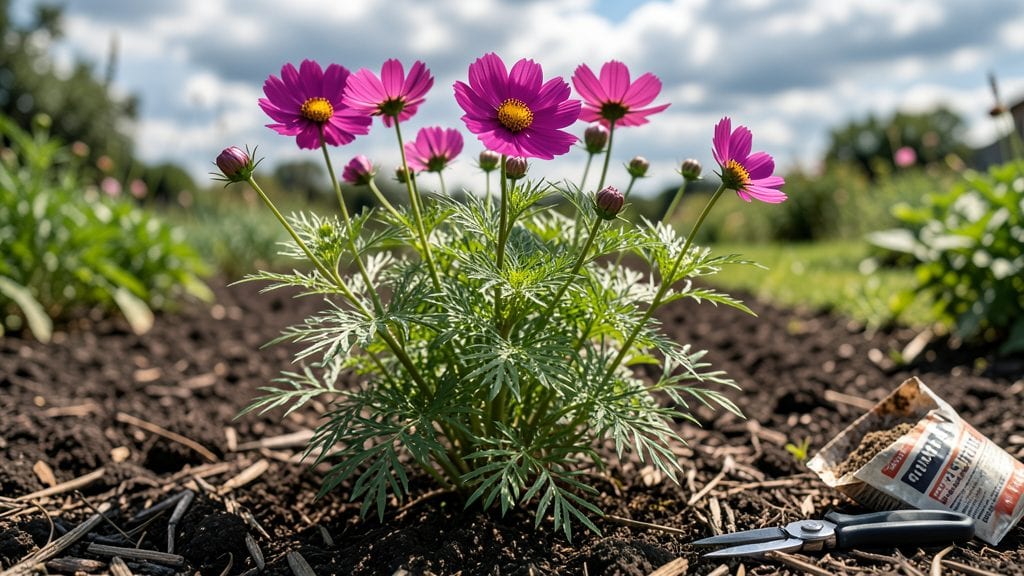
Your Pacific Northwest garden could explode with color this summer—petal patch flowers turn ordinary spaces into buzzing, blooming starbursts that attract bees, butterflies, and hummingbirds.
I designed mine after watching local meadows transform from green to gold and purple in May, and now my yard stays vibrant from spring through frost. The secret? Layering native perennials with bold annuals that thrive in our damp, mild climate while requiring almost no extra care once established.
Start with a sunny, slightly sloped patch (even a small 4x6-foot area works) and mix three layers: tall drama (like lupine or delphinium), mid-height pollinator magnets (black-eyed Susans, bee balm), and low-spreading ground covers (creeping thyme, alyssum).
Add a few native grasses like Pacific reed grass for texture, and you’ll get that wildflower-meadow effect without the weeding. The best part? These plants self-seed and return every year, building on their own.
By late June, your patch will be a swirling, scent-filled explosion—purples, yellows, and whites that shift with the seasons. Bees will hover over the salvia and lavender, hummingbirds will dart between the columbine, and you’ll spend afternoons watching monarchs flutter through.
The key to keeping it lush? Mulch heavily in fall to protect roots, and deadhead spent blooms only if you want to control seeding (otherwise, let nature spread the magic).
This design works for containers, raised beds, or full sun borders—adjust plant sizes to fit your space. For shadier spots, swap in heuchera and astilbe while keeping the same layered approach.
Once you see how easy it is to create a pollinator paradise, you’ll never plant a boring border again.
📚 In This Guide
- What you need
- Instructions
- Tips and common mistakes
- Wrapping up and next steps
What you need
- ● Seeds: Native PNW petal patch flower seeds (e.g., Lupinus polyphyllus (Lupine), Eschscholzia californica (California Poppy), Achillea millefolium (Yarrow), Gaillardia aristata (Blanket Flower)). Aim for 20–50 seeds per variety for a vibrant mix.
- ● Potting soil: High-quality, well-draining seed-starting mix (1–2 bags, ~12–18 quarts each). Avoid garden soil—it’s too dense!
- ● Containers: Biodegradable seedling pots (72-cell trays or 2–3 inch pots) or peat pellets (50–100 units).
- ● Watering can or spray bottle: With a fine mist nozzle for gentle watering.
- ● Garden gloves: A pair to protect your hands from soil and prickly stems.
- ○ Garden twine or stakes: (Optional but helpful for taller varieties like Lupine—1–2 feet per plant).
- ● Trowel: A small hand trowel for transplanting seedlings.
- ○ Pruners: Sharp, clean bypass pruners for trimming dead blooms (optional but recommended).
- ● Mulch: Organic mulch (e.g., straw or wood chips) to retain moisture and suppress weeds. 1–2 bags (1–2 cubic feet each).
- ● Sunlight access: A sunny spot (6+ hours of direct sunlight daily) for your garden bed or containers.
- ● Water source: Easy access to water for consistent moisture (drip irrigation or a hose with a gentle spray works best).
- ● Fertilizer: Slow-release organic flower fertilizer (e.g., fish emulsion or compost tea) to boost growth.
- ● Pollinator-friendly additives: A sprinkle of bee-friendly wildflower seeds (e.g., borage or lavender) for extra buzz!
- ● Decorative stones: Smooth river rocks or pebbles to border your petal patch for a polished look.
- ● Garden journal: To track planting dates, watering schedules, and blooming progress.
How to design a thriving pollinator garden for the Pacific Northwest
This vibrant layout brings bees, butterflies, and hummingbirds to your yard—without needing a sprawling plot.
Choose Native Flowers That Bloom in Succession
Select Pacific Northwest natives like sword ferns, Oregon grape, and yarrow—these plants thrive in the region's climate while providing continuous nectar from spring through fall. I always mix early bloomers like lupine (March-April) with mid-season columbine (May-June) and late-season beebalm (July-September). This ensures pollinators have food year-round, even when some flowers fade.
Look for varieties with open, flat blooms—bees and butterflies prefer these over tightly clustered flowers. Avoid double-petaled flowers; they often lack pollen. A good rule is to prioritize single-petaled, brightly colored selections, especially in shades of purple, blue, and yellow, which attract the widest range of pollinators.
Plan for Sunlight and Shelter
The Pacific Northwest’s partial shade and dappled sunlight create ideal conditions for many pollinator-friendly plants. Most native flowers thrive in 4-6 hours of direct sun, but some, like salal or vine maple, tolerate full shade. Start by mapping your garden’s sun exposure—note where sunlight hits between 10 AM and 2 PM, as this is when pollinators are most active.
Add windbreaks like tall grasses or shrubs to protect delicate flowers and slow-flying insects. I often plant red twig dogwood or Oregon grape along garden edges—they provide shelter while adding structure. Avoid dense, non-native hedges; they block pollinators and disrupt flight paths.
Layer Plants for Height and Texture
Create a multi-tiered design with tall perennials like giant fleabane (3-5 feet) in the back, mid-height shrubs such as salmonberry (4-6 feet) in the middle, and low-growing ground covers like creeping thyme or sword ferns in the front. This arrangement mimics natural ecosystems, giving pollinators safe landing spots at every height.
Incorporate grasses like Pacific reed grass or tufted hair grass for vertical interest and seed heads that provide late-season food. I like to weave in native sedges for texture—they’re drought-tolerant and add movement to the garden. Space plants 12-18 inches apart to allow airflow and prevent disease while keeping the area lush.
Add Water and Mud Puddles for Pollinators
Pollinators don’t just need flowers—they need water. Install a shallow birdbath or saucer filled with 1-2 inches of water and add pebbles or flat stones to create landing spots. Place it in partial shade to prevent evaporation and keep mosquitoes at bay. I refresh the water every 2-3 days to prevent stagnation, which can harbor harmful bacteria.
For ground-nesting bees, leave bare patches of soil or create small mud puddles in sunny spots. These provide essential minerals and moisture for female bees as they gather materials for their nests. Avoid pesticides near these areas—even "bee-friendly" sprays can harm pollinators if overused.
Maintain Without Harming Pollinators
Water deeply but infrequently—once a week in summer, less in spring and fall—to encourage deep root growth. Most Pacific Northwest natives are drought-tolerant once established, so avoid overwatering, which can lead to fungal diseases. I water in the early morning to allow foliage to dry before evening, reducing mildew risks.
Deadhead spent blooms sparingly—leave some seed heads for birds and overwintering insects. If you must prune, do it in early spring before new growth begins. Avoid raking leaves completely; many pollinators overwinter in leaf litter. Instead, gather leaves into piles in shady corners where they can decompose naturally.
Tips & tricks for perfect pollinator gardens in the Pacific Northwest
Creating a thriving pollinator garden requires thoughtful planning—here's how to elevate your design beyond the basics.
Seasonal Planting Strategy: In Step 1, when selecting native flowers, consider adding winter-blooming plants like Pacific coast iris (January-February) to extend the pollinator buffet. These early bloomers provide critical resources when few other flowers are available. I've found that pairing them with lupine creates a continuous food source from winter through fall, ensuring pollinators never face shortages during migration periods.
Sunlight Mapping Technique: For Step 2's sunlight analysis, use a simple method: place a white piece of paper in different garden locations between 10 AM and 2 PM on a sunny day. The areas where shadows are less than 2 hours long will receive the 4-6 hours of direct sun most pollinator plants need. This visual approach helps identify optimal planting zones without complex measurements.
Layering with Native Grasses: When implementing Step 3's layered design, incorporate native bunchgrasses like blue wildrye or California oatgrass for added texture and pollinator support. These grasses provide vertical structure while their seed heads offer late-season food. I space them 18-24 inches apart in the middle layer to create a natural transition between tall perennials and ground covers.
Water Feature Design: For Step 4's water requirements, consider installing a shallow, sloped stone trough instead of a traditional birdbath. The gentle slope allows pollinators to easily access water while preventing them from drowning. Place it near sunny, sheltered areas where bees can warm up after collecting nectar, creating an essential rest stop in your garden ecosystem.
Pro Tips for Petal Patch Flowers
- Creating a thriving pollinator garden requires thoughtful planning—here's how to elevate your design beyond the basics.
- Seasonal Planting Strategy: In Step 1, when selecting native flowers, consider adding winter-blooming plants like Pacific coast iris (January-February) to extend the pollinator buffet.
- Sunlight Mapping Technique: For Step 2's sunlight analysis, use a simple method: place a white piece of paper in different garden locations between 10 AM and 2 PM on a sunny day.
Frequently asked questions
Got questions about petal patch flowers? You’re not alone!
Here are answers to the most common queries—from planting tips to troubleshooting—so you can create a thriving pollinator paradise in your Pacific Northwest garden.
When is the best time to plant petal patch flowers?
For the Pacific Northwest’s mild climate, plant seeds in early spring (March–April) or late summer (August–September). This timing ensures they establish roots before winter or summer heat. If starting from seedlings, transplant after the last frost (typically April–May).
Do petal patch flowers attract bees and butterflies?
These flowers are a pollinator magnet . Their bright, clustered blooms produce nectar and pollen, making them irresistible to bees, butterflies, and hummingbirds. For extra appeal, plant them near other native wildflowers like lupines or yarrow.
How often should I water petal patch flowers?
Water lightly but frequently during the first 2–3 weeks after planting to encourage root growth. Once established, they’re drought-tolerant! Aim for 1 inch of water per week, either from rainfall or irrigation. Overwatering can lead to root rot, so let the soil dry slightly between waterings.
Can I grow petal patch flowers in containers?
Yes! They thrive in well-draining containers (at least 6–8 inches deep) with a mix of potting soil and sand or perlite. Choose pots with drainage holes and place them in full sun. Just ensure they’re large enough to accommodate their spreading habit—some varieties can reach 1–2 feet wide.
Why aren’t my petal patch flowers blooming?
Several factors could be at play:
- Insufficient sunlight: They need 6+ hours of direct sun daily.
- Over-fertilizing: Too much nitrogen promotes foliage over flowers. Use a low-phosphorus fertilizer or skip it entirely.
- Stress from heat/drought: Mulch around the base to retain moisture and protect roots.
- Old plants: Petal patch flowers often bloom in their first year but may need deadheading (removing spent blooms) to encourage reblooming.
What are some low-maintenance alternatives?
If petal patch flowers seem high-maintenance, try these pollinator-friendly PNW natives that require minimal care:
- Oregon Sunshine (Ludwigia peploides)
- Checkermallow (Sidalcea malviflora)
- Yarrow (Achillea millefolium)
- Lupine (Lupinus spp.)
Wrapping up and next steps
Creating a petal patch garden with these vibrant, pollinator-packed flowers isn’t just about beauty—it’s a celebration of the Pacific Northwest’s ecosystem! 🌸 From sun-loving Lupinus to moisture-loving Achillea, every bloom plays a role in nourishing bees, butterflies, and hummingbirds.
Whether you’re a beginner or a seasoned gardener, your patch will thrive with the right mix of sun, soil, and care.
Ready to transform your space into a buzzing paradise? Start small—pick one or two flowers to plant this weekend, then expand as you gain confidence. Happy gardening! 🌿✨