
Pruning
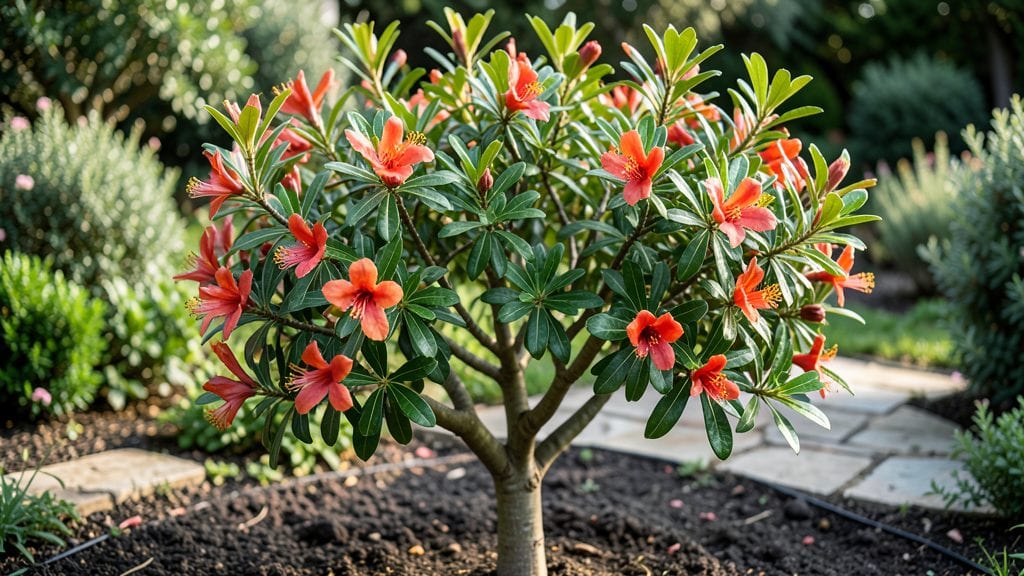
Pomegranate trees flowering in the Pacific Northwest feels like a rebellion against the rules—because these sun-loving Mediterranean natives actually thrive when you trick them into blooming through cold winters. 🌱 I've seen them burst into fiery red blossoms here where most gardeners assume they'd freeze, and the secret isn't complicated: it's about timing, shelter, and a little extra care during those damp, chilly months.
The key moment arrives in late spring when days warm but nights stay cool—ideal conditions for those dramatic red flowers to appear.
My trees bloom most reliably when I prune back the previous year's growth in early spring, right before buds swell, and protect them from late frosts with burlap wraps.
The blooms themselves need consistent moisture but hate soggy roots, so I water deeply twice a week once flowers appear, then back off as fruit sets.
What you end up with is a tree covered in blossoms that attract hummingbirds, followed by those jewel-like fruit in late summer. The flowers even have a subtle citrusy scent that lingers through the blooming season.
With these tricks, you'll get flowers even in Zone 8 where most gardeners swear pomegranates won't survive—let alone bloom spectacularly.
Works for both container-grown trees and in-ground plantings, though containers let you move them to sheltered spots during winter. The same principles apply whether you're in Seattle or Portland—just adjust your frost dates and watering schedule to match your microclimate. Here's how to make it happen in your garden.
📚 In This Guide
- What you need
- Instructions
- Tips and common mistakes
- Wrapping up and next steps
What you need
- ● Cold-hardy pomegranate tree: Choose a variety like 'Russian Red' or 'Wonderful' (zones 7-11). Ensure it’s at least 3–5 years old for optimal flowering.
- ● Well-draining soil mix: 50% native soil
- ● 30% compost or aged manure
- ● 20% perlite or coarse sand
- ● Slow-release fertilizer: 10-10-10 or 8-3-9 blend (use ½ cup per tree in early spring).
- ● Mulch: 2–3 inches of wood chips or straw (keep 6 inches away from the trunk).
- ● Drip irrigation system or soaker hoses (for consistent moisture).
- ● Pruning shears: Sharp, bypass-style (for cuts ¼-inch above a bud).
- ● Loppers: For thicker branches (up to 1-inch diameter).
- ● Hand pruners: For precision trimming (avoid dull blades—they crush stems!).
- ● Garden gloves: Heavy-duty (thorns are no joke!).
- ● pH test kit: To check soil acidity (ideal range: 5.5–7.0).
- ● Thermometer: For tracking winter lows (target above 10°F for best blooms).
- ● Frost cloth: Lightweight (use on young trees or late blooms).
- ● Epsom salt: 1 tablespoon dissolved in a gallon of water (for magnesium boosts).
- ● Citric acid: To lower soil pH if needed (follow package instructions).
- ● Stake and ties: For supporting heavy branches post-pruning.
- ● Bird netting: To protect flowers from hungry critters (especially in spring!).
Step-by-step guide to encouraging pomegranate tree flowering in cold climates
Here’s how to trick your pomegranate into blooming reliably—even when winter lingers.
🌱 Step 1: Choose the Right Cold-Hardy Variety
Not all pomegranates handle Pacific Northwest winters. Look for varieties like ‘Eversweet’ or ‘Wonderful’—they’re bred to tolerate 20-25°F dips. Avoid tropical types; they’ll sulk and refuse to flower. I always check the label before buying, because even nurseries sometimes mix varieties.
If you’re starting from a cutting, select a branch with last year’s flower buds. These are the ones that’ll bloom next spring. Prune the cutting to 12-18 inches and root it in a 60-70°F propagation mix. Keep it under a grow light until roots form—you’ll know it’s ready when you gently tug and feel resistance.
☀️ Step 2: Provide Strategic Winter Protection
Pomegranates need 6-8 hours of winter sun to set buds, but they hate frost on flowers. Wrap the trunk with 2 inches of burlap or tree wrap once temps drop below 32°F. This prevents sunscald and keeps the bark from cracking—cracked bark means no flowers.
For extra insurance, mound 4-6 inches of mulch around the base (but not touching the trunk). I use straw because it insulates roots while letting moisture escape. Water deeply before the first freeze—this hydrates the tree so it can survive dormancy without stress.
⏰ Step 3: Time Your Spring Pruning for Maximum Blooms
Prune just after the last frost (usually late March to early April in the PNW). Cut back dead or crossing branches first—they steal energy from flower production. Then, shape the tree to an open vase form, letting light reach the center where buds form.
Here’s the trick: Remove only 20-30% of the canopy. Over-pruning shocks the tree and delays flowering. Look for woody buds along the branches—these are your future blooms. If you see any green growth already, hold off on pruning until it stops.
💧 Step 4: Feed and Water for Heavy Flowering
Apply a balanced 10-10-10 fertilizer in early spring (just as buds swell) and again in mid-summer. Pomegranates are heavy feeders, but too much nitrogen makes them grow leaves instead of flowers. I mix in 1 cup of compost around the drip line to feed roots slowly.
Water deeply once a week during bloom season (April-June). The soil should be damp 6 inches down—not soggy, not bone-dry. If flowers drop off, you’re either underwatering or overwatering. I check with my finger; if it’s dry at 6 inches, it’s time to water.
🌿 Step 5: Protect Blooms from Late Frosts
Even after buds form, a 28°F snap can kill flowers. Cover the tree with frost cloth or row fabric on chilly nights. Secure it loosely—tight fabric can smother branches. I leave it on until temps rise above 35°F for 24 hours.
Once flowers open, hand-pollinate if bees are scarce. Gently shake branches on sunny days to release pollen. A few good shakes will ensure fruit set, even in rainy PNW springs. Watch for red-tipped buds—these are the first to open and need extra protection.
Tips & tricks for perfect pomegranate tree flowering
Real talk: Getting your pomegranate to bloom in cold climates takes patience and a few key tricks. Here’s what I’ve learned after watching my own trees transform from bare branches to blossoming beauty.
Variety Matters: The cold-hardy varieties like ‘Eversweet’ or ‘Wonderful’ aren’t just suggestions—they’re essential. I’ve seen tropical varieties freeze to the ground after our first real winter frost. Look for labels that specify cold tolerance and check that the buds are already forming on branches before buying. Those woody buds are your future flowers, so don’t skip this step!
Winter Sun Strategy: Those 6-8 hours of winter sun are critical for bud development, but timing matters. Position your tree where it gets morning sun and afternoon shade if your winters are particularly harsh. I’ve noticed that trees in full afternoon sun can get stressed, especially when combined with cold winds. A simple solution: plant near a south-facing fence or wall that provides some protection.
Pruning Precision: When you’re pruning just after the last frost, focus on creating that open vase shape—it’s not just about aesthetics. This form allows sunlight to penetrate to the center where most buds form. I’ve seen gardeners remove too much foliage, and their trees took two years to recover. Remember: remove only 20-30% of the canopy, and always look for those woody buds—they’re your future blooms.
Frost Protection Hacks: The 28°F threshold is real, but you can push it slightly with proper protection. I’ve used both frost cloth and even old bedsheets in a pinch (just secure them loosely!). For extra insurance, I place a small Christmas light string around the tree—it provides just enough warmth to prevent frost damage. Just make sure to remove it once temperatures stay above 35°F for 24 hours.
Pro Tips for Pomegranate Tree Flowering
- Real talk: Getting your pomegranate to bloom in cold climates takes patience and a few key tricks.
- Variety Matters: The cold-hardy varieties like ‘Eversweet’ or ‘Wonderful’ aren’t just suggestions—they’re essential.
- Winter Sun Strategy: Those 6-8 hours of winter sun are critical for bud development, but timing matters.
Frequently asked questions
Got questions about pomegranate tree flowering? You’re not alone! Here are answers to the most common concerns—from timing to troubleshooting—so your PNW tree thrives and blooms beautifully.
When do pomegranate trees flower in the Pacific Northwest?
Pomegranate trees typically bloom in late spring to early summer (May–June), after the last frost. In the PNW’s cooler climate, choose cold-hardy varieties like ‘Wonderful’ or ‘Eversweet’, which may flower slightly later (June–July) to avoid frost damage. Watch for bud swell—this signals flowering is near!
Can pomegranate trees survive PNW winters and still flower?
Yes! While young trees need winter protection (mulch, frost cloth), mature pomegranates are surprisingly hardy to 10–15°F. To encourage blooms, plant in full sun and prune in late winter to avoid stress. Avoid heavy pruning—it can delay flowering. Pro tip: Water deeply before winter to help roots withstand cold.
Why isn’t my pomegranate tree flowering?
Common culprits include:
- Age: Trees under 3–5 years may not flower yet.
- Cold shock: Late frosts can damage buds. Plant in sheltered spots.
- Over/under-pruning: Prune lightly in dormant season to balance growth.
- Poor soil: Amend with compost for nutrients.
Can I force a pomegranate tree to flower earlier?
Not reliably, but you can optimize conditions for faster blooming:
- Use slow-release fertilizer (high in phosphorus) in early spring.
- Mulch heavily to regulate soil temps.
- Avoid transplanting stressed trees—it delays flowering.
What if my pomegranate flowers but no fruit forms?
This often happens due to pollination issues or environmental stress. Solutions:
- Hand-pollinate with a soft brush if bees are scarce.
- Ensure consistent watering (drought stress = dropped blooms).
- Check for botrytis blight (gray mold) on flowers—remove infected parts.
Wrapping up and next steps
Watching your pomegranate tree flowering thrive in the Pacific Northwest is a rewarding experience—especially when you’ve mastered the cold-resistant tricks to encourage vibrant blooms! 🌸 With the right pruning techniques, soil prep, and seasonal care, you’re well on your way to a bountiful harvest.
Now that you’re armed with knowledge, roll up your sleeves and give your tree the TLC it deserves—your future ruby-red fruit awaits!
Ready to take the next step? Monitor your tree’s progress after pruning, adjust care as needed, and don’t hesitate to share your blooming success with fellow gardeners. Happy growing! 🌱