
Flowers
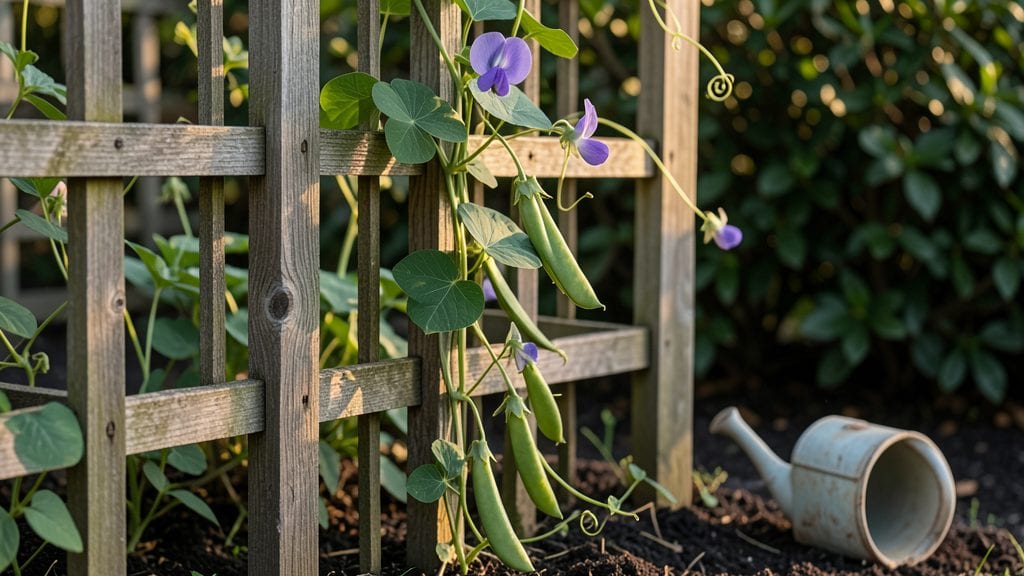
Purple pea flowers (Lathyrus odoratus) turn any garden into a fragrant, pollinator magnet with their velvety blooms and sweet scent. 🌸 I’ve used them to transform tired borders into showstopping displays—just one climbing vine can cover a trellis in weeks, spilling cascades of purple that hummingbirds adore.
The key is pairing them with the right companions: lavender for texture, snapdragons for height contrast, or even edible herbs like thyme to attract bees while keeping pests away.
These flowers thrive in partial sun to full sun and bloom from late spring through summer, making them perfect for cottage gardens, wildflower meadows, or even formal borders.
Their 18- to 24-inch vines work beautifully in containers too—tuck them alongside petunias or nasturtiums for a pop of color that lasts all season. The foliage stays lush and green, so they won’t look sparse even when the blooms fade.
Imagine a purple-hued garden where every bloom is edible, too—these flowers add a delicate floral note to salads or garnishes (just harvest before they fully open). The scent alone makes strolling through the garden feel like a stroll through a perfumer’s dream.
Ready to weave their magic into your space? Let’s get planting!
Bonus tip: Deadhead spent blooms to encourage more flowers, and save seeds for next year’s self-sustaining display. They’re hardy, easy to grow, and reward patience with weeks of vibrant color—no fuss required.
📚 In This Guide
- What you need
- Instructions
- Tips and common mistakes
- Wrapping up and next steps
What you need
- ● Purple pea flower seeds (Lathyrus odoratus) – Choose heirloom or organic varieties for the best flavor and color. Quantity: 10-20 seeds per plant (start with 3-5 plants for a small garden).
- ○ Well-draining potting soil or garden bed – A mix of 60% topsoil, 30% compost, and 10% perlite works wonders. Optional: Add a slow-release organic fertilizer (like bone meal) for extra nutrients.
- ● Containers or garden space – For containers: 12-18" deep pots with drainage holes (1 plant per container). For gardens: Full sun to partial shade (6+ hours of sunlight daily).
- ● Watering can or hose with a gentle spray nozzle – Purple peas love moisture but hate soggy roots!
- ● Trellis, stakes, or netting – These vining plants need support to climb. Height: 5-8 feet (install trellises early to avoid disturbing roots).
- ● Hand trowel or small shovel – For planting seeds 1-2 inches deep.
- ● Pruning shears – To trim dead blooms and encourage new growth.
- ○ Gloves (optional) – Protects hands from thorns if harvesting wild varieties.
- ● Food-safe storage containers – For preserving harvested flowers (glass jars or airtight bags work best).
- ● Patience (and a pollinator-friendly mindset!) – Purple peas attract bees and butterflies, so avoid pesticides. 🐝
- ● 🌡️ Timing: Plant seeds after the last frost (spring or early summer) for best results.
- ● ✨ Soil pH: Aim for 6.0-7.0—purple peas thrive in slightly acidic to neutral soil.
- ● 🎯 Harvesting: Pick flowers in the morning after dew has dried for maximum freshness.
Step-by-step guide to growing purple pea flowers
These striking blooms bring color and life to gardens while attracting pollinators.
🌱 Step 1: Choose the Right Variety and Planting Location
Start with a well-draining soil mix—purple pea flowers thrive in loamy soil with a pH between 6.0 and 7.0. I always opt for a sunny spot with at least 6 hours of direct sunlight daily, though they tolerate partial shade in hotter climates. These vining plants need support, so install a trellis or stakes near your planting site before you begin.
If you're sowing seeds directly, plant them ½ inch deep in early spring after the last frost. For transplants, space them 12-18 inches apart to give roots room to spread. The key here is patience—purple pea flowers grow slowly at first but reward you with lush foliage and vibrant blooms by mid-summer.
☀️ Step 2: Provide Consistent Moisture and Fertility
Water deeply once a week during the first month, keeping the soil evenly moist but not soggy. Purple pea flowers are drought-tolerant once established, but young plants need steady moisture. I like to check soil moisture by sticking my finger 1 inch deep—if it feels dry, it's time to water.
Feed with a balanced, water-soluble fertilizer (10-10-10) every 4-6 weeks during the growing season. Too much nitrogen leads to leafy growth at the expense of flowers, so I cut back on fertilizer once buds form. Mulch around the base with 2-3 inches of organic mulch to retain moisture and suppress weeds.
🌿 Step 3: Train Vines and Encourage Blooming
As vines grow, gently guide them up the trellis or stakes to prevent sprawling. Purple pea flowers climb using tendrils, so no ties are needed—just let them find their own way. Prune leggy growth in early summer to redirect energy toward flowering. You'll see more blooms if you remove spent flowers regularly, too.
Watch for first blooms in late spring or early summer, depending on your climate. These flowers are edible and attract bees, so I always leave at least a few blooms on the plant. If you want to harvest for culinary use, pick flowers in the morning when they're fully open and vibrant purple.
✂️ Step 4: Maintain and Extend the Blooming Season
Deadhead faded blooms weekly to encourage continuous flowering. I like to trim back the entire plant by one-third after the first flush of blooms to promote a second round of flowers. Purple pea flowers are hardy perennials in USDA zones 5-9, so they'll return year after year with proper care.
In colder climates, cut back vines to the ground in fall and mulch heavily to protect roots. In warmer zones, they may bloom sporadically throughout winter. The secret to long-term success is consistent care—water, feed, and prune at the right times, and you'll enjoy these stunning blooms for seasons to come.
Tips & tricks for perfect purple pea flower growth
Between us, these vibrant blooms are easier to grow than most people think—once you know the little secrets. Here's what nobody tells you about getting those stunning purple flowers to thrive.
Soil Test First: While the instructions mention loamy soil with a pH of 6.0-7.0, I can't stress enough how important it is to test your soil before planting. Purple pea flowers are sensitive to pH extremes, and even a slight deviation can stunt their growth. Grab a basic soil test kit from your local garden center—it's worth the $10 to avoid disappointment. If your soil is too acidic, you can amend it with lime; if it's too alkaline, add sulfur. This one step makes all the difference in getting those vibrant blooms.
Sunlight Strategy: The instructions mention at least 6 hours of direct sunlight, but here's the thing: these plants actually perform best with 8-10 hours. If your garden only gets 6 hours, consider planting them near a reflective surface like a white wall or patio that can bounce extra light their way. I've seen dramatic differences in bloom production when I moved my plants to sunnier spots—sometimes doubling the number of flowers!
Watering Wisdom: That "once a week" guideline works for most gardens, but your watering needs might vary based on your climate. In hot, dry areas, you might need to water every 3-4 days during the first month. The key is to keep that top inch of soil consistently moist but never soggy. I use my finger to check moisture daily during heatwaves—if the soil feels dry just below the surface, it's time to water. Overwatering is just as damaging as underwatering for these delicate plants.
Fertilizer Timing: The instructions suggest feeding every 4-6 weeks, but here's what I've learned: stop fertilizing completely once you see buds forming. That balanced 10-10-10 fertilizer is great for early growth, but too much nitrogen at the wrong time will give you lush leaves instead of those beautiful purple blooms we're after. Think of fertilizer as fuel—you want to give them just enough to get going, then let them focus on flowering.
Pro Tips for Purple Pea Flowers
- Between us, these vibrant blooms are easier to grow than most people think—once you know the little secrets.
- Soil Test First: While the instructions mention loamy soil with a pH of 6.0-7.0, I can't stress enough how important it is to test your soil before planting.
- Sunlight Strategy: The instructions mention at least 6 hours of direct sunlight, but here's the thing: these plants actually perform best with 8-10 hours.
Frequently asked questions
Got questions about growing, using, or caring for purple pea flowers? You’re not alone—these edible blooms spark curiosity! Below are answers to the most common queries, from planting tips to culinary uses.
When is the best time to plant purple pea flowers?
Plant seeds in early spring (after the last frost) or late summer for a fall harvest. They thrive in warm soil (60°F+) and bloom in 60–90 days. In cooler climates, start indoors 4–6 weeks before the last frost for a head start. Pro tip: Purple peas love full sun (6+ hours daily) but tolerate partial shade in hot zones.
Are purple pea flowers safe to eat raw?
Yes! Their delicate, slightly sweet petals are edible raw and add a pop of color to salads, garnishes, or cocktails. Always use organic or pesticide-free flowers to avoid contaminants. For a milder flavor, lightly cook them in stir-fries or infuse them into syrups. Fun fact: They’re a great substitute for violas in floral arrangements with a culinary twist!
Why aren’t my purple pea flowers attracting pollinators?
If bees and butterflies skip your blooms, check these fixes:
- Water consistently—drought stress reduces nectar.
- Plant companion flowers like lavender or marigolds nearby.
- Ensure full sun exposure (they need 6+ hours daily).
- Avoid pesticides—even "organic" sprays can repel pollinators.
Can I grow purple pea flowers in containers?
They’re perfect for pots (12"+ depth) with well-draining soil. Use a balanced fertilizer (like 10-10-10) every 4–6 weeks. Choose compact varieties like ‘Black Knight’ or ‘Wisteria Flowered’ for smaller spaces. Just ensure containers get adequate sunlight and drainage—root rot is their nemesis!
What can I do if my purple pea flowers wilt or droop?
Wilting often signals underwatering or overwatering. Check soil moisture—it should stay evenly moist but not soggy. If leaves curl, it may be heat stress (provide afternoon shade). For sudden wilting, trim damaged stems and fertilize lightly with compost tea. Remember: Purple peas are drought-tolerant once established, so avoid overwatering!
Are there alternatives to purple pea flowers for edible blooms?
If purple peas aren’t your style, try these edible flower swaps:
- Nasturtiums – Peppery, vibrant orange/yellow blooms.
- Borage – Star-shaped blue flowers with cucumber-like flavor.
- Calendula – Orange petals with a mild, citrusy taste.
- Violets – Sweet, fragrant blooms (use sparingly—they’re potent!).
Wrapping up and next steps
Purple pea flowers aren’t just a feast for the eyes—they’re a delicious, sustainable, and pollinator-friendly addition to your garden and kitchen!
Whether you’re savoring their unique flavor in salads, teas, or garnishes, or simply admiring their beauty while supporting bees and butterflies, these edible blooms bring joy in every way. 🌸
Ready to dive in? Start by planting a few seeds this season and watch your garden—and your plate—transform! Share your purple pea flower adventures with fellow gardeners, and don’t forget to tag us in your creations. Happy growing! 🌱