
Flowers
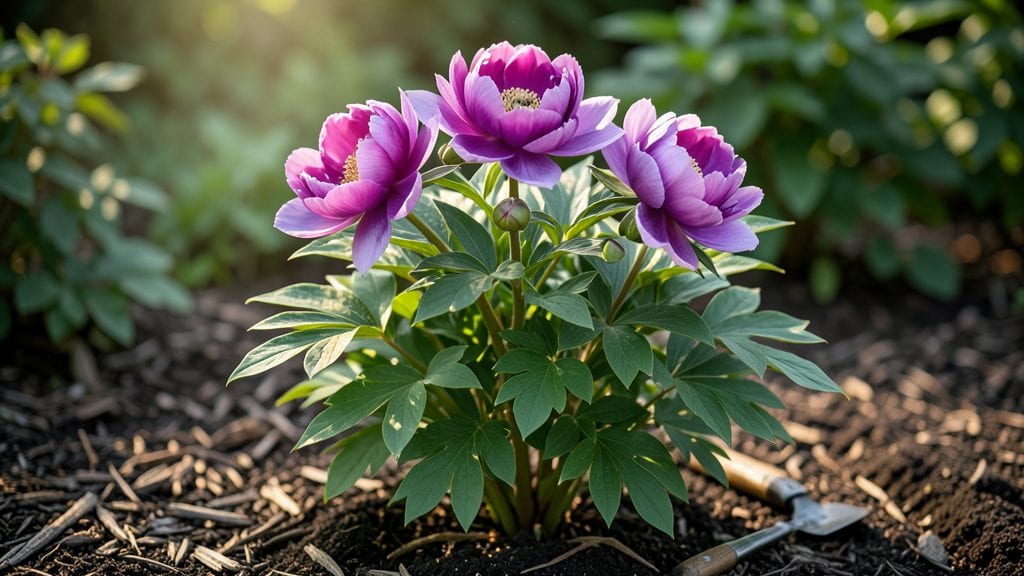
Nothing brightens a Pacific Northwest garden like purple peony flowers unfurling in spring—those velvety blooms feel like a secret only your yard knows. 🌿 I’ve designed borders where they steal the show, pairing their deep lavender with silver foliage for a dreamy, frost-proof contrast that lasts through chilly mornings.
The key? Planting them where they’ll get morning sun but afternoon shade, letting their petals soften rather than scorch.
Start with 3-5 plants spaced 2-3 feet apart for a lush, natural look in cottage gardens or formal arrangements. Their height (2-3 feet) makes them perfect for mid-border drama, while their sturdy stems hold up in bouquets too.
Pair them with white hydrangeas for a romantic palette or dusty blue salvias for a modern twist—both combinations thrive in PNW climates.
What you’ll get is a garden that feels like a living painting: deep purples against mossy greens, with every bloom announcing spring’s arrival. The fragrance lingers in the air, and the flowers hold their color even after rain—ideal for cutting or admiring from your patio.
Place them near seating areas or along pathways where their scent and beauty can’t be missed.
For maximum impact, group odd numbers of peonies together (like 3 or 5) and layer them with lower-growing perennials like lamb’s ear or catmint. In formal gardens, their rounded blooms soften geometric shapes, while in wildflower meadows, they anchor the scene with their bold presence.
The PNW’s cooler summers let them shine without fading fast—just give them well-draining soil and a little winter mulch.
📚 In This Guide
- What you need
- Instructions
- Tips and common mistakes
- Wrapping up and next steps
What you need
- ● Purple peony plants: 3–5 bare-root or potted peonies (e.g., Paeonia lactiflora varieties like ‘Sarah Bernhardt’ or ‘Duchesse de Nemours’). Choose herbaceous types (not tree peonies) for PNW climates.
- ● Well-draining soil: Mix 1 part native soil with 1 part compost and 1 part coarse sand/perlite (peonies hate soggy roots!). Aim for a pH of 6.0–7.0.
- ● Sunlight: A full-sun spot (6+ hours/day)—they thrive in PNW’s partial shade but bloom best with morning sun.
- ● Fertilizer: 5-10-10 balanced fertilizer (1 tbsp per plant) at planting, then low-phosphorus (5-5-5) in early spring.
- ● Mulch: 3–4 inches of wood chips or straw to insulate roots in winter (critical for frost resistance!).
- ● Peony supports: Bamboo stakes or wire cages (6–12 inches tall) to prevent flopping stems.
- ● Slow-release granules: Osmocote 14-14-14 (sprinkle lightly around roots in spring).
- ● Disease prevention: Copper fungicide (if your area has fungal risks) or neem oil spray.
- ● For cut flowers: Sharp pruners (sterilized with rubbing alcohol) and a clean vase.
How to grow vibrant purple peony flowers in the Pacific Northwest
These hardy beauties thrive in our cool, moist climate—here's exactly how to coax their bold blooms.
🌱 Step 1: Choose the Right Variety and Planting Time
For the Pacific Northwest, select herbaceous peony varieties like 'Sarah Bernhardt' or 'Bowl of Beauty'—they handle our wet winters and cool summers beautifully. Plant bare-root peonies in late September to early October, giving roots time to establish before winter. This timing ensures they'll burst into bloom by late spring.
Peonies hate being transplanted once established, so choose a permanent spot. Dig a hole 2-3 inches deeper than the root depth and twice as wide to encourage outward root spread. The reason we go deeper is that peonies grow best when their "eyes" (buds) sit 1-2 inches below soil level—any deeper and they won't bloom.
🪴 Step 2: Prepare Soil and Plant with Care
Amend your native soil with 3 inches of compost mixed into the bottom of the hole—peonies love rich, well-draining soil but won't tolerate soggy conditions. The Pacific Northwest's clay-heavy soils often need this boost for proper drainage. I like to add a handful of bone meal at planting time for extra phosphorus, which peonies crave for strong stems and blooms.
Place the roots in the hole, spreading them out gently. The buds should face south or southeast to catch morning sun. Backfill with native soil, firming lightly as you go. Water deeply right after planting—this helps settle the soil and removes air pockets around the roots. You'll know you've done it right when the soil surface looks slightly settled but not compacted.
☀️ Step 3: Provide Proper Light and Watering
Peonies need full sun to partial shade—at least 6 hours of direct sunlight daily. In the Pacific Northwest, morning sun with afternoon shade works perfectly, especially in hotter inland areas. Watch for leaves curling or yellowing—this usually means too much afternoon sun during summer heatwaves.
Water deeply once a week during the first growing season, keeping the soil evenly moist but not soggy. Once established (after 2-3 years), peonies become quite drought-tolerant. You'll see this when the plants develop thick, fleshy roots that store moisture. In winter, let the soil dry out slightly between rains—peonies need this dormancy period to rebloom vigorously.
✂️ Step 4: Prune and Maintain for Long-Term Blooms
Wait until late spring (after the first flush of blooms) to prune. Cut back stems to 2-3 inches above the ground—this encourages new growth and prevents disease. I always use clean, sharp shears to avoid tearing stems. Never prune in fall, as this removes the plant's energy reserves for next year's blooms.
Divide clumps every 4-5 years in early fall to maintain vigor. Dig up the entire plant and separate sections with at least 3-5 eyes per division. Replant immediately in the prepared hole. The key is to handle roots gently—peony roots are brittle and break easily. You'll know a division is healthy when it has multiple strong buds and no signs of rot or insect damage.
⏰ Step 5: Protect from Late Frosts and Pests
In the Pacific Northwest, late spring frosts can damage emerging buds. Cover plants with frost cloth when temperatures drop below 28°F—peony buds are particularly sensitive at this stage. Remove the cloth during the day to allow sunlight through. This protection is especially important for early blooming varieties.
Watch for peony leaf blight and botrytis blight, which thrive in our damp climate. Space plants 3-4 feet apart for good air circulation, and avoid overhead watering. If you see brown spots on leaves, remove affected foliage immediately and apply a fungicide. Healthy peonies develop glossy, deep green leaves—any dullness or spotting means it's time to intervene.
Tips & tricks for growing vibrant purple peonies
Real talk: These tips will help you avoid the most common mistakes that keep peonies from thriving in our region.
Planting Depth is Everything: When you're digging that hole 2-3 inches deeper than the root depth in Step 1, think of it like this: The "eyes" (those little buds) should sit just 1-2 inches below soil level. Any deeper and your peonies might never bloom—it's like burying a treasure too deep to find. I've seen gardeners accidentally plant them too shallow, and the plants just sit there looking sad. Use a marker or stick to check depth before backfilling.
Soil Prep Secret: That 3 inches of compost in Step 2 isn't just filler—it's your peony's secret weapon against our heavy clay soils. Mix it thoroughly with the native soil at the bottom of the hole, not just on top. The Pacific Northwest's wet winters can turn regular soil into a suffocating mess, but this combo gives your peonies the drainage they crave. Pro move: Add a handful of bone meal too—it's like giving your plants a phosphorus shot for stronger stems and bigger blooms.
Light Strategy for Our Climate: The 6 hours of direct sunlight mentioned in Step 3 is your golden rule, but here's the Northwest twist: Morning sun with afternoon shade works best, especially in hotter inland areas. Watch for those leaves curling or yellowing—this is your plant's way of saying "too much sun!" If you notice this, move plants to a spot with more afternoon shade or provide some dappled light through nearby trees. The goal is that perfect balance where leaves stay lush and green.
Frost Protection Hack: When those late spring frosts threaten below 28°F in Step 5, don't just throw any old blanket over your plants. Use frost cloth specifically designed for gardens—it lets sunlight through while trapping heat. I've seen gardeners use old sheets, but they don't provide the same protection. Remove the cloth during the day to prevent overheating, and you'll see those buds emerge safely. This is especially crucial for early bloomers like 'Sarah Bernhardt'.
Pro Tips for Purple Peony Flowers
- Real talk: These tips will help you avoid the most common mistakes that keep peonies from thriving in our region.
- Planting Depth is Everything: When you're digging that hole 2-3 inches deeper than the root depth in Step 1, think of it like this: The "eyes" (those little buds) should sit just 1-2 inches below soil level.
- Soil Prep Secret: That 3 inches of compost in Step 2 isn't just filler—it's your peony's secret weapon against our heavy clay soils.
Frequently asked questions
Got questions about growing or loving purple peony flowers in the Pacific Northwest? You’re not alone! Here are answers to the most common queries—from planting tips to troubleshooting—so you can enjoy these stunning blooms with confidence.
When is the best time to plant purple peonies in the PNW?
Plant them in early fall (September–October) or late winter (February–March) for optimal root establishment. The cool, moist PNW climate is perfect—just avoid planting when the ground is frozen or waterlogged. Give them at least 3–4 weeks to settle before heavy rains hit.
How long do purple peonies take to bloom after planting?
Be patient! Most peonies take 2–3 years to establish and flower, though some may bloom sooner in ideal conditions (like well-drained soil and full sun). Herbaceous peonies (the most common type) often reward you with vibrant blooms by late spring to early summer—just as PNW gardens wake up.
Why aren’t my purple peonies blooming this year?
Common culprits include too much shade (they need 6+ hours of sun), over-fertilizing (especially with nitrogen), or planting too deep (eyes should be 1–2 inches below soil). Check for bud blast (blackened buds) too—this often signals fungal issues. Prune spent blooms but leave foliage until fall to feed the roots.
Can I grow purple peonies in containers in the PNW?
Yes! Use a large pot (at least 12–18 inches deep) with well-draining soil and winter protection (like mulch or a frost blanket). Tree peonies (woody stems) adapt better to containers than herbaceous types. Just remember: containers dry out faster, so water consistently and move pots to a sheltered spot in winter.
What are some purple peony alternatives for PNW gardens?
If peonies aren’t your style, try these frost-hardy, purple-hued PNW favorites:
- Pacific Coast Iris – Thrives in wetter climates, blooms spring/summer.
- Bleeding Heart (Dicentra spectabilis) – Delicate, heart-shaped flowers; loves shade.
- Lavender (especially ‘Grosso’ or ‘Munstead’) – Drought-tolerant and fragrant.
- Catmint (Nepeta) – Long-blooming, attracts pollinators, and handles PNW winters.
Are purple peonies deer-resistant?
Not exactly! While deer rarely munch on peonies (thanks to their fuzzy foliage), they might nibble buds or young shoots. Try these deterrents:
- Plant near deer-resistant companions like daffodils or Russian sage.
- Use repellent sprays (like garlic-based options) or physical barriers (chicken wire) for new plants.
- Consider tree peonies—their woody stems are less appealing than herbaceous types.
Wrapping up and next steps
Purple peony flowers are more than just a stunning addition to your Pacific Northwest garden—they’re a hardy, low-maintenance powerhouse that brings romance and resilience to any landscape.
Whether you’re drawn to their velvety petals, pollinator-friendly benefits, or frost-defying nature, these blooms prove that beauty and durability go hand in hand. 🌸
Ready to transform your outdoor space? Take the next step:
- 🌱 Plan your planting spot—sunny, sheltered areas thrive best!
- 🛒 Grab your peonies from a local nursery or trusted online source.
- 📅 Mark your calendar for early spring or fall planting season.