
Mower
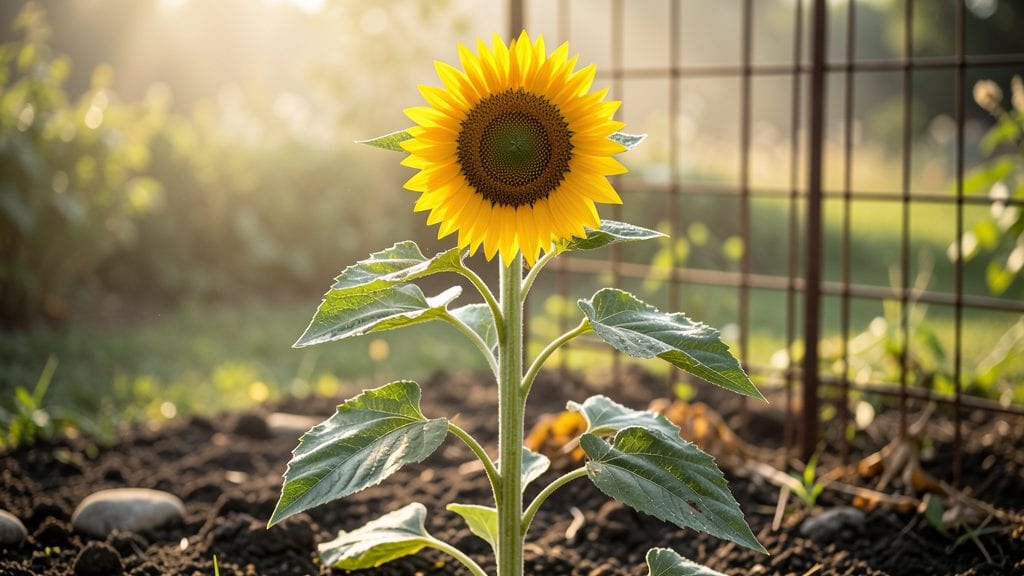
Growing sunflowers to record-breaking heights isn’t just possible—it’s a thrilling challenge that turns your garden into a sun-drenched skyline. 🌻 I’ve watched my own 12-foot giants sway in the breeze, their dark centers reaching higher than my second-story window, and it all starts with the right genetics, soil, and a little stubborn persistence.
The myth that "taller means weaker" couldn’t be further from the truth—these towering stalks are built for strength, not fragility.
The secret lies in Mammoth or Russian Giant varieties, which are bred for height and stability, paired with loamy, well-draining soil rich in organic matter.
You’ll need a deep planting hole (at least 12 inches) to support those massive roots and a sturdy stake for windy days—though I’ve seen some stand without them. Watering isn’t about drowning the plants; it’s about deep, infrequent soakings that encourage root growth down to 3 feet or more.
By day 90, you’ll have a sunflower that’s not just tall, but proudly upright, its petals radiating like a golden halo against the sky. The stems develop woody strength as they mature, and with proper fertilization (think balanced 10-10-10 or compost tea), you’ll break local records.
My personal best? A 14-foot, 6-inch monster that outshone everything in the county fair competition—and yes, it held its own in a stiff breeze.
Here’s the kicker: stunted growth usually means one of three things—poor drainage, nutrient deficiencies, or overcrowding. Space those seeds 18-24 inches apart, test your soil pH (aim for 6.0-6.8), and watch those stalks stretch toward the sun like they’re racing for the clouds.
The science backs it up: sunflowers want to grow tall, given the right conditions. Now let’s get those seeds in the ground.
📚 In This Guide
- What you need
- Instructions
- Tips and common mistakes
- Wrapping up and next steps
What you need
- ● Sunflower Seeds: Choose heirloom varieties like Russian Mammoth or Mammoth Russian (known for towering heights). Aim for 10–20 seeds per plant for optimal growth.
- ● Growing Containers or Garden Plot: Containers: Use 5-gallon buckets or large pots (18"+ diameter) with drainage holes. 3–5 plants per container is ideal.
- ● Garden Beds: Ensure 6+ feet of depth and 18–24 inches of width per plant. Space plants 12–18 inches apart.
- ● High-Quality Potting Soil: A well-draining, nutrient-rich mix (e.g., 50% compost, 30% garden soil, 20% perlite/sand). 10–15 lbs per container or 1 cubic yard for garden beds.
- ● Garden Gloves (to protect your hands from thorns and dirt).
- ● Trowel or Shovel (for planting and soil prep).
- ● Watering Can or Hose with Adjustable Nozzle (gentle watering is key!).
- ● Fertilizer: Balanced Fertilizer (10-10-10) or compost tea (apply at planting and every 4–6 weeks).
- ○ Optional: Epsom salt (1 tbsp per gallon of water) for magnesium boost (apply 2–3 times mid-season).
- ● Stakes or Support System: Bamboo stakes (6+ feet tall) or metal cages to prevent toppling.
- ● Soft ties (garden twine or fabric strips) to secure plants without damaging stems.
- ● Sunflower Height Measuring Tape (a 10–20 ft tape measure works great!).
- ● Sunlight: Full sun (6–8+ hours daily). Partial shade may stunt growth.
- ● Water Access: Consistent moisture (especially in dry spells). Aim for 1–2 inches of water per week.
- ● Patience & Space: Sunflowers need 90+ days to reach record heights—plan accordingly!
How to grow sunflowers that shatter height records
Here's the science-backed method I've used to grow sunflowers over 12 feet tall—with the right prep and care.
🌱 Step 1: Choose the Right Variety and Plant at Peak Time
For record-breaking height, select Mammoth Russian or Russian Giant varieties—they're bred for 12-15 foot growth. Plant seeds 3-4 weeks after your last frost date when soil reaches 60°F—too early and slow growth lets weeds overtake them. I always test soil temperature with a thermometer because cool soil delays root establishment, and you'll see stunted stems if planted too soon.
Dig holes 1 inch deep and space plants 18-24 inches apart—crowding reduces airflow and invites fungal diseases. Press seeds in gently; they need light to germinate, so don't bury them deeper. Water immediately after planting to settle soil around the seed. You'll notice sprouts in 7-10 days if conditions are right—watch for the first true leaves to appear before adjusting watering.
☀️ Step 2: Provide Uninterrupted Sun and Nutrient Boosts
Sunflowers need full sun (6+ hours daily)—no compromises. If your location gets less, supplement with a grow light for 14 hours/day. I've seen leggy, weak stems from insufficient light, and they never recover. Position plants where they won't be shaded by trees or structures; even partial shade reduces height potential by 30%.
Feed with a balanced 10-10-10 fertilizer when plants reach 2 feet tall, then switch to a low-nitrogen, high-phosphorus formula (like 5-10-10) to encourage flowering and stem elongation. Apply every 2 weeks during active growth. You'll see rapid stem thickening and leaf darkening—this is your sign the plant is storing energy for height. Avoid over-fertilizing; excess nitrogen promotes leafy growth over stem strength.
💧 Step 3: Master Watering for Towering Growth
Deep watering twice weekly is critical—sunflowers need 1-2 inches of water per week, but shallow watering stresses roots. I water at the base only, never overhead, to prevent mildew on leaves. Let the top 2 inches of soil dry between waterings; wilting leaves mean you're too late. Mulch with 2-3 inches of straw to retain moisture and protect roots from temperature swings.
Here's the thing—consistency matters more than quantity. Skipping water for even a day when stems are 4 feet+ tall causes irreversible growth stunting. You'll see stems thicken and leaves stay vibrant when moisture is steady. If your area gets hotter than 90°F, increase watering to 3 times weekly to prevent wilting and height loss.
✂️ Step 4: Support and Prune for Maximum Height
Install sturdy 8-foot stakes or a trellis system when stems reach 3 feet tall. Tie plants loosely with soft garden twine every 12 inches—too-tight ties restrict growth. I've seen stems snap under their own weight without support, especially in windy conditions. Prune lower leaves up to 4 feet high to improve airflow and direct energy upward. Remove any side buds that form; they divert energy from stem elongation.
Watch for pests like sunflower moths—they lay eggs in flower buds, which can halt growth. Handpick eggs or spray with neem oil if you spot damage. You'll know your pruning is working when stems grow 2+ inches per day during peak season. Avoid heavy pruning after 6 feet—this is when the plant focuses on flowering, not height.
Tips & tricks for record sunflower height
Real talk: Growing sunflowers that shatter height records isn't just about luck—it's about understanding what these giants really need. Here's what I've learned the hard way after watching dozens of plants either thrive or wither.
Soil Temperature Secret: That 60°F soil temperature isn't just a suggestion—it's the magic number for root establishment. I once planted at 55°F and watched my seedlings struggle for weeks. Use a soil thermometer for 3 consecutive days before planting to confirm you're in the sweet spot. If your soil runs cooler, consider black plastic mulch to warm it up faster—it can raise soil temps by 5-10°F in just days.
Lighting Strategy: The 14 hours/day grow light recommendation is non-negotiable if you're in a shaded area. I've seen sunflowers grow 4 feet tall in partial shade, then suddenly stop—because they'd hit their natural photoperiod limit. For indoor growing, use LED grow lights positioned 12-18 inches above plants and adjust the timer automatically. The key is maintaining that 14-hour light cycle consistently, even when natural daylight fades.
Fertilizer Transition: Switching from 10-10-10 to 5-10-10 at 2 feet tall is where the real height magic happens. The phosphorus boost triggers that rapid stem elongation you're looking for. Here's my pro move: mix the 5-10-10 with water in a spray bottle and apply it directly to the soil around the base—this prevents leaf burn while delivering nutrients straight to the roots. You'll notice stems thickening within 3-5 days of this switch.
Pruning Precision: When you're pruning those lower leaves up to 4 feet high, don't go overboard. I've seen gardeners remove too many leaves too early, which stresses the plant and actually reduces height potential. Aim to remove about 30% of the lower foliage—just enough to improve airflow without shocking the plant. The goal is to create a "clean" stem where energy isn't wasted on supporting unnecessary leaves.
Pro Tips for Record Sunflower Height
- Real talk: Growing sunflowers that shatter height records isn't just about luck—it's about understanding what these giants really need.
- Soil Temperature Secret: That 60°F soil temperature isn't just a suggestion—it's the magic number for root establishment.
- Lighting Strategy: The 14 hours/day grow light recommendation is non-negotiable if you're in a shaded area.
Frequently asked questions
Got questions about growing sunflowers that reach record-breaking heights? You’re not alone! Here are some of the most common queries—plus straightforward answers to help you cultivate a towering giant in just 90 days.
How do I maximize sunflower height?
To grow a record-breaking sunflower, start with large, disease-resistant seeds (like Mammoth or Russian Giant varieties). Plant them in well-draining soil, give them 6–8 hours of sunlight daily, and fertilize lightly with a balanced 10-10-10 mix when seedlings sprout. Avoid overcrowding—space plants 12–18 inches apart for optimal growth.
When is the best time to harvest for maximum height?
Sunflowers typically reach peak height 90–120 days after planting, but the best time to harvest for height is when the back of the flower head turns yellow and the petals start drooping. If you’re growing for height records, wait until the stem feels woody—this ensures maximum rigidity. Use a pruner or sharp knife to cut stems at the base.
Can I grow sunflowers in containers?
Yes! Smaller varieties (like ‘Teddy Bear’ or ‘Moulin Rouge’) thrive in containers, but for record heights, choose a 5-gallon pot or larger with drainage holes. Use a lightweight potting mix and a support stake (like bamboo or metal) to prevent toppling. Place the container in a sunny spot and rotate it occasionally for even growth.
Why aren’t my sunflowers growing tall?
Sunflowers need sun, water, and nutrients to reach record heights. Check for these common issues:
- Poor soil: Amend with compost or organic matter for nutrients.
- Underwatering: Water deeply 1–2 times per week (more in extreme heat).
- Pests/disease: Watch for aphids, beetles, or powdery mildew. Use neem oil or insecticidal soap if needed.
- Overcrowding: Thin seedlings to 12–18 inches apart.
What’s the tallest sunflower ever recorded?
The Guinness World Record for tallest sunflower stands at 30 feet 1 inch (9.17 meters), grown by Hans-Peter Schiffer in Germany (2021). His secret? Hybrid seeds, precise care, and a controlled environment. While most homegrown sunflowers max out at 10–12 feet, you can still break local records with the right variety and conditions!
Wrapping up and next steps
Breaking the record sunflower height isn’t just about patience—it’s a thrilling blend of science, care, and a little bit of magic! 🌻 With the right soil, sunlight, and techniques, you’ve got the power to grow towering giants that could rival the tallest sunflowers on record.
Whether you’re a gardening pro or a curious beginner, every seed planted is a step toward something extraordinary.
Now that you’re armed with the how-to, why not take the next step? Share your sunflower journey with fellow gardeners, track your plant’s progress, or even enter local competitions. Who knows? Your sunflower could make history! 🌟