
Blooming
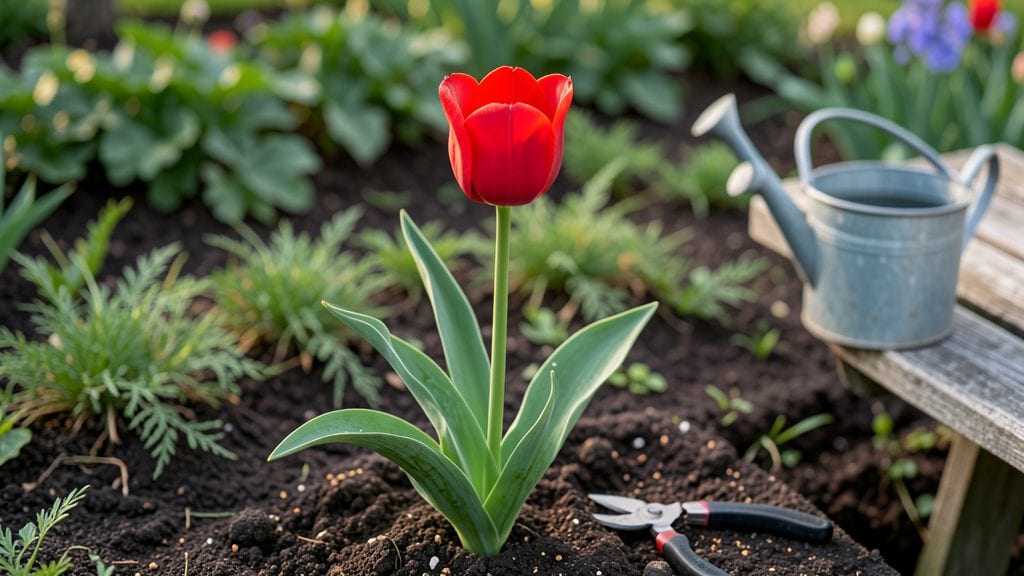
Red blooming flowers don’t just survive in full sun—they thrive like a neon sign for bees and butterflies. 🌸 I’ve designed pollinator gardens where scarlet geraniums, fire-throated hibiscus, and deep-red roses create a nonstop buffet from spring through fall.
The secret isn’t just choosing the right plants, but arranging them so their colors pop against foliage and complementary blooms.
Start with three core red bloomers—one for height (like hibiscus), one for mid-level drama (roses or salvia), and one for spilling edges (geraniums or sweet william).
Add silver foliage (like lamb’s ear) or purple blooms (salvia or cleome) to make the reds sing, and you’ve got a garden that feels like a sunset every day. These combinations work in borders, containers, or as bold focal points.
You’ll end up with a garden that hums with activity—bees, hummingbirds, and butterflies all drawn to the vibrant red starbursts. The scent alone (especially from roses and hibiscus) will make you want to sit there all afternoon.
Best part? The same plants can shift your garden’s vibe from romantic cottage to modern minimalist just by swapping out the supporting cast.
Works in any sun-soaked spot, from small city balconies to sprawling backyard borders. Let’s get those pollinators feasting—and your garden glowing.
📚 In This Guide
- What you need
- Instructions
- Tips and common mistakes
- Wrapping up and next steps
What you need
- ● Red flowering plants: 1-3 Lantana (drought-tolerant, sun-loving, blooms all season)
- ● 2-5 Salvia (e.g., Salvia coccinea or Salvia leucantha)
- ● 3-6 Zinnias (annuals, fast-growing, pollinator magnets)
- ● 1-2 Bee Balm (Monarda) (native-friendly, attracts hummingbirds)
- ● 1 Red Knock Out® Rose (shrub rose for year-round color)
- ● Soil: 1-2 bags of well-draining potting mix or native soil amended with compost (5-10 lbs).
- ○ Containers (optional): 3-5 5-7 gallon pots with drainage holes (for container gardening)
- ● 1 raised bed (4’x8’ minimum) or in-ground garden space
- ● Gardening tools: 1 trowel or hand shovel
- ● 1 pruning shears (for deadheading)
- ○ 1 garden gloves (optional but recommended)
- ● 1 watering can or hose with spray nozzle
- ● Sunlight access: 6+ hours of direct sunlight daily (critical for most red bloomers!).
- ● Watering schedule: Plan for 1-2 inches of water per week (adjust for drought conditions).
- ○ Fertilizer (optional): 1 slow-release granular fertilizer (e.g., 10-10-10 NPK ratio)
- ● 1 liquid seaweed extract (for a natural boost)
- ○ Mulch (optional): 2-3 bags of organic mulch (e.g., shredded bark) to retain moisture.
How to design a vibrant pollinator-friendly red flower garden
Here's how to create a bold, buzzing red flower display that thrives in sun or partial shade.
🌱 Step 1: Select Diverse Red Bloomers for Your Light Conditions
Choose sun-defying red flowers that match your garden's light exposure. For full sun, prioritize bee balm (Monarda), salvia (Salvia coccinea), and red cardinal flower (Lobelia fulgens)—all thrive in 6+ hours of direct sunlight and attract hummingbirds relentlessly. In partial shade (3-6 hours sun), opt for red columbine (Aquilegia), red impatiens (Impatiens walleriana), or red foxglove (Digitalis purpurea)—these handle dappled light beautifully while still packing a pollinator punch.
I always mix annuals (like zinnias) with perennials (like daylilies) to ensure continuous blooms. Annuals deliver instant color, while perennials return year after year. For example, red zinnias bloom nonstop from summer to frost, while red coneflowers (Echinacea) provide late-season nectar. Pro tip: Group plants by water needs—bee balm loves moisture, while salvia prefers drier soil.
☀️ Step 2: Prepare Soil and Plant for Optimal Growth
Amend your soil with 2-3 inches of compost to improve drainage and nutrient retention—red bloomers like well-draining but moisture-retentive soil. For heavy clay, mix in 1 part perlite to 3 parts native soil. Test your soil's pH: most red flowers prefer slightly acidic to neutral (6.0-7.0), except foxglove, which tolerates 6.5-7.5. I use a simple at-home pH kit to check before planting.
Dig holes twice as wide as the root ball but only as deep as the container's base. Gently loosen roots if they're circling (especially with container-grown plants). Place each plant so the top of the root ball sits level with the surrounding soil—burying stems too deep causes rot, while planting too high stresses the plant. Water deeply right after planting to eliminate air pockets and encourage root spread.
💧 Step 3: Water and Fertilize for Continuous Blooms
Water deeply once a week (or daily in extreme heat) until soil feels moist 2-3 inches down. Red flowers like bee balm and salvia wilt dramatically when thirsty—this is your cue to water immediately. Use drip irrigation or soaker hoses to deliver moisture at the base; overhead watering can spread fungal diseases like powdery mildew, which loves humid conditions.
Fertilize lightly every 4-6 weeks with a balanced, water-soluble fertilizer (10-10-10) during the growing season. Too much nitrogen produces lush foliage but fewer blooms. I switch to a low-phosphorus formula (5-10-5) in late summer to encourage fall reblooming. Deadhead spent flowers weekly—this redirects energy to new blooms instead of seed production.
✂️ Step 4: Maintain and Protect Your Red Pollinator Magnet
Prune early in the season to shape plants and encourage bushiness. For bee balm, cut back one-third of the stems in early spring to promote dense growth. For red coneflowers, remove dead stems in late winter but leave some seed heads for winter interest and birds. Avoid heavy pruning in late summer—this cuts off the late-season nectar that pollinators rely on.
Watch for aphids and Japanese beetles, which adore red flowers. Spray with neem oil at the first sign of pests, or introduce ladybugs for natural control. Mulch with 2-3 inches of shredded bark to retain moisture, suppress weeds, and regulate soil temperature. Replace mulch annually to prevent it from compacting and smothering roots.
🪴 Step 5: Extend the Season with Strategic Planting
For spring blooms, sow red impatiens and snapdragons indoors 8-10 weeks before the last frost. Transplant them after soil warms to 55°F—cold soil stunts root growth. In fall, plant red mums (Chrysanthemum) and red asters for late-season color that keeps pollinators fed before winter.
Add red ornamental grasses like switchgrass (Panicum virgatum 'Northwind') for texture and winter interest. These grasses tolerate cold and provide seed heads that birds love. Group red flowers in odd-numbered clusters (3, 5, or 7 plants) to create visual impact—this mimics natural groupings and makes the garden feel lush and intentional.
Tips & tricks for perfect red flower pollinator gardens
Here's what I've learned after years of creating buzzing red flower havens—these tricks make all the difference.
Light Layering: In Step 1, when selecting your red bloomers, create vertical layers by pairing tall plants like red cardinal flower (3-4 feet) with mid-height bee balm (2-3 feet) and low-growing red impatiens (1-2 feet). This mimics natural ecosystems where pollinators can access nectar at multiple heights. I always place my tallest varieties at the back, working downward—this creates visual depth and prevents smaller flowers from being hidden.
Soil Science: The 2-3 inches of compost in Step 2 isn't just about nutrients—it's a game-changer for soil structure. For clay-heavy soils, I add an extra 1 inch of perlite to create air pockets that prevent waterlogging. Most importantly, test that pH before planting—red flowers like foxglove will tolerate 6.5-7.5, but others like bee balm thrive at 6.0-6.5. A simple pH test kit solves this before you even dig holes.
Watering Wisdom: The once-weekly deep watering in Step 3 works perfectly, but I've found that watering in the early morning (before 8 AM) prevents fungal spores from spreading overnight. For containers, I use self-watering pots with built-in reservoirs—they maintain consistent moisture without overwatering. And here's the secret: water at the base, not overhead, to keep those vibrant red blooms disease-free.
Pollinator Preservation: When deadheading weekly in Step 3, don't remove ALL the seed heads—leave about 10% on each plant. This provides food for birds in late fall while still encouraging new blooms. I also avoid pruning red coneflowers until after their second year, when they've established strong root systems to support their iconic seed heads.
Pro Tips for Red Blooming Flowers
- Here's what I've learned after years of creating buzzing red flower havens—these tricks make all the difference.
- Light Layering: In Step 1, when selecting your red bloomers, create vertical layers by pairing tall plants like red cardinal flower (3-4 feet) with mid-height bee balm (2-3 feet) and low-growing red impatiens (1-2 feet).
- Soil Science: The 2-3 inches of compost in Step 2 isn't just about nutrients—it's a game-changer for soil structure.
Frequently asked questions
Got questions about growing red blooming flowers?
You’re not alone! Whether you're a beginner or a seasoned gardener, these answers will help you create a vibrant, pollinator-friendly space with ease.
What are the easiest red blooming flowers to grow for beginners?
Start with hardy, low-maintenance options like Zinnias, Marigolds, or Cosmos. These thrive in full sun, require minimal care, and bloom prolifically. For perennials, try Bee Balm or Russian Sage—both are drought-tolerant and attract pollinators effortlessly. Pro tip: Choose native species for your region to ensure they’re well-adapted to local conditions!
When is the best time to plant red blooming flowers for continuous blooms?
For annuals, sow seeds in early spring (after the last frost) or late summer for fall blooms. Perennials should be planted in early spring, allowing roots to establish before summer heat. Succession planting—sowing new seeds every 2-3 weeks—ensures nonstop color. Example: Plant Sunflowers in May, then Zinnias in June for a summer-long display!
How do I keep red flowers blooming all season long?
Deadhead spent blooms regularly to encourage new growth. Water deeply but infrequently (1-2 inches per week) to prevent root rot, and fertilize lightly with a balanced, slow-release fertilizer. Mulch around plants to retain moisture and suppress weeds. Bonus: Choose varieties like Petunias or Salvias, which naturally rebloom with minimal effort.
Which red blooming flowers attract the most pollinators?
Pollinators love red flowers like Red Clover, Lantana, and Butterfly Weed (Asclepias tuberosa). For hummingbirds, opt for Cardinal Flower or Bee Balm. Plant in clusters to create "pollinator buffets" and avoid pesticides. Fun fact: Some red flowers, like Monarda, have tubular shapes perfect for hummingbird tongues!
What can I do if my red flowers aren’t blooming?
Check for these common issues:
- Not enough sun: Most red bloomers need 6+ hours of sunlight daily. Relocate or supplement with grow lights.
- Over-fertilizing: Too much nitrogen promotes foliage over flowers. Switch to a low-nitrogen, high-phosphorus fertilizer.
- Stress: Wilting or yellowing leaves? Ensure proper drainage and water consistently.
If the problem persists, your plant may need repotting or a pruning to encourage new growth. Pro tip: Pinch back leggy stems to promote bushier, flower-filled plants!
Wrapping up and next steps
Red blooming flowers aren’t just a sun-defying spectacle—they’re a lifeline for pollinators and a burst of joy for any garden! From hardy Kniphofia to vibrant Salvia, these plants prove that bold colors and resilience go hand in hand.
Whether you’re a seasoned gardener or just starting, adding these stars to your space will transform it into a thriving hub for bees, butterflies, and hummingbirds.
Ready to take the next step? Start small—plant a single red bloomer this season and watch your garden (and local pollinators) thank you! 🌸 For even more inspiration, explore companion plants or seasonal care tips to keep the color—and the buzz—going year-round.