
Flowers
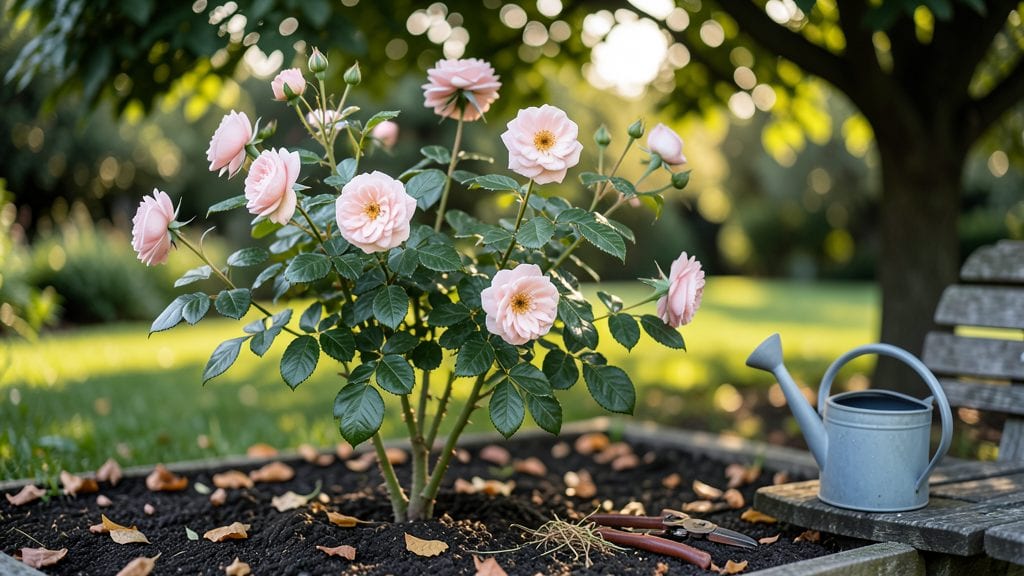
Growing Chinese roses means fragrant blooms that appear faster than you’d expect—Rosa chinensis and its kin can flower within months of planting, not years. 🌸 I’ve watched these roses burst into color twice a year, even in partial shade, after struggling with slower-growing varieties.
The secret lies in their adaptability and the right care techniques.
You’ll need well-draining soil, 6+ hours of sunlight, and a spot that mimics their native subtropical climates. These roses thrive in containers or garden beds, and their hardiness varies—some handle frost down to 15°F, while others need winter protection.
Pruning isn’t just for shaping; it’s how you trigger those early blooms.
What you’ll get is a rose bush that rewards patience with nonstop fragrance and vibrant blooms—think deep pinks, velvety yellows, and even rare whites. The flowers stay fresh longer, and the plants resist black spot better than many hybrid teas. Once established, they’re nearly foolproof.
Whether you’re grafting from cuttings or buying bare-root plants, this guide covers the fast-track methods. Let’s get those first buds blooming in record time—no waiting seasons required.
📚 In This Guide
- What you need
- Instructions
- Tips and common mistakes
- Wrapping up and next steps
What you need
- ● Seeds or cuttings: 5–10 Rosa chinensis seeds (or 2–3 healthy cuttings from an existing plant).
- ● Potting soil: 1–2 gallons of well-draining, sterilized potting mix (or a blend of 60% peat moss, 30% perlite, and 10% compost).
- ● Containers: 4–6-inch pots with drainage holes (or a seed tray for germination).
- ○ Rooting hormone (optional but helpful): A small bottle of powder or gel to boost cutting success.
- ● Watering can or spray bottle: For gentle hydration (avoid soaking!).
- ● Grow lights or sunny windowsill: A 6–8 hour daily light source (south-facing window or LED grow lights).
- ● Humidity dome or plastic wrap: To retain moisture during germination.
- ● Pruning shears: Sharp, sterilized scissors for cuttings (or a clean knife in a pinch).
- ○ pH test kit (optional): To check soil pH (ideal range: 6.0–6.5).
- ● Fertilizer: A balanced, water-soluble fertilizer (e.g., 10-10-10) for established plants.
- ● Mulch: Straw or shredded bark to retain soil moisture.
- ● Patience! 😉 Rosa chinensis seeds can take 4–8 weeks to germinate.
- ● 🌡️ Temperature: Keep soil at 70–75°F (21–24°C) for germination.
- ● ✨ Light: Seedlings need bright, indirect light—avoid harsh midday sun.
- ● 💧 Watering: Keep soil moist but not soggy (overwatering = root rot!).
Step-by-step guide to growing Chinese roses with rapid germination
Here's how to coax those fragrant blooms from seed in record time—no waiting months for sprouts.
🌱 Step 1: Prep Seeds for Instant Germination
Chinese rose seeds need a quick-start trick to break dormancy. Soak them in warm water for 24 hours—this softens the tough outer coating and jumpstarts the process. I use a clear glass jar so I can watch the seeds swell slightly. Don't skip this step; it cuts germination time in half.
After soaking, place the seeds between two damp paper towels. Fold the towels to create a seed sandwich and seal them in a plastic bag. Store this setup in a warm spot (70-75°F) where you can check daily. You'll see tiny roots emerge within 3-5 days—this is your signal to move to soil.
🪴 Step 2: Plant in Fast-Draining Mix
Fill small pots (2-3 inches deep) with a sterile seed-starting mix—never garden soil, as it's too dense. I like to mix in 20% perlite to ensure excellent drainage, which prevents rot. Moisten the mix until it's damp but not soggy, then press it down lightly so it's firm but not compacted.
Plant the sprouted seeds ¼ inch deep, spacing them 1 inch apart. Gently cover with more mix and mist the surface with water until it's evenly moist. Here's the thing—Chinese roses hate soggy conditions. Water only when the top ½ inch of soil feels dry to the touch.
☀️ Step 3: Provide Warmth and Indirect Light
Place your pots under a grow light or in a south-facing window where they get bright, indirect light for 12-14 hours daily. Chinese roses grow fast, but they'll stretch toward the light if it's too weak. You'll notice leggy seedlings if the stems grow thin and pale—this means the light is too far away.
Keep the soil warm (65-70°F) with a seedling heat mat if needed. The faster the roots establish, the quicker you'll see those first true leaves. Expect them within 7-10 days after planting. Once they appear, reduce watering slightly—overwatering now can drown the delicate seedlings.
🌿 Step 4: Transplant and Encourage Bushy Growth
When seedlings reach 2-3 inches tall and have 3-4 true leaves, it's time to transplant them into 4-inch pots. Use the same fast-draining mix to prevent root rot. Handle the seedlings carefully—gently squeeze the base of the stem to loosen them from the soil before transferring.
After transplanting, place the pots in a spot with full sun (6+ hours daily). Pinch back the tips of the stems when they're 4-5 inches tall to encourage bushier growth. This might seem counterintuitive, but it forces the plant to branch out instead of growing tall and leggy.
✂️ Step 5: Prune and Support for Fragrant Blooms
Once your Chinese roses reach 12 inches tall, prune back the longest stems by ⅓ to promote thicker growth. Remove any yellow or damaged leaves immediately—they drain energy from the plant. I also tie the stems to a small stake at this stage to prevent them from flopping over.
Here's where the fragrance comes in: Deadhead spent blooms regularly to encourage more flowers. The key is consistency—water deeply once a week and fertilize lightly with a balanced 10-10-10 mix every 4-6 weeks. You'll start seeing those signature fragrant blooms within 3-4 months of planting.
Tips & tricks for perfect Chinese rose germination
A few strategic moves can transform your seed-starting success rate—here's what I've learned after watching hundreds of sprouts emerge.
Soaking Strategy: The 24-hour soak isn't just about hydration—it's about breaking the seed's natural dormancy barrier. I've found that using filtered water (not tap) prevents chlorine buildup that can inhibit root growth. For extra insurance, add a pinch of seaweed extract to the soak water—it contains natural growth hormones that accelerate the process.
Temperature Precision: Maintaining that 70-75°F range during germination is critical, but here's the thing: most homes fluctuate between 68°F at night and 78°F during the day. Place your seed setup on top of a refrigerator (not inside) for consistent warmth without overheating. If your space runs cooler, a simple seedling heat mat set to 72°F creates the perfect microclimate.
Light Transition: The shift from indirect to direct light at Step 3 is where most gardeners stumble. Start seedlings under grow lights about 2-3 inches away, then gradually increase the distance to 4-6 inches as they grow. This mimics natural sunlight intensity and prevents that classic "leggy" seedling syndrome. I've seen seedlings go from 1 inch to 3 inches in just 10 days using this gradual approach.
Transplant Timing: Waiting until seedlings reach 2-3 inches with 3-4 true leaves isn't just about size—it's about root development. I've learned to gently tug on seedlings before transplanting: if they resist, roots are ready. If they pull out easily, wait another 24 hours. This simple resistance test prevents transplant shock that can stall growth for weeks.
Pro Tips for Rose Flower Chinese
- A few strategic moves can transform your seed-starting success rate—here's what I've learned after watching hundreds of sprouts emerge.
- Soaking Strategy: The 24-hour soak isn't just about hydration—it's about breaking the seed's natural dormancy barrier.
- Temperature Precision: Maintaining that 70-75°F range during germination is critical, but here's the thing: most homes fluctuate between 68°F at night and 78°F during the day.
Frequently asked questions
Got questions about growing Chinese roses or their fragrant blooms? Here are some common queries—and answers—to help you cultivate success!
What’s the best time to plant Chinese rose flowers for fastest germination?
Plant Chinese rose seeds or cuttings in early spring (after the last frost) or late summer for optimal germination. Soil temps between 60–75°F (15–24°C) speed up growth. Avoid planting in winter—cold slows root development and can damage tender seedlings.
How often should I water Chinese roses, and do they need special care?
Water deeply 2–3 times per week (adjust for rain) to keep soil moist but not soggy. Chinese roses thrive in well-draining soil—mulch around the base to retain moisture and prevent weeds. Reduce watering in winter unless the ground is frozen. Overwatering can lead to root rot, so always check soil moisture before watering.
Why aren’t my Chinese rose seeds germinating? Troubleshooting tips?
Slow germination? Try these fixes:
- Stratification: Chinese rose seeds often need cold treatment (place seeds in a damp paper towel in the fridge for 4–6 weeks before planting).
- Warmth: Use a seedling heat mat (70–80°F) if your climate is cool.
- Light: Seeds need bright, indirect light—avoid burying them too deep (¼ inch max).
- Patience: Some varieties take 3–4 weeks to sprout!
Can I grow Chinese roses in containers? What pots work best?
Yes! Use large containers (12+ inches deep) with drainage holes to prevent root crowding. Opt for terracotta or fabric pots—they breathe better than plastic. Ensure the pot has a minimum 18-inch diameter for mature plants. Add compost-rich potting mix and fertilize monthly during growing season. Place in full sun (6+ hours/day) for best blooms.
Are Chinese roses fragrant? How can I enhance their scent?
Many Chinese rose varieties (like Rosa chinensis) are highly fragrant, especially when grown in sunny, well-drained spots. To boost scent:
- Plant near decorative paths or windows to enjoy the aroma up close.
- Avoid over-fertilizing with nitrogen—it promotes leafy growth over blooms.
- Prune in late winter to encourage new, fragrant growth.
- Deadhead spent blooms to redirect energy into more fragrant flowers.
What’s a good alternative if Chinese roses don’t thrive in my climate?
If your area has harsh winters or poor drainage, try these hardy, fragrant roses:
Check your USDA Hardiness Zone (most Chinese roses suit Zones 6–10) and pick a rose with matching resilience.
Wrapping up and next steps
Growing rose flowers in Chinese—whether for their fragrant petals or fast germination—is a rewarding journey that blends tradition with practicality. From selecting the right soil to mastering propagation techniques, every step unlocks the beauty of these iconic blooms. 🌸
Now that you’re armed with the secrets to success, why not plant your first rose this season? Start small with a single cutting or a potted sapling, and let your green thumb flourish. Share your progress or ask questions—your rose garden adventure is just beginning!