
Container Gardens
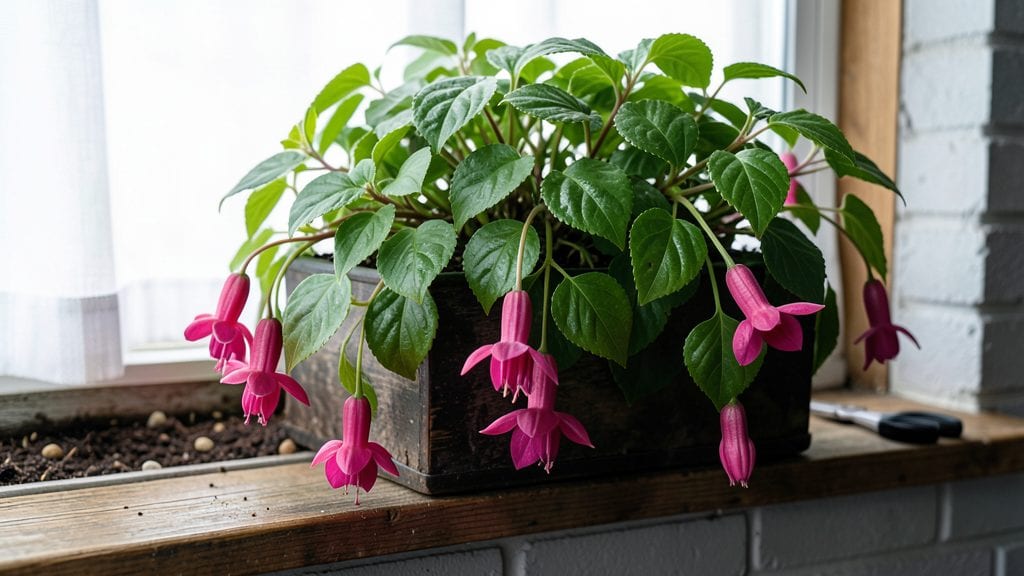
The best shaded window box flowers aren’t just survivors—they’re vibrant stars that turn gloomy corners into lush, fragrant displays. I learned this the hard way after my first window box turned into a sad, brown mess under my office window.
The right plants don’t just tolerate shade; they thrive in it, spilling color even when sunlight is scarce.
Think ferns with their feathery fronds, impatiens that bloom like tiny waterfalls, or begonias with waxy leaves that glow in dim light. These plants need minimal fuss—just consistent moisture and a little fertilizer every few weeks.
My current setup mixes trailing fuchsias with upright coleus for height contrast, and the result? A year-round show that never fades.
You’ll end up with a window box that feels like a miniature garden, bursting with texture and color without demanding sunlight. The key is layering plants by height and choosing varieties that complement each other—soft greens with bold blooms, or deep purples with silvery foliage.
Even in winter, these plants keep the space alive.
Works for apartments, patios, or sun-starved balconies—anywhere you’ve got a window box and a dream for more greenery. Let’s pick the perfect plants for your space!
📚 In This Guide
- What you need
- Instructions
- Tips and common mistakes
- Wrapping up and next steps
What you need
- ● Window box or container: Depth: at least 8–12 inches (deeper for root systems of perennials).
- ● Width: 12–18 inches (standard for most window frames).
- ● Material: Wood (cedar or redwood for longevity), metal, or plastic with drainage holes.
- ● Potting soil: 1–2 cubic feet per window box (use a well-draining, peat-free mix with perlite or vermiculite).
- ○ Optional: Add compost or worm castings (½ cup per box) for nutrient-rich soil.
- ● Shade-tolerant flowers: 3–5 plants per 12-inch-wide box (spacing depends on mature size).
- ● Top picks: Impatiens, Fuchsia, Begonias, Heuchera, or Astilbe (varies by light conditions—see our light-level guide).
- ● Drainage layer: ½–1 inch of gravel, pebbles, or broken pottery (placed at the bottom before soil).
- ● Basic tools: Trowel or small shovel
- ○ Gloves (optional but recommended!)
- ● Watering can with a rose nozzle (for gentle watering)
- ● Slow-release fertilizer: Granular or spikes (follow package instructions for shade plants).
- ● Mulch: Ornamental bark or shredded leaves (to retain moisture and suppress weeds).
- ● Self-watering system: Wick or reservoir trays (for busy gardeners or erratic watering schedules).
- ● Decorative accents: Moss, small pebbles, or solar-powered lights for extra charm.
How to create a thriving shaded window box garden
Here's how to turn a gloomy corner into a vibrant display with flowers that love shade.
Choose the Right Containers and Drainage
Window boxes need excellent drainage to prevent root rot, especially in shade where water lingers longer. Select boxes with at least ¼-inch drainage holes along the bottom edges. If your box lacks drainage, line it with landscape fabric to prevent soil from washing out while still allowing water to escape. I like to add a 1-inch layer of small gravel at the bottom before filling with soil—this extra step prevents clogging and keeps roots healthy.
For a 4-foot window box, aim for a depth of 8-10 inches—deeper boxes let you grow larger shade-loving plants like ferns or astilbes. If your box is shallower, stick to compact varieties like impatiens or begonias. The width should be proportional to the length, typically 12-18 inches wide, to give roots room to spread without crowding.
Select Soil and Plants for Low-Light Success
Shade-loving plants thrive in moist, well-draining soil that holds nutrients without compacting. Mix 2 parts potting soil with 1 part peat moss or coconut coir to improve moisture retention and aeration. Avoid garden soil—it compacts easily and drains too quickly, leaving roots thirsty. I always add a slow-release fertilizer (like 10-10-10) at planting time to give flowers a nutrient boost without risking burnout.
Pick plants that match your light conditions: partial shade (3-6 hours of light) supports impatiens, fuchsias, and astilbes, while full shade (less than 3 hours) works for hostas, heucheras, and caladiums. Group plants by water needs—drought-tolerant varieties like heucheras can share space with thirstier impatiens, but keep them separate to avoid competition.
Plant with Spacing and Layering for Fullness
Arrange plants in odd-numbered groups (3, 5, or 7) for a natural, balanced look. Place taller plants like ferns or astilbes at the back, medium-height flowers like impatiens in the middle, and trailing plants like sweet potato vine or lobelia at the front. This creates depth and ensures no plant gets shaded out by its neighbors. Dig holes just deep enough to cover the root ball—burying stems too deeply can suffocate plants.
Space plants based on their mature size: small flowers (impatiens, begonias) need 6-8 inches apart, while larger foliage (hostas, heucheras) should have 12-18 inches. Press soil gently around roots to remove air pockets, then water deeply to settle everything. Avoid packing soil too tightly—roots need room to breathe and expand.
Water and Maintain for Year-Round Blooms
Shade-loving plants need consistent moisture, especially in window boxes where soil dries out faster. Water every 2-3 days in summer, checking the top inch of soil—if it feels dry, it’s time to water. Use a gentle spray or drip method to avoid disturbing roots or washing soil out. In winter, reduce watering to once a week, as cooler temperatures slow evaporation.
Fertilize lightly every 4-6 weeks during the growing season (spring to fall) with a balanced liquid fertilizer (like 20-20-20). Deadhead spent blooms regularly to encourage new flowers—pinch off faded petals with your fingers or trim with clean scissors. In late fall, cut back tattered foliage but leave healthy stems to protect next year’s growth.
Protect and Refresh for Next Season
Before winter, add a 1-inch layer of mulch (like shredded bark) to insulate roots and retain moisture. This helps shade-loving plants survive cold snaps without drying out. In early spring, remove old mulch and refresh the soil with a top dressing of compost to replenish nutrients. Prune back any damaged or leggy growth to encourage bushier, healthier plants.
Rotate plants every 2-3 years to prevent soil depletion and pest buildup. If a plant outgrows its space or stops blooming, replace it with a new variety. With the right care, your shaded window box will stay vibrant and full of life—no matter how little sunlight it gets.
Tips & tricks for perfect shaded window box gardens
Transforming a dim corner into a lush display takes more than just planting—it’s about the details that make all the difference.
Drainage is Non-Negotiable: In Step 1, that ¼-inch drainage hole requirement isn't just about preventing soggy soil—it's about preventing root rot in shade where water lingers. If your box lacks holes, add a layer of landscape fabric followed by 1-inch gravel before soil. This creates a natural filter that keeps moisture flowing while preventing clogging. I've seen window boxes fail spectacularly when this step gets skipped, especially in cooler climates where drainage matters even more.
Soil Mix Matters: The 2:1 ratio of potting soil to peat moss or coconut coir in Step 2 isn't arbitrary—it's designed to balance moisture retention with aeration. If your soil feels too dense after mixing, add a handful of perlite to improve drainage. For containers without drainage holes, increase the peat moss ratio to 1.5 parts instead of 1 to help prevent waterlogging. The goal is soil that feels like a damp sponge, not a mud puddle.
Layering Creates Depth: When arranging plants in Step 3, think vertically first. Place your tallest plants (like ferns or astilbes) at the back, then medium-height flowers (impatiens, begonias) in the middle, and trailing varieties (lobelia, sweet potato vine) at the front. This creates that professional-looking depth that makes your window box look intentionally designed. Pro tip: Use a small ruler to mark planting spots before digging—it keeps your spacing consistent and prevents overcrowding.
Watering Wisdom: The every-2-3-days summer watering guideline in Step 4 works best with the right technique. Instead of pouring water directly onto plants, water at the base using a gentle spray or drip method. This prevents disturbing delicate foliage and reduces evaporation. In winter, that once-a-week watering schedule assumes your plants are established—newly planted shade lovers may need more frequent watering until their roots are fully settled.
Pro Tips for Shaded Window Box Flowers
- Transforming a dim corner into a lush display takes more than just planting—it’s about the details that make all the difference.
- Drainage is Non-Negotiable: In Step 1, that ¼-inch drainage hole requirement isn't just about preventing soggy soil—it's about preventing root rot in shade where water lingers.
- Soil Mix Matters: The 2:1 ratio of potting soil to peat moss or coconut coir in Step 2 isn't arbitrary—it's designed to balance moisture retention with aeration.
Frequently asked questions
Got questions about keeping your shaded window box flowers thriving? You’re not alone! Here are answers to the most common concerns—so you can enjoy lush blooms without the stress.
What are the best flowers for a shaded window box?
Opt for low-light lovers like impatiens, ferns, begonias, or heuchera. These varieties tolerate dappled shade and still pack vibrant color. Avoid sun-hungry plants like geraniums or petunias—they’ll wilt faster in dim conditions. Pro tip: Mix textures (e.g., leafy ferns + trailing lobelia) for visual interest!
How often should I water shaded window box flowers?
Check soil moisture daily in summer—shaded spots dry slower, but overwatering is a bigger risk. Stick your finger 1 inch deep; if it’s dry, water thoroughly. Use a self-watering planter or moisture-retentive soil (like coconut coir) to cut down on chores. Morning watering prevents fungal issues.
Will my flowers still bloom in deep shade?
Some will! Impatiens and caladiums thrive in low light and bloom reliably, while others (like hostas) focus on foliage. For extra color, add light-reflective mulch (like white gravel) to trick plants into thinking they’re getting more sun. Rotate window boxes seasonally to balance light exposure.
How do I keep pests away from my shaded window box?
Prevent pests with prevention first: Space plants for airflow, remove debris, and use neem oil spray weekly. Common culprits include aphids (wipe off with soapy water) and slugs (set beer traps or use copper barriers). Ladybugs are natural allies—invite them with dill or fennel!
Can I reuse soil from last year’s shaded window box?
Not ideal! Old soil compacts and loses nutrients. Refresh with 50% new potting mix (add compost or worm castings) and 50% reused soil. Sterilize by baking it at 200°F for 30 minutes to kill pathogens. Test pH—most shade plants prefer 6.0–6.5.
Wrapping up and next steps
Transforming your shaded window box into a vibrant, year-round garden is easier—and more rewarding—than you think! 🌿 With the right low-light-loving flowers, a little creativity, and the tips shared here, you can enjoy bursts of color without harsh sunlight.
Whether you’re a seasoned gardener or just starting out, every small space has the potential to bloom.
Ready to take the next step? Start small:
- Pick one or two plants from our top recommendations and plant them this weekend.
- Experiment with textures and colors—don’t be afraid to mix it up!
- Share your progress (or ask for help) in gardening communities for extra inspiration.