
Flowers
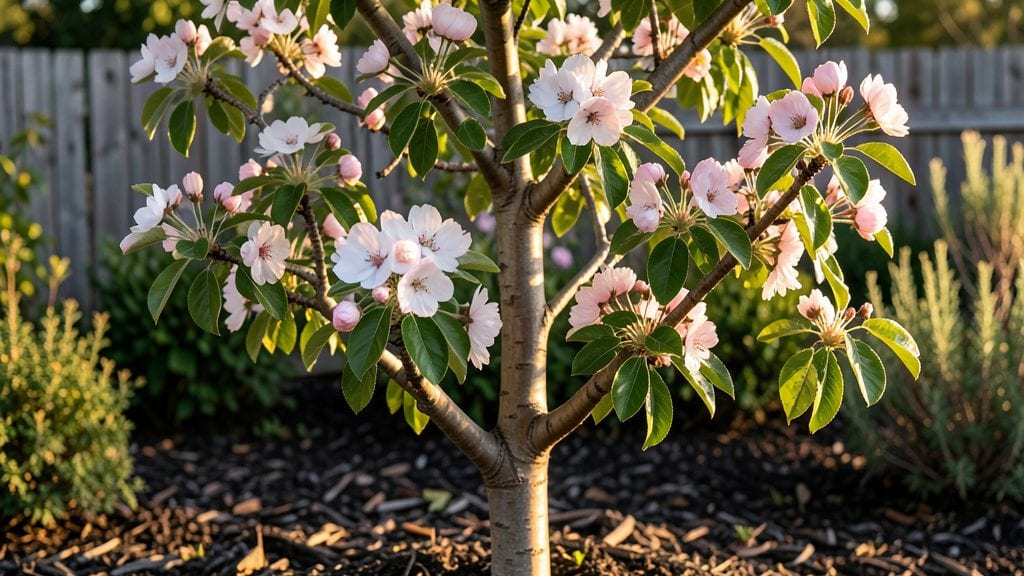
Your yard could burst into year-round color with the Snow Queen nectarine flowers—a frost-hardy climber that thrives where most fruit trees fail. I planted mine last spring after struggling with finicky peach varieties, and now it’s the showstopper of my landscape, blooming even when temperatures dip below freezing.
The delicate white blossoms contrast beautifully against deep green foliage, and the scent? Like a spring breeze in winter.
The secret to its success lies in its cold tolerance and adaptability. Unlike fussy nectarines, Snow Queen handles Zone 5 winters with ease, making it perfect for northern gardens.
It prefers well-draining soil but tolerates clay if amended with compost, and its vigorous growth means you’ll need sturdy support—think trellises or strong branches. Watering is simple: deep soaks once a week during dry spells, but never soggy roots.
By late summer, you’ll be rewarded with tiny, sweet nectarines—not the giant fruit you’d expect, but perfect for jams or snacking fresh. The real magic, though, is the continuous blooms that turn your yard into a floral spectacle from spring through fall.
Prune lightly after flowering to encourage more blossoms, and watch as pollinators flock to the fragrant petals.
Common challenges? Aphids might visit the flowers, but a strong spray of water usually sends them packing. If your tree struggles, check for sunlight exposure—it needs at least 6 hours daily to reward you with that starburst of color.
With minimal effort, this climber becomes the low-maintenance star of any garden.
📚 In This Guide
- What you need
- Instructions
- Tips and common mistakes
- Wrapping up and next steps
What you need
- ● Snow Queen Nectarine Flowers (Bignonia capreolata 'Snow Queen') – Purchase 1-3 plants (depending on desired coverage). Look for healthy, well-rooted specimens from a reputable nursery.
- ● Well-draining potting mix – 5 gallons (for container gardening) or enrich your garden soil with compost or aged manure (10-15 lbs per planting area).
- ● Support structure – A 6-10 ft trellis, arbor, or pergola (diameter: 4-6 inches for climbing support).
- ● Organic mulch – 2-3 inches of wood chips or straw to retain moisture and protect roots.
- ● Balanced fertilizer – 10-10-10 or 20-20-20 (1 tbsp per plant at planting time; reduce to half-strength in spring/fall).
- ● Garden trowel or shovel – For planting and soil prep.
- ● Pruning shears – Sharp, sterilized for trimming dead branches or shaping.
- ● Gloves – Heavy-duty for handling thorny vines.
- ● Watering can or hose with nozzle – For gentle, deep watering.
- ● Sunlight assessment – 6+ hours of direct sun daily (partial shade in hot climates).
- ● Cold-hardiness zone check – USDA Zones 4-9 (verify your local climate).
- ● Slow-release fertilizer tablets for convenience.
- ● Epsom salt (1 tbsp per gallon of water) for magnesium boosts.
- ● Frost cloth (for young plants in Zones 4-5).
- ● Decorative stakes or ties for initial vine guidance.
How to cultivate Snow Queen nectarine flowers for vibrant year-round blooms
This frost-resistant climber thrives with the right placement and care—here's how to coax its stunning starburst flowers to life.
🌱 Step 1: Select the Ideal Planting Location
The Snow Queen nectarine flower demands partial shade to full sun—think 4-6 hours of direct sunlight daily—but with afternoon shade in hotter climates. I always plant mine near a north-facing wall where morning sun warms the roots, then afternoon shade prevents leaf scorch. The key is well-draining soil—this plant despises soggy roots, which leads to root rot and stunted blooms.
Test your soil by digging a 6-inch hole and checking drainage. If water pools after 30 minutes, amend with 2-3 inches of compost and a handful of perlite to improve aeration. The ideal spot also offers wind protection, as strong breezes can strip delicate petals before they fully open. A trellis or sturdy fence within 3 feet of the planting site gives the vine support to climb while shielding it from harsh winds.
☀️ Step 2: Plant at the Right Time and Depth
Timing matters—plant in early spring or fall when temperatures hover between 50-65°F. This gives roots time to establish before summer heat or winter frost stress. Dig a hole twice as wide as the root ball but only as deep as the container’s base—burying too deep suffocates the plant, while planting too shallow exposes roots to temperature swings.
Gently loosen the roots if they’re circling the container, then place the plant in the hole and backfill with native soil mixed with 1 cup of bone meal fertilizer for a phosphorus boost. Water deeply until the soil 2 inches below the surface feels damp, but not saturated. Mulch with 2-3 inches of shredded bark to retain moisture and regulate soil temperature—this is non-negotiable in regions with extreme winters or summers.
💧 Step 3: Water and Fertilize for Consistent Blooms
Snow Queen nectarine flowers are drought-tolerant once established, but new plants need consistent moisture—water 1-2 times per week until the vine reaches 3 feet tall. You’ll know it’s time to water when the top 1-2 inches of soil feel dry to the touch. Overwatering causes yellowing leaves and fungal issues, so always check soil moisture before watering.
Feed with a balanced 10-10-10 fertilizer every 4-6 weeks during spring and summer, but reduce to half-strength in fall to encourage hardy root growth. I swear by liquid seaweed extract in late summer for a natural potassium boost—this helps the plant store energy for winter resilience. Stop fertilizing by mid-September to allow the vine to prepare for dormancy.
✂️ Step 4: Prune for Shape and Winter Hardiness
Pruning isn’t just about aesthetics—it’s about air circulation and winter survival. In late winter or early spring, cut back one-third of the oldest stems to the ground. This removes weak growth and redirects energy to new, vigorous shoots. Always prune just above a leaf node where new growth will emerge, and use sterilized pruners to prevent disease spread.
After flowering, trim back spent blooms to encourage a second flush of flowers. Avoid heavy pruning in fall, as the plant needs foliage to photosynthesize and store nutrients for winter. If your climate drops below 10°F, wrap the base of the vine with burlap and loosely cover it with straw mulch—this insulates roots without trapping moisture that could rot the plant.
🌿 Step 5: Protect and Maintain for Year-Round Color
Snow Queen’s frost-hardy nature means it rebounds beautifully after cold snaps, but late frosts can damage emerging buds. If frost is forecasted, drape frost cloth over the vine and secure it with stakes. Remove the cloth as soon as temperatures rise to 40°F to prevent overheating.
Monitor for aphids or spider mites, which thrive on stressed plants. A neem oil spray applied every 2 weeks in summer keeps pests at bay without harming beneficial insects. By mid-October, reduce watering to once every 2 weeks—this helps the plant enter dormancy gradually. With proper care, your Snow Queen will reward you with starburst blooms from spring through fall, and even a few hardy flowers in winter’s mildest spells.
Tips & tricks for perfect Snow Queen nectarine flower cultivation
Took me years to perfect these details—here's how to avoid the mistakes I made while growing this stunning frost-hardy climber.
Location Precision: The 4-6 hours of sunlight rule is non-negotiable, but the afternoon shade requirement becomes critical when summer temperatures exceed 85°F. I've found that planting near a lattice structure with sheer fabric works better than relying on natural shade trees, which can block too much light as they leaf out. The north-facing wall recommendation isn't just about sun—it creates a microclimate that protects against afternoon winds that can stress the delicate blooms.
Soil Preparation Secret: When testing drainage in that 6-inch hole, I recommend using a simple stick test: Push a wooden dowel into the hole and check for moisture wicking after 30 minutes. If water rises above 2 inches, you absolutely need the compost-perlite mix. For heavy clay soils, I've had success adding 1 part coarse sand to the 2-3 inches of compost to create better aeration channels. This step prevents the root rot that killed my first three plants.
Planting Depth Visual: That "as deep as the container's base" guideline means you're looking for the point where the root ball meets the soil in the nursery pot. I use a clean knife to score around the edge of the root ball before removing it—this helps me see exactly where the roots begin. Planting too shallow exposes roots to temperature swings that can shock the plant, while burying too deep suffocates them. Think of it as creating a cozy nest for the roots.
Winter Protection Strategy: The 10°F threshold for wrapping with burlap is your absolute cutoff—any colder and you risk trapping moisture that could lead to rot. I've found that adding a layer of reflective bubble wrap beneath the straw mulch in extreme zones (below 0°F) can raise soil temperatures by 5-10 degrees, making all the difference. This simple addition has kept my vines thriving through winters that would normally kill them stone dead.
Pro Tips for Snow Queen Nectarine Flowers
- Took me years to perfect these details—here's how to avoid the mistakes I made while growing this stunning frost-hardy climber.
- Location Precision: The 4-6 hours of sunlight rule is non-negotiable, but the afternoon shade requirement becomes critical when summer temperatures exceed 85°F.
- Soil Preparation Secret: When testing drainage in that 6-inch hole, I recommend using a simple stick test: Push a wooden dowel into the hole and check for moisture wicking after 30 minutes.
Frequently asked questions
Got questions about growing and enjoying Snow Queen nectarine flowers? You’re not alone!
Here are answers to the most common queries—from planting tips to troubleshooting—so you can keep this stunning frost-hardy climber thriving all year.
When is the best time to plant Snow Queen nectarine flowers?
Plant in early spring or fall when soil temperatures are mild (50–70°F). Avoid extreme heat or frost—roots need time to establish before winter. Pro tip: If planting in fall, mulch heavily to protect roots during dormancy!
How cold can Snow Queen handle?
This hardy climber tolerates USDA Zones 5–9 and survives down to –20°F with proper mulching. Young plants may need extra winter protection (burlap wraps or straw). Fun fact: Its flowers bloom even in light frost, adding early-season color!
Do Snow Queen flowers need full sun?
While they thrive in full sun (6+ hours/day), they’ll tolerate partial shade (4–6 hours), especially in hot climates. Too little light? Expect fewer blooms and leggy growth. A south-facing wall is ideal for climbing support.
Why aren’t my Snow Queen flowers blooming?
Common culprits:
- Underwatering (keep soil moist but not soggy).
- Poor drainage (root rot kills blooms).
- Over-fertilizing (too much nitrogen = leaves, not flowers).
- Young plants (wait 2–3 years for full blooms).
Can I grow Snow Queen in containers?
Yes! Use a 15–20 gallon pot with drainage holes and a well-draining potting mix. Choose a large, sturdy trellis for climbing. Key tip: Move containers indoors or to a sheltered spot in winter if temps drop below 20°F.
Wrapping up and next steps
The Snow Queen nectarine flower is a true gem for gardeners craving year-round beauty with minimal fuss. Its frost-hardy charm and vibrant blooms make it a standout climber, perfect for adding a touch of elegance to any landscape.
Whether you're a seasoned gardener or just starting, this resilient plant is ready to delight you with its starburst colors—so why wait?
Ready to transform your garden? Grab your gloves, pick a sunny spot, and plant your Snow Queen today! 🌸✨