
Flowers
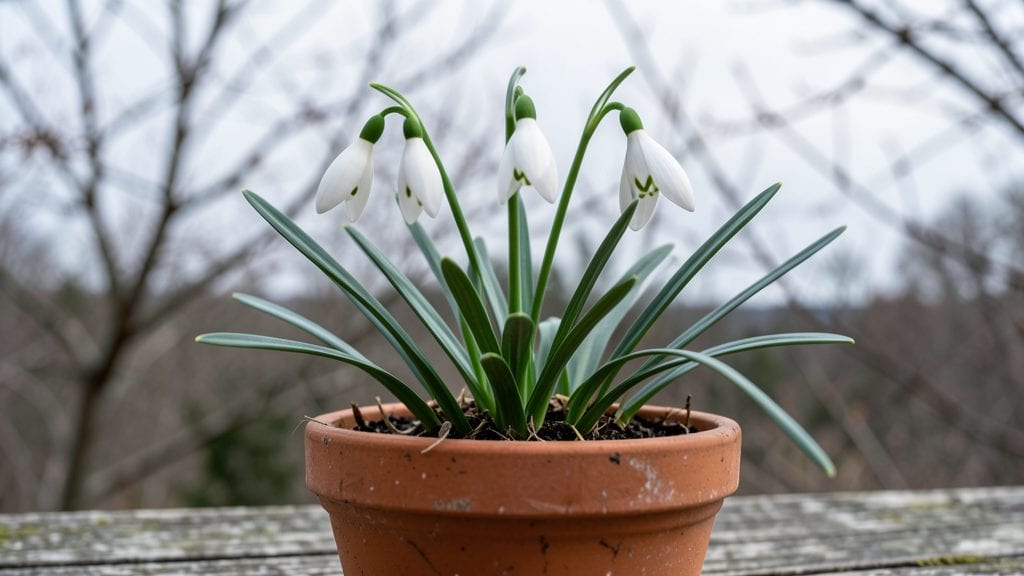
The delicate snowdrop flower in January is nature’s first whisper that spring isn’t just a promise—it’s here. Snowdrops push through snow and ice every year, their delicate white bells ringing like tiny bells announcing the end of winter's grip.
I've watched them emerge in my own garden, their green shoots breaking through last year's fallen leaves like nature's stubborn optimism.
The secret to their success lies in their timing and placement. Plant them in fall when soil is still warm, and they'll establish roots before winter's worst.
They thrive in partial shade where other plants give up, and their low-maintenance nature means you'll spend more time admiring them than fussing over them. My own patch multiplies every year with almost no effort from me.
Imagine your garden in late January: snowdrops nodding in the breeze while everything else sleeps. Their subtle fragrance and cheerful presence create a calming focal point that transforms bare winter gardens into early-season masterpieces. They pair beautifully with hellebores, winter pansies, and evergreen shrubs for a cohesive look that lasts.
Perfect for cold climates, containers, or woodland gardens, snowdrops bring joy with minimal care. Whether you're a seasoned gardener or just starting, these resilient blooms prove that beauty thrives even in the darkest months. Let's make your January garden sing with them.
📚 In This Guide
- What you need
- Instructions
- Tips and common mistakes
- Wrapping up and next steps
What you need
- ● Snowdrop bulbs: Quantity: 5-10 bulbs (for a small patch) or 20+ bulbs (for a full border)
- ● Varieties: Galanthus nivalis (classic white) or Galanthus elwesii (larger blooms)
- ● Size: 1-2 inches in diameter (firm and plump)
- ● Planting location: Spot with partial shade to full shade (dappled sunlight is ideal)
- ● Well-draining soil (snowdrops hate soggy roots!)
- ● Sheltered from harsh winds (they’re delicate but tough!)
- ● Tools: Hand trowel or bulb planter
- ○ Garden gloves (optional but helpful for messy soil)
- ● Measuring tape or ruler (for spacing)
- ● Mulch (e.g., shredded bark or straw, 1-2 inches thick)
- ○ Optional (but helpful!): Compost or slow-release fertilizer (low in nitrogen)
- ● Garden twine or stakes (to mark planting spots if needed)
- ● Watering can with a fine rose (for gentle hydration)
- ● Garden journal (to track blooming times and varieties!)
Step-by-Step instructions for planting snowdrops in January
Here's how to bring early spring's first blooms to your garden while they're still dormant.
Choose the Right Location
Snowdrops thrive in partial shade, where they receive 4-6 hours of morning sun and afternoon shade. I always pick spots under deciduous trees or along north-facing walls—they get filtered light without scorching. Avoid full sun, which can dry out the soil too quickly and stress the bulbs.
Test your spot by observing it throughout the day. If the area stays damp but doesn't pool water, it's ideal. Snowdrops prefer well-draining soil, so if your ground stays soggy, add a 2-inch layer of gritty sand or perlite to improve drainage before planting.
Prepare the Soil and Plant Bulbs
Loosen the soil to a depth of 6-8 inches with a garden fork or trowel. This helps roots spread without resistance. Work in 2-3 inches of compost to enrich the soil naturally—snowdrops appreciate nutrient-rich ground but won't tolerate heavy, clay-heavy mixtures.
Plant bulbs 2-3 inches deep and 2-3 inches apart in small clusters of 3-5. The pointed end should face up. If you're unsure which end is up, don't worry—snowdrops will grow regardless, though they may take slightly longer to bloom. Water gently after planting to settle the soil around the bulbs.
Mulch and Protect from Harsh Weather
Spread a 2-inch layer of organic mulch like shredded leaves or straw over the planted area. This insulates the soil, keeping roots from freezing during late winter dips. Mulch also prevents soil heaving—a common issue when frozen ground expands and contracts.
In areas with heavy snowfall, add a light layer of burlap or frost cloth over the mulch to shield the bulbs from compacting snow. Remove it in early spring once temperatures stabilize above 32°F. Avoid heavy mulch or rocks, which can smother the emerging shoots.
Monitor and Encourage Growth
Snowdrops are tough, but they do best with minimal disturbance. Check for sprouts in late winter—you'll see slender, dark green shoots pushing through the soil around February. Water lightly if the ground feels bone-dry, but avoid overwatering; soggy soil can rot the bulbs.
Once blooms appear (usually March), let nature take its course. Deadhead spent flowers only after they've fully withered, as this prevents seed production and encourages the bulb to focus on next year's growth. Fertilize lightly in early fall with a balanced 10-10-10 formula to support future blooms.
Maintain for Long-Term Beauty
Snowdrops multiply over time, so divide clumps every 3-4 years in early fall. Dig up the bulbs, separate the offsets, and replant them in fresh soil. This keeps the display dense and prevents overcrowding, which can reduce flower production.
Watch for pests like squirrels or rodents, which may dig up bulbs for food. Scatter gravel or chicken wire lightly over the planting area if you notice disturbance. With proper care, your snowdrops will naturalize and return year after year, brightening your garden long before spring officially arrives.
Tips & tricks for planting snowdrops in January
Here's what nobody tells you about getting snowdrops to thrive in winter's harshest conditions.
Location Intelligence: Those 4-6 hours of morning sun are non-negotiable for snowdrops. I learned this the hard way after planting them in full shade—my first batch barely bloomed. Look for spots where sunlight hits early in the day but disappears by mid-morning. North-facing walls or the east side of evergreen trees work perfectly. The afternoon shade prevents the soil from drying out too quickly, which is crucial when temperatures dip below freezing at night.
Soil Preparation Secret: The 6-8 inch soil loosening in Step 2 isn't just about breaking up compacted earth—it's about creating an oxygen-rich environment for those delicate roots. I recommend adding a handful of coarse sand to your compost mixture if your soil is particularly dense. This improves drainage without altering the nutrient balance snowdrops love. Remember, they prefer soil that's moist but never soggy—think of it as a damp sponge rather than a swamp.
Winter Protection Strategy: That 2-inch mulch layer in Step 3 is your snowdrop's winter blanket. For extra insulation in areas with heavy snowfall, I add a layer of burlap over the mulch during the coldest months. The key is to remove it as soon as temperatures consistently stay above 32°F—usually around late February in most climates. This prevents the bulbs from overheating when spring arrives. I've seen gardeners leave protective coverings too long, which actually suffocates the emerging shoots.
Pest Prevention: Snowdrops may look delicate, but they're surprisingly tough against pests. The gravel or chicken wire mentioned in Step 5 works wonders against squirrels and rodents, but I've found that planting snowdrops in clusters of 3-5 (as suggested) creates a natural deterrent too. Animals are less likely to dig up a dense planting than scattered individual bulbs. For added protection, consider planting near daffodils or alliums—their strong scent repels many bulb-loving pests.
Pro Tips for Snowdrop Flower January
- Here's what nobody tells you about getting snowdrops to thrive in winter's harshest conditions.
- Location Intelligence: Those 4-6 hours of morning sun are non-negotiable for snowdrops.
- Soil Preparation Secret: The 6-8 inch soil loosening in Step 2 isn't just about breaking up compacted earth—it's about creating an oxygen-rich environment for those delicate roots.
Frequently asked questions
Got questions about these cheerful winter harbingers? You’re not alone! Here are answers to the most common queries about snowdrop flowers in January—from care tips to symbolism.
When exactly do snowdrops bloom in January?
Snowdrops typically bloom between late January and early February, though timing depends on your climate. In milder regions (like the UK or Pacific Northwest), they may appear as early as December. In colder zones, wait until February—patience pays off! Hardy varieties like Galanthus nivalis are the first to pop up.
Can I grow snowdrops from grocery store bulbs?
Unfortunately, no! Store-bought snowdrop bulbs are often pre-treated for display and won’t survive replanting. For success, buy bare-root bulbs from specialty nurseries (e.g., Snowdrop Society) or divide established clumps in autumn. Pro tip: Plant in dappled shade under trees—they thrive where others struggle.
Are snowdrops toxic to pets or kids?
Yes, snowdrops contain alkaloids that can cause mild stomach upset if ingested. Symptoms include drooling, vomiting, or lethargy. Keep them out of reach of curious pets or toddlers. If poisoning is suspected, contact your vet or ASPCA Poison Control immediately.
Why aren’t my snowdrops blooming this year?
Common culprits include:
- Too much shade: They need some light (6+ hours/day).
- Overcrowding: Divide clumps every 3–4 years.
- Poor drainage: They hate soggy soil. Amend with grit if needed.
- Dormancy: Young plants may take 2–3 years to bloom.
Give them a light winter mulch (like leaf mold) to protect roots!
What do snowdrops symbolize in January?
Snowdrops embody hope, renewal, and resilience—perfect for January’s gray skies! In folklore, they’re called “January’s harbingers” because their blooms signal spring’s approach. Victorian flower language associated them with pure love and consolation. A bouquet makes a heartfelt gift for new beginnings or sympathy.
Can I force snowdrops indoors for early blooms?
Yes! Place potted snowdrops in a cool, dark spot (40–50°F) for 6–8 weeks, then move them to bright, indirect light. They’ll bloom weeks early but may fade faster. Use a pebble tray to keep humidity high—ideal for forcing. Just don’t let them bake in sunlight!
Wrapping up and next steps
The snowdrop flower isn’t just a delicate harbinger of spring—it’s a symbol of resilience, hope, and quiet beauty that thrives even in January’s chill.
Whether you’re admiring their frost-defying charm in nature, cultivating them in your garden, or simply embracing their meaning as a January muse, these tiny blooms remind us that light can emerge from the darkest months. 🌱
Ready to bring a little more magic into your winter? Start small: plant a few snowdrops, press a bloom into a journal, or simply take a moment to appreciate their tenacity. Every act of connection with nature is a step toward brighter days ahead!