
Flowers
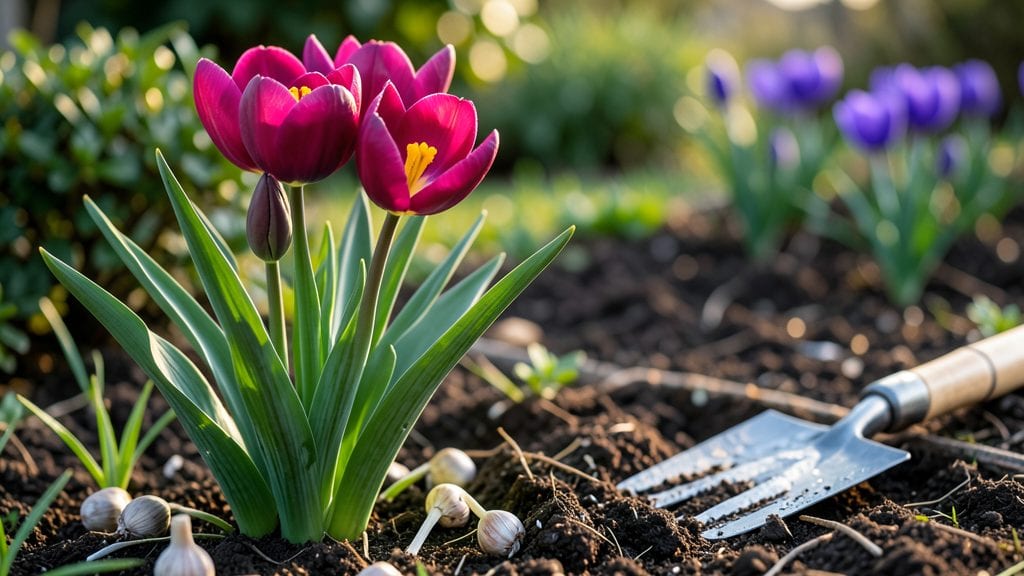
Creating spring flower beds that buzz with life starts with a few strategic choices that keep your garden vibrant long after the season ends. 🌸 The Pacific Northwest’s cool, damp climate means we can’t just rely on summer blooms—we need plants that thrive from early spring through fall, feeding pollinators when they need it most.
My first year trying this, I nearly gave up when my beds looked bare by July, but swapping out a few plants made all the difference.
The secret lies in layering spring-blooming bulbs like daffodils and tulips with perennials such as bee balm and catmint, which take over as the weather warms. These combos ensure continuous color and nectar without constant replanting.
A 4-inch layer of mulch keeps moisture in and weeds out, while a light soil amendment (like composted leaves) gives roots the boost they need after winter. Trust me, skipping this step means fighting dry soil and stunted growth all season.
By late June, your beds should be a pollinator magnet—hummingbirds darting between blooms, bees packing pollen, and butterflies sipping nectar. The key is choosing plants that bloom in succession, so there’s always something in flower.
Even in rainy years, the right mix stays lush and productive, giving you that year-round interest without extra work. The first time I saw monarchs landing on my catmint in October, I knew I’d cracked the code.
This approach works for any Pacific Northwest garden, from sunny front yards to shady woodland edges. The only real challenge is resisting the urge to over-plant—less is more when you pick the right performers. Let’s get those beds buzzing with life!
📚 In This Guide
- What you need
- Instructions
- Tips and common mistakes
- Wrapping up and next steps
What you need
- ● Native & Pollinator-Friendly Seeds/Plants: 10–20 lbs of Pacific Northwest native wildflower seeds (e.g., Lupinus polyphyllus (Lupine), Eschscholzia californica (California Poppy), Achillea millefolium (Yarrow), Symphyotrichum subspicatum (Douglas Aster)).
- ● 5–10 potted plants of Salvia, Penstemon, or Ceanothus (for instant color and pollinator appeal).
- ● Soil Amendments: 50 lbs of compost or well-rotted manure (improves drainage and fertility).
- ● 2–3 lbs of organic mulch (cedar or pine bark chips to retain moisture).
- ● Watering Supplies: A soaker hose or drip irrigation system (10–20 ft length, depending on bed size).
- ● A watering can (2–5 gallons) for spot-watering seedlings.
- ● Tools: 1 garden shovel or spade.
- ● 1 garden fork (for aerating soil).
- ● 1 pruners (bypass pruners for clean cuts).
- ● 1 hand trowel (for transplanting small plants).
- ● 1 wheelbarrow (for hauling soil/amendments).
- ● 1 measuring tape (to plan spacing).
- ○ Optional: knee pads or a stool for comfort.
- ● Pollinator-friendly accessories: 1–2 bee houses or butterfly feeders.
- ● Small solar-powered lights (to highlight beds at night).
- ● Design elements: Decorative garden stakes or stone borders.
- ● Mulch edging tools for clean lines.
- ● Safety: Garden gloves (nitrile-coated for durability).
- ● Sunscreen and a wide-brimmed hat (PNW sun can sneak up on you!).
How to create Pacific Northwest pollinator-friendly flower beds
Here's how to design flower beds that keep bees buzzing year-round in our damp, mild climate.
🌱 Step 1: Choose Native Perennials for Season-Long Blooms
Focus on plants that thrive in Pacific Northwest conditions—think 6-8 hours of sun and moist but well-draining soil. Start with shrubby cinquefoil (for early spring), Pacific coast iris (mid-season), and beardtongue (late summer). These natives provide nectar from March through October without needing summer watering.
Space plants 18-24 inches apart to allow airflow and prevent fungal diseases common in our damp summers. I like to group them in odd-numbered clusters—three plants here, five there—to create natural-looking drifts that pollinators instinctively follow. The key is variety: include plants that bloom at different times so there's always something in flower.
🪴 Step 2: Prepare the Soil for Moisture-Loving Roots
Test your soil first—Pacific Northwest gardens often have acidic, compacted soil. Amend with 2-3 inches of compost mixed into the top 6 inches of soil. For heavier clay soils, add 1 part perlite to 3 parts soil to improve drainage while retaining moisture. I swear by a 5-10-10 fertilizer worked into the soil at planting time to give roots a strong start.
Dig planting holes twice as wide as the root ball but only as deep. This encourages roots to spread horizontally rather than settling into a deep hole where they'll suffocate. Water each hole thoroughly before planting—you want the soil to be evenly moist but not soggy when you handle it.
☀️ Step 3: Layer Plants by Height and Bloom Time
Start with taller plants (3-4 feet) at the back—think Oregon grape or sword fern—then add mid-height perennials (18-24 inches) like yarrow or lupine in the middle. Finish with low-growing ground covers (6-12 inches) such as creeping thyme or salal at the front. This creates a natural tiered effect that pollinators navigate easily.
Here's the thing—don't crowd the tallest plants. Give them 24-36 inches of space so they don't shade out the smaller flowers below. I like to sketch a rough layout first, marking where each plant will go. This prevents that "oh no" moment when you realize the iris you love will be hidden by the big rhododendron behind it.
💧 Step 4: Establish a Watering Routine for First Season
Water deeply 2-3 times per week during the first growing season to encourage deep root growth. In our climate, morning watering is best—it gives plants a full day to dry out before evening humidity sets in. You'll know you're doing it right when the soil feels damp 3-4 inches down after watering, not just at the surface.
After the first year, most of these natives will be established and drought-tolerant. That's when you can ease up to once a week in summer, focusing on new plantings. Mulch with 3-4 inches of wood chips to retain moisture and suppress weeds—just keep it 2 inches away from plant stems to prevent rot.
✂️ Step 5: Maintain for Continuous Pollinator Support
Deadhead spent blooms on annuals like California poppies to encourage more flowers, but leave seed heads on perennials like beardtongue and goldenrod—they provide food for birds and overwintering insects. I cut back brown foliage in late winter (February-March) to make room for fresh spring growth, but never before the first signs of new shoots.
Fertilize lightly in early spring with half-strength 10-10-10—these plants don't need much. The real secret is dividing clumps every 3-4 years in early spring. This keeps plants vigorous and prevents overcrowding that leads to fewer flowers. You'll know it's time when you see fewer blooms or more bare soil in the center of the plant.
Tips & tricks for perfect spring flower beds
Creating a pollinator haven doesn't have to be guesswork—these practical tips will help you craft a thriving garden that keeps bees buzzing all season.
Plant Selection Strategy: In Step 1, when choosing your native perennials, prioritize plants with different bloom times to create a continuous nectar source. I always include early bloomers like shrubby cinquefoil (March-April) paired with mid-season stars like Pacific coast iris (May-July) and late summer workhorses like beardtongue (August-September). This staggered approach ensures pollinators always have fresh forage, especially during our famously rainy springs when other gardens often fail.
Soil Prep Secret: For Step 2, don't skip the soil test—Pacific Northwest gardens often need more compost than you'd think. I've seen gardens where people added just 1 inch of compost and wondered why their plants struggled. Aim for that full 2-3 inches mixed into the top 6 inches of soil. For clay-heavy areas, the 1:3 perlite mix is worth the effort—it prevents that dreaded summer sogginess while still holding moisture for roots. Pro tip: Work in the 5-10-10 fertilizer while the soil is moist for even distribution.
Design Layout Tip: When layering plants in Step 3, think vertically first. That 3-4 foot Oregon grape at the back shouldn't just look pretty—it should create a natural windbreak for smaller flowers. I sketch my beds on graph paper using the height ranges (tall/mid/low) as guides. This prevents that common mistake of planting tall flowers too close to the front where they'll block sunlight from reaching your 6-12 inch ground covers like creeping thyme.
Watering Wisdom: The 2-3 times per week watering schedule in Step 4 is perfect, but timing matters just as much. I set a reminder for 7-8 AM—morning watering prevents fungal diseases that thrive in our damp evenings. Here's what I watch for: After watering, stick your finger 3-4 inches deep—if it comes out dry, you need to water again. This simple check saves me from both underwatering and drowning my plants.
Pro Tips for Spring Flower Beds
- Creating a pollinator haven doesn't have to be guesswork—these practical tips will help you craft a thriving garden that keeps bees buzzing all season.
- Plant Selection Strategy: In Step 1, when choosing your native perennials, prioritize plants with different bloom times to create a continuous nectar source.
- Soil Prep Secret: For Step 2, don't skip the soil test—Pacific Northwest gardens often need more compost than you'd think.
Frequently asked questions
Got questions about creating or maintaining spring flower beds in the Pacific Northwest? You’re in the right place! Here are some of the most common queries—and their answers—to help you build a thriving pollinator haven.
When is the best time to plant spring flower beds in the PNW?
The ideal window is late winter to early spring (February–March), once the soil is workable but before the first warm spells. For tender perennials or annuals, wait until after the last frost (typically April in most of the PNW). Pro tip: Start seeds indoors 6–8 weeks before your last frost date for a head start!
Which flowers attract the most pollinators?
Prioritize native PNW favorites like oregano, penstemon, lupine, and yarrow—they’re packed with nectar and pollen. Non-natives like bee balm, lavender, and coneflowers also draw buzzing visitors. Bonus: Cluster plants in groups (3+ of each) for better visibility to pollinators!
How often should I water new flower beds?
Water deeply 2–3 times per week during the first month to encourage root growth, then taper to 1–2 times weekly (or as needed). The PNW’s damp climate means you’ll water less than in drier regions, but mulch heavily (2–3 inches) to retain moisture. Watch for: Wilting leaves or dry soil 1–2 inches down.
Can I use containers or raised beds for spring flowers?
Containers and raised beds work great for small spaces or poor soil. Use well-draining mix with compost, and choose compact varieties like pansies, sweet alyssum, or dwarf daffodils. Just ensure containers have drainage holes and get at least 6 hours of sun daily. Pro move: Add a slow-release fertilizer at planting for extra vigor.
How do I keep pests (like slugs or aphids) away?
PNW slugs and aphids love tender new growth! Prevent slugs with copper tape around beds or beer traps (yes, really!). For aphids, spray with soapy water or introduce ladybugs. Encourage diversity: Marigolds and garlic chives repel pests naturally. Last resort: Handpick pests early in the morning.
What if my flower bed looks sparse by summer?
Don’t worry—many PNW natives (like lupine) take time to establish. Fill gaps with fast-growing annuals like cosmos or zinnias, or add ground covers (e.g., creeping thyme) to suppress weeds. Deadhead spent blooms to encourage more flowers, and fertilize lightly in early summer if growth stalls.
Wrapping up and next steps
Transforming your Pacific Northwest garden into a pollinator haven with year-round nectar is easier—and more rewarding—than you think! 🌸 By blending native perennials, seasonal blooms, and thoughtful design, you’ve created a space that supports bees, butterflies, and hummingbirds while bringing joy to your own backyard. Your efforts don’t just beautify the landscape—they help sustain local ecosystems!
Ready to take it further? Start small:
- Add a water source (like a shallow dish) to attract more pollinators.
- Expand with deer-resistant plants (e.g., lavender or salvia) for low-maintenance blooms.
- Share your progress—inspire neighbors to plant for pollinators too!