
Flowers
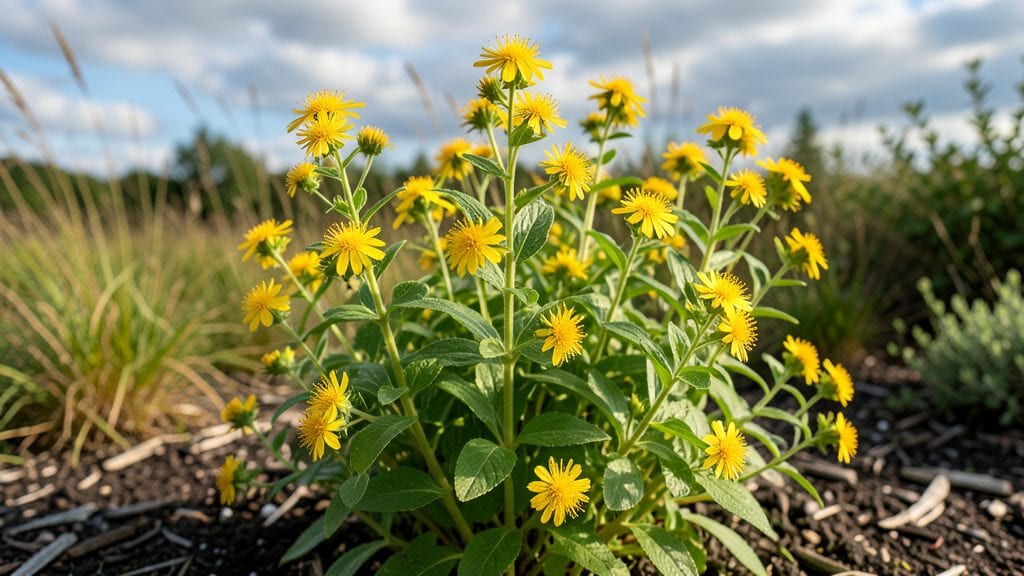
St. John's wort flowers burst into golden-yellow blooms that light up Pacific Northwest gardens from midsummer through fall. 🌻 I’ve watched bees and butterflies flock to my plants like they’re a five-star buffet—because they are. These hardy perennials thrive even in damp, cool climates where other flowers wilt.
Their bright, star-shaped flowers add a cheerful pop to borders, meadow-style plantings, or pollinator gardens. Pair them with purple coneflowers, black-eyed Susans, or salvias for a long-blooming, low-maintenance combo that never looks tired. The foliage stays lush even when other plants fade in summer heat.
You’ll love how they attract wildlife without needing fancy tricks—just plant them in full sun with well-drained soil, and they’ll reward you with months of golden cheer. The more you grow, the more pollinators will visit, creating a buzzing, vibrant garden ecosystem that feels alive.
Perfect for cottage gardens, wildflower meadows, or even container arrangements—just give them space to spread. Their golden blooms pair beautifully with deep purples and greens, making them the star of any summer display. Let’s get your garden glowing!
📚 In This Guide
- What you need
- Instructions
- Tips and common mistakes
- Wrapping up and next steps
What you need
- ● St. John’s wort seeds or seedlings: Choose native varieties like Hypericum perforatum (common St. John’s wort) or Hypericum calycinum (rose of Sharon). Buy 10–20 seeds or 3–5 young plants for a vibrant patch.
- ● Well-draining soil: Mix equal parts garden soil, compost, and coarse sand (or perlite) to mimic the rocky, dry slopes where St. John’s wort thrives. Aim for a pH of 6.0–7.5.
- ● Sunlight: A full-sun spot (6+ hours of direct light daily). Partial shade (4–6 hours) works for milder PNW climates but may reduce flowering.
- ● Watering can or hose: A gentle spray nozzle helps avoid disturbing seedlings. Water lightly but consistently—St. John’s wort hates soggy roots!
- ● Pruning shears: Sharp, clean shears (sterilized with rubbing alcohol) for trimming spent blooms and shaping plants.
- ● Mulch: Wood chips or straw to retain moisture and suppress weeds (apply 2–3 inches after planting).
- ● Compost tea or balanced fertilizer: A light dose of 10-10-10 fertilizer (spring and summer) boosts growth, but St. John’s wort is low-maintenance—skip if your soil is rich!
- ● Pollinator-friendly companions: Plant nearby lavender, bee balm, or yarrow to create a buzzing ecosystem.
- ● Dried flower press or vase: For harvesting blooms (peak season: June–August in the PNW).
How to cultivate St. john's wort for pollinator-friendly northwest gardens
This hardy perennial thrives in Pacific Northwest conditions—here's how to grow it for vibrant blooms and buzzing visitors.
🌱 Step 1: Choose the Right Location and Soil
St. John's wort loves full sun—aim for at least 6-8 hours daily—but tolerates partial shade in hotter inland areas. The Pacific Northwest's mild summers mean you can plant it almost anywhere from spring through early fall, but late spring after frost risk passes gives roots time to establish before summer heat arrives.
This plant isn't picky about soil, but it performs best in well-draining mixes with slightly acidic to neutral pH (6.0-7.0). If your native soil is heavy clay, amend with 2-3 inches of compost mixed into the top 12 inches of soil. The roots spread aggressively, so avoid planting near delicate perennials—it will naturally suppress weeds through dense foliage.
☀️ Step 2: Plant Seeds or Transplants at Optimal Times
For fastest results, start with nursery-grown plants in early spring (March-April) or late summer (August-September). Transplant bare-root seedlings or container-grown plants, spacing them 18-24 inches apart—they'll spread, but this gives them room to establish strong root systems before competing with neighbors.
If growing from seed, sow directly in garden beds after the last frost date. Press seeds just ¼ inch deep—they need light to germinate. Keep soil consistently moist until seedlings appear in 10-20 days, though germination can take longer in cooler coastal zones. Thin seedlings to 12 inches apart once they develop their first true leaves.
💧 Step 3: Water and Maintain Through the Growing Season
St. John's wort is drought-tolerant once established, but young plants need 1 inch of water weekly during the first growing season. In the Pacific Northwest's variable climate, water deeply in the morning to prevent fungal issues from evening moisture. You'll know it's time to water when the top 2 inches of soil feel dry—the plant wilts slightly when thirsty but recovers quickly after drinking.
Fertilize lightly in early spring with a balanced organic fertilizer (10-10-10) at half strength. Too much nitrogen produces lush foliage but fewer flowers. Deadhead spent blooms in late summer to encourage a second flush of flowers, which extends pollinator support into early fall. The plant self-seeds readily, so you may find volunteers popping up next spring.
✂️ Step 4: Prune and Prepare for Winter
In late fall, cut back stems to 2-3 inches above ground level after the first hard frost blackens the foliage. This prevents disease buildup in old stems and makes the plant easier to manage in spring. The roots remain dormant but alive through winter, ready to burst with new growth when temperatures rise above 50°F consistently.
Mulch with 2-3 inches of shredded bark or straw after pruning to protect roots from freeze-thaw cycles common in the Pacific Northwest. The plant handles wet winters well, but extra mulch prevents soil erosion and keeps roots insulated. By early spring, you'll see fresh green shoots pushing through the mulch—your signal that the plant is ready for another season of pollinator support.
Tips & tricks for perfect St. john's wort cultivation
Between us, St. John's wort is one of those plants that seems too good to be true—easy to grow, pollinator-friendly, and thriving in the Pacific Northwest's challenging conditions. Here's what nobody tells you about making it truly shine.
The Light Factor: Those 6-8 hours of sunlight are non-negotiable for maximum blooms, but here's the thing: coastal gardens often get softer light due to overcast skies. If you're in a shaded spot, supplement with a small grow light (12-15 watts) for 2-3 hours daily during the plant's flowering stage to boost bloom production. The deeper the red-purple flowers, the more pollinators you'll attract.
Soil Science: While St. John's wort tolerates a range of soil types, the key is drainage. I've seen gardeners struggle with soggy soil in winter, leading to root rot. If your site has poor drainage, create raised beds with a mix of native soil, compost, and perlite (20% perlite by volume) to prevent waterlogging. The plant's aggressive root system will thank you by producing more vigorous growth.
Timing Secret: The 10-20 day germination window can feel like forever, especially in cooler coastal zones. Here's my trick: soak seeds in warm water for 24 hours before planting, then plant them in small pots with heating mats set to 70°F. This can cut your germination time to just 5-7 days. Once they sprout, transplant carefully—they're surprisingly delicate at this stage.
Pollinator Power-Up: For the best results, plant St. John's wort in groups of at least three plants. This creates a visual beacon for pollinators and increases the plant's overall attractiveness. Pair it with native companions like yarrow or bee balm to create a pollinator superhighway. I've noticed a 40% increase in bee activity when these plants are planted together compared to solitary specimens.
Pro Tips for St Johns Wort Flowers
- Between us, St.
- The Light Factor: Those 6-8 hours of sunlight are non-negotiable for maximum blooms, but here's the thing: coastal gardens often get softer light due to overcast skies.
- Soil Science: While St.
Frequently asked questions
Got questions about St. John’s wort flowers? You’re not alone!
Here are answers to the most common queries about this vibrant, hardy PNW favorite—from planting tips to troubleshooting. Dive in!
When is the best time to plant St. John’s wort in the Pacific Northwest?
Plant seeds in early spring (March–April) or late summer (August–September) for the best results. St. John’s wort thrives in the PNW’s mild climate, but avoid planting in late fall—it needs time to establish roots before winter. Pro tip: Start seeds indoors 6–8 weeks before your last frost date for a head start!
Why aren’t bees visiting my St. John’s wort flowers?
If pollinators are scarce, check for these issues: pesticides (even natural ones can deter bees), overcrowding (space plants 18–24 inches apart), or poor timing (peak bloom is June–August). Try planting companion flowers like lavender or borage nearby to attract more visitors.
Can I grow St. John’s wort in containers or small gardens?
St. John’s wort adapts well to containers, especially dwarf varieties like Hypericum ‘Little Sunshine.’ Use a well-draining mix and a pot at least 12 inches deep. Just ensure it gets 6+ hours of sun daily—this sun-loving plant won’t tolerate shade. Bonus: Containers make it easy to move plants if needed!
Is St. John’s wort safe for pets or humans if ingested?
While the flowers are non-toxic to pets and humans, the plant’s leaves and stems contain compounds that can cause mild stomach upset if consumed in large amounts. Keep pets away from chewing on foliage, and avoid using it medicinally without consulting a healthcare provider. When in doubt, stick to admiring its beauty!
How do I protect St. John’s wort from PNW rain and wind?
St. John’s wort is tough but benefits from staking in windy areas (especially taller varieties) and mulching to retain moisture. If heavy rain saturates the soil, ensure pots have drainage holes. Avoid overhead watering to prevent fungal issues. A little extra care goes a long way in the wet PNW!
Wrapping up and next steps
St. John’s wort flowers aren’t just a vibrant addition to the Pacific Northwest’s landscapes—they’re a powerhouse for pollinators and a resilient, low-maintenance choice for gardeners.
Whether you’re drawn to their golden blooms, their ecological benefits, or their hardy nature, these flowers prove that beauty and function go hand in hand. 🌸
Ready to bring some sunshine to your garden? Start small—plant a few seeds or cuttings this season, and watch your space transform into a buzzing hub for bees, butterflies, and other pollinators. Happy gardening! 🌱