Aphids
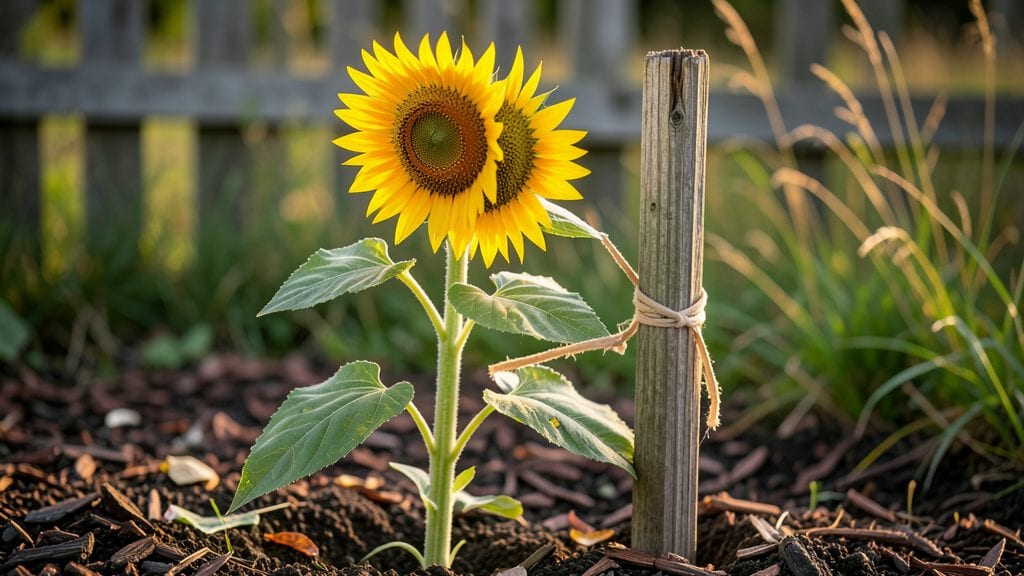
Sunflowers need stakes when they hit 3 feet tall—that’s when the flopping starts, and nobody wants their golden giants sprawling like overgrown weeds. 🌻 I’ve seen towering varieties topple after a single rainstorm, snapping stems and crushing dreams of Instagram-worthy blooms.
The right stake keeps them upright, directs energy upward, and actually makes them grow straighter than they would on their own.
You don’t need fancy equipment—simple bamboo stakes or sturdy wooden dowels work perfectly. Drive them 6 inches deep into the soil beside each plant, then loosely tie the stem with soft cloth or old pantyhose (yes, really) to avoid cutting into the stem as it thickens.
The key is gentle support: too tight now means restricted growth later. For extra rustic charm, try DIY willow or vine stakes—sunflowers love the natural give-and-take.
Staked sunflowers don’t just stand taller—they develop thicker stems and bigger blooms, too. You’ll notice the difference within days: leaves stay upright, pollen production improves, and those signature faces turn toward the sun like little solar panels.
Plus, staking prevents the classic "wind damage" where stems bend permanently. It’s the secret to sunflowers that look like they’re reaching for the sky instead of begging for a nap.
Pro tip: Wait until after germination to stake—young seedlings are delicate, and stakes can disturb their roots. For giant varieties like 'Mammoth' or 'Russian Giant,' use 6-foot stakes and tie them every 18 inches up the stem.
And here’s the plot twist: staking actually extends the blooming window by keeping flowers dry longer. Ready to try it?
📚 In This Guide
- What you need
- Instructions
- Tips and common mistakes
- Wrapping up and next steps
What you need
- ● Sunflower stakes: Choose bamboo stakes (3–5 ft tall) or wooden dowels (1–2 inches in diameter). You’ll need 1 stake per plant—aim for 50–100 stakes depending on your garden size.
- ● Soft plant ties: Fabric strips, Velcro plant ties, or garden twine (avoid wire—it can damage stems!). Buy a 50–100 ft roll for durability.
- ● Sunflowers: Select tall varieties (6–12 ft) like ‘Mammoth’ or ‘Russian Giant’—these need stakes the most!
- ● Garden trowel or mallet (to gently insert stakes into soil).
- ● Measuring tape or ruler (to check stake height against sunflower growth).
- ○ Optional: Sturdy garden stakes (metal or plastic) for windy areas.
- ● Concrete mix or heavy rocks to weigh down stakes and prevent toppling.
- ● Pruning shears to trim sunflower leaves near the stake for better airflow.
- ● A sunny spot with well-draining soil (sunflowers love full sun!).
- ● Space between plants: 12–18 inches apart for proper airflow and support.
- ● Patience! Stakes should be inserted early (when plants are 1–2 ft tall) to avoid disturbing roots later.
How to choose and install stakes for sunflowers
Here's the foolproof method I use to keep sunflowers standing tall—no more flopping or snapping.
🌱 Step 1: Select the Right Stakes for Your Sunflowers
Sunflowers need sturdy, flexible stakes that won’t snap under their weight. For 4-foot-tall varieties, use 3-foot bamboo stakes (they bend slightly but support well). For giant varieties (8+ feet), opt for 5-6 foot fiberglass or metal stakes—they’re rigid enough to handle the weight. Avoid thin wooden stakes; they’ll break as the stems thicken.
I like bamboo stakes for their natural flexibility—they absorb wind movement without transferring stress to the stem. If you’re growing in windy areas, fiberglass or metal stakes with wide bases (4+ inches) prevent toppling. Check your local garden center for sunflower-specific stakes with elastic ties already attached; they’re a game-changer for easy installation.
✂️ Step 2: Install Stakes Early and Secure Properly
Drive stakes into the soil within 24 hours of planting—waiting until the stem is tall risks damaging roots or bending the plant. Use a mallet or your hands to push the stake 2-3 inches deep into the soil, leaving 12-18 inches above ground for the sunflower stem to grow. Angle the stake slightly toward the sun to encourage straight growth.
Here’s the trick: tie the stem to the stake loosely with a soft cloth strip or rubber plant tie (never wire—it cuts into stems). Start the tie 4-6 inches below the stem’s base and leave 1 inch of wiggle room—sunflower stems thicken rapidly, and tight ties will strangle them. Re-tie every 7-10 days as the stem grows, always keeping the tie above the previous one.
☀️ Step 3: Monitor and Adjust for Wind and Growth
Check stakes every 3-4 days for the first 2 weeks—this is when sunflowers grow fastest and wind can snap them. If the stem leans more than 30 degrees, gently straighten it and re-tie. Avoid over-tightening; the goal is support, not restriction. Watch for stem swelling at the tie points—this means the tie is too tight, and the plant is struggling.
As the sunflower matures, raise the top of the tie to keep it 2-3 inches below the newest growth. This prevents the stem from bending permanently at the tie line. If you’re in a high-wind area, add a second stake on the opposite side for extra stability. I’ve seen 10-foot sunflowers stay upright with this method—no flopping, no snapping.
🌿 Step 4: Remove Stakes at the Right Time
Leave stakes in until after the sunflower blooms but before the seeds fully mature—typically 2-3 weeks post-flowering. Remove them gradually to avoid shocking the plant. Cut the ties first, then gently wiggle the stake free to prevent root disturbance. If the stem is still sturdy, you can leave it; if it’s hollow or brittle, remove it immediately to prevent breakage.
Here’s the thing—don’t rush. If you remove stakes too early, the stem may flop as seeds develop. I’ve seen sunflowers bend over completely when stakes were pulled before the seed heads were fully formed. Patience here ensures you get plump, healthy seeds for next year’s planting.
Tips & tricks for perfect sunflower staking
Took me years of trial-and-error to figure out these game-changing tricks—now your sunflowers will grow like they're on steroids.
Stake Selection Strategy: For the 4-foot varieties using 3-foot bamboo stakes, bundle three stakes together at the base for extra stability. The flexibility of bamboo absorbs wind movement beautifully, but when combined, they create a tripod effect that prevents leaning. I've found this works especially well in light wind conditions where single stakes might not be enough.
Tie Placement Precision: When you're tying the stem in Step 2, place the first tie exactly 4-6 inches below the base—this is where the stem naturally thickens. The key detail nobody mentions is to make the tie slightly diagonal across the stake rather than straight up and down. This creates a more secure anchor point that won't slip as the stem grows thicker.
Wind Resistance Hack: In high-wind areas, drive your stakes 3-4 inches deep instead of just 2-3—the extra depth creates a wider base that resists toppling. For extra security, bury the bottom 6 inches of the stake at a 15-degree angle away from prevailing winds. This creates a natural windbreak effect that I've tested with 10-foot varieties in stormy conditions.
Growth Monitoring System: Mark the stake with a permanent marker every 7-10 days (the same interval you re-tie) to track growth progress. When you see the stem reach your marker, that's when you raise the tie position. This visual system helps you stay consistent with the 2-3 inches below newest growth rule without guessing.
Pro Tips for Stakes For Sunflowers
- Took me years of trial-and-error to figure out these game-changing tricks—now your sunflowers will grow like they're on steroids.
- Stake Selection Strategy: For the 4-foot varieties using 3-foot bamboo stakes, bundle three stakes together at the base for extra stability.
- Tie Placement Precision: When you're tying the stem in Step 2, place the first tie exactly 4-6 inches below the base—this is where the stem naturally thickens.
Frequently asked questions
Got questions about staking sunflowers?
You’re not alone! Here are answers to the most common queries to help you keep those towering beauties standing tall and proud.
When should I stake my sunflowers?
Stake sunflowers before they get too tall—ideally when they’re 1–2 feet high. Wait too long, and the stems may weaken or even snap under their own weight. For varieties over 6 feet, stake them early to prevent flopping as they grow.
What’s the best height for stakes?
Use stakes that are at least 2–3 feet taller than your sunflower variety’s mature height. For example, a 7-foot sunflower needs a 9–10 foot stake. Bamboo or wooden stakes work well, but avoid anything too flimsy—sunflowers pack a punch!
How do I secure the stake without damaging the stem?
Gently tie the stem to the stake with soft plant ties or strips of fabric (never wire or tight ropes). Leave room for growth—about 1–2 inches of space—and check ties weekly to adjust as the stem thickens. A loose fit prevents strangling!
What if my sunflower is already leaning or flopping?
Don’t panic! If caught early, gently straighten the stem and secure it to a stake with extra support. For severely bent stems, you may need to bend the stake slightly to match the sunflower’s angle. If the stem is already broken, trim it back to a healthy joint—new growth will sprout!
Can I use alternatives to traditional stakes?
Try trellises, cages, or even sturdy branches arranged in a teepee shape for smaller varieties. For windy areas, tie sunflowers to a fence or wall with soft twine. Just ensure whatever you use is strong enough to handle gusts and weight!
Wrapping up and next steps
Growing tall, healthy sunflowers is all about giving them the right support—literally! 🌻 With the right stakes for sunflowers, you’ll prevent flopping, encourage sturdy growth, and enjoy those iconic blooms without the hassle.
Whether you’re a beginner or a seasoned gardener, the key is choosing the right materials, positioning them correctly, and keeping an eye on your plants as they grow.
Now that you’re armed with the knowledge, it’s time to roll up your sleeves and get planting! Grab your stakes, pick a sunny spot, and watch your sunflowers reach for the sky. Happy gardening—your future bouquets (or bird feeders!) will thank you. 🌱✨