
Flowers
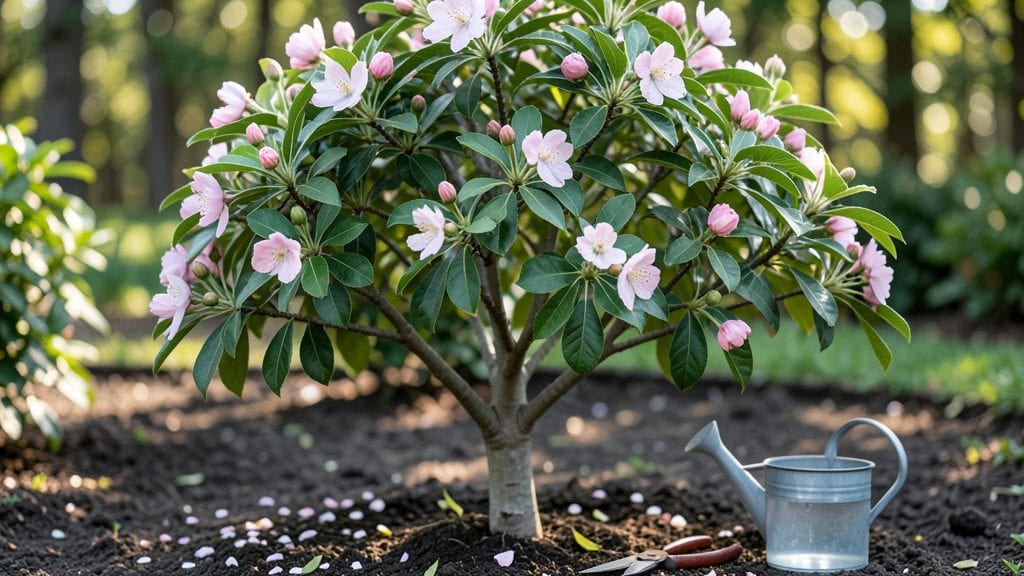
That sugar apple flower isn’t just a pretty face—it’s a year-round pollinator magnet that thrives with almost no fuss once you get the basics right. 🌿 I’ve grown them in partial shade where other plants struggle, and they’ve never once complained about the heat or humidity.
The key? Mimicking their tropical roots while keeping care simple enough for a busy gardener.
You’ll need well-draining soil, a spot that gets morning sun and afternoon shade, and patience—these aren’t overnight bloomers. But once established, they reward you with fragrant white flowers that hummingbirds and bees can’t resist, followed by those sweet, custard-like fruits.
Even in Zone 10-11 climates, they handle drought better than most tropical plants if you water deeply but infrequently.
What sets sugar apples apart is their low-maintenance nature. No deadheading required, minimal pruning, and they bounce back from pests like aphids with just a spray of soapy water.
The real magic happens when you see butterflies sipping nectar while your neighbors’ gardens sit bare—this is a plant that works harder than it looks.
Whether you’re in a subtropical microclimate or a container on a sunny patio, these flowers deliver beauty and function without the drama. Let’s get yours growing strong from the start—no green thumb required.
📚 In This Guide
- What you need
- Instructions
- Tips and common mistakes
- Wrapping up and next steps
What you need
- ● Sugar apple seeds or saplings: 1–3 (for small gardens) or 5+ (for larger pollinator havens). Opt for organic, non-GMO seeds if possible.
- ● Well-draining potting mix: 5–10 gallons (or enough to fill your containers). A blend of peat moss, perlite, and compost (3:1:1 ratio) works best.
- ● Containers or garden bed: For containers: 5–15 gallon pots (with drainage holes) per plant. Terracotta or fabric grow bags are ideal.
- ● For in-ground planting: A sunny, sheltered spot with at least 6–8 hours of light daily.
- ● Slow-release fertilizer: 1–2 cups (5–10 oz) of balanced 10-10-10 or citrus-specific fertilizer per plant.
- ● Mulch: 2–3 inches of wood chips or straw to retain moisture and suppress weeds.
- ● Gloves: 1 pair (nitrile or leather for handling thorns).
- ● Trowel or small shovel: For planting and soil prep.
- ● Watering can or hose with a gentle spray nozzle: Sugar apples hate soggy roots—aim for deep but infrequent watering.
- ● Pruning shears: Sharp, sterilized shears for trimming dead growth.
- ○ pH test kit (optional): To ensure soil pH is 6.0–7.0 (slightly acidic to neutral).
- ● USDA Hardiness Zones: 10–12 (or indoor/container growing in cooler zones). Sugar apples are tropical—they’ll need protection from frost.
- ● Temperature: Ideal range: 65–85°F (18–29°C). Avoid drafts or sudden temperature drops.
- ● Humidity: 50–70%. Use a humidifier or pebble tray if indoors.
- ● Pollinators: While sugar apple flowers are self-pollinating, bees and butterflies boost fruit production—plant near native pollinator-friendly flowers for extra help!
- ● Grow lights: For indoor growers in low-light zones (12–14 hours/day).
- ● Epsom salt: 1 tbsp per gallon of water (monthly) for magnesium boost.
- ● Compost tea: For a natural microbe-rich soil boost.
- ● Bird netting: To protect flowers/fruit from birds or squirrels (especially in fruit-bearing stages).
Step-by-Step guide to cultivating sugar apple flowers
Here's how to create a vibrant pollinator magnet with these fragrant, low-maintenance blooms.
🌱 Step 1: Select the Perfect Planting Location
Sugar apple flowers thrive in partial shade to full sun, making them ideal for understory plantings or woodland garden edges. Choose a spot that receives 4-6 hours of dappled sunlight daily—too much direct sun can scorch the delicate blooms, while too little reduces flowering intensity. I always test the site by observing how sunlight shifts throughout the day; morning sun with afternoon shade works best in most climates.
These plants prefer well-draining soil with a slightly acidic pH (6.0-6.5). If your garden soil is heavy clay, amend it with 2-3 inches of organic compost mixed into the top 12 inches of soil. The roots are sensitive to waterlogging, so avoid low-lying areas where water pools after rain. A gentle slope helps excess moisture drain away naturally.
☀️ Step 2: Plant at the Right Time and Depth
Spring is the ideal planting window, when soil temperatures reach 60°F—typically 4-6 weeks before your last frost date. Dig a hole twice as wide as the root ball but only as deep as the container's base. This prevents burying the stem too deeply, which can cause rot. Gently loosen the roots if they're circling the pot before placing the plant in the hole.
Backfill with native soil mixed with a handful of slow-release fertilizer, tamping lightly to remove air pockets. Water deeply until moisture reaches 6 inches down, then mulch with 2-3 inches of shredded bark or pine needles to retain moisture and suppress weeds. The mulch layer should never touch the stem—keep it 2 inches away to prevent moisture buildup that invites fungal diseases.
💧 Step 3: Water and Feed for Continuous Blooms
Water once weekly during the first growing season, aiming for 1 inch of moisture per week—more if your area experiences 90°F+ temperatures. Sugar apple flowers are drought-tolerant once established, but young plants need consistent moisture to develop strong root systems. I check soil moisture by inserting my finger 2 inches deep; if it feels dry, that's your cue to water.
Feed with a balanced 10-10-10 fertilizer every 6-8 weeks during the growing season, starting in early spring. Reduce feeding in late summer to encourage flower bud formation for next year's blooms. Over-fertilizing leads to lush foliage but fewer flowers, which defeats the purpose of planting these pollinator magnets. Always water the plants 24 hours before and after fertilizing to prevent root burn.
✂️ Step 4: Prune for Health and Abundant Flowers
Prune in early spring before new growth begins, removing any dead, diseased, or crossing branches that rub together. Cut back overly long stems by one-third to encourage bushier growth and more flower clusters. I always use clean, sharp pruners to make 45-degree cuts just above a leaf node—this promotes faster healing and new growth.
After the first flush of blooms fades, trim back spent flower stalks to the nearest healthy leaf. This redirects the plant's energy into producing more flowers rather than setting seed. Avoid heavy pruning in late summer, as new growth won't have time to harden off before winter. A light shaping in early fall keeps the plant tidy without stressing it.
🪴 Step 5: Protect and Maintain Year-Round
Mulch annually in early spring with 2-3 inches of fresh organic mulch to protect roots from temperature fluctuations. In USDA Zones 7 and below, apply a 4-inch layer of mulch in late fall to insulate roots during winter. Sugar apple flowers are generally cold-hardy to 15°F, but young plants benefit from light winter protection like burlap wraps if your winters dip below 20°F.
Watch for aphids or spider mites, which occasionally target new growth. A strong spray of water usually dislodges them, but for persistent infestations, apply neem oil in the evening when pollinators are less active. These flowers attract butterflies, bees, and hummingbirds, so avoid chemical pesticides that could harm beneficial visitors. Regular pruning and proper spacing reduce disease risks, keeping your pollinator haven thriving with minimal intervention.
Tips & tricks for cultivating thriving sugar apple flowers
Creating a lush pollinator garden with sugar apple flowers doesn't have to be complicated—just strategic. Here's how to maximize your success with these delicate yet hardy blooms.
Lighting Insight: While sugar apple flowers tolerate partial shade, I've found that positioning them where they receive morning sunlight and afternoon shade creates the perfect balance. Observe your garden's sun patterns for a week first—mark where sunlight hits between 8 AM and 2 PM, then place your plants accordingly. This prevents the delicate blooms from scorching while ensuring enough light for vibrant flowers. The 4-6 hours of dappled light mentioned in Step 1 is ideal, but you can extend to full sun if your climate stays mild (below 90°F).
Soil Preparation Strategy: When amending heavy clay soil with 2-3 inches of organic compost, don't just mix it into the top layer—work it down to 12 inches. I use a broadfork to loosen the soil without disturbing the roots of nearby plants. For existing garden beds, spread compost evenly and water thoroughly before planting. This creates better drainage while maintaining that slightly acidic pH (6.0-6.5) that sugar apple flowers crave. A simple pH test kit ensures you're in the right range.
Planting Depth Technique: The critical depth rule of planting only as deep as the container's base might seem simple, but it's easy to misjudge. I always check by holding the plant at the correct depth and ensuring the top of the root ball sits just below soil level. For container-grown plants, gently squeeze the sides to release roots before planting. This prevents transplant shock and encourages faster root establishment. Remember, burying too deeply suffocates the stem and invites rot.
Watering Wisdom: The once-weekly watering guideline works perfectly when temperatures stay below 90°F, but during heatwaves, increase to twice weekly. I've learned to water deeply in the morning rather than evening to reduce fungal risks. For containers, check moisture by lifting the pot—if it feels light, it's time to water. The 2-inch soil moisture check mentioned in Step 3 is foolproof, but I also watch for wilting leaves as an early warning sign.
Pro Tips for Sugar Apple Flower
- Creating a lush pollinator garden with sugar apple flowers doesn't have to be complicated—just strategic.
- Lighting Insight: While sugar apple flowers tolerate partial shade, I've found that positioning them where they receive morning sunlight and afternoon shade creates the perfect balance.
- Soil Preparation Strategy: When amending heavy clay soil with 2-3 inches of organic compost, don't just mix it into the top layer—work it down to 12 inches.
Frequently asked questions
When do sugar apple flowers bloom, and how long do they last?
Sugar apple flowers typically bloom in spring to early summer, though they may produce sporadic blooms year-round in warm climates. Each flower lasts 1-3 days—they’re stunning but fleeting! For continuous blooms, ensure your tree gets full sun (6+ hours/day) and well-draining soil.
Why aren’t my sugar apple flowers attracting pollinators?
If bees or butterflies ignore your flowers, check these fixes:
- Timing: Blooms open early morning—pollinators may miss them if they’re already wilting by midday.
- Location: Plant near native pollinator-friendly flowers (like hibiscus or bougainvillea) to lure visitors.
- Pesticides: Avoid chemicals; opt for neem oil or insecticidal soap if pests are present.
Should I prune sugar apple trees to encourage more flowers?
Yes! Prune in late winter or early spring to:
- Remove dead/diseased branches (sterilize tools with rubbing alcohol).
- Open the canopy for better airflow and sunlight.
- Trim back overly dense growth to redirect energy to flowering.
Can I grow sugar apple flowers in containers, or do they need a garden bed?
Sugar apple trees thrive in large containers (15+ gallons) with:
- Fast-draining mix (60% potting soil, 30% perlite, 10% compost).
- Drainage holes (critical—root rot is a risk!).
- Full sun access (move indoors if temps drop below 50°F).
What pests target sugar apple flowers, and how do I stop them?
Common culprits include:
- Thrips (tiny, cause streaked petals): Spray with soapy water or release beneficial ladybugs.
- Aphids (clustered on buds): Blast off with a hose or use neem oil.
- Scale insects (brown bumps): Scrape off manually or apply horticultural oil.
Wrapping up and next steps
The sugar apple flower isn’t just a stunning addition to your garden—it’s a low-maintenance, pollinator-friendly superstar that thrives with minimal effort. Whether you’re drawn to its fragrant blooms or its ability to support bees and butterflies year-round, this plant proves that beauty and sustainability go hand in hand. 🌸
Ready to transform your outdoor space? Start by gathering your supplies, choosing the perfect spot, and following the simple steps outlined above. Before you know it, your garden will buzz with life—and color!
Plant your first sugar apple flower today and enjoy the rewards of a flourishing, eco-friendly haven.