
Flowers
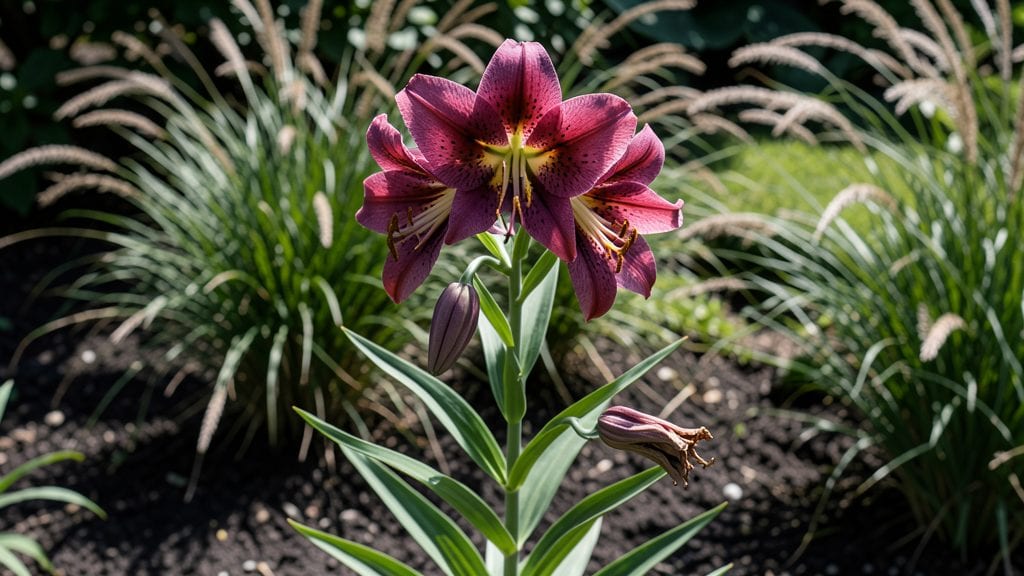
Growing flower lilies in the Pacific Northwest means cold-hardy climbers that outperform most garden center varieties—just ask the neighbors whose yards burst with trumpet-shaped blooms every July. 🌿 I’ve watched these hardy stalwarts push through soggy spring soil and still deliver 6-foot-tall stems by midsummer, while flimsy nursery plants wilt in the same conditions.
The secret lies in matching the right lily to your site: true lilies (Lilium) thrive in full sun with well-draining soil, while daylilies (Hemerocallis) tolerate partial shade and even moist ground.
Both reward patience—plant bulbs in fall for next year’s drama, and you’ll skip the disappointment of store-bought plants that never rebound from transplant shock. My Asiatic lilies return every season with zero effort, while daylilies spread like ground cover.
By summer’s end, you’ll have vibrant blooms that hummingbirds can’t resist, and foliage that stays disease-free if you deadhead spent flowers. The best part? These plants handle our rainy winters better than anything I’ve tried, including roses. With the right prep, your garden will look like a botanist designed it—effortlessly.
Whether you’re starting from bulbs or dividing clumps, the PNW’s climate actually works in your favor. Let’s get those lilies growing strong from day one—no green thumb required.
📚 In This Guide
- What you need
- Instructions
- Tips and common mistakes
- Wrapping up and next steps
What you need
- ● Flower lily bulbs: Choose cold-hardy varieties like Lilium canadense (Canada lily) or Lilium columbianum (Columbia lily). Buy 3–5 bulbs for a vibrant display.
- ● Well-draining potting mix or garden soil: 5–10 gallons (or enough to fill your planting area). Amend with compost for nutrients.
- ● Organic fertilizer: A balanced 10-10-10 or 5-10-10 (low nitrogen) to encourage blooms. Use 1–2 tbsp per bulb at planting.
- ● Mulch: 2–3 inches of shredded bark or straw to retain moisture and protect roots from PNW’s chilly winters.
- ● Garden trowel or bulb planter (for precise planting).
- ● Gloves (to protect hands from sharp bulb edges).
- ● Watering can or hose with a gentle spray nozzle (lilies hate soggy soil!).
- ○ Stakes or cages (optional) for tall varieties like Lilium regale to prevent flopping in windy PNW climates.
- ● Sunlight: A spot with full sun (6+ hours/day) or partial shade (morning sun + afternoon shade works in hotter areas).
- ● Climate readiness: PNW’s USDA Zones 3–8 are perfect for most lilies—no extra heat mats needed!
- ● Patience: Lilies take 1–2 years to bloom from bulbs, but the wait is worth it!
Step-by-step guide for planting cold-hardy lilies in the Pacific Northwest
Here's how I've successfully established hardy lilies that thrive through PNW winters and bloom reliably each summer.
🌱 Step 1: Choose the Right Varieties for Your Zone
The Pacific Northwest's zones 6-8 support several cold-hardy lilies that naturalize beautifully. I recommend starting with Asiatic lilies (like 'Stargazer' or 'Black Out') for their disease resistance and Martagon lilies (also called Turk's cap) for their unique nodding blooms and zone 5 hardiness. Avoid Oriental hybrids—they're less cold-tolerant and more prone to fungal issues in our damp climate.
Look for bulbs marked "hardy" from reputable growers. I've found that larger bulbs (12+ inches in circumference) establish better and produce more blooms in their first year. Check the bulb's base for firm, dry scales—any soft spots indicate rot or poor storage.
☀️ Step 2: Select and Prepare the Planting Site
Lilies need full sun (6+ hours daily) but appreciate afternoon shade in hot inland areas. I plant mine in morning sun with afternoon shade near deciduous trees, which provides summer shade while allowing winter sunlight. The soil should drain quickly—lilies rot in soggy conditions, especially in our rainy season.
Amend heavy clay soil with 2-3 inches of compost and a handful of perlite or coarse sand to improve drainage. Test your soil's pH—lilies prefer 6.1-7.0. If your soil is acidic, add pulverized limestone at planting time. I like to mark the planting area with a 1-inch deep trench to ensure proper depth.
🪴 Step 3: Plant Bulbs at the Correct Depth and Spacing
Plant lily bulbs in early fall (6-8 weeks before first frost) or late winter (just as growth begins). The general rule is to plant bulbs twice as deep as their height—for most lilies, that's 8-12 inches deep. I use a trowel to dig holes, then place the bulb with the pointed end up and roots fanning downward.
Space bulbs 12-18 inches apart in rows 24 inches apart for easy access and airflow. In containers, use 1 bulb per 5-gallon pot with 2 inches of drainage material at the bottom. Water thoroughly after planting to settle the soil and eliminate air pockets around the bulb.
💧 Step 4: Water and Mulch for Establishment
After planting, water deeply to 12 inches down—this encourages root growth before winter. In the PNW's mild winters, lilies need consistent moisture but not soggy conditions. I water every 10-14 days during dry spells, checking that the soil 2 inches down stays moist but not wet.
Apply 3-4 inches of organic mulch (like shredded bark or straw) after the ground freezes. This protects bulbs from extreme temperature fluctuations and keeps soil moisture even. In spring, remove mulch when new shoots appear—too much mulch can delay emergence and invite rot.
✂️ Step 5: Maintain Through the Growing Season
Lilies are low-maintenance once established, but I deadhead spent blooms promptly to prevent seed formation, which drains the bulb's energy. Leave the foliage until it yellows naturally—this allows the bulb to store nutrients for next year's blooms. I fertilize lightly in early spring with a balanced 10-10-10 fertilizer at half-strength.
Watch for lily beetles (red with black spots) and aphids)—they're the biggest pests in our region. I handpick beetles and spray aphids with soapy water in early morning to avoid harming pollinators. Divide clumps every 3-4 years in early fall when foliage yellows—this prevents overcrowding and rejuvenates blooms.
Tips & tricks for perfect Pacific Northwest flower lilies
These pro insights will help you establish thriving lilies that bloom reliably year after year in our challenging climate.
Variety Selection: Asiatic lilies like 'Stargazer' are my go-to for PNW gardens because they handle our damp summers better than other varieties. The key is choosing bulbs with firm, dry scales—any softness means rot risk. I always check the circumference too; bulbs 12+ inches around establish faster and produce more blooms in their first season.
Site Preparation: That 1-inch deep trench I mentioned for marking planting depth? It's a game-changer for maintaining consistent planting depth across large areas. For drainage, I've found mixing 2-3 inches of compost with a handful of perlite creates the perfect balance—lilies need quick drainage but also nutrient-rich soil. The morning sun with afternoon shade setup works beautifully in our region's microclimates.
Planting Timing: The 6-8 week window before first frost is critical—plant too early and roots may start growing before winter sets in. I mark my calendar for mid-September in western Washington and early October in eastern Oregon. For late winter planting, watch for those first green shoots pushing through the soil as your cue to get those bulbs in the ground.
Mulching Strategy: That 3-4 inch organic mulch layer after freezing is more important than most gardeners realize. It acts like a thermal blanket, protecting bulbs from our PNW's notorious temperature swings between day and night. I use shredded bark because it breaks down slowly, maintaining moisture while preventing compaction that could smother emerging shoots in spring.
Pro Tips for The Flower Lilies
- These pro insights will help you establish thriving lilies that bloom reliably year after year in our challenging climate.
- Variety Selection: Asiatic lilies like 'Stargazer' are my go-to for PNW gardens because they handle our damp summers better than other varieties.
- Site Preparation: That 1-inch deep trench I mentioned for marking planting depth?
Frequently asked questions
Got questions about growing flower lilies in the Pacific Northwest? Here are some common ones—and their answers!
Whether you're a beginner or just curious, these FAQs will help you cultivate these stunning climbers with confidence.
Are flower lilies really cold-hardy for the PNW?
Many varieties, like Lilium martagon (Turk’s cap lily) or Lilium canadense, thrive in the PNW’s USDA Zones 3–8. They love cool springs and tolerate light frosts—just plant bulbs in well-draining soil after the last frost (typically April–May). Mulch in winter for extra protection!
How long do flower lilies take to bloom after planting?
Patience pays off! Most lilies need 2–3 years to establish before blooming. Some varieties (like Lilium regale) may flower sooner, but consistent moisture and sunlight speed up the process. Pro tip: Avoid transplanting once established—bulbs resent disturbance!
Can I grow flower lilies in containers?
Yes! Use a large pot (12"+ diameter) with drainage holes and a mix of potting soil + perlite. Choose dwarf varieties like Lilium ‘Stargazer’ or Lilium ‘Casa Blanca’. Move containers to partial shade in summer to prevent overheating. Warning: Lilies are toxic to pets—keep them out of reach!
Why aren’t my lily leaves turning green? (Or worse—rotting!)
Yellowing or mushy leaves often signal overwatering or fungal issues (like botrytis). Ensure soil drains well and space bulbs 8–12" apart for airflow. Remove damaged foliage promptly, and apply neem oil if mold appears. Pro tip: Plant in full sun (6+ hours/day) to prevent weak, disease-prone growth.
What’s the best alternative if I love lilies but hate their upkeep?
Try hostas (shade-tolerant, low-maintenance) or daylilies (Hemerocallis)—they’re hardy, bloom reliably, and handle PNW’s wet winters better. For height and drama, delphiniums or foxgloves offer similar vertical interest without the fuss. Bonus: All three attract pollinators!
| Quick Fixes | When to Use |
|---|---|
| Mulch with straw | Winter bulb protection |
| Neem oil spray | Fungal leaf spots |
| Well-draining soil mix | Prevents bulb rot |
Wrapping up and next steps
Growing flower lilies in the Pacific Northwest is a rewarding journey that brings bold beauty and resilience to your garden! 🌸 With the right soil, sunlight, and care, these cold-hardy climbers will thrive—adding drama, fragrance, and seasonal interest year after year.
Whether you’re a beginner or a seasoned gardener, their adaptability makes them a must-have for any outdoor space.
Ready to transform your garden? Start by selecting your favorite varieties, then dive into planting and maintenance with confidence. Next steps: sketch a planting plan, gather your supplies, and watch your lilies flourish! 🌿