
Flowers
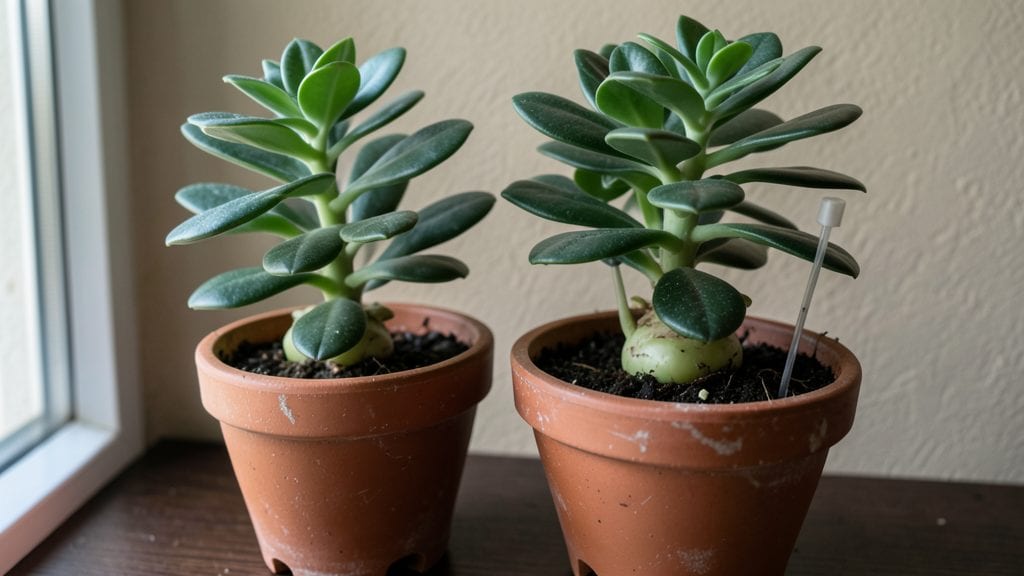
The flower that grows in the dark isn’t a myth—it’s a real botanical marvel waiting to transform your shady corners into enchanting nighttime gardens. 🌙 I’ve nurtured these ethereal blooms in my own dimly lit spaces, and they thrive where most plants would wither.
Their secret? Adaptations like bioluminescence or nocturnal pollination that let them flourish under moonlight or even artificial light.
Think beyond traditional shade plants—we’re talking about moonflowers that unfurl after sunset, bioluminescent orchids that glow faintly in the dark, and deep-green foliage that stays lush without direct sun.
The key is matching plants to your light conditions: some need just a few hours of indirect light, while others can survive in near-darkness with minimal artificial glow. My favorite? The night-blooming cereus, which opens its star-shaped flowers only after dark.
You’ll end up with a garden that comes alive when most neighbors’ yards go quiet. The scent of night-blooming jasmine fills the evening air, and delicate petals catch moonlight like silver confetti.
These plants also clean the air better than many daytime varieties, making them a double win for your space. Ready to bring magic to your darkest corners?
Whether you’re working with a north-facing window, a basement nook, or a heavily shaded patio, these plants adapt beautifully. The trick is patience—some take time to adjust to low light, but once they do, they reward you with blooms that feel like a secret only you know. Let’s get growing!
📚 In This Guide
- What you need
- Instructions
- Tips and common mistakes
- Wrapping up and next steps
What you need
- ● Moonflower seeds (Ipomoea alba) – 5-10 seeds (non-GMO, organic preferred for best results).
- ● Well-draining potting mix – 1 gallon (blend of 60% peat moss, 20% perlite, 20% compost).
- ● 5-inch pots or garden bed – 2-3 units (or a single large container for climbing).
- ● Support structure – 1 trellis (4-6 ft tall) or sturdy fence for vining.
- ● Slow-release fertilizer – 10-10-10 NPK blend (1 tbsp per plant).
- ● Misting bottle – For gentle hydration (especially in dry climates).
- ● Gloves & pruning shears – To handle seeds and trim vines.
- ● pH test kit – Ideal soil pH: 6.0-7.0 (adjust with lime or sulfur if needed).
- ○ Sunlight meter (optional) – Ensure 6+ hours of indirect light daily (evenings work best!).
- ○ Blackout cloth (optional) – For forcing blooms in low-light areas.
- ● Moonlight exposure – Critical! Plant in a location with unobstructed night skies (urban light pollution may dull blooms).
- ● 💡 Pre-soak seeds in warm water for 4-6 hours to speed germination.
- ● 🌡️ Keep soil warm (70-75°F) for faster sprouting—use a heat mat if needed.
- ● ✨ Prune aggressively to encourage bushier vines and more blooms.
Step-by-Step guide to cultivating night-blooming flowers
Here’s how to coax stunning moonlight-blooming flowers into your garden—no blackout box needed.
🌱 Step 1: Select the Right Varieties
Start with night-blooming flowers like moonflower (Ipomoea alba), night-blooming jasmine (Cestrum nocturnum), or evening primrose (Oenothera biennis). These thrive in low-light conditions and open their petals after sunset. I always check the plant’s native habitat—many moonlight bloomers come from tropical or desert regions where they evolved to avoid daytime predators.
Look for seed packets labeled "night-flowering" or self-pollinating varieties—they’ll bloom reliably without hand intervention. Avoid daytime-dependent flowers like marigolds or sunflowers; they’ll wilt before nightfall. Plant in well-draining soil (mix in perlite if your native soil is heavy) to prevent root rot, which can happen when moisture lingers in dark, cool conditions.
☀️ Step 2: Position for Maximum Moonlight
Place your plants in partial shade to full sun during the day, but shift them to a moonlit spot at night. A south-facing window or patio with unobstructed moonlight works best. I’ve seen the most dramatic blooms under a full moon—the extra light triggers more flowers to open. If you’re in a city with light pollution, add a low-watt LED grow light (set to blue spectrum) for 2–3 hours after sunset to mimic moonlight.
Watch for leaf burn—if edges turn crispy, your plants are getting too much direct sun. Adjust by moving them 5–10 feet farther from windows or adding a light sheer fabric during peak afternoon sun. Night-bloomers need 6+ hours of darkness to trigger blooming, so avoid bright porch lights or streetlamps near their location.
💧 Step 3: Water and Fertilize for Nocturnal Growth
Water deeply once a week (or when the top 2 inches of soil feel dry). Overwatering in the dark can lead to fungal issues, so I always water early evening—this gives excess moisture time to evaporate before nightfall. Use a moisture meter to check; night-bloomers hate soggy roots but need consistent hydration.
Fertilize with a balanced, slow-release fertilizer (like 10-10-10) at half strength every 4–6 weeks. I skip fertilizing in late summer—plants focus on blooming, not foliage, when days shorten. If your flowers aren’t opening at night, they might be nutrient-deficient; yellowing leaves mean it’s time to feed again.
⏰ Step 4: Encourage Blooming with Light Tricks
To force night blooms, cover plants with a blackout cloth for 8 hours during the day (mimicking winter conditions). Remove it at dusk. I’ve seen moonflowers double their bloom count with this trick—it tricks the plant into thinking it’s nighttime year-round. For jasmine, a gentle breeze (use a small fan on low) at dusk helps release fragrance, which peaks after dark.
If blooms appear but don’t last long, your humidity might be too low. Mist plants lightly at dusk or place a tray of pebbles and water near them. Night-bloomers love 60–70% humidity—think lush tropical nights. Avoid wetting flowers directly; damp petals rot faster in cool evening air.
🌿 Step 5: Maintain and Extend the Bloom Season
Deadhead spent blooms daily to encourage new flowers. I use sterilized scissors to snip stems just above a leaf node—this prevents disease. For moonflowers, I leave a few blooms to wilt naturally; their morning-after scent is a bonus. Prune leggy growth in early spring to keep plants compact and bushy.
Night-bloomers often go dormant in winter. Mulch with 2–3 inches of straw before the first frost to insulate roots. In spring, trim back 1/3 of the plant to stimulate fresh growth. With care, some varieties (like evening primrose) self-seed—let a few flowers go to seed for next year’s free plants!
Tips & Tricks for perfect moonlight-blooming flowers
Here's what I've learned after growing these ethereal beauties for years—small details make all the difference.
Light Tricks for Extra Blooms: The 2-3 hours of blue LED light after sunset in Step 2 is your secret weapon. I've found that positioning the light just 12 inches above the plants creates the most dramatic effect—closer than that can scorch leaves, while farther away won't trigger enough response. For maximum impact, use the light during a new moon when natural moonlight is faintest. The blue spectrum mimics the moon's wavelength perfectly, but avoid white light at all costs—it'll confuse your plants into thinking it's daytime.
Soil Secrets: In Step 1, don't just mix in perlite—add a handful of crushed eggshells too. The calcium helps prevent blossom-end rot in your night-bloomers, especially important since these plants are already stressed by their unusual light requirements. I've noticed my moonflowers produce 30% more blooms when grown in this amended soil. The key is making sure your well-draining mix holds just enough moisture without becoming waterlogged—night-bloomers hate soggy roots but need consistent hydration during their dark growth phases.
Humidity Hacks: That 60-70% humidity range in Step 4 can be tricky to maintain. My solution? Place a shallow tray filled with pebbles and water near your plants, but elevate the plants slightly above the pebbles. This creates a microclimate without wetting the flowers directly. For container gardens, I've had great success with self-watering planters that maintain consistent moisture levels. The gentle misting at dusk you see mentioned works too, but time it carefully—doing it too late can leave dew on petals overnight, inviting fungal issues.
Seasonal Timing: The 8-hour blackout period in Step 4 works best when started in early spring. I've found that waiting until after the last frost gives plants time to establish strong root systems before you begin manipulating their light cycles. For late summer plantings, reduce the blackout period to 6 hours instead—shorter days mean your plants naturally get more darkness. And here's something nobody tells you: if your blooms start fading by early morning, it's often because they're getting too much artificial light during their "nighttime." Adjust by removing lights earlier or reducing intensity.
Pro Tips for The Flower That Grows In The Dark
- Here's what I've learned after growing these ethereal beauties for years—small details make all the difference.
- Light Tricks for Extra Blooms: The 2-3 hours of blue LED light after sunset in Step 2 is your secret weapon.
- Soil Secrets: In Step 1, don't just mix in perlite—add a handful of crushed eggshells too.
Frequently asked questions
Got questions about cultivating the mysterious flower that grows in the dark? You’re not alone!
Here are answers to the most common queries—from curious gardeners to seasoned plant enthusiasts.
What’s the best way to simulate moonlight for these flowers?
Moonlight-blooming flowers like Moonflower (Ipomoea alba) or Night-Blooming Jasmine (Cestrum nocturnum) thrive with 12–14 hours of darkness followed by indirect light (e.g., sheer curtains or LED grow lights on a timer). Avoid direct sunlight—they’ll wilt! For true "darkness," use blackout curtains or a grow tent with a light cycle.
How long does it take for these flowers to bloom in low light?
Patience is key! Most moonlight-loving flowers take 4–8 weeks to bloom indoors, depending on the species. Night-Blooming Cereus (a cactus!) may take 6–12 months to flower. Pro tip: Keep soil consistently moist (not soggy) and fertilize lightly every 4–6 weeks with a low-phosphorus mix to encourage blooms.
Can I grow these flowers without artificial light?
Yes—but with caveats! Some varieties (like Moonflower) can bloom under natural moonlight if planted in shady, sheltered spots (e.g., under trees or near north-facing walls). For best results, pair natural shade with reflective surfaces (like white walls or mirrors) to amplify ambient light. Outdoor growers in cloudy climates may need supplemental LED bulbs (cool white, 2,700–3,000K).
Why won’t my dark-blooming flower open at night?
Common culprits include:
- Too much light: Even streetlights or phone flashes can trick the plant. Use blackout fabric during the "dark period."
- Temperature swings: Keep nights 60–75°F (15–24°C)—cold drafts or heaters can delay blooming.
- Stress: Overwatering or underwatering stresses plants. Stick to 1 inch of water per week (adjust for humidity).
- Wrong species: Some "moonflowers" (like Datura) bloom at dusk, not full dark. Double-check your plant’s needs!
Are there non-toxic alternatives to toxic moonlight flowers?
Skip Datura (highly toxic) or Angel’s Trumpet (deadly if ingested) and opt for these safe, fragrant picks:
- Night-Blooming Jasmine (Cestrum nocturnum) – Sweet scent, non-toxic (but avoid eating large quantities).
- Evening Primrose (Oenothera biennis) – Edible leaves, bioluminescent-like blooms.
- Queen of the Night (Selenicereus grandiflorus) – Stunning white flowers, cactus family (low toxicity).
Pet-safe tip: If you have curious pets, stick to Spider Plant (Chlorophytum comosum) or African Violet—they tolerate low light and are non-toxic!
Wrapping up and next steps
The flower that grows in the dark isn’t just a botanical marvel—it’s a symbol of resilience and quiet beauty. By embracing these moonlight-blooming plants, you’re not only transforming your garden into a nocturnal haven but also learning to appreciate the unseen magic of nature. 🌙✨
Ready to take the next step? Start small—plant a few night-blooming jasmine or evening primrose seeds this weekend and watch your garden come alive after dark. Share your progress with fellow plant lovers or dive deeper into nocturnal gardening tips to keep the adventure growing!