
Planting
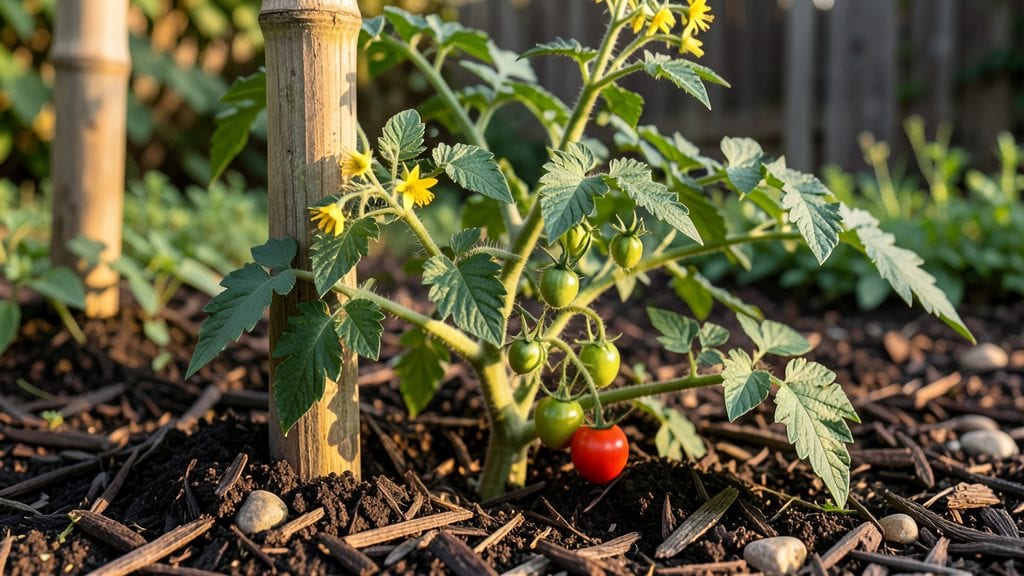
Those edible starburst blooms on your tomato plant are the secret to a harvest that makes neighbors jealous. 🌱 I’ve watched my own plants go from flopping vines to fruit-loaded giants by focusing on the flowering stage—when even small mistakes can mean a season of disappointment.
The key isn’t just water or sun, but understanding what your plant needs in those critical weeks when tiny blossoms decide whether to set fruit or drop like confetti.
Here’s the thing—tomatoes are finicky during flowering. Too much nitrogen, and they’ll grow leaves instead of fruit. Too dry or too hot, and those blossoms shrivel up before they can turn into tomatoes.
But get the balance right, and you’ll see hundreds of tiny yellow flowers transform into plump, ripe fruit. I’ve even hand-pollinated stubborn plants with a paintbrush when bees weren’t enough, and it works like magic.
By the end of summer, you’ll be harvesting juicy beefsteaks, tangy cherry tomatoes, or heirloom slices—all thanks to the care you gave those delicate blooms.
The best part? Your garden becomes a pollinator paradise, buzzing with bees and butterflies drawn to those vibrant flowers. Let’s make sure every blossom counts.
Whether you’re dealing with dropped flowers, cracked fruit, or heat stress, I’ve got the fixes. And don’t worry—this works for determinate bushes, indeterminate vines, and even container-grown plants. Ready to turn those blooms into a bounty?
📚 In This Guide
- What you need
- Instructions
- Tips and common mistakes
- Wrapping up and next steps
What you need
- ● Tomato seeds or seedlings: Choose disease-resistant varieties like 'Sungold' (cherry) or 'Beefsteak' for robust blooms. Quantity: 3–6 plants per 100 sq. ft.
- ○ Potting mix or garden soil: Well-draining, nutrient-rich mix (pH 6.0–6.8). Optional: Add compost or aged manure for extra fertility.
- ● Containers or garden bed: Containers: 5-gallon pots (minimum) with drainage holes for seedlings.
- ● Garden beds: Full sun (6+ hours/day) with loose, fertile soil.
- ● Fertilizer: Balanced 10-10-10 or organic options like fish emulsion (apply at planting and every 4–6 weeks).
- ● Mulch: Straw or shredded leaves to retain moisture and suppress weeds.
- ● Hand trowel or transplanting spade (for digging and pruning).
- ● Watering can or hose with gentle nozzle (avoid wetting flowers to prevent disease).
- ● Pruning shears (for shaping plants and removing suckers).
- ● Support stakes or cages (4–6 ft tall for indeterminate varieties).
- ○ Pollinator-friendly companions: Optional but recommended! Plant basil, marigolds, or borage nearby to attract bees and butterflies.
- ● Last frost date in your area (tomatoes thrive in warm weather, 50°F+ soil temp).
- ● Access to water (consistent moisture is key—1–2 inches per week).
- ● Patience! Tomato flowers typically appear 6–8 weeks after transplanting (longer for heirloom varieties).
Step-by-step guide to encouraging abundant tomato flowering
Here’s how to transform your tomato plants into pollinator magnets with vibrant, productive blooms.
🌱 Step 1: Optimize Light and Temperature for Flowering
Tomatoes need 12-14 hours of bright, direct light daily—they’ll bolt (send up flowers prematurely) without enough light. Place them in a south-facing window or under grow lights if indoors. If leaves yellow or stems stretch, your light is insufficient. Keep daytime temps between 70-85°F—above 90°F stops flowering entirely.
I’ve found that a reflective surface (like aluminum foil on the shelf) boosts light intensity by bouncing extra rays onto the plants. Watch for small yellow buds forming in leaf axils—this is your first sign flowering is underway. If buds drop off, it’s usually too hot or dry.
☀️ Step 2: Balance Watering to Prevent Stress
Consistent moisture is critical—water deeply 1-2 times weekly (when the top 2 inches of soil feel dry). Too little causes blossom-end rot; too much leads to weak stems that drop flowers. Use a soaker hose or drip irrigation to keep roots evenly moist without wetting foliage, which invites disease.
Here’s the thing—morning watering prevents evening dampness, reducing fungal risks. You’ll know you’re nailing it when leaves stay crisp and no buds wither. If flowers appear but fall off, you’re likely overwatering or using cold water (always use lukewarm water for best uptake).
🌿 Step 3: Fertilize for Flower Power
Switch to a low-nitrogen, high-phosphorus fertilizer (like 5-10-10) when plants hit 2 feet tall. Phosphorus triggers flowering—apply every 2-3 weeks until fruit sets. I mix mine with compost tea for extra micronutrients, which tomatoes crave for vibrant blooms.
Watch for purple stems—a classic sign of phosphorus deficiency. If you see this, flush the soil with water and reapply fertilizer. Avoid overdoing nitrogen (like in lawn fertilizer)—it’ll give you lush leaves but zero flowers. The goal is strong stems with abundant buds, not just foliage.
💧 Step 4: Hand-Pollinate for Guaranteed Fruit Set
If bees aren’t visiting (common in greenhouses or cool weather), pollinate flowers manually with a small paintbrush. Gently brush each bloom’s yellow anthers to release pollen onto the stigma (the sticky tip). Do this early morning when pollen is freshest—you’ll see tiny white fruit forming within 7-10 days.
Real talk: I’ve had seasons where no bees showed up, and hand-pollination saved my harvest. If flowers keep dropping, it’s often due to temperature swings (below 55°F or above 95°F stunts pollination). A fan on low near plants can also help stir pollen in still air.
✂️ Step 5: Prune Strategically for More Blooms
Remove suckers (the small shoots growing between the main stem and branches) weekly—they drain energy from flowering. Pinch off lower leaves touching the soil to improve airflow and reduce disease. For determinate varieties, prune lightly; for indeterminate types, prune aggressively to focus energy upward.
You’ll notice more buds appear after pruning—this is the plant redirecting resources. Stop pruning once fruit sets to let energy go into ripening. If you see yellowing leaves, it’s often over-pruning; if buds drop, you’ve pruned too late in the season.
Tips & tricks for encouraging abundant tomato blooms
Transforming your tomato plants into flowering powerhouses takes a few strategic moves beyond the basics.
Light Optimization: The 12-14 hours of direct light requirement is non-negotiable, but here's the secret: position your plants within 6-12 inches of a south-facing window or grow lights for maximum intensity. I've seen plants bolt prematurely when placed too far away—this is your plant's way of saying "I need more energy!" Consider rotating plants weekly to ensure even light exposure on all sides.
Temperature Fine-Tuning: While the 70-85°F range is ideal, sudden swings above 90°F or below 55°F can cause flower drop. I've found that using a simple indoor thermometer near your plants helps track fluctuations. If you're growing in containers, move them to shaded areas during heatwaves—even temporary relief can prevent bud abortion.
Watering Precision: The 1-2 times weekly guideline works best when you check soil moisture at the 2-inch depth. I've ruined multiple harvests by assuming "watering deeply" meant drenching until water ran out—the key is consistent moisture, not saturation. Use your finger to test soil moisture daily during hot weather, as evaporation rates increase dramatically. The crisp leaves and unwithered buds are your perfect moisture indicators.
Pollination Backup Plan: When hand-pollinating in Step 4, don't just brush the flowers—give each bloom 2-3 gentle strokes to ensure thorough pollen transfer. I've had seasons where even this careful approach failed because the pollen was too dry. Try this trick: lightly mist the flowers with water before brushing to help pollen adhere better to the brush and stigma. This early morning ritual can mean the difference between fruit set and empty blossoms.
Pro Tips for Tomato Flowering Plant
- Transforming your tomato plants into flowering powerhouses takes a few strategic moves beyond the basics.
- Light Optimization: The 12-14 hours of direct light requirement is non-negotiable, but here's the secret: position your plants within 6-12 inches of a south-facing window or grow lights for maximum intensity.
- Temperature Fine-Tuning: While the 70-85°F range is ideal, sudden swings above 90°F or below 55°F can cause flower drop.
Frequently asked questions
Got questions about coaxing those edible starburst blooms from your tomato plants? You’re not alone! Here are answers to the most common queries—from timing tricks to troubleshooting flops.
How long does it take for a tomato plant to flower after transplanting?
Most tomato plants take 4–8 weeks to flower after transplanting, depending on the variety and growing conditions. Determinate types (like Roma) bloom faster (4–6 weeks), while indeterminate varieties (like Cherry) may take 6–8 weeks. Keep them in full sun (6–8+ hours/day) and well-watered to speed things up!
Why aren’t my tomato flowers turning into fruit?
No fruit? Check these culprits: lack of pollination (shake plants gently or invite bees), temperature stress (below 55°F/13°C or above 90°F/32°C), or nutrient deficiencies (add phosphorus-rich fertilizer). Indoor growers? Try hand-pollinating with a paintbrush!
Can I force tomato plants to flower faster?
Yes! Boost flowering with these pro tips:
- Warmth: Keep soil temps above 60°F (15°C) nightly.
- Light: 12+ hours of sunlight (use grow lights if needed).
- Fertilizer: Switch to a low-nitrogen, high-phosphorus feed (like 5-10-10).
What’s the best alternative if my tomato flowers keep dropping?
If flowers fall off, try these fixes:
- Water stress: Keep soil evenly moist (not dry or waterlogged).
- Temperature swings: Protect from cold drafts or heatwaves.
- Prune wisely: Remove suckers (side shoots) to redirect energy to flowering.
How do I know if my tomato plant is male or female?
Tomatoes are perfect flowers—each bloom has both male (stamens) and female (pistil) parts! The tiny fruit bump at the base of the flower is the ovary (future tomato). No gender worries here—just focus on pollination!
Wrapping up and next steps
Cultivating a tomato flowering plant isn’t just about growing food—it’s about creating a vibrant, pollinator-friendly paradise! 🌸 From choosing the right varieties to ensuring proper care, every step brings you closer to a bountiful harvest and a thriving garden ecosystem.
Whether you’re a beginner or a seasoned gardener, your efforts will reward you with edible starbursts that feed both your table and the bees buzzing around your yard.
Ready to take the next step? Start by planting your seeds or seedlings this season and watch your garden transform into a colorful, productive haven. Share your progress with fellow gardeners—your blooms might just inspire the next pollinator paradise in your neighborhood!