
Flowers
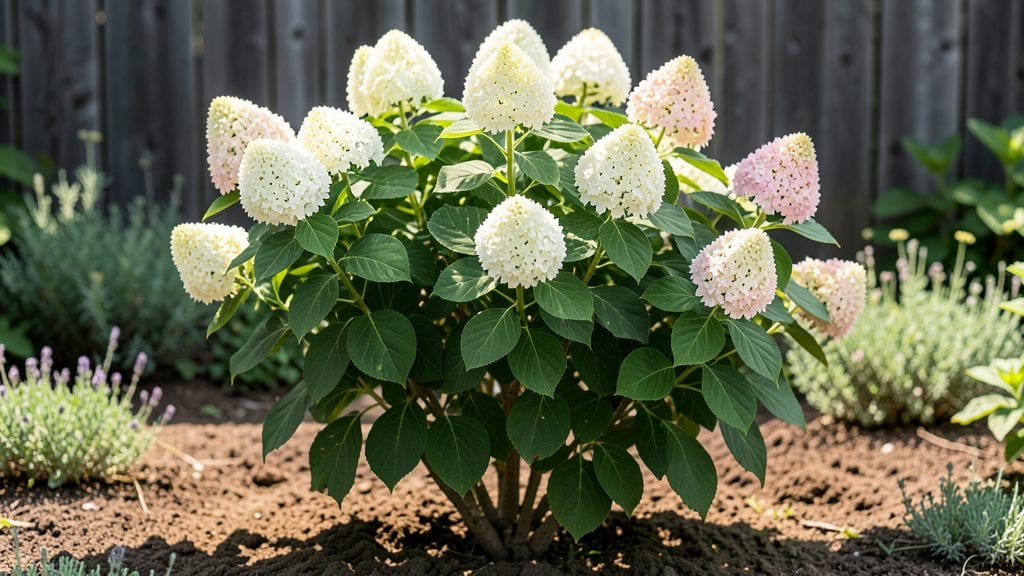
The Pacific Northwest's showstopper arrives with white panicle flowers that transform any landscape into a pollinator paradise. 🌿 I’ve watched bees, butterflies, and hummingbirds flock to my yard after planting this tree—it’s like having a five-star hotel for wildlife, but with year-round elegance.
This isn’t just another pretty tree; it’s a multi-season performer. Spring brings delicate blooms, summer offers lush foliage, and fall delivers stunning color before winter’s bare branches create striking silhouettes against the sky. Perfect for cottage gardens, modern landscapes, or as a focal point in urban spaces.
You’ll love how effortlessly it fits into any design—whether as a standalone specimen or layered with shrubs and perennials. The fragrant flowers attract pollinators while adding a touch of sophistication, and its adaptable nature means it thrives in partial shade or sun.
Once established, it’s nearly maintenance-free, making it ideal for busy gardeners who still want drama. Here’s how to choose the right spot and variety for your Pacific Northwest garden.
📚 In This Guide
- What you need
- Instructions
- Tips and common mistakes
- Wrapping up and next steps
What you need
- ● 1-2 bare-root or container-grown saplings (choose disease-resistant cultivars like ‘Regent’ or ‘Smoky’ for resilience).
- ● Well-draining soil mix (compost + native soil, 50/50 ratio) or 1 bag of organic potting soil (10–20 lbs).
- ● Slow-release fertilizer (5–10–5 NPK ratio, 1 lb) for initial planting.
- ● Mulch (cedar chips or pine bark) (2–3 cubic feet) to retain moisture.
- ● Garden trowel or spade (for digging holes).
- ● Pruning shears (sterilized, for shaping).
- ● Watering can or hose with nozzle (gentle spray setting).
- ● Garden gloves (to protect hands from thorns or rough bark).
- ● Measuring tape (to ensure proper spacing: 10–15 ft apart for mature trees).
- ● Epsom salt (1 tbsp in planting hole) for magnesium boost.
- ● Bird netting (if squirrels are a pest in your area).
- ● Drip irrigation kit (for consistent moisture in dry spells).
- ● Native companion plants (e.g., Heuchera or Carex) to enhance pollinator appeal.
How to plant and care for a Pacific Northwest pollinator tree
Here's my foolproof method for establishing a showstopping white-flowering tree that thrives in PNW climates.
🌱 Step 1: Choose the Right Variety for Your Site
For the Pacific Northwest's unique conditions, I recommend Washington hawthorn (Crataegus laciniata) or Pacific dogwood (Cornus nuttallii)—both feature stunning white panicles and handle our wet winters beautifully. Washington hawthorn thrives in full sun to partial shade, while Pacific dogwood prefers partial shade with morning sun.
Check your property's soil drainage first—these trees hate soggy roots. If your yard stays wet after heavy rains, amend the planting area with 3-4 inches of compost mixed into the native soil. The goal is well-draining but moisture-retentive soil that mimics their natural understory conditions.
🪴 Step 2: Plant at the Correct Time and Depth
Plant bare-root trees in early spring (March-April) when soil temperatures reach 50°F or container-grown trees in fall (September-October). For container trees, remove the pot and gently loosen roots if they're circling. Dig a hole twice as wide as the root ball but only as deep—never deeper than the root flare.
Place the tree so the top of the root ball sits 1-2 inches above ground level. This prevents soil from settling and smothering the trunk. Backfill with native soil mixed with 2-3 inches of compost, tamping gently to remove air pockets. Water deeply immediately after planting to settle the soil around roots.
☀️ Step 3: Establish Proper Watering and Light Conditions
Newly planted trees need 1-2 gallons of water per week during their first growing season. Water deeply 2-3 times per week until the root zone (about 12 inches deep) is thoroughly moist. You'll know it's right when water drains through to the soil below—no puddling at the surface.
Pacific dogwoods prefer morning sun with afternoon shade, while Washington hawthorns handle full sun exposure. If planting in a hot, exposed location, install a 5-gallon watering bag at the base to provide consistent moisture during dry spells. Mulch with 3 inches of wood chips in a 3-foot diameter circle, keeping mulch 6 inches away from the trunk to prevent rot.
✂️ Step 4: Prune for Structure and Flower Display
Prune in late winter (February) before new growth begins. Remove any dead, diseased, or crossing branches first using clean, sharp pruners. Then shape the tree by opening the center to improve airflow—this prevents fungal diseases that thrive in dense canopies. For Washington hawthorn, I remove 1/3 of last year's growth to encourage vigorous flowering.
Never prune in fall—this stimulates new growth that won't harden off before winter. After pruning, apply a balanced 10-10-10 fertilizer around the drip line (the edge of the tree's canopy) to support new growth. Thin out some of the smaller branches to create 5-6 main scaffold branches that will support the tree's structure as it matures.
🌿 Step 5: Maintain Year-Round Health and Beauty
Fertilize annually in early spring with 1 pound of 10-10-10 fertilizer spread evenly under the canopy. Water deeply after application to help nutrients reach the roots. These trees are drought-tolerant once established, but deep watering every 2 weeks during summer droughts keeps them thriving.
Watch for scale insects on Washington hawthorn or powdery mildew on Pacific dogwood—both are common in PNW climates. Treat scale with horticultural oil in late winter and mildew with neem oil spray in early summer. The white panicles will attract bees, butterflies, and hummingbirds starting in late spring, creating a living pollinator hotel right in your yard.
Tips & tricks for perfect white panicle flower trees in the Pacific Northwest
These insider tricks will help your pollinator tree thrive and flourish with stunning white blooms year after year.
Soil Preparation Secret: Before planting, I always dig a hole that's twice as wide as the root ball but only as deep—this prevents soil from settling and smothering the trunk. The key is creating a well-draining environment while retaining moisture. For heavy clay soils common in the PNW, mix in 3-4 inches of compost with the native soil to improve drainage and fertility. This mimics the natural understory conditions these trees prefer.
Watering Wisdom: The 1-2 gallons per week recommendation is crucial during that first growing season, but how you deliver that water matters just as much. Use a soaker hose or drip irrigation to water deeply 2-3 times per week until water drains through to 12 inches deep. This prevents surface evaporation and ensures roots develop properly. I've seen many trees fail because they were watered lightly every day instead of deeply and infrequently.
Pruning Pro Tip: When pruning your Washington hawthorn in late winter (February), focus on creating an open center to improve airflow—this is critical for preventing fungal diseases that thrive in dense canopies. For both varieties, I recommend thinning branches to establish 5-6 main scaffold branches early on. This structural approach prevents weak growth later and makes future pruning much easier. Always use clean, sharp pruners to avoid tearing bark, which can introduce infections.
Fertilizer Timing: The annual 1 pound of 10-10-10 fertilizer application in early spring gives your tree the nutrients it needs for vigorous growth and abundant flowering. What I've learned is that timing matters more than quantity—applying fertilizer too late in the season can stimulate tender new growth that won't harden off before winter. After applying, water deeply to help nutrients reach the roots, especially important in our often-dry summer months.
Pro Tips for Tree With White Panicle Flowers
- These insider tricks will help your pollinator tree thrive and flourish with stunning white blooms year after year.
- Soil Preparation Secret: Before planting, I always dig a hole that's twice as wide as the root ball but only as deep—this prevents soil from settling and smothering the trunk.
- Watering Wisdom: The 1-2 gallons per week recommendation is crucial during that first growing season, but how you deliver that water matters just as much.
Frequently asked questions
Got questions about growing or caring for a stunning tree with white panicle flowers? You’re not alone! Here are the most common queries from gardeners in the Pacific Northwest—and beyond—along with quick, actionable answers to help you nurture these pollinator magnets with confidence.
What’s the best time to plant a tree with white panicle flowers?
Plant your tree in early spring (March–April) or fall (September–October) for optimal root establishment. Avoid extreme heat or frost—these trees thrive in well-draining soil and prefer partial shade to full sun. If planting in summer, water deeply 2–3 times per week to support transplant shock.
Are these trees good for attracting bees and butterflies?
Trees like Cornus stolonifera ‘Flaviramea’ (red twig dogwood) or Syringa meyeri ‘Palibin’ (lilac) produce dense white panicles that are irresistible to pollinators. For maximum impact, pair them with native wildflowers (e.g., Lupinus or Achillea) to create a year-round buffet for bees, butterflies, and hummingbirds.
How cold-hardy are these trees, and do they need winter care?
Most white-panicle trees (e.g., Deutzia or Weigela) handle USDA Zones 5–9, making them perfect for the PNW’s chilly winters. No special winter care is needed, but mulch around the base (3–4 inches) in late fall to protect roots. If your tree is young (<3 years), wrap the trunk with burlap to shield it from harsh winds.
What if my tree isn’t flowering? Troubleshooting tips?
Lack of flowers often stems from over-fertilizing (too much nitrogen), poor sunlight, or stress. Try this:
- Prune in late winter to remove dead wood and open the canopy for better light.
- Water deeply but infrequently (drought stress reduces blooms).
- Check soil pH (ideal: 6.0–7.0). Amend with compost if compacted.
- Inspect for pests like aphids or scale, which sap energy from the tree.
Are there dwarf or compact varieties for small gardens?
Yes! If space is limited, consider:
- Deutzia ‘Nikko’ (3–4 ft tall, fragrant white blooms).
- Weigela ‘Wine & Roses’ (4–5 ft, pink/white panicles).
- Spiraea japonica ‘Goldflame’ (3–4 ft, compact and heat-tolerant).
Wrapping up and next steps
Discovering the tree with white panicle flowers—like the stunning Abelia or Weigela—transforms any Pacific Northwest garden into a pollinator paradise while adding year-round charm. These trees thrive with minimal fuss, offering vibrant blooms, lush foliage, and seasonal interest that keeps your outdoor space lively and inviting.
Whether you're a seasoned gardener or just starting, planting one today is a simple yet rewarding step toward a more beautiful, eco-friendly landscape.
Ready to take action? 🌱 Start by choosing your favorite variety, gathering your supplies, and giving your garden the pollinator-friendly upgrade it deserves! Check out our planting tips to get growing.