Orchid Care
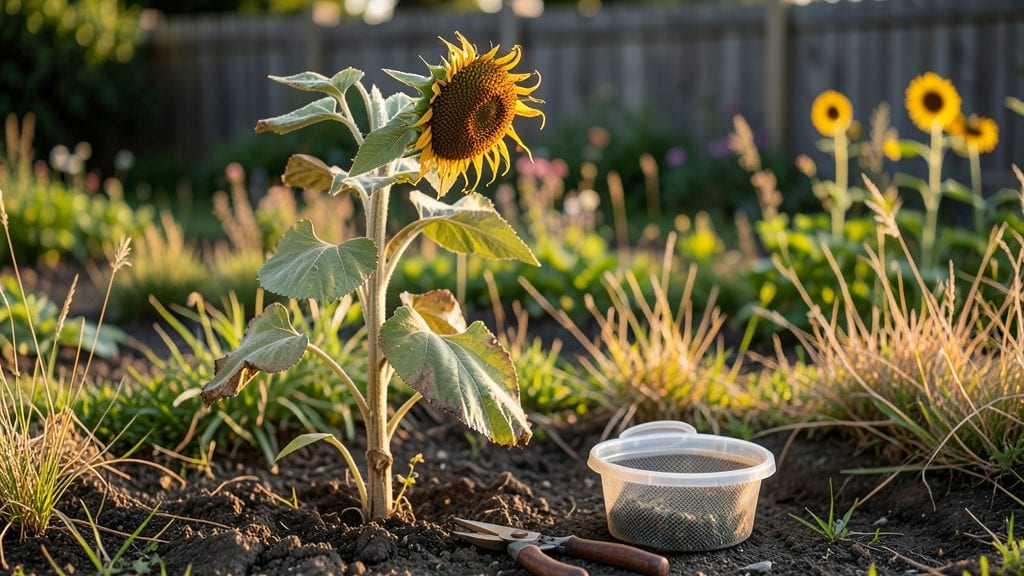
Dead sunflower heads don’t have to end up in the trash—they’re garden gold. 🌻 I’ve turned mine into wildlife hotels, rustic decor, and even compost starters, and I’ll show you how to do the same with minimal effort.
The best part? Every option keeps your garden thriving or your home stylish without wasting a single stem.
Your choices boil down to three paths: leave them standing for birds and bees, chop them up for compost, or get crafty with dried arrangements. I’ve tried all three—some take 10 minutes, others just require patience.
The key is matching the method to your goals: quick cleanup, long-term garden benefits, or creative projects for your home.
By winter, your sunflower stems will be transformed into something useful or beautiful. You’ll have dried bouquets that last years, soil enriched with nutrients, or a backyard that hums with activity from visiting critters. Plus, you’ll save money and reduce waste—win-win for both your garden and your conscience.
Whether you’re a seasoned gardener or just starting, these ideas work for any skill level. The only rule? Don’t toss them. Your next project—or your local wildlife—will thank you.
📚 In This Guide
- What you need
- Instructions
- Tips and common mistakes
- Wrapping up and next steps
What you need
- ● Dead sunflower heads: 5–10 (freshly dried or fully matured—no moisture left!)
- ● Scissors or pruning shears: Sharp, clean pair for cutting stems (bypass pruners work best).
- ○ Glue (optional but handy): Hot glue gun (for sturdy crafts like wreaths or decor)
- ● Mod Podge or PVA glue (for lightweight projects like greeting cards)
- ● Wire or floral tape: 18–22 gauge (for securing stems in arrangements or wreaths).
- ● Cardboard or foam board: 1–2 sheets (for backing wreaths or frames).
- ● Paint or acrylic markers: For coloring dried petals or stems.
- ● Ribbon, twine, or yarn: 1–2 yards (for wrapping or tying designs).
- ● Dried flowers or greenery: For filling gaps in arrangements.
- ● Clear sealant spray: (e.g., Mod Podge spray) to preserve crafts.
- ● Compost bin or pile: If you’re turning sunflowers into garden gold!
Creative ways to upcycle dead sunflower heads in your garden
Here's how to turn those dried stems into functional garden treasures—no waste, just rewards.
🌱 Step 1: Harvest and Clean the Heads
Wait until the flower heads are completely dry and the seeds have darkened. Grab a pair of pruning shears and cut the stems about 6 inches below the head—this gives you a sturdy handle for future projects. Remove any remaining seeds by gently rubbing your fingers over the head or shaking it into a bowl for birdseed later.
Rinse the heads under cool water if they've collected dust or debris. Let them dry completely in a shaded spot for 24-48 hours before moving on. This prevents mold from forming when you store them. I like to bundle 3-4 heads together with twine and hang them upside down to dry—it keeps them organized and makes cleanup easier.
🪴 Step 2: Choose Your Upcycling Project
Pick a project that matches your garden's needs. For bird feeders, remove all seeds and tie a mesh bag or small burlap sack to the stem. Fill it with mixed birdseed and hang it from a tree branch. If you're making dried flower arrangements, select heads with intact petals and stems. For garden markers, flatten the dried heads between heavy books for 1-2 weeks until they're stiff enough to write on with a permanent marker.
Here's the thing—sunflower heads make fantastic winter decorations too. Bundle 5-6 heads together with twine and place them in a vase with eucalyptus stems for a rustic centerpiece. The texture contrasts beautifully with smooth greenery. Or, if you're feeling crafty, glue the heads to a wooden plaque for a one-of-a-kind wall hanging.
✂️ Step 3: Preserve for Long-Term Use
To keep your sunflower heads looking fresh for months, spray them lightly with clear acrylic sealer (available at craft stores) or a 50/50 water and vinegar mix in a spray bottle. This prevents them from crumbling or attracting pests. Let them dry completely before storing. I store mine in a cardboard box lined with tissue paper in a cool, dry place—this keeps them dust-free and ready for next season.
For outdoor projects like bird feeders or garden stakes, seal them with outdoor-rated spray paint in earth tones. This adds a polished look while protecting the heads from moisture. If you're using them as mulch or compost, chop the stems into 2-3 inch pieces first—this speeds up decomposition and adds texture to your garden beds.
💧 Step 4: Repurpose Stems and Leaves
Don't toss the stems! Cut them into 6-inch lengths and use them as natural plant supports for climbing plants like beans or cucumbers. The hollow stems make great straws for kids' garden drinks too—just rinse them well first. For a whimsical touch, weave the stems into miniature fences around small plants or herb gardens.
Crushed sunflower leaves make an excellent mulch for garden beds. Spread them around the base of plants to retain moisture and suppress weeds. The leaves break down quickly, adding nutrients to the soil as they decompose. If you're feeling ambitious, dry the leaves and blend them into homemade plant food by steeping them in water for 24 hours—this creates a nutrient-rich liquid fertilizer.
Tips & tricks for perfect sunflower head upcycling
These clever tricks will help you maximize every part of your sunflower—no waste, just creative rewards.
Harvesting Tip: When harvesting in Step 1, look for heads where the petals have completely fallen off and the back is a deep brown color. This ensures they're fully dry and ready for projects. I've found that harvesting on a slightly cloudy day prevents petals from sticking to the heads when you handle them. Also, leave about 6 inches of stem—this gives you flexibility for different projects without making them too bulky.
Project Selection: For Step 2, consider your garden's specific needs before choosing a project. Bird feeders made from sunflower heads attract pollinators while providing food—win-win! If you're making garden markers, use a permanent marker to write plant names on the flattened heads. For winter decorations, combine sunflower heads with other dried materials like wheat stalks or dried orange slices for extra texture and color contrast.
Preservation Hack: In Step 3, when using the 50/50 water and vinegar mix as a preservative, add 1 teaspoon of baby oil to the spray bottle. This creates a protective barrier that repels dust and keeps the heads looking fresh longer. For outdoor projects, earth-toned spray paint not only protects but also coordinates beautifully with garden colors—think sage green or terracotta.
Stem Repurposing: For Step 4, those 6-inch stem pieces can do so much more than just support plants. Use them as handles for garden tools by attaching them to rakes or hoes with wire. You can also bundle 3-4 stems together and insert them into a mason jar to create rustic centerpieces for your kitchen table. The natural texture adds a farmhouse charm that's hard to beat.
Pro Tips for What To Do With Dead Sunflower Heads
- These clever tricks will help you maximize every part of your sunflower—no waste, just creative rewards.
- Harvesting Tip: When harvesting in Step 1, look for heads where the petals have completely fallen off and the back is a deep brown color.
- Project Selection: For Step 2, consider your garden's specific needs before choosing a project.
Frequently asked questions
Got questions about repurposing dead sunflower heads? Here are some of the most common ones—plus quick, practical answers to help you make the most of your garden leftovers!
Can I leave dead sunflower heads in the garden over winter?
Yes! Dead sunflower heads are great for winter interest and wildlife. Leave them standing to provide shelter for birds and beneficial insects. If you’re worried about pests, cut them down in early spring. Just don’t compost them if they’re diseased—toss those in the trash instead.
When is the best time to harvest sunflower seeds?
Harvest seeds when the back of the head turns brown and the petals fall off. Use scissors to snip the head and let it dry indoors for 1–2 weeks. Rub the dried head over a tray to collect seeds. Pro tip: If squirrels are a problem, harvest early and store seeds in a sealed container!
How do I preserve sunflower heads for crafts?
To keep sunflower heads intact for wreaths or dried arrangements, hang them upside down in a dry, dark place for 2–4 weeks. Alternatively, spray them with a glycerin-based preservative (like 1 part glycerin + 2 parts water) every few days for a few weeks. Avoid direct sunlight—it can cause fading!
Why are bugs attracted to my dead sunflower heads?
Bugs love sunflower heads because they’re a natural food source and shelter. While some (like ladybugs) are beneficial, others (like aphids) might be pests. If infestations are severe, remove heavily damaged heads. Otherwise, embrace the ecosystem—these critters help pollinate and control other pests!
Are sunflower heads good for mulch?
Not ideal! Sunflower heads are too woody and slow to break down. Instead, chop the stems into small pieces for mulch or toss the heads into a hot compost pile (they’ll decompose faster with heat). Save the heads for crafts, bird feeders, or seed-saving—those uses are way more fun!
Wrapping up and next steps
Dead sunflower heads don’t have to be a gardener’s end—they’re just waiting for a creative twist! From rustic decor to nourishing soil, these versatile blooms offer endless possibilities. Whether you’re crafting, composting, or feeding wildlife, every step turns waste into wonder.
Ready to transform your garden? Pick one idea from above and get started today—your space (and the planet) will thank you! 🌱✨