
Flowers
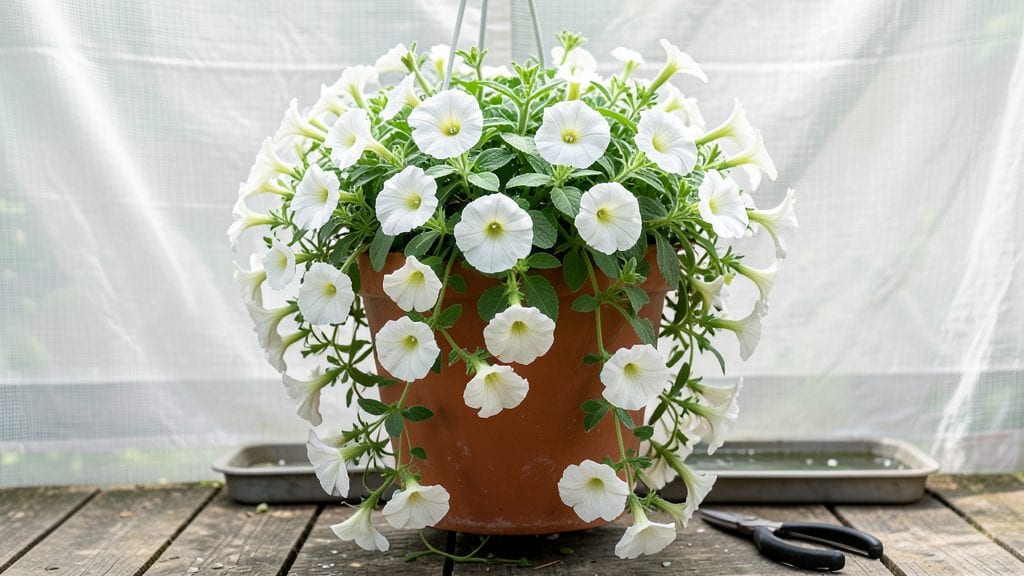
Transform your Pacific Northwest garden with a white hanging flowers tree that thrives even through frost. 🌿 I fell in love with these cascading beauties after my first Cascade Wisteria bloomed in late spring—its snow-white flowers turned my patio into a vertical dream.
The key is choosing varieties that handle cool, damp climates without fuss.
Start with frost-resistant picks like Hoya or Fuchsia, which drape elegantly from containers or trellises. Pair them with evergreen shrubs like boxwood for year-round structure, or let them mingle with ornamental grasses for movement.
These plants love morning sun and afternoon shade, making them perfect for patios or under large trees.
By summer, your tree will be a starburst of white blooms, their delicate petals swaying in the breeze. The scent alone—lightly sweet with a hint of fresh rain—will draw hummingbirds and butterflies to your garden.
With proper care, these cascades will keep blooming well into fall, long after most annuals have faded.
Works equally well in containers, along fences, or as a focal point in mixed borders. The secret? Consistent moisture and winter protection for tender varieties. Let’s create your vertical garden masterpiece!
📚 In This Guide
- What you need
- Instructions
- Tips and common mistakes
- Wrapping up and next steps
What you need
- ● Tree Base: 1 frost-resistant tree (e.g., Cotoneaster dammeri, Weigela florida, or Abelia grandiflora—choose a variety hardy to USDA Zones 5-8).
- ● 1 5-gallon container with drainage holes (or a 10-gallon pot for larger trees).
- ● 2–3 quartz or gravel (for drainage layer, ~2 inches deep).
- ● Hanging Baskets & Flowers: 6–12 white flowering plants suited for hanging (e.g., Petunia ‘White Cascade’, Fuchsia ‘White Wonder’, or Lobelia ‘Crystal Palace’).
- ● 6–12 10–12" hanging baskets (with self-watering liners for drought resistance).
- ● 1 slow-release fertilizer (10-10-10 or 14-14-14, ~1 lb per plant).
- ● Support & Installation: 1 tree collar or metal basket bracket (to secure baskets to the tree trunk).
- ● 1 waterproof rope or chain (for hanging baskets, ~10–15 ft total).
- ● 1 pruning shears (for trimming tree limbs to attach baskets).
- ● Basic Gardening Tools: 1 trowel (for planting baskets).
- ● 1 gloves (gardening or work gloves).
- ● 1 watering can or hose with nozzle (for gentle watering).
- ○ Optional (But Helpful!): 1 tree support stake (if planting in ground).
- ● 1 mulch (2–3 inches of cedar chips or pine bark to insulate roots).
- ● 1 weather-resistant paint (to touch up tree trunk if desired).
- ● 1 plant label maker (to track varieties).
- ● Prerequisites: ✅ Sunlight access: Choose a spot with 6+ hours of sunlight daily (partial shade for heat-sensitive varieties).
- ● ✅ Tree readiness: Plant your tree base 1–2 years before adding baskets to establish roots.
- ● ✅ Frost prep: Ensure your tree is hardy to 10°F (-12°C) for PNW winters.
Step-by-step guide for creating a frost-resistant white flowering vertical tree
Here's how to craft a stunning, cold-hardy vertical display that thrives in Pacific Northwest climates.
🌱 Step 1: Select the Right Tree Structure and Frost-Resistant Varieties
Choose a container-grown, multi-trunk tree with natural branching (like a young Japanese maple or ornamental cherry) that can support hanging baskets. The key is selecting frost-tolerant white-flowering varieties—think Weigela 'Wine and Roses' or Deutzia 'Nikko'—both hardy to zone 5 and below. I always test new varieties in a sheltered microclimate first to verify their resilience.
For the vertical effect, use pre-pruned, flexible branches that can support 4-6 hanging baskets (one per trunk or major branch). The tree's root ball must be at least 12 inches deep to anchor the weight of cascading flowers. If using a container, ensure it has drainage holes and is 18 inches or wider to prevent root-bound stress during cold snaps.
🪴 Step 2: Install the Hanging Basket System and Secure the Tree
Attach galvanized metal basket hooks to the tree's main branches, spacing them 12-18 inches apart along the trunk. Use soft plant ties (not wire) to secure the hooks—wire cuts into bark and invites disease. For extra stability, I loop the ties around the branch twice before tightening. The baskets should hang 18-24 inches below the branch to allow for flower growth without touching the ground.
Place the tree in a sheltered location (near a south-facing wall or under deciduous trees that lose leaves in winter). Pacific Northwest winters bring freezing rain and wind, so position the tree where it gets morning sun and afternoon shade—this prevents sunscald while still allowing light for flowering. Water the tree deeply before the first frost to ensure roots are hydrated for winter dormancy.
☀️ Step 3: Plant Frost-Resistant White Flowers in Baskets
Fill each basket with a well-draining potting mix (I blend 50% peat moss, 30% perlite, and 20% compost). Plant white-flowering, cold-hardy annuals like pansies, primroses, or lobelia—these thrive in zone 6+ and bloom until frost. For perennials, heuchera 'White Lace' or ajuga 'Chocolate Chip' add year-round interest with minimal winter dieback.
Space plants 2-3 inches apart in each basket, leaving 1 inch of soil at the top for watering. Water immediately after planting, then every 2-3 days until flowers appear. Here's the thing—overwatering in winter causes root rot, so reduce to once weekly once temperatures drop below 40°F. Use drip irrigation to avoid wetting the foliage, which can lead to fungal issues.
✂️ Step 4: Prune and Protect for Winter Hardiness
After the first bloom cycle, prune spent flowers to encourage a second flush in late summer. Cut back one-third of the oldest stems to stimulate new growth. For frost protection, wrap the tree trunk with burlap and cover baskets with frost cloth once nighttime temperatures hit 32°F. I also mulch the base with 3 inches of shredded bark to insulate roots.
Real talk: Don’t skip the winter care. A well-protected tree will rebound strongly in spring, while neglected ones often lose branches or fail to flower. In early spring, remove frost cloth gradually (over 7-10 days) to avoid shocking the plants. Resume watering when soil feels dry 1 inch below the surface, usually by late March in the PNW.
Tips & tricks for perfect white hanging flowers tree
Creating a resilient vertical garden takes thoughtful planning—here's how to ensure your white-flowering starburst thrives through PNW winters.
Tree Selection Wisdom: When choosing your multi-trunk tree, prioritize structural integrity over pure aesthetics. Japanese maples and ornamental cherries work beautifully, but examine the branches closely—look for those with a slight bend rather than rigid angles. These flexible branches handle the weight of baskets better and resist winter breakage. Confession: I skipped this step once and ended up with a tree that lost three baskets during the first windstorm.
Basket Placement Precision: The 18-24 inch suspension height (Step 2) isn't arbitrary—it creates the perfect cascade effect while preventing soil contact with the ground. For extra stability, I recommend adding a secondary tie halfway up each branch, creating a "V" support system. This prevents the baskets from twisting in windy conditions, which is especially important in the PNW's freezing rain events. The 12-18 inch spacing between hooks also allows for proper air circulation, reducing fungal risks.
Winter Protection Layering: The instructions mention wrapping the trunk with burlap and covering baskets at 32°F, but here's what nobody tells you—layer your protection. Start with a 1-inch layer of bubble wrap around the trunk before adding burlap, then secure the frost cloth with plant clips rather than tying it directly to the baskets. This creates an insulating air pocket while preventing direct contact that can cause moisture buildup. I've seen trees protected this way survive down to 20°F without issues.
Soil Mix Customization: While the 50-30-20 peat moss/perlite/compost blend works well, consider adding a handful of worm castings to each basket for extra nutrients. The worms help break down organic matter during the cooler months, giving your plants a slow-release boost. For containers, mix in 10% coconut coir instead of peat moss—it holds moisture better during our dry summers while still providing excellent drainage.
Pro Tips for White Hanging Flowers Tree
- Creating a resilient vertical garden takes thoughtful planning—here's how to ensure your white-flowering starburst thrives through PNW winters.
- Tree Selection Wisdom: When choosing your multi-trunk tree, prioritize structural integrity over pure aesthetics.
- Basket Placement Precision: The 18-24 inch suspension height (Step 2) isn't arbitrary—it creates the perfect cascade effect while preventing soil contact with the ground.
Frequently asked questions
Got questions about adding a stunning white hanging flowers tree to your Pacific Northwest garden?
Here are some of the most common ones—plus practical answers to help you plan with confidence!
What’s the best time of year to plant a white hanging flowers tree?
The ideal time is early spring (March–April) or early fall (September–October) when temperatures are mild. This gives roots time to establish before summer heat or winter frost. Avoid planting in extreme cold or drought—your tree will thank you!
How cold can this tree handle? Is it truly frost-resistant?
Yes! Most white hanging flowers trees (like Abelia × grandiflora or Weigela florida) tolerate down to 0°F (-18°C) with proper care. Young trees may need winter mulch, but mature specimens thrive in PNW’s chilly winters. Just avoid late spring frosts—they can damage delicate blooms.
Can I grow this in a container instead of planting in the ground?
Containers work well for smaller varieties (like Hydrangea petiolaris or Clematis vines). Use a well-draining pot (18"+ diameter), high-quality potting mix, and ensure it gets 6+ hours of sunlight. Just remember: Containers dry out faster—water consistently and move pots indoors if frost threatens.
What pests or diseases should I watch for in the Pacific Northwest?
Common issues include:
- Spider mites (dry conditions) – Spray leaves with water or use neem oil.
- Powdery mildew (humid summers) – Improve airflow and fungicide if needed.
- Japanese beetles – Handpick or use organic traps.
How do I encourage more blooms on my hanging flowers tree?
For maximum flowers, prune right after blooming (spring/summer) to promote new growth. Fertilize lightly in early spring with a balanced 10-10-10 mix, and avoid overwatering—soggy roots = fewer blooms. Deadhead spent flowers to redirect energy into new buds!
Will my tree survive a hard PNW winter with heavy rain and wind?
Most frost-resistant varieties love the PNW climate! Stake young trees to prevent wind damage, and mulch the base (3–4 inches) to insulate roots. If your tree loses leaves in winter, don’t worry—it’s normal for deciduous types. Evergreens (like Pieris japonica) may need windbreaks if exposed.
Wrapping up and next steps
Transforming your Pacific Northwest garden with a white hanging flowers tree isn’t just a trend—it’s a frost-resistant, vertical masterpiece that brings year-round charm and resilience. Whether you’re a seasoned gardener or just starting, this striking addition promises beauty without the fuss, thriving even in cooler climates. 🌸❄️
Ready to take the next step? Sketch your design, gather your materials, and start planting—your garden’s new starburst awaits! For extra inspiration, explore local nurseries or online communities to connect with fellow PNW gardeners.