
Flowers
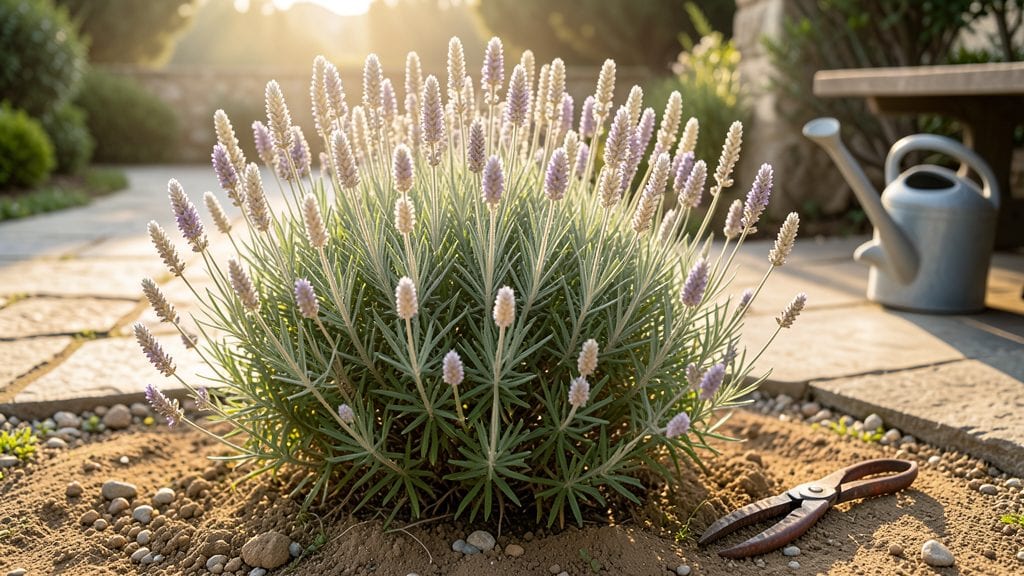
White lavender flowers bring a dreamy, ethereal touch to any garden—like a soft cloud of perfume you can see. 🌿 Their pale blooms contrast beautifully with deep greens and purples, while their delicate fragrance draws bees and butterflies all season long.
I've used them in cottage-style borders and modern containers alike, and they always steal the show without trying too hard.
The secret to their charm is how effortlessly they pair with other plants. Try tucking them alongside dusty miller for a silvery-white combo, or mix them with deep purple salvias for a striking contrast.
In containers, they thrive with rosemary, thyme, and ornamental grasses, creating a fragrant, textured display that smells as good as it looks. Even a single pot on the patio makes an impact.
What you'll love most is how they elevate any space—whether it's a formal garden bed or a casual herb spiral. Their subtle elegance works in weddings, photoshoots, or just everyday beauty.
Plus, the blooms last longer than most lavenders, giving you weeks of that clean, fresh scent that lingers in the air.
Best of all, they're low-maintenance and adaptable to different light conditions, making them perfect for gardeners who want beauty without the fuss. Here's how to make them the star of your outdoor space!
📚 In This Guide
- What you need
- Instructions
- Tips and common mistakes
- Wrapping up and next steps
What you need
- ● Seeds or Plants: 1–3 Lavandula stoechas (Spanish lavender) or Lavandula angustifolia (English lavender) seedlings (white varieties like 'Alba' or 'White Silver').
- ● OR 1 packet of organic lavender seeds (ensure they’re labeled for white blooms).
- ● Soil: 1–2 bags (50 lbs each) of well-draining potting mix or a blend of sandy loam + perlite (50/50 ratio). Pro tip: Avoid heavy clay soil—lavender hates soggy roots! 💡
- ● Container or Garden Bed: For containers: 1–2 5–7 gallon pots with drainage holes (terracotta or ceramic preferred).
- ● For in-ground: A sunny spot with 6+ hours of direct sunlight daily and slightly alkaline soil (pH 6.5–7.5).
- ● Fertilizer: 1 cup of low-phosphorus fertilizer (e.g., 5-5-5 or organic compost like worm castings). Skip high-nitrogen fertilizers—they promote leafy growth over flowers! 🌿
- ● Mulch: 1–2 inches of gravel or coarse sand (to improve drainage).
- ● Watering Can or Drip Irrigation: Lavender is drought-tolerant—water only when the top 1–2 inches of soil are dry.
- ● Pruning Shears: Sharp, sterilized shears (for trimming spent blooms or shaping plants).
- ○ Optional (but helpful!): 1–2 pollinator-friendly companion plants (e.g., thyme, rosemary, or marigolds).
- ● pH test kit (to check soil alkalinity).
- ● Shade cloth (for hot climates, to prevent leaf scorch).
- ● Harvesting Tools: 1 pair of clean scissors (for cutting stems).
- ● 1 baskets or breathable fabric bags (to air-dry flowers).
- ● Food-Grade Storage: 1 glass jar with a lid (for drying flowers).
- ● 1 paper bag (to store dried lavender buds).
- ○ Culinary Extras (Optional): Honey (for infusing lavender honey).
- ● Vanilla extract or sugar (for lavender simple syrup).
- ● Baking ingredients (flour, butter, sugar) if making lavender shortbread or lemonade! 🍋
- ● Pollinator-Friendly Additions: 1–2 small water source (shallow dish with pebbles).
- ● Wildflower seeds (native to your region).
Step-by-step instructions for cultivating white lavender flowers
Here’s how to grow these delicate blooms with minimal fuss—perfect for borders, pollinators, and even your kitchen.
🌱 Step 1: Choose the Right Spot and Soil
White lavender thrives in full sun—at least 6-8 hours daily—and well-draining soil. If your garden soil is heavy clay, mix in 3-4 inches of coarse sand or perlite per 12-inch square to improve drainage. I always test soil moisture by squeezing a handful—if it stays clumped, add more grit.
Lavender hates soggy roots, so avoid low-lying areas where water pools. A slight slope helps excess moisture run off naturally. If planting in containers, use a fast-draining mix (like 50% potting soil, 30% perlite, 20% sand) to prevent root rot.
☀️ Step 2: Plant at the Correct Depth and Spacing
Dig holes twice as wide as the root ball but only as deep—lavender roots are shallow and should sit just below soil level. Space plants 18-24 inches apart for airflow, which prevents fungal diseases. I tap each plant gently into the hole to settle the soil without compacting it too tightly.
Water deeply once after planting, then let the soil dry completely before watering again. Overwatering at this stage drowns tender roots. You’ll know it’s time to water when the top 1-2 inches of soil feel dry to the touch.
💧 Step 3: Water Sparingly and Prune for Bushiness
White lavender is drought-tolerant once established, so water only when the soil is bone-dry. Deep watering once every 7-10 days (or less in hot climates) encourages strong root growth. Shallow, frequent watering leads to weak stems and leggy growth.
Prune lightly after flowering to maintain shape. Cut back one-third of the current season’s growth with clean, sharp shears in early spring or late summer. Avoid heavy pruning—lavender blooms on new wood, and over-trimming reduces next year’s flowers.
✂️ Step 4: Harvest and Preserve for Culinary or Decorative Use
Harvest white lavender when 20-30% of buds are open—this ensures maximum fragrance and longevity. Cut stems in the morning after dew has dried, using clean scissors to avoid crushing the delicate stems. Bundle and hang upside down in a dry, dark place for 2-3 weeks to dry completely.
For culinary use, strip leaves and buds carefully—just 1-2 teaspoons per recipe adds a subtle floral note to desserts or teas. Store dried lavender in an airtight container away from light to preserve its aroma for up to 6 months.
Tips & tricks for perfect white lavender cultivation
Here's what I've learned after growing these fragrant beauties for years—avoid these common pitfalls and watch your lavender thrive.
Sunlight Strategy: Those 6-8 hours of full sun are non-negotiable, but not all sun is equal. South-facing spots get the most intense light, but if you're limited, opt for west-facing locations where afternoon sun is especially beneficial. I've seen lavender struggle in east-facing beds where morning shade keeps soil too damp. Morning sun alone won't cut it—you need that afternoon heat to develop those signature aromatics.
Soil Science: The fast-draining mix of 50% potting soil, 30% perlite, and 20% sand is your secret weapon. For container growing, I recommend using terracotta pots—they breathe better than plastic and help prevent root rot. Pro tip: Mix in a handful of crushed gravel at the bottom of containers to create a drainage layer that mimics rocky Mediterranean soil where lavender originated.
Watering Wisdom: The "bone-dry" rule is crucial, but here's how to test it properly: Stick your finger 1-2 inches deep into the soil. If it feels completely dry, that's your cue to water—but only deeply! A quick sprinkle won't reach the roots. I use the "drip test"—when water runs straight through the soil without pooling, you've got proper drainage. Overwatering is the #1 killer of lavender plants.
Pruning Precision: When cutting back one-third of the current season's growth, focus on removing leggy stems and any woody growth from last year. Use clean, sharp shears to make cuts just above a leaf node. I always prune after flowering in early spring because this encourages bushier growth for next year's blooms. Avoid the temptation to prune in fall—lavender needs those stems to protect it through winter.
Pro Tips for White Lavender Flowers
- Here's what I've learned after growing these fragrant beauties for years—avoid these common pitfalls and watch your lavender thrive.
- Sunlight Strategy: Those 6-8 hours of full sun are non-negotiable, but not all sun is equal.
- Soil Science: The fast-draining mix of 50% potting soil, 30% perlite, and 20% sand is your secret weapon.
Frequently asked questions
Got questions about white lavender flowers?
You’re in the right place! Here are some of the most common inquiries—plus expert tips to help you grow, use, and enjoy these fragrant beauties with confidence.
Are white lavender flowers the same as regular lavender?
Not exactly! While both belong to the Lavandula family, white lavender (often Lavandula stoechas or Lavandula angustifolia 'Alba') has pale blooms instead of the classic purple. They share similar care needs but may have slightly different fragrances—white varieties tend to be lighter and more floral.
When is the best time to plant white lavender?
Plant white lavender in early spring or late fall when temperatures are mild (50–70°F). Avoid extreme heat or frost, which can stress young plants. If planting in containers, ensure they have drainage holes and use well-draining soil. Pro tip: Harden off nursery plants for a week before transplanting!
Do white lavender flowers attract pollinators like purple lavender?
White lavender is just as pollinator-friendly as purple varieties. Bees, butterflies, and hummingbirds are drawn to their nectar-rich blooms. For maximum impact, plant them alongside other pollinator favorites like lavender, salvia, or coneflowers.
Can you use white lavender in cooking like purple lavender?
Yes, but with a lighter touch! White lavender has a subtler, sweeter aroma, making it ideal for desserts (think vanilla lavender sugar or shortbread), teas, and light infusions. Use sparingly—start with ½ teaspoon of dried buds per recipe. Avoid overpowering savory dishes; it pairs best with honey, citrus, or delicate herbs.
Why is my white lavender turning brown or dying?
Brown or wilting lavender often signals overwatering (lavender hates soggy roots) or nutrient burnout (they thrive in poor soil). Check drainage, reduce watering, and prune dead stems. If leaves yellow, it may need more sun (6+ hours daily). Pro tip: Trim back by ⅓ after flowering to encourage bushier growth!
What’s a good alternative if I can’t grow white lavender?
Try these fragrant, pollinator-loving white blooms:
- Lavandula ‘Hidcote Giant’ (purple but hardy)
- White Santolina (silvery foliage, drought-tolerant)
- Agastache ‘White Whisper’ (hummingbird magnet)
- White Buddleia (butterfly bush)
Wrapping up and next steps
White lavender flowers aren’t just a stunning addition to gardens—they’re a versatile powerhouse for pollinators, aromatherapy, and even your kitchen! 🌸 From attracting bees to crafting fragrant culinary delights, their gentle charm and practical benefits make them a must-have for nature lovers and DIY enthusiasts alike.
Ready to dive in? Start small—whether it’s planting a few seeds, experimenting with a lavender-infused recipe, or gifting a bouquet to a friend. Every step brings you closer to the soothing, elegant world of white lavender! 🌿✨