
Flowers
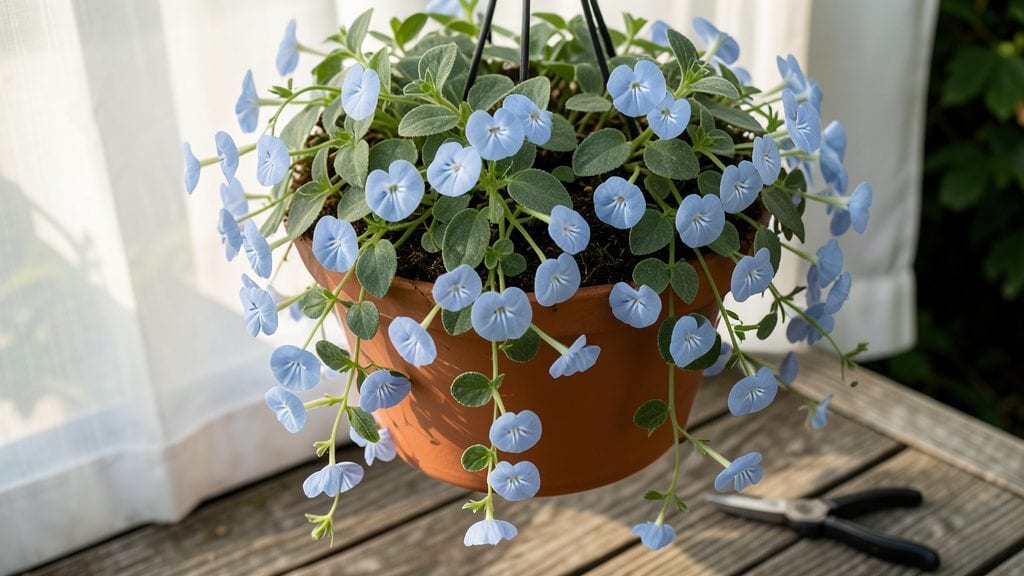
Mastering wishbone flower care unlocks its magic—this resilient bloomer outlasts frost and rivals drought, rewarding patience with nonstop color. light, consistently moist soil, and a little winter protection. Unlike finicky annuals, these plants reward patience with delicate, wishbone-shaped flowers that dance in shades of pink, purple, and white.
Most gardeners overcomplicate care, but wishbone flowers actually prefer simplicity: a well-draining potting mix, regular watering (never soggy), and occasional deadheading to encourage more blooms. In colder zones, they’ll retreat into dormancy—but with a thick mulch layer, they’ll bounce back stronger in spring.
The real magic happens when you pair them with shade-loving companions like ferns or impatiens, creating a lush, low-maintenance display.
By summer’s end, you’ll have a cascading curtain of color that lasts well into fall, and with proper winter prep, your plants will return year after year. The secret isn’t complicated—it’s consistency. Let’s break down exactly how to keep yours thriving, from soil to sunlight to those crucial seasonal tweaks.
Whether you’re growing them in containers on a porch or letting them climb a trellis in the garden, this care guide covers all the bases. No more guessing—just reliable, beautiful results that keep giving season after season.
📚 In This Guide
- What you need
- Instructions
- Tips and common mistakes
- Wrapping up and next steps
What you need
- ● Wishbone flower seeds or seedlings: Start with high-quality seeds or healthy nursery-bought seedlings (check for disease resistance).
- ○ Well-draining potting mix: A blend of peat moss, perlite, and compost (ratio: 40% peat, 30% perlite, 30% compost). Optional: Add a slow-release fertilizer (5-10-5 NPK ratio) for extra nutrients.
- ● Containers or garden bed: For containers: Use 6-8 inch pots with drainage holes (2-3 plants per pot).
- ● For garden beds: Choose a spot with partial shade (4-6 hours of morning sun) and moist, well-draining soil (pH 6.0-6.5).
- ● Watering can or hose with a gentle spray nozzle: Wishbone flowers love moisture but hate soggy roots!
- ● Pruning shears: Sharp, clean shears for trimming dead blooms or leggy stems.
- ○ Mulch (optional but recommended): A 1-2 inch layer of straw or shredded bark to retain moisture and regulate soil temperature.
- ● Fertilizer: A balanced liquid fertilizer (10-10-10 NPK) for a mid-season boost. Apply every 4-6 weeks.
- ● Grow lights (for indoor care): LED grow lights (12-16 hours/day) if growing indoors.
- ● Support structures: Small stakes or trellises (4-6 inches tall) for climbing varieties.
- ● Soil moisture meter: To check soil hydration without overwatering.
- ● Neem oil or insecticidal soap: For pest control (aphids or spider mites can be pesky!).
Step-by-step guide for cultivating a thriving wishbone flower vine
This cold-hardy climber rewards patience with vibrant blooms—here’s how to keep it flourishing through seasons.
Select and Prepare the Planting Site
Wishbone flowers (Torenia fournieri) thrive in partial shade to dappled sunlight, making them perfect for under trees or on east-facing walls. Choose a location with well-draining soil—they despise soggy roots. If your soil is heavy clay, amend it with 2-3 inches of compost mixed into the top 12 inches of soil before planting.
Test the soil’s moisture retention by squeezing a handful—it should hold together but not drip water. Wishbone flowers prefer consistently moist (not waterlogged) conditions, so sites near sprinklers or with natural irrigation work best. Avoid windy spots; their delicate stems can flop without support.
Plant With Proper Spacing and Support
Space plants 12-18 inches apart in rows 18-24 inches apart to allow air circulation and prevent fungal diseases. Dig a hole twice as wide as the root ball but only as deep as the container’s base—burying the stem too deeply invites rot. Gently remove the plant from its container, loosen any circling roots with your fingers, and place it in the hole.
Install a trellis, obelisk, or wire mesh at planting time to support the vine’s climbing habit. Wishbone flowers twine naturally but need sturdy structures to reach their full 12-18 inch height. Press the soil firmly around the roots to eliminate air pockets, then water deeply to settle everything. Mulch with 2-3 inches of shredded bark to retain moisture and suppress weeds.
Water and Fertilize for Continuous Blooms
Water once weekly (or daily in extreme heat) until the top 1 inch of soil feels dry. Wishbone flowers are thirsty but hate soggy feet—water at the base in the morning to allow foliage to dry before evening. You’ll know you’ve got the balance right when leaves stay plump and vibrant, not wilting or yellowing.
Feed plants every 4-6 weeks with a balanced, water-soluble fertilizer (10-10-10) diluted to half-strength. This encourages the year-round blooming they’re known for. Stop fertilizing in late summer to promote dormancy if you’re in a cold climate—it helps harden the plant for winter.
Prune and Maintain for Healthy Growth
Deadhead spent blooms weekly by pinching off flowers just above the next set of leaves. This redirects energy into new growth and prevents seed formation, which can exhaust the plant. Use clean, sharp pruners to avoid tearing stems—wishbone flowers are tender and heal slowly.
Trim leggy stems back by one-third in early spring to encourage bushier growth. If the vine outgrows its support, cut back to 6-8 inches above the ground in late winter. This rejuvenates the plant and often triggers a flush of fresh blooms within 4-6 weeks. Wear gloves—some varieties have fine hairs that can irritate skin.
Overwinter for Cold-Hardy Performance
Wishbone flowers are USDA Zones 10-11 natives, but many cultivars tolerate Zone 9 with protection. In colder areas, mulch heavily with 4-6 inches of straw or leaves after the first frost. Water sparingly in winter—just enough to keep the soil from drying out completely.
If temperatures drop below 20°F, cover plants with frost cloth or bring potted specimens indoors to a cool (50-60°F), bright location. Resume regular care in early spring once nighttime temps stay above 40°F. The key to long-term success is mimicking their natural habitat—moist, shaded, and protected from harsh winds.
Tips & tricks for perfect wishbone flower cultivation
These practical insights will help you nurture vibrant, long-lasting wishbone flowers that thrive year after year.
Soil Preparation Secret: When amending heavy clay soil with 2-3 inches of compost, mix it into the top 12 inches—not just the surface. This creates a proper root zone where water drains efficiently but retains moisture. I've seen wishbone flowers struggle in amended surface soil because roots can't penetrate deeply enough to access the improved texture. Test your soil's moisture by squeezing a handful—it should crumble slightly when dry but not fall apart completely. This consistency mimics their natural habitat perfectly.
Support System Strategy: Install your trellis or obelisk at planting time—don't wait until the vine starts climbing. Wishbone flowers twine naturally, but their delicate stems need sturdy support from day one to prevent breakage. For maximum height potential (12-18 inches), use a structure at least 2 feet tall. I've found that wire mesh works well for larger plantings because it's lightweight and allows air circulation, which reduces fungal risks. Position supports where they'll receive morning sun to encourage even growth.
Watering Wisdom: The once-weekly watering guideline assumes average conditions—adjust based on your microclimate. In extreme heat, you'll need daily watering until the top inch of soil feels dry, but in cooler climates, every 10 days might suffice. The key is morning watering at the base—this prevents fungal diseases that thrive in damp foliage. I've noticed that wishbone flowers show stress through leaf color: vibrant green means perfect moisture, yellowing indicates overwatering, and wilting means underwatering. Pay attention to these visual cues rather than relying solely on schedules.
Overwintering Technique: For Zone 9 protection, I've had success using a combination of 4-6 inches of straw mulch plus a layer of frost cloth when temperatures approach 20°F. The mulch insulates roots while the frost cloth creates a microclimate that prevents frost damage to tender stems. When bringing potted plants indoors, place them near a bright window (50-60°F range) and reduce watering to just enough to prevent soil from drying completely. The transition back outdoors in spring should happen gradually—once nighttime temperatures consistently stay above 40°F—to avoid shock. This careful approach has kept my wishbone flowers thriving through multiple winters.
Pro Tips for Wishbone Flower Care
- These practical insights will help you nurture vibrant, long-lasting wishbone flowers that thrive year after year.
- Soil Preparation Secret: When amending heavy clay soil with 2-3 inches of compost, mix it into the top 12 inches—not just the surface.
- Support System Strategy: Install your trellis or obelisk at planting time—don't wait until the vine starts climbing.
Frequently asked questions
about wishbone flower care—because even the hardiest climbers need a little TLC! Here’s what you’ve been wondering:How fast does a wishbone flower grow, and when will it bloom?
The wishbone flower (Torenia fournieri) grows moderately fast—expect 6–12 inches of growth per season under ideal conditions. With proper care, it typically blooms within 4–6 weeks of planting (or transplanting) and continues flowering until frost. For year-round color, deadhead spent blooms and provide consistent moisture.
Is wishbone flower truly cold-hardy, or does it need winter protection?
While it’s mildly cold-tolerant (USDA zones 10–11), wishbone flowers are not frost-resistant. In cooler climates, treat it as an annual or overwinter it indoors. For outdoor plants, mulch heavily, move pots to sheltered spots, or cover with frost cloth. Pro tip: Prune back leggy growth in early spring to encourage bushier regrowth!
Why are my wishbone flowers wilting or dropping buds?
Wilting or bud drop usually signals underwatering or overwatering. Wishbone flowers thrive in consistently moist (not soggy) soil. Check soil moisture daily in hot weather—if the top inch feels dry, water deeply. Also, avoid cold drafts or sudden temperature swings, which stress the plant. Fix it fast: Adjust watering and ensure bright, indirect light.
Can I grow wishbone flowers in containers, and what’s the best pot size?
Containers work great—just use pots at least 12 inches deep and wide with drainage holes. For multiple plants, space them 6–8 inches apart. Key tip: Use a lightweight potting mix (like 60% peat/40% perlite) to prevent root rot. Move pots outdoors after the last frost and bring them inside before temps drop below 50°F.
What’s a low-maintenance alternative if wishbone flowers seem too fussy?
If wishbone flowers feel high-maintenance, try these easy-care climbers:
- Sweet potato vine (Ipomoea batatas): Thrives in heat, drought-tolerant, and blooms prolifically.
- Nasturtiums: Edible, pest-repellent, and grow fast in poor soil.
- Morning glories: Fast-growing annuals with vibrant blooms (but may need trellis support).
Wrapping up and next steps
Caring for your wishbone flower (Torenia fournieri) is a rewarding journey that brings vibrant color to your garden year-round—even in cooler climates! With the right balance of light, water, and soil, this cold-hardy climber thrives with minimal fuss.
Remember, patience and observation are key: adjust care as seasons change, and soon you’ll enjoy a lush, blooming display that keeps giving.
Ready to watch your wishbone flower flourish? Start by selecting the perfect spot in your garden or container, then give it the love it deserves—your future blooms will thank you! 🌸