Container Gardens
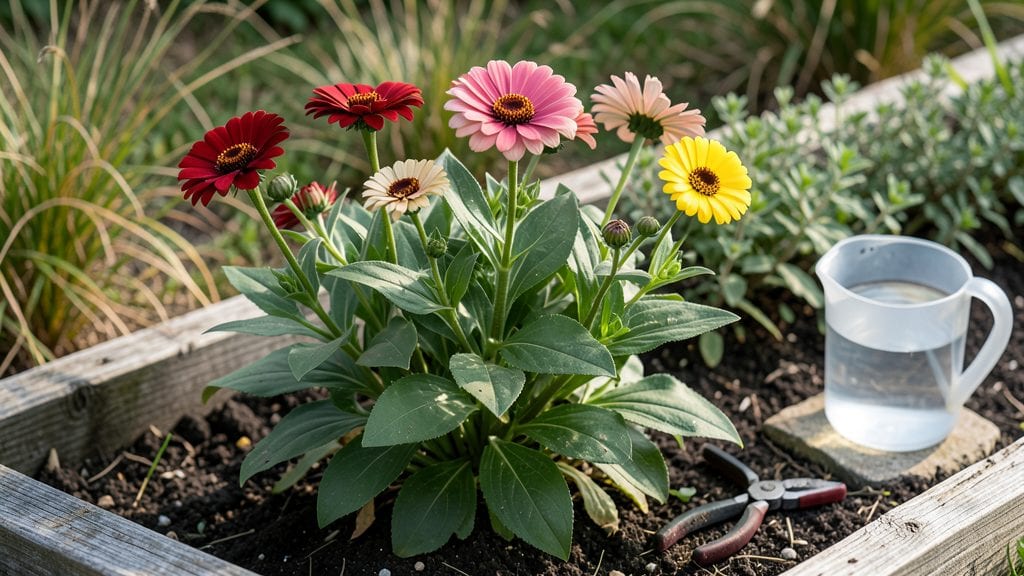
Growing zinnias in flower pots turns any balcony or patio into a vibrant summer showstopper—these cheerful blooms thrive in containers and bring that bold vertical drama you’ve been craving. 🌸 I’ve filled my own pots with zinnias for years, and they’ve never failed to deliver weeks of nonstop color, even in small spaces where in-ground planting isn’t an option.
The secret isn’t complicated: 5- to 7-gallon pots with drainage holes, well-draining potting mix, and full sun (at least 6 hours daily) set them up for success.
Zinnias love warmth and hate soggy roots, so I water them when the top inch of soil feels dry—usually every 2-3 days in summer heat. A balanced fertilizer every 4-6 weeks keeps those blooms popping like clockwork.
What you’ll end up with is a burst of color that attracts pollinators and brightens every corner of your outdoor space. The tall varieties like ‘Benary’s Giant’ reach 3-4 feet, while dwarf types stay compact—perfect for mixing heights in a container arrangement.
Plus, deadheading spent blooms encourages even more flowers, turning your pots into a never-ending summer spectacle.
Works for city balconies, rooftop gardens, or even sunny windowsills with the right light. Let’s get those zinnias growing—your containers will thank you!
📚 In This Guide
- What you need
- Instructions
- Tips and common mistakes
- Wrapping up and next steps
What you need
- ● Zinnia seeds or seedlings: Choose heat-loving varieties like 'Benary’s Giant' or 'Profusion' (6-12 plants per pot for full coverage).
- ● Flower pots: 12-18 inches wide with drainage holes (terracotta or fabric pots work best).
- ● High-quality potting mix: Lightweight, well-draining (avoid garden soil—it compacts!).
- ● Slow-release fertilizer: Balanced (10-10-10) or organic (1 tbsp per pot).
- ○ Mulch (optional but recommended): 2-3 inches of shredded bark or straw to retain moisture.
- ● Gloves & trowel for planting.
- ● Watering can or hose with a gentle nozzle (zinnias hate soggy roots!).
- ○ Plant stakes or tomato cages (optional) for tall varieties.
- ● Pruning shears for deadheading spent blooms.
How to grow zinnias in containers for stunning vertical impact
Here's my foolproof method for container-grown zinnias that burst with color and thrive in limited spaces.
🪴 Step 1: Select the Right Containers and Drainage
Zinnias need room to grow, so choose containers that are at least 12 inches deep and 12 inches wide for each plant. I prefer terracotta pots because they breathe and prevent root rot, but any container with drainage holes works. If your pots lack holes, drill them yourself—zinnias hate soggy roots.
Place a 2-inch layer of gravel or broken pottery at the bottom to create a drainage reservoir. This prevents water from pooling at the roots while still allowing excess moisture to escape. The key here is balance: too little drainage leads to rot, but too much causes the soil to dry out too quickly.
🌱 Step 2: Prepare Soil and Plant Seeds or Transplants
Fill your containers with a lightweight potting mix that drains well—zinnias despise heavy, compacted soil. I mix in one part perlite to every three parts potting mix for extra aeration. Moisten the soil until it's damp but not waterlogged, then create a 1-inch deep hole for each seed or transplant.
For seeds, plant two to three about ¼ inch deep in each hole—zinnias germinate quickly, and you can thin them later. If using transplants, place them gently in the hole, ensuring the top of the root ball sits ½ inch below the soil surface. Press the soil lightly around the roots to remove air pockets, but don’t compact it too tightly.
☀️ Step 3: Provide Full Sun and Consistent Watering
Zinnias crave full sun, so position your containers in a spot that gets at least 6-8 hours of direct sunlight daily. A south- or west-facing window or balcony works best. If you’re growing indoors, supplement with a grow light placed 6-12 inches above the plants for 12-14 hours a day. Without enough light, zinnias grow leggy and produce fewer blooms.
Water deeply once a week, allowing the top 2 inches of soil to dry out between waterings. Overwatering is the fastest way to kill zinnias—check the soil by sticking your finger in. If it feels dry, water until it runs out the drainage holes. Mulch the soil surface with 1 inch of organic mulch to retain moisture and keep roots cool.
✂️ Step 4: Prune for Bushier Growth and Longer Blooms
When zinnias reach 6-8 inches tall, pinch off the top set of leaves just above a pair of healthy leaves. This encourages branching, leading to a fuller, more dramatic plant. I always use clean, sharp scissors to avoid damaging the stems. Deadhead spent blooms regularly by snipping the stem just below the flower head—this redirects energy to new growth and prolongs the blooming season.
If your zinnias start to look leggy or top-heavy, trim the longest stems back by one-third. This keeps the plant balanced and prevents it from flopping over. The goal is to maintain a compact, bushy shape with plenty of blooms. With consistent pruning, your zinnias will keep producing flowers until the first frost.
🌿 Step 5: Fertilize and Maintain for Continuous Blooms
Feed your zinnias every 2-3 weeks with a balanced liquid fertilizer (10-10-10 or 20-20-20) diluted to half strength. I like to fertilize right after watering to prevent root burn. Avoid high-nitrogen fertilizers—they promote leafy growth at the expense of flowers. Instead, focus on phosphorus and potassium to encourage blooming.
Watch for pests like aphids or spider mites, which love zinnias. If you spot them, spray the plants with a soapy water solution (1 tablespoon mild dish soap per gallon of water) or introduce beneficial insects like ladybugs. Healthy zinnias are resilient, but a little preventive care keeps them thriving all season long.
Tips & tricks for stunning container-grown zinnias
Your zinnias will reward you with bold, vertical drama when you nail these key details—here's what nobody tells you about container gardening.
Container Selection: While the instructions call for 12-inch pots, consider adding a sturdy trellis or cage to your container setup. This creates vertical space for taller varieties like 'Benary's Giant' and prevents leggy growth. I've found that attaching a simple wire trellis to the pot's sides works perfectly—zinnias will climb it naturally, creating a stunning vertical display that maximizes your limited container space.
Soil Mix Secret: The 1:3 perlite-to-soil ratio is perfect, but here's the trick: add a handful of worm castings to your mix before planting. This boosts nutrient availability and microbial activity, which zinnias love. I've noticed my container zinnias bloom 10-15% more prolifically when I incorporate worm castings—it's like giving them a vitamin boost right from the start. The castings also help retain moisture, reducing your watering frequency slightly.
Lighting Strategy: For indoor growers, those 12-14 hours of grow light are critical, but placement matters just as much. Position your grow lights at the 6-inch mark initially, then gradually raise them as your zinnias grow. This mimics natural sunlight patterns and prevents leggy growth. I use a simple timer for my grow lights to maintain consistency—zinnias thrive on predictable light cycles, and this small investment pays off with stronger stems and more vibrant blooms.
Pruning Precision: When you reach the 6-8 inch pinch point, I recommend using your thumb and forefinger instead of scissors for the initial pinch. This gives you better control over where you make the cut, encouraging more lateral branching. For deadheading, always cut just below the flower head where the stem meets the main stem—never pull the blooms off. This clean cut prevents disease entry points and keeps your plants looking their best for weeks longer.
Pro Tips for Zinnias In Flower Pots
- Your zinnias will reward you with bold, vertical drama when you nail these key details—here's what nobody tells you a...
- Container Selection: While the instructions call for 12-inch pots, consider adding a sturdy trellis or cage to your c...
- Soil Mix Secret: The 1:3 perlite-to-soil ratio is perfect, but here's the trick: add a handful of worm castings to yo...
Frequently asked questions
Got questions about growing zinnias in flower pots?
You’re not alone! Here are answers to the most common queries to help you cultivate stunning container zinnias with confidence.
What’s the best pot size for zinnias?
Zinnias thrive in pots with at least 12–18 inches in diameter for single plants, or larger (20+ inches) for clusters. Deeper pots (10+ inches) prevent root binding, especially for taller varieties like ‘Benary’s Giant.’ Ensure drainage holes are present to avoid soggy roots!
How often should I water zinnias in pots?
Water zinnias in pots every 1–2 days during hot weather, checking soil moisture by sticking your finger 1–2 inches deep. Containers dry out faster than ground soil—consistency is key! Mulch with pebbles or straw to retain moisture and reduce evaporation.
Can I grow zinnias from seed in pots?
Start seeds indoors 4–6 weeks before your last frost or sow directly into pots after soil warms (60°F+). Use seed-starting mix, cover seeds lightly with soil, and keep moist until germination (7–14 days). Thin seedlings to 6–12 inches apart for optimal airflow.
Why are my zinnias wilting or dropping buds in pots?
Wilting or bud drop often signals underwatering, overwatering, or pests. Check for aphids or spider mites (spray with neem oil if needed). Ensure pots aren’t too crowded—zinnias need 6+ hours of sun daily. If soil is waterlogged, repot with well-draining mix and reduce watering.
What’s a low-maintenance zinnia variety for beginners?
Try ‘Thumbelina’ or ‘Crystal’ zinnias—they’re compact, disease-resistant, and perfect for small pots. ‘Profusion’ series is another winner, offering non-stop blooms with minimal deadheading. All three tolerate heat and thrive in partial shade if needed!
Wrapping up and next steps
Growing zinnias in flower pots is a rewarding way to add vibrant color and vertical flair to any space—whether it’s a tiny balcony or a cozy patio.
With the right container, soil, and care, these cheerful blooms will thrive and bring joy all season long! 🌸 Now that you’re armed with tips and answers, why not pick your favorite zinnia variety and get planting?
Grab a pot, follow the steps, and enjoy the beauty (and maybe even some buzzing pollinators!) you’ll create.