
Flowers
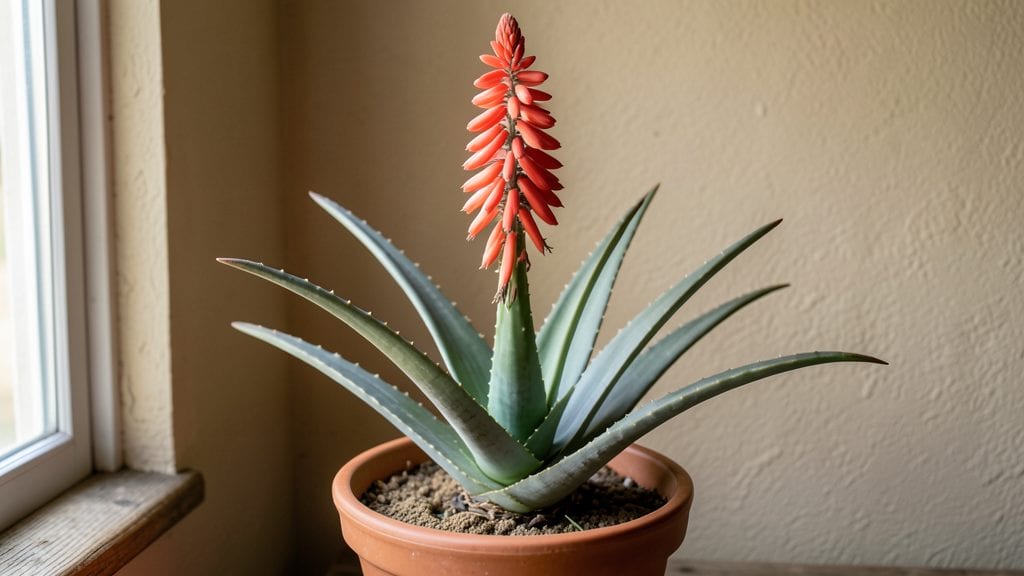
Growing aloe with red flowers is like unlocking a desert jewel in your home—those fiery blooms are worth every bit of patience. 🌿 I’ve nurtured Aloe arboresens and Aloe striata for years, and the secret to their vibrant red spikes isn’t complicated: it’s about light, soil, and letting them rest between blooms.
The first time I saw my plant send up a towering flower stalk, I knew I’d never go back to ordinary aloe.
These striking succulents thrive in bright, indirect light—think south-facing windows or a sunny balcony—but they’ll tolerate a few hours of direct sun too. Use a well-draining cactus mix with added perlite, and water only when the soil is bone-dry to the touch.
Overwatering is their kryptonite, so err on the side of too little rather than too much. The payoff? Sturdy, thick leaves and—eventually—those showstopping red flowers that can reach 3 feet tall.
Flowering takes time and the right conditions: your plant needs to mature (usually 3-5 years), then enter a dormant phase in winter. During this period, cut back on water and keep temperatures cool.
When spring arrives, resume regular care, and watch for that first flower spike. Once you’ve triggered one bloom cycle, your aloe will often repeat the performance every few years.
Perfect for containers, these aloes adapt well to small spaces and brighten up offices, kitchens, or sunrooms. Just remember: red-flowering aloe isn’t a fast grower, but the wait is worth it.
With the right care, you’ll have a living centerpiece that turns heads—and maybe even a few jealous glances from neighbors. Let’s get those blooms going!
📚 In This Guide
- What you need
- Instructions
- Tips and common mistakes
- Wrapping up and next steps
What you need
- ● Healthy aloe plant with red flowers (check for firm stems, no yellowing leaves, and vibrant blooms)
- ● Well-draining potting mix (cactus/succulent blend or a mix of 60% inorganic material like perlite/pumice and 40% organic matter like peat moss)
- ● Pot with drainage holes (terracotta or ceramic, 12–16 inches in diameter for mature plants)
- ● Gravel or pebbles (for a 1–2 inch drainage layer at the bottom of the pot)
- ● Watering can with a narrow spout (to avoid overwatering)
- ● Pruning shears or sterilized knife (for trimming dead leaves or stems)
- ● Slow-release fertilizer (balanced 10-10-10 or succulent-specific, applied sparingly 2–3 times a year)
- ● Spray bottle (for misting leaves if humidity is low)
- ● Grow lights or sunny windowsill (6+ hours of bright, indirect light daily)
- ● Decorative stones or mulch (for aesthetic appeal around the pot)
How to grow stunning red-flowering aloe in containers
Here's my foolproof method for coaxing vibrant red blooms from your aloe—no greenhouse needed.
🪴 Step 1: Choose the Right Container and Soil
Select a pot with drainage holes that's at least 6 inches deep—shallow pots lead to root-bound plants that never bloom. I use terracotta because it breathes and prevents soggy roots, which red-flowering aloe hates. Fill the bottom with 1 inch of coarse gravel to ensure excess water drains away instantly.
Use a cactus/succulent mix (never regular potting soil—it holds too much moisture). Mix in 20% perlite to improve aeration. The soil should feel gritty when dry and crumble easily when squeezed. Press it lightly into the pot so it's firm but not compacted—aloe roots need room to spread.
☀️ Step 2: Plant and Position for Maximum Light
Dig a hole just slightly larger than the aloe's root ball and place the plant so the base sits ½ inch below the rim. This prevents water from pooling during irrigation. Gently press the soil around the roots to eliminate air pockets, but don't pack it down too firmly.
Red-flowering aloe needs full sun (6+ hours daily) to trigger blooming. A south-facing window works, but most homes don't get enough intensity there. Move your plant within 2 feet of a bright window or supplement with a grow light for 14 hours daily. You'll know it's getting enough light when the leaves develop a deep green color and grow upright—no stretching or pale yellowing.
💧 Step 3: Water Sparingly and Fertilize Strategically
Water only when the top 2 inches of soil feel completely dry—this usually means every 2-3 weeks in winter and weekly in summer. Stick your finger in the soil; if it's damp past your first knuckle, wait another week. Overwatering is the #1 killer of red-flowering aloe—it causes root rot, which shows as mushy, black stems and yellowing leaves.
Feed your plant once in spring with a balanced, diluted fertilizer (½ strength). Too much fertilizer burns the roots and prevents blooming. I use a low-nitrogen, high-phosphorus formula to encourage flowering. Stop fertilizing after summer—aloe needs a dormant period in fall/winter to set buds for next year's red blooms.
⏰ Step 4: Encourage Blooming with Seasonal Care
Red-flowering aloe typically blooms in late winter or early spring, but it needs a cool period first. In fall, reduce watering to every 4-6 weeks and move the plant to a cooler spot (55-65°F) for 6-8 weeks. This mimics its natural dormancy cycle and triggers bud formation. You'll see tiny flower spikes emerge from the center of the plant—don't trim them until they've fully bloomed.
Once buds appear, return the plant to normal light and watering. The flowers will open over 2-3 weeks, revealing vibrant red blooms that last for weeks. After flowering, the mother plant will produce pups (baby aloes)—these are your free propagation material! Gently remove them in spring to grow new plants.
Tips & tricks for growing red-flowering aloe in containers
These simple tricks will help you coax those stunning red blooms from your aloe plant—without needing a greenhouse.
Container Selection Matters: While terracotta is ideal, any pot with drainage holes works. I've had success with glazed ceramic pots too, but avoid plastic—it traps moisture and encourages root rot. The 6-inch depth requirement is non-negotiable; deeper pots don't help and can actually cause waterlogging at the bottom. For extra insurance, add a second layer of gravel (about ½ inch) above the first layer to create better drainage separation.
Lighting Hack for Indoor Growers: If your home doesn't get natural sunlight, LED grow lights are your best friend. Position them 6-12 inches above the plant for those 14 hours daily. I use a simple clip-on bulb for my kitchen windowsill—it's affordable and effective. Watch for leaves stretching toward the light; this means your plant needs more intensity. Rotate the pot weekly so all sides get even exposure.
Watering Wisdom: The finger test is your best friend—stick your finger in the soil up to your first knuckle. If it feels damp at that depth, wait another week. In summer, I set a timer reminder every 7 days to check, but don't water just because it's time. Overwatering shows up first as yellowing at the leaf tips, then progresses to mushy stems. If you notice this, stop watering completely for 2 weeks to let the roots recover.
Bloom Trigger Secret: That 6-8 week cool period in fall is where the magic happens. I move my plants to an unheated garage where temps naturally drop to 55-65°F. If you can't do that, place them near a north-facing window or use a small fan on low setting to create airflow. The temperature drop signals the plant to stop vegetative growth and focus on flower production. You'll see the first signs of buds in late winter—tiny red spikes peeking from the center.
Pro Tips for Aloe With Red Flowers
- These simple tricks will help you coax those stunning red blooms from your aloe plant—without needing a greenhouse.
- Container Selection Matters: While terracotta is ideal, any pot with drainage holes works.
- Lighting Hack for Indoor Growers: If your home doesn't get natural sunlight, LED grow lights are your best friend.
Frequently asked questions
How often should I water my aloe with red flowers?
Water your aloe sparingly—about once every 2-3 weeks (or when the top 2 inches of soil are dry). Overwatering is the #1 killer! These succulents store water in their leaves, so they prefer dry conditions. In winter, cut back to once a month.
When will my aloe with red flowers bloom again?
Red-flowering aloe (like Aloe arborescens) typically blooms in spring or summer after a period of dormancy. With proper care—bright light, minimal water, and well-draining soil—it may rebloom every 1-2 years. Patience is key!
Can I grow this aloe indoors year-round?
Yes! Place it near a sunny south- or west-facing window for 6+ hours of light daily. If indoors, supplement with a grow light in winter. Avoid drafts (like AC vents) and keep temps between 55–80°F. Just mimic its desert roots!
What should I do if my aloe’s flowers turn brown?
Brown flowers usually mean stress—often from overwatering, low humidity, or sudden temp drops. Trim the dead blooms to redirect energy to new growth. Check for pests (like mealybugs) and adjust care (e.g., reduce water, move to brighter light).
Are there non-toxic alternatives to red-flowering aloe?
If you’re concerned about toxicity (aloe sap can irritate skin/pets), try these pet-safe, red-blooming picks:
- Kalanchoe blossfeldiana (bright flowers, drought-tolerant)
- Sedum ‘Autumn Joy’ (succulent-like, late-season blooms)
- Portulaca grandiflora (annual with vibrant red flowers)
Wrapping up and next steps
Growing aloe with red flowers—like the stunning Haworthia attenuata or Gasteria varieties—is a rewarding way to add vibrant color and low-maintenance beauty to your space. These plants thrive in containers, offering easy care, striking blooms, and air-purifying benefits that brighten any room.
Whether you're a beginner or a seasoned plant parent, their resilience and unique charm make them a must-have for indoor gardens.
Ready to bring home your own red-flowering aloe? Start by choosing a sunny spot, picking the right pot, and giving it a little TLC. Your green thumb is all you need—now go make that plant (and your space) shine! 🌿✨