
Flowers
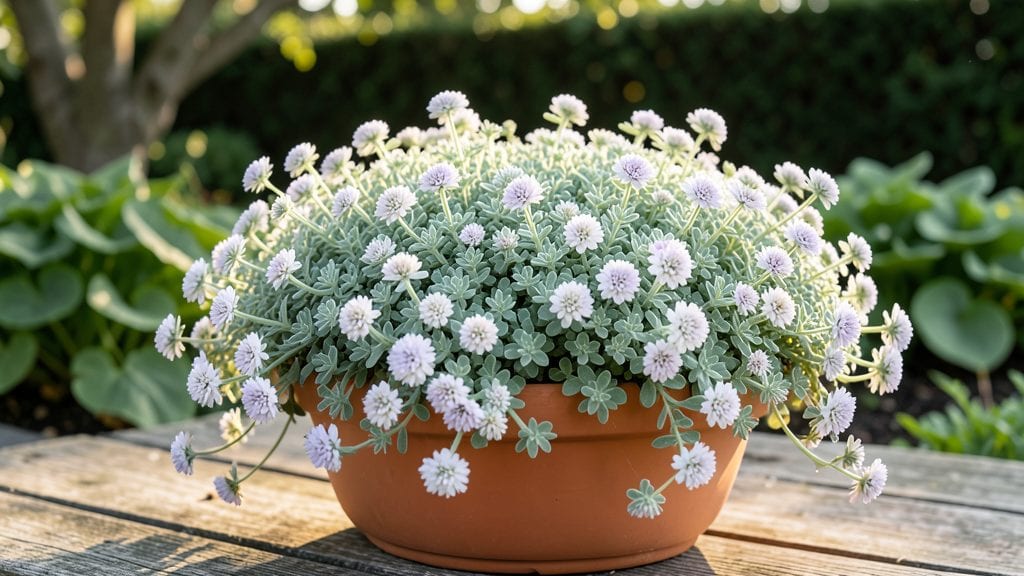
That fragrant edible alyssum flower you’re seeing in spring gardens isn’t just pretty—it’s a culinary gem waiting to be harvested. 🌿 I’ve been sprinkling these tiny blooms over salads and cocktails for years, and they add a delicate, honey-like flavor. that pairs perfectly with citrus and herbs.
The key is growing the right variety (like Sweet Alyssum or Edible Alyssum) and knowing when to pick for peak flavor.
Cultivating edible alyssum is surprisingly easy—it thrives in cool weather, blooms prolifically, and even deters pests with its sweet scent. Start seeds indoors 6-8 weeks before last frost, then transplant to well-draining soil.
Harvest flowers in the morning when they’re fully open but still fresh, and avoid spraying with chemicals if you plan to eat them. A single pinch adds enough flavor without overpowering dishes.
Nutritionally, alyssum isn’t a powerhouse, but its antioxidant properties and mild peppery kick make it a fun garnish. Try it on charcuterie boards, rimmed cocktails, or mixed into yogurt with honey. The flavor fades quickly after picking, so use them within 24 hours for the best taste.
For continuous harvests, deadhead spent blooms regularly—your plants will reward you with weeks of fresh flowers.
One common mistake? Waiting too long to harvest. Overripe flowers lose their sweetness and can taste bitter. Also, avoid varieties labeled as ornamental unless confirmed edible—some look-alikes can cause stomach upset.
With the right approach, you’ll have a year-round supply of this charming, flavorful garnish, straight from your garden to the table.
📚 In This Guide
- What you need
- Instructions
- Tips and common mistakes
- Wrapping up and next steps
What you need
- ● Fresh or dried alyssum flowers (organic, pesticide-free): 1–2 cups (packed), depending on your recipe (e.g., 1 cup for garnishes, 2 cups for infused oils/syrups).
- ● Source: Grow your own (see tips below) or buy from trusted edible flower suppliers (e.g., Local Harvest or specialty markets).
- ● Tweezers or small tongs (for handling delicate petals).
- ● Fine-mesh strainer or sieve (if using flowers in infusions or teas).
- ● Knife & cutting board (for trimming stems if harvesting fresh).
- ● Paper towels or clean kitchen towel (to pat flowers dry before use).
- ● Honey or simple syrup (for floral infusions: ¼ cup honey + ¼ cup water, simmered with flowers).
- ● Olive oil or neutral oil (for floral-infused oil: 1 cup oil + ½ cup flowers, steeped for 2–3 days).
- ● Citrus zest (lemon/lime) (to complement the peppery notes in cocktails or salads).
- ● Edible glitter or gold leaf (for next-level plating—because why not?).
Step-by-step guide to growing edible alyssum for culinary use
Here's how to cultivate this delicate, peppery-flowered annual for salads and garnishes.
🌱 Step 1: Select and Prepare the Perfect Planting Site
Choose a location with full sun to partial shade—edible alyssum thrives in 4-6 hours of direct sunlight daily. The soil should drain well, so amend heavy clay with 1-2 inches of compost to prevent waterlogging, which causes root rot. Alyssum's shallow roots appreciate loose, airy soil that mimics its natural Mediterranean habitat.
Test soil pH before planting—ideal range is 6.0-7.0. If your soil is too acidic, mix in 1 cup of dolomitic lime per 10 square feet and water thoroughly. The plant's delicate stems benefit from firm but not compacted soil, so avoid working the bed when wet. I like to rake the surface lightly after amending to create a fine, crumbly texture.
💧 Step 2: Sow Seeds at the Right Time and Depth
Start seeds indoors 6-8 weeks before your last frost date or sow directly in garden beds after all danger of frost has passed. Alyssum germinates best in 60-70°F soil, so avoid planting when temperatures dip below 50°F. Scatter seeds ¼ inch deep—they're tiny, so I use a fine mesh strainer to distribute them evenly without clumping.
Keep the soil surface consistently moist but never soggy during germination, which typically takes 7-14 days. Once seedlings reach 1-2 inches tall and develop their first true leaves, thin them to 6-8 inches apart to allow airflow and prevent powdery mildew. I use small scissors to snip excess seedlings at soil level rather than pulling, which disturbs roots.
☀️ Step 3: Maintain Optimal Growing Conditions
Water edible alyssum at the soil level using a gentle spray or drip irrigation to avoid wetting the flowers, which can cause them to rot. Aim for 1 inch of water per week, adjusting for rainfall. The plant's drought tolerance makes it ideal for container growing—just ensure pots have drainage holes and use a well-draining potting mix.
Fertilize lightly with a balanced 10-10-10 formula at half-strength every 4-6 weeks to encourage lush growth without overstimulating foliage at the expense of flowers. Alyssum's sweet, peppery flavor intensifies when grown in cooler weather, so I often extend the season by sowing successive plantings every 2-3 weeks in spring and fall.
✂️ Step 4: Harvest Flowers for Culinary Use
Harvest flowers in the morning after dew has dried but before the heat of the day sets in. Use clean, sharp scissors to snip clusters just as buds begin to open—fully bloomed flowers are still edible but lose some of their delicate flavor. Place harvested flowers in a paper towel-lined container to dry for 10-15 minutes before using to remove excess moisture.
Store edible alyssum flowers in an airtight container in the refrigerator for up to 3-5 days or dry them on a mesh screen in a dark, well-ventilated area for 1-2 weeks. The flowers pair beautifully with citrus, honey, and light salads. I like to sprinkle them over gazpacho or garnish cocktails with a single bloom for a subtle, aromatic touch.
⏰ Step 5: Extend the Season with Careful Maintenance
Deadhead spent blooms regularly to encourage continuous flowering and prevent the plant from going to seed too quickly. Alyssum's self-cleaning habit means it often sheds old flowers naturally, but a quick pinch of fading clusters keeps the plant looking tidy and productive. In hot climates, provide afternoon shade to prevent bolting, which causes the plant to flower prematurely and reduce edible yield.
To overwinter alyssum in colder regions, cut back plants by half after the first frost and apply a 2-3 inch layer of straw mulch. The plant's hardiness to 20°F means it often regrows in spring, giving you an early harvest. I've found that alyssum grown from overwintered plants produces even more intensely flavored flowers, likely due to the plant's natural stress response to cold.
Tips & tricks for perfect alyssum flower cultivation
Here's what nobody tells you about growing these delicate edible blooms like a pro.
Sunlight Strategy: The 4-6 hours of daily sunlight is non-negotiable—think of it as alyssum's vitamin D. If your garden gets less, supplement with a grow light for 4 hours daily during cloudy periods. I've seen alyssum grown successfully under 3 hours of sun, but the flowers become sparse and less flavorful. Position your plants where they'll get morning sun and afternoon shade in hot climates to prevent stress.
Germination Secret: Those 7-14 days of germination can feel like forever, but consistency is key. I swear by using a clear plastic dome or plastic wrap to create a mini greenhouse effect after planting. This maintains the ideal 60-70°F soil temperature while keeping moisture levels perfect. Remove the cover once you see tiny sprouts—usually around day 7. The moment you notice condensation forming on the inside is your cue to uncover and let fresh air circulate.
Harvesting Timing: The 10-15 minute drying period after harvest might seem trivial, but it's what separates good garnishes from exceptional ones. Use a paper towel that's been slightly dampened and wrung out—this creates the perfect moisture-wicking surface. I like to place the container in a cool, shaded spot rather than direct sunlight to prevent the delicate petals from wilting before they even make it to your kitchen. The flowers should feel dry to the touch but still vibrant in color.
Season Extension: Those 2-3 week intervals between successive plantings are your secret weapon for continuous harvests. I've found that planting every 10 days in spring gives me overlapping blooms that last from early May through June. For fall plantings, start 8 weeks before your first frost date to ensure flowers mature before cold sets in. The key is to keep a running tally of your planting dates so you can predict when each batch will reach peak harvest time.
Pro Tips for Alyssum Flower Edible
- Here's what nobody tells you about growing these delicate edible blooms like a pro.
- Sunlight Strategy: The 4-6 hours of daily sunlight is non-negotiable—think of it as alyssum's vitamin D.
- Germination Secret: Those 7-14 days of germination can feel like forever, but consistency is key.
Frequently asked questions
Got questions about using edible alyssum flowers? You’re not alone! Here are answers to the most common curiosities—from safety to savory swaps—so you can confidently add these peppery blooms to your dishes.
Is alyssum safe to eat raw?
Alyssum is completely edible when fresh and pesticide-free! The flowers, leaves, and stems are all safe to consume raw, offering a mild, slightly sweet, and peppery flavor. Just avoid flowers from gardens treated with chemicals—opt for organic or homegrown varieties for the best (and safest) experience.
When is the best time to harvest alyssum flowers for eating?
Harvest alyssum flowers in the morning after dew has dried but before the heat of the day sets in. Choose fully bloomed but not yet wilted flowers for peak flavor and texture. If you miss the morning window, evening harvests work too—just rinse gently under cool water to remove dust or insects.
Can I substitute alyssum for other edible flowers?
If you’re out of alyssum, try nasturtiums (peppery kick), pansies (mild sweetness), or calendula (earthy notes). For garnishes, borage or violas also work well. Just note that flavors and textures vary—adjust seasoning accordingly!
What should I do if I accidentally eat a non-edible alyssum variety?
Most ornamental alyssum (like Lobularia maritima) is edible, but some wild or hybrid varieties may cause stomach upset. If you’re unsure, stick to culinary-grade alyssum (sold at farmers' markets or specialty stores). When in doubt, skip it—your taste buds (and tummy) will thank you!
How do I store edible alyssum to keep it fresh longer?
Store alyssum flowers in a paper towel-lined container in the fridge for up to 3–5 days. For longer storage, dry them in a cool, dark place (like a dehydrator or air-drying rack) and store in an airtight jar. Rehydrate dried flowers in cold water for 10 minutes before using.
Wrapping up and next steps
Discovering that alyssum flowers are edible opens up a world of culinary creativity—whether you're adding a sweet, peppery touch to salads, cocktails, or desserts! 🌸 These delicate blooms are not just visually stunning but also packed with flavor and nutritional benefits, making them a fantastic (and easy) way to elevate your dishes.
Ready to experiment? Start by growing your own alyssum or foraging responsibly, then dive into recipes that let these tiny flowers shine.
Next up: Try a simple alyssum-infused syrup or garnish your favorite summer drink—your taste buds (and Instagram feed) will thank you! 🍹