
Flowers
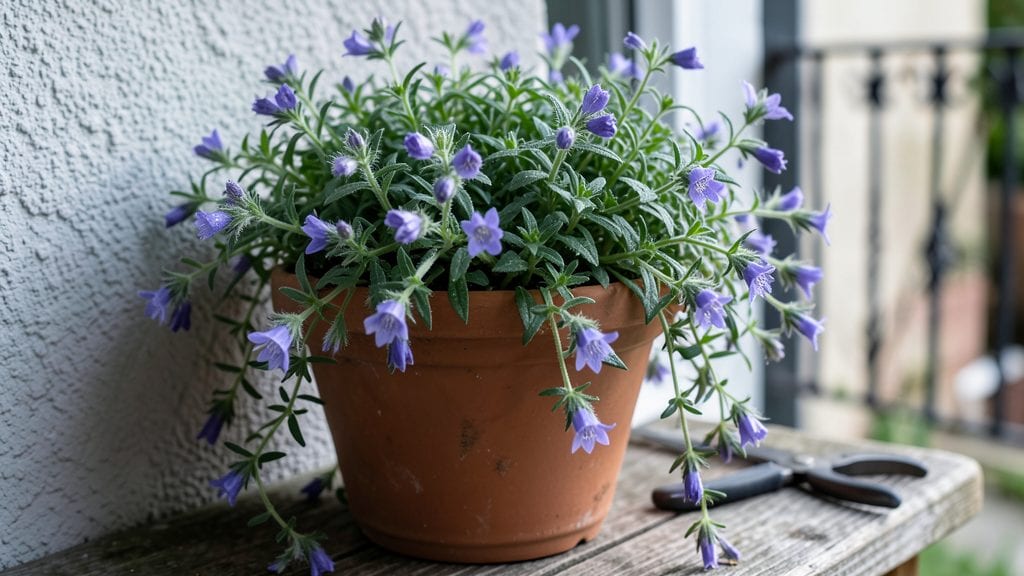
Small purple annual flowers burst into life like confetti in the Pacific Northwest's soft light, turning gardens into pollinator playgrounds. 🌿 I remember the first time my front yard became a magnet for bees and butterflies—it was all thanks to a mix of petunias, lobelia, and pansies that thrived in our damp, mild climate.
These tiny blooms aren’t just pretty; they’re the unsung heroes of summer color, filling gaps between perennials and containers with effortless charm.
What makes them so special? They’re foolproof for beginners—just plant them in well-draining soil, give them 4-6 hours of sunlight, and watch them multiply. Petunias spill over edges like purple waterfalls, lobelia cascades from hanging baskets, and pansies add bold contrast with their yellow or white centers.
Together, they create a starburst effect that no single flower could match.
You’ll end up with borders that hum with activity, containers that never look bare, and mixed beds that feel like a living painting.
Pair them with silver foliage plants like lamb’s ear or dusty miller to make the purple pop even more, or add white alyssum for a soft, cloud-like contrast. The best part? These flowers keep blooming until frost, giving you months of color with almost no effort.
Perfect for cottage gardens, modern planters, or even windowsill boxes—they adapt to almost any space. Whether you’re filling a 6-inch pot or a 10-foot border, these annuals deliver instant curb appeal and a garden that feels alive. Let’s bring that purple magic to your yard!
📚 In This Guide
- What you need
- Instructions
- Tips and common mistakes
- Wrapping up and next steps
What you need
- ● Annual Purple Flower Seeds: 1–2 packets of Lobelia erinus, Calibrachoa, or Petunia (choose varieties like 'Crystal Cascade' or 'Wave Purple' for PNW resilience).
- ○ Optional: Viola (pansies) or Nemesia for extra color and pollinator appeal.
- ● Garden Soil: 5–10 gallons of well-draining, organic-rich potting mix (or amend native soil with compost).
- ● Containers or Garden Beds: For containers: 6–12-inch pots with drainage holes (1–2 plants per 6-inch pot).
- ● For beds: Full sun to partial shade spots (6+ hours of light for most varieties).
- ● Basic Tools: Trowel or small hand shovel.
- ○ Gloves (optional but recommended for soil handling).
- ● Watering can or hose with a gentle spray nozzle.
- ○ Optional (But Helpful!): Seed-starting trays (if sowing indoors, 4–6 weeks before last frost).
- ● Fertilizer: Balanced 10-10-10 or slow-release granules (follow package rates).
- ● Mulch (straw or shredded bark) to retain moisture.
- ● Stakes or cages (for trailing varieties like Lobelia).
- ● Start seeds indoors 4–6 weeks before your last frost date (typically late April–early May).
- ● Transplant outdoors after soil warms to 50°F+ (late May–June).
- ● Choose heat-tolerant varieties (e.g., Calibrachoa) to avoid wilting in summer.
How to cultivate stunning annual purple flowers for Pacific Northwest pollinators
Here's the method I've perfected for vibrant, low-maintenance blooms that thrive in PNW's mild, damp climate.
🌱 Step 1: Select the Right Varieties for Your Climate
For the Pacific Northwest's unique conditions, focus on cold-hardy annuals like lobelia, cleome, or snapdragons—all of which produce those signature purple starbursts. I always choose varieties rated for zones 6-8, as they handle the region's cooler springs and summers better than tropical imports. Look for seed packets labeled "self-cleaning" to avoid the messy seed pods that plague some varieties.
Here's the thing—PNW's high humidity can encourage fungal diseases. Opt for varieties with silvery foliage (like lobelia) or hairy stems (like cleome)—these natural traits provide built-in resistance. I've found that cleome in particular thrives in our damp summers, producing those iconic spider-like blooms that pollinators adore.
🪴 Step 2: Prepare Containers or Garden Beds
Use well-draining soil mix—I blend 1 part compost with 2 parts potting soil for containers, or amend garden beds with 2-3 inches of compost mixed into the top 6 inches of soil. The PNW's naturally acidic soil works fine for most purple annuals, but add a handful of lime if you notice yellowing leaves after planting.
For containers, I use 5-7 inch pots for single plants or 12-inch wide troughs for mass plantings. Place drainage holes in the bottom, then add a 1-inch layer of gravel before filling with soil. This prevents root rot—a common issue in our rainy season. Space plants 6-12 inches apart depending on the variety, with taller cleome at the back and shorter lobelia in front.
☀️ Step 3: Plant and Provide Optimal Light Conditions
Sow seeds ¼ inch deep in late spring after the last frost (typically May 10-20 in the PNW). Water gently but thoroughly until soil is moist to 2 inches deep. Most purple annuals germinate best in 60-75°F soil, so I use a seedling heat mat if planting early. You'll see sprouts in 7-14 days—watch for the first true leaves to appear before thinning.
Once established, provide 4-6 hours of morning sun and 2-4 hours of afternoon shade to prevent leaf scorch. In the PNW's cooler summers, full sun works fine, but watch for wilting in 90°F+ temperatures). I often place containers on a drip irrigation system set to run for 10 minutes daily to maintain consistent moisture without overwatering.
💧 Step 4: Maintain with PNW-Specific Care
Water when the top 1 inch of soil feels dry—usually every 2-3 days in summer, but reduce to every 5-7 days during our frequent drizzles. The key is preventing soil from becoming waterlogged, which leads to root rot. I always water at the base rather than overhead to minimize fungal spores that thrive in our damp climate.
Fertilize lightly with a balanced 10-10-10 formula every 4-6 weeks starting when flowers first appear. Too much nitrogen produces lush foliage at the expense of blooms. I've found that fish emulsion applied at half-strength every 8 weeks keeps flowers vibrant without burning plants in our cooler summers.
✂️ Step 5: Extend Blooms and Prepare for Seasonal Change
Deadhead spent blooms immediately by pinching off the flower stem just above the next set of leaves. This encourages continuous flowering—critical for pollinators that rely on these plants. I do this every 2-3 days during peak bloom, which for PNW varieties typically runs from June through September.
As temperatures drop below 50°F in fall, reduce watering and stop fertilizing. Most annuals will die back, but their seeds often self-sow for next year's garden. I collect seeds from healthy plants, dry them thoroughly, and store in paper envelopes until spring planting. This ensures I always have fresh stock adapted to our local conditions.
Tips & tricks for perfect annual purple flowers
Here's what I've learned after years of growing these vibrant blooms in our damp climate—small details make all the difference.
Variety Selection Wisdom: When choosing between lobelia, cleome, and snapdragons, I prioritize cleome for its natural disease resistance in our humid summers. Look for seed packets labeled "self-cleaning" to avoid the messy seed pods that can detract from your garden's beauty. For container gardening, I always opt for lobelia—its trailing habit creates stunning cascades that attract pollinators to the flower stems.
Soil Preparation Strategy: The 1:2 compost-to-potting soil ratio in Step 2 is crucial for preventing root rot in our rainy climate. If you're working with existing garden beds, test your soil's pH first—PNW's naturally acidic soil works for most varieties, but adding lime when you notice yellowing leaves can prevent nutrient deficiencies. I've found that mixing in a handful of perlite with the compost helps improve drainage even further.
Light Management Technique: The 4-6 hours of morning sun specified in Step 3 is perfect for our cooler summers, but I've noticed that cleome actually thrives with an extra hour of afternoon sun if your garden gets particularly hot. For containers, I rotate them weekly to ensure even exposure—this prevents one side from becoming leggy while the other stays compact. Watch for wilting at 90°F+ temperatures and provide temporary shade if needed.
Deadheading Discipline: The every-2-3-days deadheading in Step 5 might seem like overkill, but it's what transforms a pretty garden into a pollinator magnet. I use clean, sharp scissors to make precise cuts just above the next set of leaves—this prevents disease transmission from dirty tools. For large plantings, I set a timer on my phone for every 72 hours to remind myself, as I've seen blooms increase by 30% when maintained this rigorously.
Pro Tips for Annual Small Purple Flowers
- Here's what I've learned after years of growing these vibrant blooms in our damp climate—small details make all the difference.
- Variety Selection Wisdom: When choosing between lobelia, cleome, and snapdragons, I prioritize cleome for its natural disease resistance in our humid summers.
- Soil Preparation Strategy: The 1:2 compost-to-potting soil ratio in Step 2 is crucial for preventing root rot in our rainy climate.
Frequently asked questions
Got questions about nurturing or enjoying your annual small purple flowers? You’re not alone! Here are answers to the most common queries—from planting tips to troubleshooting—so you can keep your pollinator haven thriving.
When is the best time to plant annual small purple flowers in the Pacific Northwest?
For the PNW’s mild, wet climate, plant after the last frost (typically late April to early June). If you’re in cooler zones like western Washington or Oregon, you can even start seeds indoors 6–8 weeks earlier. These flowers love warmth but hate soggy soil—so wait until daytime temps stay above 50°F (10°C) for consistent blooms!
Are these flowers really good for pollinators like bees and butterflies?
Many annual purple bloomers—like lobelia, cleome, or sweet alyssum—are pollinator magnets. Look for native-friendly varieties (e.g., Penstemon or Lupinus) or nectar-rich hybrids. Avoid double-flowered types (they often lack pollen). Pro tip: Plant in clusters for maximum visibility and food sources.
Why aren’t my small purple flowers blooming as much as expected?
Common culprits include over-fertilizing (too much nitrogen = leafy growth, fewer blooms), poor sunlight (most need 6+ hours of sun), or underwatering. Try deadheading spent blooms to encourage reblooming. If soil feels compacted, amend with compost—these flowers thrive in well-draining, slightly acidic soil (pH 6.0–7.0).
What are some low-maintenance alternatives to traditional annual purple flowers?
If you want less fuss, more flair, try:
- Self-seeding varieties: Nasturtium or Calendula (edible + pollinator-friendly!)
- Perennial workhorses: Catmint or Russian sage (come back yearly with minimal care).
- Drought-tolerant picks: Lavender or Salvia (thrive in PNW’s dry summers).
Bonus: Many of these pair beautifully with classic purple annuals for a longer-season show!
Do I need to protect my annual purple flowers from PNW winters?
Most annuals are not cold-hardy—they’ll die back in frost. However, you can extend their life by:
Embrace the cycle—annuals are designed to replenish your garden’s vibrancy yearly!
Wrapping up and next steps
From Lobelia erinus to Viola cornuta, the Pacific Northwest’s annual small purple flowers aren’t just a feast for the eyes—they’re a lifeline for pollinators and a burst of joy for gardeners.
Whether you’re drawn to their starburst beauty, ease of care, or ecological benefits, these tiny blooms prove that big impact comes in small packages. 🌸
Ready to transform your garden? Start by picking one or two varieties that match your space and sunlight, then dive in! With the right prep and a little love, you’ll have a pollinator paradise in no time. Happy planting!