
Shrubs
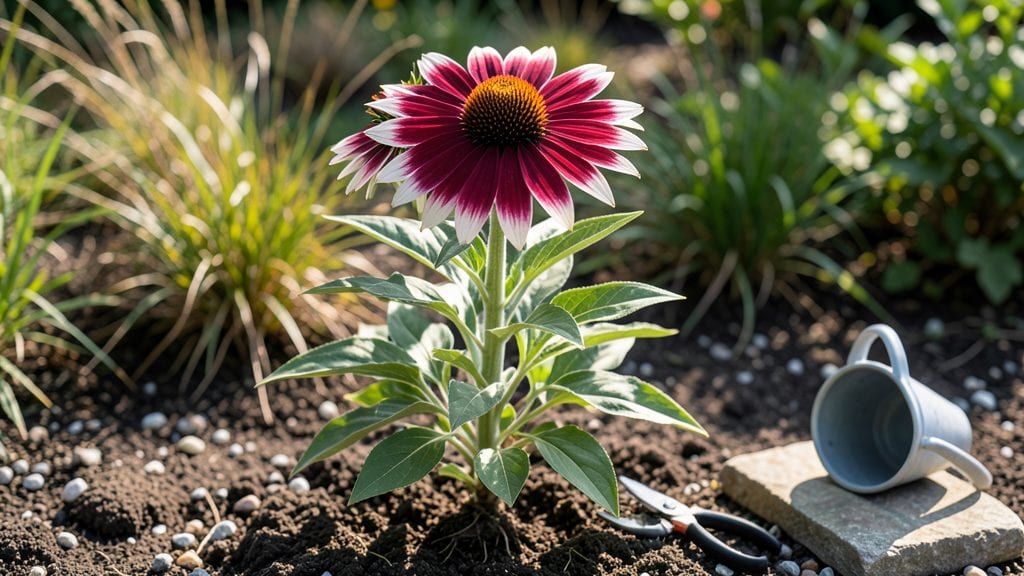
There's nothing like the artisan red ombre coneflower to turn a garden from ordinary to showstopping. 🌸 This isn't your average coneflower—it's a vertical masterpiece with layers of deep burgundy fading into soft pink, creating drama that lasts from early summer through frost.
I planted mine last spring, and now it's the centerpiece of my border, drawing in hummingbirds while stealing every eye in the neighborhood.
The secret to making it work? Pair it with plants that play to its strengths—silver foliage like lamb's ear to highlight its colors, or deep purple salvia to create a moody contrast.
It thrives in full sun to partial shade, so whether you've got a sunny border or a dappled woodland edge, this coneflower adapts beautifully. The best part? It's low-maintenance once established, so you get that wow factor without the fuss.
Imagine your garden in late summer: the ombre blooms swaying in the breeze, their layered petals catching the light at every angle. You'll get three seasons of interest—sturdy stems for winter structure, fresh foliage in spring, and nonstop blooms from June to October.
It's the kind of plant that makes neighbors ask, "What is that?" and then want one for themselves.
Works as a standalone specimen, a mixed border anchor, or even in containers for patios. The key is giving it room to grow—3-4 feet tall and wide—so those dramatic blooms can really shine. Let's make your space unforgettable with this vertical showstopper.
📚 In This Guide
- What you need
- Instructions
- Tips and common mistakes
- Wrapping up and next steps
What you need
- ● Artisan Red Ombre Coneflower Plants: 1–3 mature shrubs (3–4 ft tall, hardy in Zones 3–9) OR
- ● Seeds (start indoors 8–10 weeks before last frost, or direct-sow in spring/fall)
- ● Well-draining soil: Amend with compost (2–3 inches mixed into top 12 inches of soil) for optimal growth.
- ● Full sun location: Minimum 6–8 hours of direct sunlight daily.
- ● Mulch: 2–3 inches of organic mulch (e.g., shredded bark or straw) to retain moisture and suppress weeds.
- ● Garden trowel or spade
- ● Pruning shears (sterilized with rubbing alcohol)
- ○ Gloves (optional but recommended for handling soil/seeds)
- ● Watering can or hose with a gentle spray nozzle
- ● Measuring tape (for spacing plants 18–24 inches apart)
- ● Slow-release fertilizer (e.g., 10-10-10, applied in early spring)
- ● Staking (for young plants in windy areas)
- ● Drought-resistant ground cover (e.g., sedum) to complement the coneflowers
- ● Decorative stones or pebbles for a polished garden bed
How to grow stunning artisan red ombre coneflowers for season-long color
Here's how to coax those bold, layered blooms into your garden with minimal fuss.
🌱 Step 1: Choose the Perfect Planting Site
Coneflowers thrive where they get full sun—at least 6-8 hours daily—but they'll tolerate 4-6 hours if summers are scorching. I always pick spots with good air circulation to prevent powdery mildew, which can dull those rich red ombré blooms. The soil should drain well, so avoid low spots where water pools.
Test your soil's drainage by digging a 6-inch hole, filling it with water, and timing how long it takes to drain. If it's still damp after 2 hours, amend with 2-3 inches of coarse sand or perlite mixed into the top 12 inches of soil. Coneflowers hate soggy roots but love fertile ground—work in 2-3 inches of compost before planting.
🌿 Step 2: Plant at the Right Time and Depth
Spring is ideal for planting, but these hardy perennials also tolerate fall planting if done 4-6 weeks before your first frost. Dig a hole twice as wide as the root ball but only as deep—planting too deep can suffocate the crown. Gently tease the roots outward if they're circling tightly in the container.
Space plants 18-24 inches apart for that dramatic vertical impact. Here's the thing—coneflowers have deep taproots, so avoid disturbing them after planting. Water deeply right after to settle the soil, then let it dry slightly before watering again. You'll know it's right when the soil feels like a damp sponge, not a soggy rag.
☀️ Step 3: Water and Feed for Vibrant Blooms
Once established, coneflowers are drought-tolerant, but young plants need 1 inch of water weekly during their first growing season. Water at the base in the morning to prevent fungal diseases. I always check by pressing my finger 2 inches into the soil—if it's dry, it's time to water.
Feed lightly in early spring with a balanced 10-10-10 fertilizer (about 1 tablespoon per plant). Too much nitrogen makes them flop over with lush foliage but few flowers. After the first flush of blooms, deadhead spent flowers to encourage more blooms. You'll see new buds forming within 3-4 weeks if the plant is happy.
✂️ Step 4: Prune for Next Year's Drama
In late fall or early spring, cut back the stems to 2-3 inches above the ground. This may look drastic, but it prevents disease and encourages stronger growth. I always use clean, sharp shears to avoid tearing the stems. Wear gloves—coneflower stems can be prickly!
Leave the seed heads over winter if you want to attract birds and add winter interest. If you prefer tidy beds, remove them after they've dried. Mulch around the base with 2-3 inches of shredded leaves or straw to protect the crown from freezing temperatures. Your plants will reward you with even more vibrant ombré blooms next season.
Tips & tricks for perfect artisan red ombre coneflower growth
Your coneflowers deserve that showstopping ombré drama—here's how to unlock their full potential with minimal effort.
Sunlight Strategy: While 6-8 hours of sunlight is ideal for those vibrant ombré blooms, I've found that positioning your plants slightly to the north can actually extend their flowering season by 2-3 weeks. Early morning sun helps prevent afternoon wilting, which is especially important during hot summers. If you're working with 4-6 hours of sun, place them where they get the most direct rays between 10 AM and 2 PM when the sun is strongest.
Soil Science: The 2-hour drainage test is your secret weapon against root rot. I've learned the hard way that even a slight depression can turn your planting site into a swamp. For heavy clay soils, mix in 50% more compost (about 3-4 inches) than the recommended 2-3 inches—this improves both drainage and fertility without overwhelming the plants. The key is creating that perfect "damp sponge" texture where water drains but nutrients stay.
Pruning Precision: When cutting back to 2-3 inches in late fall, I always make my cuts at a 45-degree angle just above a leaf node. This small detail encourages new growth from that exact spot next spring. For extra protection, sprinkle a handful of wood ash around the base after pruning—it adds potassium and deters slugs, which love tender new growth.
Deadheading Timing: The 3-4 week window between deadheading and new blooms is your plant's natural rhythm. I've found that doing this on a cloudy morning prevents stress on the plant. Plus, the damp petals make for beautiful compost—just toss them in your compost bin after collection. This simple habit can double your flowering season if done consistently.
Pro Tips for Artisan Red Ombre Coneflower
- Your coneflowers deserve that showstopping ombré drama—here's how to unlock their full potential with minimal effort.
- Sunlight Strategy: While 6-8 hours of sunlight is ideal for those vibrant ombré blooms, I've found that positioning your plants slightly to the north can actually extend their flowering season by 2-3 weeks.
- Soil Science: The 2-hour drainage test is your secret weapon against root rot.
Frequently asked questions
How do I encourage the boldest red ombre effect in my coneflower?
The ombre look is naturally enhanced by full sun exposure (6+ hours/day) and well-draining soil with a slightly acidic to neutral pH (6.0–7.5). Add a balanced fertilizer (10-10-10) in early spring to boost vibrancy. For extra drama, prune spent blooms to redirect energy into new, richer hues!
When is the best time to plant or transplant artisan red ombre coneflowers?
Plant in early spring (after last frost) or early fall for optimal root establishment. Avoid transplanting in peak summer heat—it stresses the plant. If you’re dividing mature clumps, do it in spring or fall and water deeply afterward to reduce shock. Pro tip: Mulch with 2–3 inches of organic matter to retain moisture!
Can I grow artisan red ombre coneflowers in containers? What’s the trick?
Choose a large container (18"+ diameter) with drainage holes and use a lightweight, airy potting mix (add perlite or sand for drainage). Since they’re drought-tolerant, water only when the top inch of soil is dry. For containers, fertilize monthly in growing season to compensate for nutrient loss. Bonus: They thrive in urban settings with reflected heat!
Are there any pests or diseases I should watch for with this variety?
Artisan red ombre coneflowers are generally low-maintenance, but keep an eye out for:
- Aphids or spider mites (spray with water or neem oil if spotted).
- Powdery mildew (improve airflow; avoid overhead watering).
- Rust fungus (remove infected leaves; improve drainage).
What’s the easiest way to propagate artisan red ombre coneflowers?
The simplest method is division in early spring or fall:
- Dig up the clump and separate into smaller sections with roots intact.
- Trim any damaged roots and replant immediately in prepared soil.
- Water thoroughly and avoid fertilizing for 4–6 weeks to reduce stress.
Wrapping up and next steps
Embrace the artisan red ombre coneflower as your garden’s bold new star—its striking vertical drama and year-round resilience make it a must-have for any landscape! Whether you’re a seasoned gardener or just starting, this plant delivers effortless beauty with minimal fuss.
Ready to elevate your outdoor space? Start by sketching your design, gathering supplies, and planting with confidence—your garden’s masterpiece awaits! 🌸✨