
Flowers
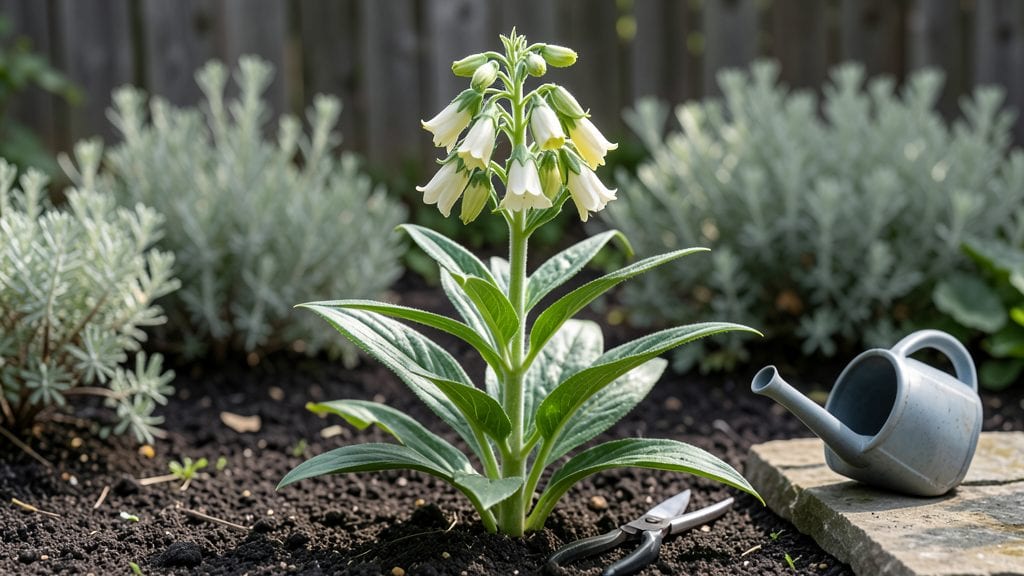
This bells of Ireland cut flower, with its delicate papery bells, transforms your garden into a drought-proof floral factory—those charming blooms last for weeks in arrangements and thrive even when you forget to water them. 🌿 I’ve grown them for years, and they’re the only cut flower that stays fresh even when I’m terrible at remembering deadheading.
The secret lies in their resilience: they bounce back from neglect, love partial shade, and produce three seasons of blooms with almost no effort.
You’ll need a spot with morning sun and afternoon shade—they tolerate heat better than most cut flowers—and well-draining soil (even sandy or rocky works).
Plant them in spring or early fall, spacing them 12-18 inches apart, and watch them self-seed like crazy (which means more free flowers next year).
The real magic happens when you snip stems for arrangements: their velvety texture and papery blooms add drama to bouquets without needing fancy flowers.
Harvesting is foolproof: cut stems when half the bells are open, and they’ll last 10-14 days in a vase—longer if you change the water every few days. Prune back leggy stems in early summer to encourage bushier growth, and you’ll get a second flush of blooms by fall.
These plants are the workhorse of the cut-flower garden: they handle humidity, resist pests, and keep producing even when other flowers give up.
Pair them with tall grasses, salvias, or snapdragons for contrast, or let them naturalize in a wildflower meadow. They’re perfect for beginner growers, busy gardeners, or anyone who wants cut flowers without the fuss. Once you plant them, you’ll wonder why you didn’t start sooner—they’re that easy.
📚 In This Guide
- What you need
- Instructions
- Tips and common mistakes
- Wrapping up and next steps
What you need
- ● Bells of Ireland seeds or plants: Start with Mollugo verticillata seeds (for sowing) or young plants (for transplanting). Aim for 10-20 plants for a small bouquet harvest.
- ● Well-draining potting mix: Use a high-quality seed-starting mix (e.g., 50% peat moss, 30% perlite, 20% vermiculite) or a soilless blend for containers.
- ● Containers or garden bed: Containers: Use 6-inch pots or larger (minimum 1 plant per pot) with drainage holes.
- ● Garden bed: Choose a spot with full sun (6+ hours/day) and loose, sandy soil.
- ● Watering can or hose with gentle spray nozzle: Keep soil consistently moist but not soggy.
- ● Pruning shears or sharp scissors: Use sterilized tools to harvest stems cleanly.
- ○ Floral preservative (optional but recommended):strong> A commercial flower food packet (e.g., Floralife) or DIY mix (1 tsp sugar + 1 tsp bleach per quart of water).
- ● Grow lights (for indoor seed starting): LED full-spectrum bulbs (12-16 hours/day) if growing indoors.
- ● Fertilizer: A balanced liquid fertilizer (10-10-10) or fish emulsion (diluted to half-strength) every 4-6 weeks.
- ● Mulch: Straw or shredded leaves to retain moisture and suppress weeds.
- ● Floral foam or buckets: For arranging harvested stems in water.
- ● Gloves: To protect hands while handling soil or prickly stems.
Step-by-step guide to growing bells of ireland as cut flowers
Here’s how to cultivate these striking blooms with minimal effort—perfect for long-lasting arrangements.
🌱 Step 1: Choose the Right Location and Soil
Bells of Ireland thrive in partial shade, tolerating 4-6 hours of morning sun but avoiding harsh afternoon rays. Pick a spot with dappled light—think under tall trees or near a north-facing wall. The soil should be well-draining but consistently moist; these plants despise soggy roots. Amend heavy soil with compost or perlite to improve aeration, and ensure the area has at least 12 inches of depth for root spread.
I always test soil moisture by squeezing a handful—if it holds shape but crumbles when touched, it’s ideal. For containers, use a mix of 50% potting soil and 50% perlite to mimic loose, airy conditions. Avoid garden soil from flower beds, which can compact and suffocate roots.
☀️ Step 2: Plant Seeds or Transplants at the Right Time
Start seeds indoors 8-10 weeks before your last frost date in biodegradable pots to prevent root disturbance. Press seeds ¼ inch deep into moist soil and keep them in a warm (70-75°F) propagator until germination, which takes 14-21 days. Once seedlings have 2-3 true leaves, transplant them outdoors after hardening off for 7-10 days—gradually increase their time outside to avoid shock.
For faster results, buy established transplants in spring. Space them 12-18 inches apart in rows 18 inches apart to allow airflow. These plants grow 2-3 feet tall, so give them room to mature without crowding. Water deeply after planting to settle the soil and encourage root growth.
💧 Step 3: Water and Fertilize for Long-Stemmed Blooms
Bells of Ireland need consistent moisture but hate soggy soil. Water once weekly in dry climates, or every 2-3 days in containers, until the top 2 inches of soil feel dry. You’ll know it’s time when the leaves slightly droop—this is their signal for hydration. Avoid wetting the foliage to prevent fungal diseases like powdery mildew.
Feed plants every 4-6 weeks with a balanced, water-soluble fertilizer (10-10-10) diluted to half strength. Stop fertilizing 6 weeks before harvest to prevent bitter flavors in the stems. I swear by a slow-release granular fertilizer applied at planting time for a steady nutrient supply without the risk of overfeeding.
✂️ Step 4: Harvest and Arrange for Maximum Longevity
Cut stems when half the bells are fully formed but before they open completely—this ensures the longest vase life. Use clean, sharp shears and snip at a 45-degree angle just above a leaf node. Remove lower leaves that would sit in water to prevent bacterial growth. Harvest in the early morning for the freshest stems.
Strip stems under water to remove air pockets, then place in a bucket of lukewarm water with a flower preservative (like 1 teaspoon bleach + 1 teaspoon sugar per quart of water). Refrigerate uncut stems for up to 5 days to extend freshness. In arrangements, these blooms last 10-14 days—longer than most cut flowers.
🌿 Step 5: Overwinter and Renew for Next Season
Bells of Ireland are perennial in USDA zones 9-11 but often treated as annuals in colder climates. After the first frost, cut back stems to 2 inches tall and mulch with 2-3 inches of straw to protect roots. In colder zones, dig up tubers in fall, store them in dry peat moss at 40-50°F, and replant in spring.
For year-round blooms, succession plant seeds every 4-6 weeks in warm climates. In cooler areas, start a second batch indoors in late winter to extend the harvest season. These plants are surprisingly resilient—even if they bolt prematurely, their striking foliage adds texture to arrangements.
Tips & tricks for perfect bells of ireland cut flowers
These simple strategies will help you grow stunning, long-lasting blooms with minimal effort—no green thumb required.
Light Management: The 4-6 hours of morning sun is non-negotiable for these plants. If your garden gets intense afternoon sun, consider using shade cloth (30-50% coverage) during peak hours. I’ve seen Bells of Ireland scorch when exposed to direct afternoon rays—watch for yellowing leaves as an early warning sign. Position your plants where they get bright but indirect light all day, especially in hot climates.
Soil Prep Secret: When amending soil with compost or perlite, mix it into the top 6 inches of soil—not just the surface. This ensures consistent moisture and aeration throughout the root zone. For containers, I always pre-moisten the soil mix before planting to eliminate air pockets that can suffocate young roots. Think of it like fluffing a pillow—your plants need room to breathe and expand.
Germination Hack: The 14-21 day germination window can feel like an eternity, but you can speed things up by placing your seed trays under a grow light (12-16 hours daily) once the first leaves appear. This mimics natural sunlight and helps seedlings develop stronger stems. Just keep the soil consistently moist—never soggy—during this critical phase. A humidity dome or plastic wrap over the tray helps retain moisture without overwatering.
Harvest Timing: Cutting when half the bells are fully formed but before they open completely is the sweet spot for vase life. I use a simple visual trick: look for the first signs of color change in the bells' edges—this indicates they’re about 50% mature. Early morning harvests yield the freshest stems, but if you miss that window, harvest in the evening instead of midday heat. The cooler temperatures help preserve the stems' integrity.
Pro Tips for Bells Of Ireland Cut Flower
- These simple strategies will help you grow stunning, long-lasting blooms with minimal effort—no green thumb required.
- Light Management: The 4-6 hours of morning sun is non-negotiable for these plants.
- Soil Prep Secret: When amending soil with compost or perlite, mix it into the top 6 inches of soil—not just the surface.
Frequently asked questions
Got questions about growing and enjoying Bells of Ireland as cut flowers? You’re in the right place! Here are answers to the most common queries—so you can dive right in with confidence.
How long do Bells of Ireland flowers last as cut flowers?
Bells of Ireland
stay vibrant for 7–14 days in a vase, thanks to their sturdy stems and natural preservatives. To extend their life, trim stems at an angle, change the water every 2–3 days, and keep them away from direct sunlight or heat sources. Their papery texture also resists wilting better than many cut flowers!
When is the best time to harvest Bells of Ireland for cutting?
Harvest when half the buds are open—this ensures a mix of blooms and buds for a dynamic arrangement. Pick in the early morning after dew has dried but before the heat of the day. Use sharp shears to avoid crushing stems, and harvest regularly to encourage more blooms. Pro tip: Bells of Ireland can rebloom if deadheaded!
Do I need special water or additives to keep them fresh?
Nope! Plain water works, but a pinch of bleach (1/4 tsp per quart) or a commercial flower food can prevent bacterial growth. Avoid overcrowding stems in the vase—tight spaces trap ethylene gas, speeding up wilting. For extra longevity, recut stems every few days to improve water uptake. Simple is best!
Can I mix Bells of Ireland with other cut flowers?
Their unique texture and color (ranging from chartreuse to deep orange) pair beautifully with dahlias, snapdragons, or eucalyptus. Avoid pairing with overly fragrant flowers like lilacs—they can overpower the delicate, earthy scent of Bells of Ireland. For a rustic look, try them with dried wheat stalks or ferns.
What should I do if my Bells of Ireland stems bend or droop?
Bending often happens if stems are overcrowded in the vase or the water is low. Straighten them gently and trim 1–2 inches off the base to refresh the cut. If drooping persists, check for ethylene gas (from nearby fruit or ripe flowers) or bacterial buildup in the water. A quick soak in cool water for 10 minutes can revive wilted stems!
Wrapping up and next steps
The Bells of Ireland cut flower is a stunning, low-maintenance choice for year-round color and charm—whether you're a seasoned gardener or just starting out. 🌿 With its vibrant hues and effortless care, it’s the perfect way to elevate any space without the fuss.
Ready to bring these cheerful blooms into your home or garden?
Your next step? Grab a few stems, follow the simple care tips, and let their beauty brighten your days! Whether you’re arranging them in a vase or gifting them to a loved one, these flowers are a joy to grow and share.