
Size
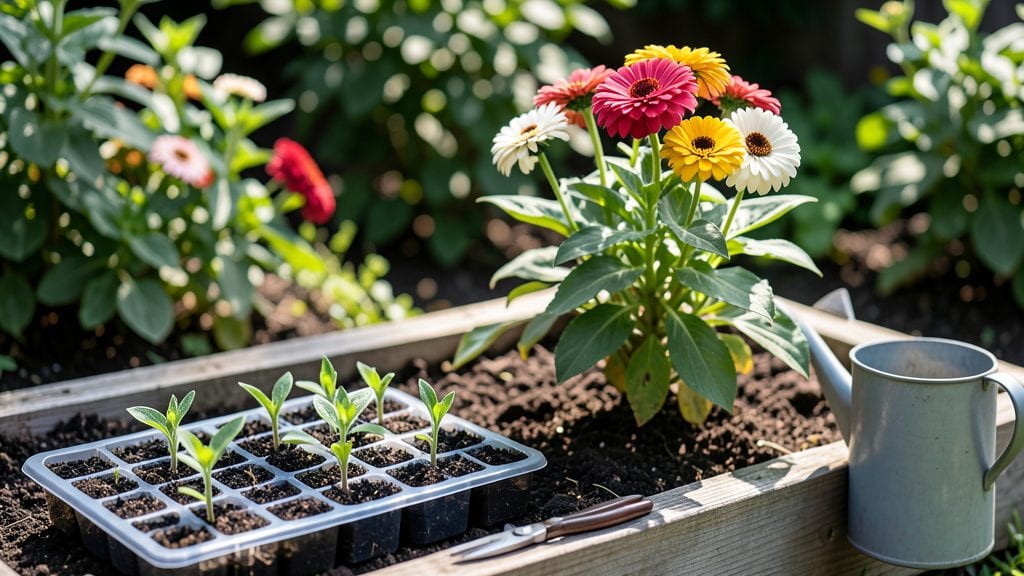
Growing a flower garden for beginners starts with the right mix of easy-to-grow plants and simple techniques that actually work. 🌸 I’ve watched my own backyard transform from a patch of weeds to a vibrant display of color—all without needing a green thumb or fancy tools.
The secret lies in choosing hardy annuals and perennials that thrive with basic care, combined with a few smart strategies that cut out the guesswork.
You’ll need just a few essentials: a sunny spot (at least 6 hours of sunlight daily), a shovel, some mulch, and a watering can or hose. The soil doesn’t have to be perfect—just loose and well-draining.
I’ve used simple $20 starter plants from a local nursery and turned them into a garden that blooms from spring to fall. The key is picking flowers that match your light and soil conditions, like marigolds for full sun or impatiens for shady spots.
By the end of your first season, you’ll have a garden bursting with color, fragrance, and maybe even a few butterflies. The plants will grow taller, the flowers will multiply, and you’ll realize how much easier this is than you thought.
No more wilted stems or mysterious garden failures—just reliable, beautiful results. Let’s get those flowers planted!
This method works for small spaces like window boxes or full backyard plots, and I’ll show you how to adapt it for containers if you don’t have ground to spare. The best part? You’ll learn troubleshooting tricks that keep your garden thriving year after year. Ready to dive in?
📚 In This Guide
- What you need
- Instructions
- Tips and common mistakes
- Wrapping up and next steps
What you need
- ● Garden plot or containers: A sunny spot (6+ hours of sunlight) or 5–10 gallon pots with drainage holes (1–4 per plant, depending on size).
- ● Quality soil: 1–2 bags of well-draining potting mix (or garden soil amended with compost). Avoid heavy clay.
- ● Seeds or seedlings: Beginner-friendly picks like marigolds, sunflowers, or petunias (10–20 plants for a small garden).
- ● Watering can or hose: A lightweight can (1–2 gallons) with a rose attachment for gentle watering.
- ● Gloves & hand trowel: A pair of durable gardening gloves and a 5-inch trowel for planting.
- ● Pruners: Small, sharp bypass pruners for trimming dead blooms.
- ○ Mulch (optional but helpful): 1–2 bags of shredded bark or straw to retain moisture.
- ● Fertilizer: Slow-release granular fertilizer or liquid bloom booster (follow package rates).
- ● Stakes or cages: For tall flowers like sunflowers or hollyhocks (3–6 stakes per plant).
- ● Soil test kit: Check pH balance (aim for 6.0–7.0 for most flowers).
- ● Knee pad or stool: For comfort during planting.
- ● Journal/notebook: Track planting dates, watering schedules, and growth progress!
Step-by-Step instructions for planting your first flower garden
Let's start simple—this method works whether you're working with a sunny backyard or a small patio space.
🌱 Step 1: Choose the Perfect Location for Your Flowers
Scan your space for at least 6 hours of sunlight daily—most annuals and perennials thrive with full sun. If your yard only gets partial sun, opt for shade-tolerant varieties like impatiens or ferns. I always test my spot by placing a white sheet of paper in the sunniest area for an hour—if it stays cool to the touch, that’s partial shade.
Next, check the soil drainage by digging a 6-inch hole and filling it with water. If the water drains within an hour, your soil is fine. If it pools, you’ll need to amend with 2-3 inches of compost or create raised beds. Here’s the thing—flowers hate soggy roots, so this step prevents future problems.
🪴 Step 2: Prepare the Soil for Healthy Growth
Loosen the top 4-6 inches of soil with a garden fork or tiller—this helps roots spread easily. Mix in 2-3 inches of compost (or the 1 bag of garden soil if you’re starting fresh) to boost nutrients. If your soil feels heavy or clay-like, add 1 part perlite or sand to every 2 parts soil to improve drainage.
I like to rake the area smooth afterward—this creates a clean surface for planting and makes spacing flowers easier. Pro tip: If you’re planting in a new bed, lay down 1 layer of landscape fabric first to block weeds without smothering roots.
☀️ Step 3: Plant Flowers at the Right Depth and Spacing
Dig holes twice as wide as the root ball but only as deep as the container’s base. Gently remove plants from pots and tease the roots apart if they’re circling—this encourages outward growth. Place each flower in its hole, then fill with soil, pressing lightly to eliminate air pockets. Water immediately to settle the roots.
Spacing matters—check the plant tag for guidance, but a good rule is 12-18 inches apart for most annuals and 18-24 inches for perennials. Crowding leads to competition for water and nutrients, so don’t rush this step. I always plant in a grid pattern first, then fill gaps with smaller fillers like alyssum or sweet alyssum.
💧 Step 4: Water Deeply and Establish a Routine
Water 1 inch per week (more if it’s hot or windy) and always at the base to avoid wetting leaves, which spreads disease. The first watering should be deep—stick your finger 2 inches into the soil; if it’s dry, keep watering until moisture reaches that depth. Mulch with 1-2 inches of shredded bark afterward to retain moisture and suppress weeds.
Here’s where beginners trip up: don’t water daily. Instead, check the soil surface—if it’s dry to the touch, it’s time to water. Overwatering is just as harmful as underwatering. I set a reminder on my phone for the first few weeks to stay consistent.
✂️ Step 5: Maintain and Enjoy Your Blooms
Deadhead spent flowers (pinch off faded blooms) to encourage more blossoms. This simple task takes 5 minutes weekly and keeps your garden looking fresh. I also check for pests like aphids or powdery mildew every 2 weeks—catching issues early saves your plants. If you see yellowing leaves, it’s usually a sign of overwatering or nutrient deficiency.
Finally, fertilize every 4-6 weeks with a balanced, slow-release fertilizer (like the 10-10-10 formula) to keep flowers thriving. Avoid overdoing it—too much fertilizer burns roots. Step back and admire your work! You’ve just created a space that’ll reward you with color all season.
Tips & tricks for perfect flower garden planting
Planting flowers doesn't have to be intimidating—these simple tricks will help you create a thriving garden that looks like it belongs in a magazine.
Sunlight Secret: That 6 hours of sunlight mentioned in Step 1 is non-negotiable for most flowers, but here's the thing: morning sun is gentler than afternoon heat. If you're planting in a sunny spot, position taller flowers on the north side to prevent shading smaller plants. I always check sunlight patterns for a full week before planting—what seems sunny in summer might be shady in winter.
Soil Prep Shortcut: Don't have a tiller? A sturdy garden fork works just as well for loosening the 4-6 inches of soil in Step 2. Work the fork in and out in a zigzag pattern, then mix in that 2-3 inches of compost by hand. For heavy clay soil, add 1 part perlite to 2 parts soil—this improves drainage without making your soil too sandy. Confession: I skipped this step for years and wondered why my flowers struggled to grow.
Planting Technique: When you're planting in Step 3, here's what nobody tells you—water the plants before you put them in the ground. This helps settle the soil around roots and prevents air pockets. For container plants, soak the root ball for 10-15 minutes before transplanting. I also recommend using a small board to walk on when planting—it keeps your garden clean and protects delicate stems.
Watering Wisdom: The 1 inch per week guideline in Step 4 is perfect, but timing matters too. Water in the early morning so leaves have time to dry before evening—this prevents fungal diseases. For the first 2 weeks after planting, water every 2-3 days to help roots establish. I set a simple timer on my phone for watering days to avoid forgetting.
Pro Tips for Grow A Flower Garden For Beginners
- Planting flowers doesn't have to be intimidating—these simple tricks will help you create a thriving garden that looks like it belongs in a magazine.
- Sunlight Secret: That 6 hours of sunlight mentioned in Step 1 is non-negotiable for most flowers, but here's the thing: morning sun is gentler than afternoon heat.
- Soil Prep Shortcut: Don't have a tiller?
Frequently asked questions
Got questions? You’re not alone—growing a flower garden is exciting, but it’s natural to have doubts! Here are answers to the most common questions beginners ask to help you feel confident and ready to bloom.
How do I know when to plant my flowers?
The best time depends on your climate and flower type. Cool-season flowers (like pansies or snapdragons) thrive when planted in early spring or fall, while warm-season blooms (like marigolds or zinnias) love late spring or summer. Check seed packets or local gardening guides for specific timing—most flowers prefer soil temps between 60–75°F.
How often should I water my new flower garden?
Water deeply 1–2 times per week (more in extreme heat or dry spells). Aim for 1 inch of water per week, either from rainfall or irrigation. Morning watering is ideal—it reduces evaporation and fungal risks. Avoid overhead watering at night to prevent mildew. Let soil dry slightly between waterings to encourage strong roots!
What should I do if pests or diseases attack my flowers?
Stay calm—most issues are fixable! Start with prevention: healthy soil, proper spacing, and regular checks. For pests, try neem oil or insecticidal soap (gentle on plants). Fungal diseases? Improve airflow and remove infected leaves. If problems persist, research organic solutions or consult a local nursery for targeted help.
Can I grow flowers in containers or small spaces?
Containers are perfect for balconies, patios, or tiny yards. Choose well-draining pots (at least 6–12 inches deep) and use lightweight potting mix. Opt for compact varieties like petunias, geraniums, or dwarf sunflowers. Just ensure containers get 6+ hours of sunlight daily and water frequently.
How much does starting a flower garden cost?
Costs vary, but you can start small for under $50! Seeds are cheaper than transplants (try heirloom or wildflower mixes), and basic tools (gloves, trowel, watering can) can be found secondhand. Repurpose containers (buckets, old pots) to save money. Prioritize essentials like soil amendments and mulch—skip fancy decor until you’re hooked!
Wrapping up and next steps
Growing your first flower garden is easier than you think—just start small, choose the right plants, and let nature do the rest! 🌸 With the right tools, a little patience, and these beginner-friendly steps, you’ll soon enjoy a vibrant, thriving garden that brings joy and beauty to your space. Your next step? Pick a sunny spot, grab your seeds or seedlings, and begin planting today—you’ve got this!