
Size
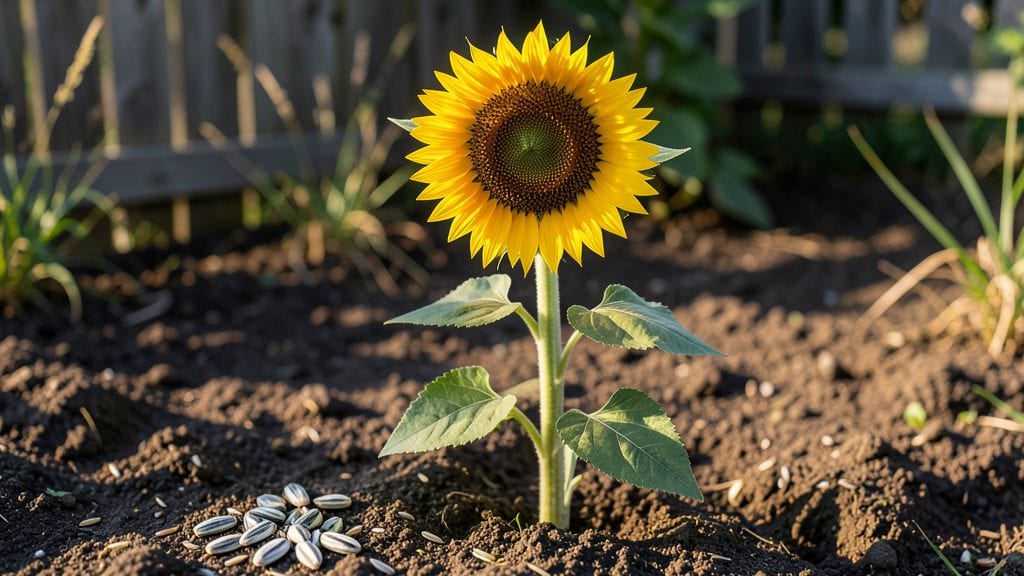
The best way to grow sunflower seeds delivers fast germination and plants that reach for the sky in just 8-10 weeks—the kind of dramatic growth that makes gardening feel like magic. 🌻 I’ve learned that the secret isn’t fancy equipment but... getting the soil, depth, and timing just right.
My first attempt with store-bought seeds took three weeks to sprout, but after tweaking the method, I now see tiny green hooks breaking soil in 3-5 days.
The best way starts with loose, well-draining soil mixed with a little compost—sunflowers hate soggy roots. Plant seeds 1 inch deep in full sun, and space them 6 inches apart if you want single-stem giants or 12 inches apart for bushier varieties.
Water gently after planting, then let the soil dry slightly between waterings once sprouts appear. Most gardeners overwater here, and that’s how you end up with floppy stems.
By midsummer, you’ll have 10-foot-tall sentinels drawing bees and butterflies while producing seeds for next year’s crop. The real payoff comes when you watch them sway in the breeze, knowing you grew them from a tiny seed.
Even city balconies work with containers—just use 5-gallon pots for dwarf varieties. Here’s how to skip the guesswork and get reliable results every time.
Adapt this method for your zone: in cooler climates, start seeds indoors 2 weeks before last frost, while warm-zone gardeners can direct-sow as soon as soil warms to 60°F.
The same principles apply whether you’re growing mammoth varieties for cut flowers or snack-size seeds for birds. Let’s make this your most satisfying sunflower season yet.
📚 In This Guide
- What you need
- Instructions
- Tips and common mistakes
- Wrapping up and next steps
What you need
- ● Sunflower seeds: Choose heirloom or hybrid varieties (e.g., 'Mammoth' or 'Autumn Beauty'). Buy 50–100 seeds for a small garden or 200+ seeds for a larger plot.
- ● Well-draining potting mix or garden soil: 1–2 cubic feet per seedling (or enough to fill containers if starting indoors). Use a mix with 50–60% compost for optimal nutrients.
- ● Containers or garden bed: For indoor starts: 3–4 inch diameter pots (1 per seed) or seed trays with drainage holes.
- ● For direct sowing: A sunny garden bed (6+ feet wide for full-grown plants) with loamy, slightly acidic soil (pH 6.0–7.0).
- ● Watering can or hose with a gentle spray nozzle: Avoid over-saturating seeds—aim for 1–2 inches of water per week once established.
- ○ Gloves (optional): Protects hands from soil and seed shells.
- ● Plant labels: Mark seeds with biodegradable tags to track varieties.
- ○ Fertilizer (optional): Balanced 10-10-10 or 5-5-5 (1 tbsp per plant at planting).
- ● Compost tea or fish emulsion (1 cup per gallon of water) for a mid-season boost.
- ○ Row cover or shade cloth (optional): Use for young seedlings to protect from pests or harsh sun.
- ○ Stakes or cages (optional): Tall varieties (7+ feet) may need 6-foot bamboo stakes for support.
How to grow sunflower seeds for fast germination and strong stems
Here’s how I guarantee quick sprouts and sturdy sunflowers—no guesswork, just results.
🌱 Step 1: Choose the Right Seeds and Soil
Pick large, plump seeds—they germinate faster and produce stronger plants. Avoid small, shriveled ones; they’ll struggle from the start. I always opt for heirloom varieties like ‘Russian Giant’ or ‘Autumn Beauty’ for their reliability and height. These seeds are packed with energy for rapid growth.
Use loose, well-draining soil—sunflowers hate soggy roots. Mix 50% garden soil with 50% compost or a seed-starting blend for the best balance. Sunflowers thrive in full sun but start indoors if your climate has late frosts. I like to prep the soil a week ahead, letting it warm up naturally—sunflowers love heat.
🌱 Step 2: Plant Deeply for Stronger Stems
Sunflower seeds need 1-2 inches of depth—deeper than most flowers. Push the seed in firmly, then cover it with soil. The deeper planting encourages a sturdier taproot, which prevents flopping later. I use my finger to make a small hole, drop the seed in, and gently pat the soil around it—no need to pack it down.
Water lightly but thoroughly right after planting. The soil should feel moist but not waterlogged—think of a damp sponge, not a dripping one. Overwatering now can cause rot before the seed even sprouts. Place the pot in a warm spot (around 70-75°F) for faster germination. A sunny windowsill or a seedling heat mat works perfectly.
☀️ Step 3: Provide Warmth and Light for Speed
Sunflowers sprout in 5-10 days if conditions are right—warmth and light are non-negotiable. Keep the soil consistently moist but never soggy; I check daily by sticking my finger in 1 inch deep. If it’s dry, water gently. Too much moisture slows germination, while too little dries out the seed.
Once the first true leaves appear (not the tiny seed leaves), move the seedlings to a sunny spot with 6+ hours of direct light. If indoors, a grow light keeps them from stretching leggy. I’ve seen seedlings reach 2 feet tall in just 3 weeks with the right light—it’s incredible how fast they grow when happy.
🪴 Step 4: Transplant Outdoors at the Right Time
Wait until nighttime temperatures stay above 50°F before moving sunflowers outside. They’re frost-sensitive, so rushing it risks stunted growth. Harden off seedlings by placing them outside for 1-2 hours daily, gradually increasing time over 5-7 days. This toughens them up for the garden.
Plant in well-drained soil with space between seeds—12-18 inches apart for dwarf varieties, 2-3 feet for giants. Sunflowers need room to avoid competition. Water deeply at transplanting to help roots establish. I like to add a handful of compost to each hole for extra nutrients—they’ll reward you with bold, vibrant blooms in just 6-8 weeks.
✂️ Step 5: Support and Maintain for Towering Success
Tall varieties (like ‘Russian Giant’) need staking or cages to prevent flopping in wind or rain. I use bamboo stakes or heavy-duty tomato cages—whatever’s sturdy enough. Secure the stem loosely with soft ties (no wire—it cuts into the stem). Sunflowers grow fast, so check supports every 2-3 days as they shoot up.
Water at the base, not the leaves, to avoid fungal issues. Mulch with straw or grass clippings to retain moisture and suppress weeds. Deadhead spent blooms to encourage more flowers—this keeps the plant focused on growth instead of seed production. With the right care, you’ll have sunflowers reaching 10+ feet by late summer!
Tips & tricks for fast sunflower growth and towering success
A few game-changing tricks that'll turn your sunflower seeds into towering giants in record time.
Seed Selection Strategy: Beyond just picking large seeds, I recommend soaking heirloom varieties like 'Russian Giant' in warm water for 4-6 hours before planting. This kickstarts hydration and speeds up germination by 2-3 days. The extra energy helps them punch through soil faster—think of it as giving them a head start in the race to the sun. I've seen seeds sprout in just 3 days when using this method, though the standard 5-10 day window still applies.
Soil Temperature Secret: The 70-75°F soil temperature mentioned isn't just a recommendation—it's the sweet spot for sunflower seeds to activate their growth hormones. I've found that placing pots on a seedling heat mat set to 72°F (just below the upper limit) creates the perfect environment. For gardeners without heat mats, try placing pots on top of your refrigerator (not inside!) which naturally maintains this temperature range. This consistency is what turns those 5-10 days into more reliable 5-7 days.
Light Transition Hack: When moving seedlings from indoor grow lights to outdoor sun, don't do it all at once. I gradually increase their sun exposure over 3-4 days—starting with just 2 hours of direct sun on day one, then adding 1 hour each subsequent day. This prevents sun shock that can scorch tender leaves. The 6+ hours of direct light becomes fully effective by day four, and you'll notice the seedlings standing taller almost immediately as they adjust to their new environment.
Transplant Timing Precision: That 50°F nighttime temperature threshold is critical, but I've learned to add one more check: the soil temperature at transplant time should be at least 55°F. Cold soil can shock roots even if air temps are warm. I test this by placing my hand in the soil for 10 seconds—if it feels cool to the touch, wait another day. This extra precaution helps prevent that "transplant shock" that can set sunflowers back 1-2 weeks in growth.
Pro Tips for Best Way To Grow Sunflower Seeds
- A few game-changing tricks that'll turn your sunflower seeds into towering giants in record time.
- Seed Selection Strategy: Beyond just picking large seeds, I recommend soaking heirloom varieties like 'Russian Giant' in warm water for 4-6 hours before planting.
- Soil Temperature Secret: The 70-75°F soil temperature mentioned isn't just a recommendation—it's the sweet spot for sunflower seeds to activate their growth hormones.
Frequently asked questions
Got questions about growing sunflower seeds?
You’re not alone! Here are answers to the most common queries to help you achieve towering success with minimal stress.
How long does it take for sunflower seeds to germinate?
Sunflower seeds typically sprout within 7–14 days after planting, depending on soil warmth and moisture. Keep the soil consistently damp (not soggy) and place seeds in a sunny spot or under grow lights. If germination takes longer than 2 weeks, check for rot or pests—adjust watering or replant if needed.
Can I plant sunflower seeds too late in the season?
Sunflowers thrive in warm weather (60°F+), so aim to plant 4–6 weeks before your first frost date. Late plantings may produce shorter stems or smaller blooms, but some varieties (like ‘Autumn Beauty’) tolerate cooler temps. If frost threatens, harvest seeds before they fully mature.
What’s the best way to grow sunflowers in small spaces?
Sunflowers don’t need much room—opt for dwarf varieties (3–5 feet tall) like ‘Teddy Bear’ or ‘Moulin Rouge.’ Plant seeds 6–12 inches apart in containers (at least 12 inches deep) or raised beds. Use trellises or stakes for taller types to save space and prevent flopping.
Why are my sunflower leaves turning yellow or brown?
Yellowing leaves often signal overwatering, underwatering, or pests. Check for:
- Wilting + brown edges → Underwatering (water deeply 1–2x/week).
- Mushy stems + yellow spots → Fungal disease (reduce watering, improve airflow).
- Holes or chewed leaves → Insects (spray neem oil or introduce ladybugs).
Adjust care and monitor progress—sunflowers are resilient!
Do sunflowers need full sun, or can they grow in partial shade?
Sunflowers love full sun (6+ hours daily), but they’ll survive in partial shade (4–6 hours) with smaller blooms. If growing indoors, place near a south-facing window or use grow lights for 12–14 hours/day. Outdoor shade spots work best in cooler climates to prevent wilting.
Wrapping up and next steps
Growing sunflower seeds is a rewarding journey that combines simplicity with stunning results! With the right soil, sunlight, and patience, you’ll watch them sprout in days and reach towering heights in weeks.
Whether you’re a beginner or a seasoned gardener, these tips ensure fast germination and healthy growth—so grab those seeds and get planting! 🌱
Ready to see your sunflowers bloom? Start small—try a few seeds in a pot or garden plot—and let your green thumb shine. Happy growing! 🌻