
Watering
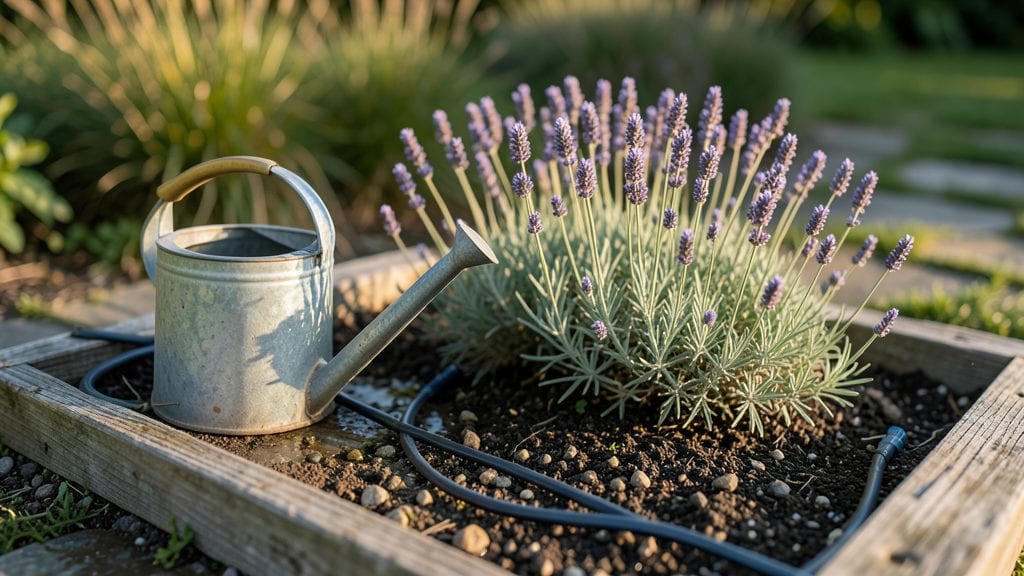
Watering flower beds the right way means the difference between wilted petals and vibrant blooms that last all season. I used to drown my beds thinking more water meant happier flowers—until I learned the secret of deep, infrequent soaks that encourage strong roots.
That first summer, my impatiens thrived while my neighbor’s plants struggled from surface-level sprinkling.
The best approach depends on your soil and climate, but the core rule stays the same: water deeply—about 1 inch per week—right at the base where roots drink. Early morning is ideal because it prevents fungal diseases and gives plants a full day to absorb moisture.
Tools like soaker hoses or drip irrigation make this effortless, while hoses with adjustable nozzles give you control for tricky spots.
You’ll notice the difference within weeks—plants with deep roots handle heat waves better, bloom longer, and resist pests that love stressed foliage. The key is consistency: stick to a schedule, check soil moisture with your finger (top inch should feel dry), and adjust for rain.
Overwatering is just as deadly as underwatering, but once you master this, your flower beds become a low-maintenance showstopper.
Adapt for your zone: desert gardens need less frequent but deeper watering, while humid climates may require lighter, more frequent touches. Mulch helps retain moisture, and grouping plants with similar needs simplifies care. Let’s get those roots drinking deep!
📚 In This Guide
- What you need
- Instructions
- Tips and common mistakes
- Wrapping up and next steps
What you need
- ● Watering can (5+ gallons) – Opt for a long-spout model (18"+) for precision watering.
- ● Hose with adjustable nozzle – A gentle spray or soaker setting prevents soil erosion.
- ○ Drip irrigation kit (optional but ideal) – Includes 1/4" tubing, emitters (1-2 per plant), and connectors for automated deep watering.
- ● Water timer or smart sprinkler controller – Ensures consistent scheduling (e.g., Morning Joe® or Rain Bird®).
- ○ Soil moisture meter (optional) – A handheld probe (like the Govee®) checks moisture levels before watering.
- ● Mulch (2-4 inches) – Use shredded bark, straw, or pine needles to retain moisture and suppress weeds.
- ● Know your soil type – Sandy soil drains fast (water every 1-2 days); clay holds moisture (every 3-4 days).
- ● Sun exposure matters – Sunny beds need more frequent, deeper watering than shaded areas.
- ● Early morning watering – 5 AM–9 AM reduces evaporation and fungal risks.
- ● Rainy-day backup – Adjust your timer or skip watering if 1" of rain has already fallen.
Step-by-Step guide to mastering flower bed irrigation
Here's the method I've perfected over years of growing vibrant, drought-resistant flower beds.
Understand Your Soil's Water Requirements
Begin by testing your soil's moisture retention. Dig a small hole about 3 inches deep in your flower bed and fill it with water. If the water drains within 10 minutes, your soil is sandy and needs frequent watering. If it takes longer than 30 minutes, you have clay soil that holds moisture well. Most garden soils fall somewhere in between.
I like to do this test in the morning when temperatures are cooler. The goal is to understand how quickly your soil absorbs and releases water. This knowledge prevents both underwatering and overwatering. For example, sandy soils need watering every 2-3 days in hot weather, while clay soils might only need watering once a week.
Implement the Deep Soak Technique
The secret to lush flower beds lies in deep, infrequent watering rather than frequent shallow waterings. Use a soaker hose or drip irrigation system placed at the base of plants. Water until the soil is moist to a depth of 6-8 inches. You'll know you've reached this depth when the soil feels uniformly damp all the way down.
I set my timer for 30-45 minutes during the early morning hours when evaporation is lowest. This timing ensures water penetrates deeply without wasting through evaporation. Watch for puddling - if water pools on the surface, reduce your watering time by 10 minutes and space your waterings further apart.
Adjust for Plant Types and Seasonal Changes
Different flowers have varying water needs. Group plants with similar water requirements together in your beds. For instance, annuals like petunias and geraniums typically need more frequent watering than perennials like coneflowers or black-eyed Susans. I've found that creating these "water zones" in my beds saves time and ensures each plant gets exactly what it needs.
Seasonal adjustments are crucial. During summer's peak heat, I water every 2-3 days in the morning, while in cooler spring or fall months, weekly watering is often sufficient. Always check the soil before watering - if the top 1-2 inches are dry, it's time to water. If they're still moist, wait another day.
Monitor and Maintain Proper Watering Practices
Regularly inspect your flower beds for signs of overwatering or underwatering. Yellowing leaves often indicate overwatering, while wilting despite moist soil suggests underwatering or poor drainage. I keep a small notebook nearby to record watering dates and any observations about plant health. This helps me spot patterns and adjust my approach.
Mulch plays a crucial role in maintaining proper moisture levels. Apply 2-3 inches of organic mulch around your plants to retain soil moisture and reduce evaporation. Replenish mulch as it breaks down throughout the season. This simple step can reduce your watering needs by up to 30% while also suppressing weeds.
Troubleshoot Common Watering Issues
If you notice brown, crispy leaf edges, it's often a sign of underwatering or improper watering technique. This typically occurs when water only reaches the surface without penetrating deeply. To fix this, increase your watering time by 5-10 minutes and ensure your irrigation system is properly placed at the base of plants.
For plants that appear wilted even when the soil is moist, check for proper drainage. Waterlogged roots can't absorb moisture properly. If you suspect drainage issues, create small drainage channels around affected plants or consider adding organic matter to improve soil structure. Remember, the goal is consistently moist soil, not soggy conditions.
Tips & tricks for perfect flower bed irrigation
These insights will elevate your flower beds from merely surviving to thriving with minimal effort.
Soil Test Precision: When conducting your 3-inch deep soil test in Step 1, press your finger about 1 inch into the soil after filling the hole with water. Sandy soils will feel gritty and dry even after 10 minutes, while clay soils will remain cool and damp beyond 30 minutes. This tactile check helps you fine-tune your watering schedule more accurately than just timing alone.
Deep Soak Technique: The 30-45 minute watering window in Step 2 works best when you monitor the soil's absorption rate. After 20 minutes, press your finger into the soil at the 6-8 inch depth target. If it's still dry, continue watering. If it's already moist, you've achieved perfect penetration without waste. This method ensures roots develop deeply rather than staying shallow.
Water Zone Strategy: In Step 3, when grouping plants by water needs, consider creating physical barriers like landscape fabric between zones to prevent water from seeping into adjacent areas. This maintains the precise moisture levels each plant type requires, especially important when you're watering every 2-3 days during summer heat. The key is consistency - once you've established these zones, stick to them.
Mulch Application: The 2-3 inches of mulch mentioned in Step 4 should be spread evenly but kept about 1-2 inches away from plant stems to prevent rot. I've found that using shredded bark mulch retains moisture better than straw, especially in sandy soils. Replenish it after heavy rains or when it breaks down, as its effectiveness directly impacts your watering frequency by up to 30%.
Pro Tips for Best Way To Water Flower Beds
- These insights will elevate your flower beds from merely surviving to thriving with minimal effort.
- Soil Test Precision: When conducting your 3-inch deep soil test in Step 1, press your finger about 1 inch into the soil after filling the hole with water.
- Deep Soak Technique: The 30-45 minute watering window in Step 2 works best when you monitor the soil's absorption rate.
Frequently asked questions
Got questions about keeping your flower beds thriving with the perfect watering routine?
You’re not alone! Here are answers to the most common concerns—so you can water like a pro and watch your garden flourish.
How often should I water my flower beds?
Most flower beds need 1–1.5 inches of water per week, either from rain or manual watering. For deep-rooted plants, water 2–3 times per week during dry spells, while shallow-rooted flowers may need daily light watering. Adjust based on soil type—sandy soil drains faster, so water more frequently.
What’s the best time of day to water?
Water in the early morning (5–9 AM) to minimize evaporation and fungal diseases. Avoid evening watering, as damp foliage overnight can attract pests. If you must water in the heat, do it before 10 AM or after 4 PM to reduce stress on plants.
Can I use a sprinkler, or is drip irrigation better?
Both work, but drip irrigation is ideal for flower beds—it delivers water directly to roots, reduces waste, and prevents fungal issues from wet leaves. Sprinklers are fine for large areas but may overwater some plants or encourage weeds. For a balance, try soaker hoses along garden edges.
What if it rains? Do I still need to water?
Rain is great, but check soil moisture first—stick your finger 1–2 inches deep. If it’s dry, supplement with watering. Heavy rain can compact soil or cause runoff, so water lightly afterward if the ground feels soggy. Aim for consistent moisture, not soggy soil.
Why are my flowers wilting even after watering?
Wilting can mean overwatering, underwatering, or poor drainage. Check soil moisture, and ensure pots/beds have drainage holes. If the soil feels like a sponge, water less. For container plants, lift pots—if they’re light, roots need water. Yellow leaves? That’s often overwatering; brown edges mean underwatering.
How can I tell if my flower bed is getting enough water?
Use the “squeeze test”: Grab a handful of soil. If it crumbles easily, it’s dry; if it stays clumped, it’s overwatered. For a quick check, use a soil moisture meter or dig down 2–3 inches—dampness at this depth means you’re on track!
Wrapping up and next steps
Mastering the best way to water flower beds is all about consistency, timing, and technique—just like nurturing a thriving garden! By deep soaking your plants, avoiding waste, and adjusting to seasonal needs, you’ll foster lush, resilient blooms that steal the show. 🌸
Now that you’re armed with the secrets, roll up your sleeves and give your garden the love it deserves! Start by testing your soil moisture this weekend—your flowers will thank you with vibrant, healthy growth. Happy watering! 💦