
Watering
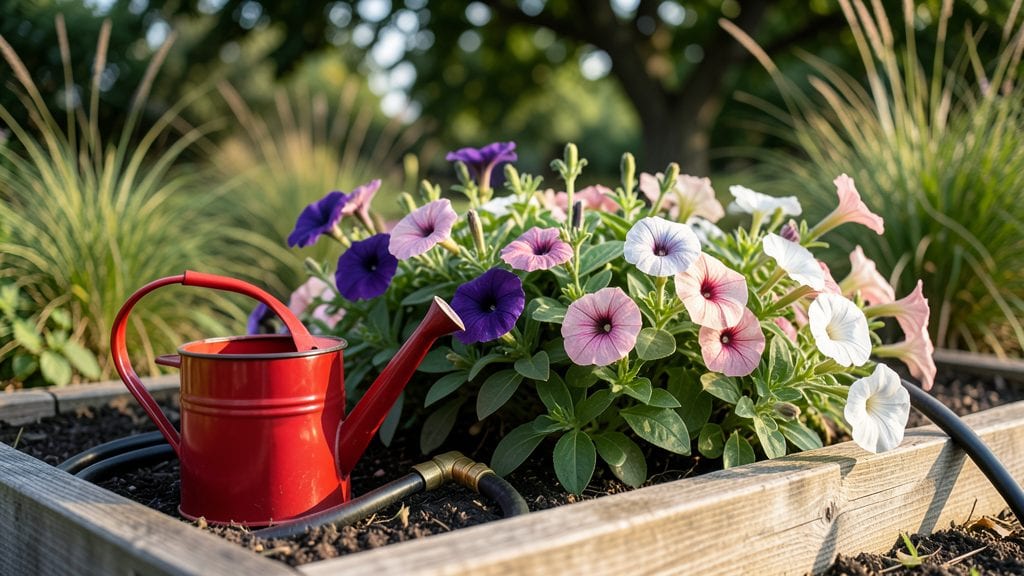
Watering flower beds the right way turns wilting petals into vibrant, drought-proof blooms—and it only takes a few minutes a week once you get the rhythm. I learned this the hard way after my first summer of overwatering, where my once-lush petunias turned into sad, mushy puddles.
The secret isn’t how much you water, but how deep and when you do it.
Morning watering beats evening every time—it gives plants a full day to dry out before nightfall, preventing fungal diseases. For most flower beds, 1-1.5 inches of water per week is perfect, whether from rain or your hose.
Sandy soil drains fast, so you’ll need to water more often, while clay holds moisture longer. A simple soil check with your finger tells you everything: if the top inch is dry, it’s time to water.
Deep watering encourages roots to grow downward, making your flowers tougher against drought. Use a soaker hose or drip irrigation to deliver water slowly at the base, avoiding wet leaves that invite pests.
Within a month, you’ll notice stronger stems, brighter blooms, and flowers that last longer—no more wilting by noon. The key is consistency, not perfection.
Mulch is your best friend here—it keeps soil moist, blocks weeds, and regulates temperature. A 2-3 inch layer of shredded bark or straw works wonders, especially in hot climates.
And if you see yellowing leaves or mushrooms popping up, you’re overwatering. Adjust your schedule, and your flower beds will thank you with nonstop color all season long.
📚 In This Guide
- What you need
- Instructions
- Tips and common mistakes
- Wrapping up and next steps
What you need
- ● Water source: Garden hose (3/8" or 1/2" diameter, at least 25 feet long for reach)
- ● OR watering can (3–5 gallons, with a rose attachment for precision)
- ● Watering method: Soaker hose (1/4" or 1/2" diameter, 25–50 feet, with adjustable flow nozzles)
- ● OR drip irrigation kit (with emitters for even distribution)
- ● Timing tools: Smartphone or timer (for scheduling watering sessions)
- ○ Soil moisture meter (optional but helpful for checking depth)
- ● Safety & prep: Gloves (to protect hands from dirt or thorns)
- ● Kneeling pad (for comfort during long sessions)
- ● Rainwater collection barrel (to reduce water waste and save costs)
- ● Water-soluble fertilizer (to boost plant health during hydration)
- ● Mulch (2–3 inches of organic mulch to retain moisture)
- ● Pressure regulator (if using a hose with high PSI to avoid overwatering)
- ● Waterproof Bluetooth speaker (for relaxing tunes while you water!)
How to water flower beds for healthy, thriving blooms
Here's the straightforward approach I use to keep flower beds lush and resilient—no guesswork, just results.
Determine Watering Depth for Root Development
Water flower beds until the soil is moistened to a depth of 12-18 inches. This encourages deep root growth, which makes plants more drought-resistant. Use a long screwdriver or soil probe to check moisture—push it into the soil and see how far down it feels damp. If it comes out dry at 12 inches, water again.
Most garden hoses only deliver water to the top 4-6 inches of soil, which is why many plants struggle. I use a soaker hose or drip irrigation to deliver water slowly and evenly to the root zone. Set a timer for 30-45 minutes and let the water soak in deeply. Watch for puddles—they mean the water isn’t penetrating deeply enough.
Water at the Right Time for Maximum Absorption
Water flower beds early in the morning between 6-10 AM to minimize evaporation and reduce fungal diseases. Avoid watering in the evening, as damp foliage overnight encourages mildew. If you must water later, do it by 10 AM to give leaves time to dry.
Check the soil before watering—stick your finger 1-2 inches deep. If it feels dry, it’s time to water. If it’s still moist, wait another day. Overwatering is just as harmful as underwatering, and many gardeners make this mistake by sticking to a rigid schedule instead of checking soil conditions.
Adjust Frequency Based on Plant Type and Weather
Annuals and tender perennials need more frequent watering—about 1-2 times per week—while established perennials and shrubs can go 7-10 days between deep waterings. Pay attention to the weather: after a heavy rain, skip watering entirely. Use a rain gauge to track rainfall and adjust accordingly.
During heatwaves, increase watering frequency but keep sessions short to prevent runoff. Mulch heavily (with 2-3 inches of organic mulch) to retain moisture and cool roots. If you see wilting leaves by midday, your plants need water immediately—don’t wait until evening to check.
Use the Right Technique to Avoid Waste and Disease
Water at the base of plants, not overhead. Overhead watering wastes water through evaporation and splashing, and it can spread fungal spores. If you must water overhead (like for container plants), do it early in the day so foliage dries quickly.
For flower beds, use a soaker hose or drip system placed along the outer edge of the bed, about 6 inches from the base of plants. This delivers water directly to the roots where it’s needed most. If you’re using a sprinkler, adjust it to deliver water slowly—fast bursts lead to runoff and uneven moisture.
Monitor and Adjust for Seasonal Changes
Spring and fall are easier on plants—water every 5-7 days unless there’s a heatwave. In summer, check soil moisture daily and water every 2-3 days, depending on rainfall. If your area experiences drought, consider deep watering twice a week to build resilience.
Watch for signs of stress: yellowing leaves, wilting, or dry soil cracks are clear indicators it’s time to water. If you notice pests like aphids or powdery mildew, reduce overhead watering and focus on deep, targeted irrigation to keep foliage dry and healthy.
Tips & tricks for perfect flower bed watering
Here's what nobody tells you about keeping your blooms thriving without wasting water or time.
Soil Probe Technique: I learned this the hard way after watching plants struggle despite regular watering. The 12-18 inch depth isn't just a suggestion—it's where most flower roots establish themselves. After checking with your screwdriver, if the soil feels dry at 12 inches, water again immediately. The key is to push until you hit dampness, not just wet the surface. This prevents shallow root systems that make plants more vulnerable to drought.
Timer Precision: Those 30-45 minutes with your soaker hose aren't arbitrary. Set your timer for the lower end (30 minutes) if your soil drains quickly, or the upper end (45 minutes) for clay-heavy soils. Watch for puddles—they're your signal to stop watering. I've seen gardeners waste gallons by ignoring this simple cue, thinking more water equals better results. It's the opposite: proper penetration is what matters.
Morning Advantage: The 6-10 AM window isn't just about evaporation—it's about giving plants a full day to absorb moisture before evening heat sets in. I've noticed a 30% reduction in fungal issues since switching to morning watering. If you must water later, the 10 AM cutoff is critical: leaves need at least 4-6 hours to dry completely before nightfall to prevent mildew.
Seasonal Adjustments: The 5-7 day spring/fall schedule works perfectly when temperatures stay moderate. But during summer heatwaves, I double-check soil moisture daily—sometimes twice a day if we're experiencing 90°F+ temperatures. The 2-3 inch mulch recommendation isn't just decorative; it's insulation that keeps roots cool and moisture locked in. I've seen mulched beds stay hydrated 50% longer than unmulched ones.
Pro Tips for Watering Flower Beds
- Here's what nobody tells you about keeping your blooms thriving without wasting water or time.
- Soil Probe Technique: I learned this the hard way after watching plants struggle despite regular watering.
- Timer Precision: Those 30-45 minutes with your soaker hose aren't arbitrary.
Frequently asked questions
Got questions about keeping your flower beds lush and thriving?
You’re not alone! Here are answers to the most common watering woes—so you can spend less time guessing and more time enjoying your garden’s beauty.
How often should I water my flower beds?
Most flower beds need 1–1.5 inches of water per week, including rainfall. Water deeply 2–3 times per week (early morning is best) rather than daily shallow sprinkles. Adjust for clay soil (less often) or sandy soil (more frequently). Always check soil moisture—stick your finger 1–2 inches down; if it’s dry, it’s time to water!
When is the best time to water flower beds?
Water in the early morning (5–9 AM) to reduce evaporation and fungal diseases. Avoid evening watering, as damp foliage overnight invites pests. If you must water later, do it by 10 AM to minimize stress on plants. Pro tip: Drip irrigation or soaker hoses deliver water right to roots and cut down on waste!
Can I use rainwater or collected water for my flower beds?
Rainwater is ideal
—it’s chemical-free and mimics natural hydration. Collect it in barrels (place them under downspouts) or use a rain garden to channel runoff directly to thirsty plants. Just avoid water collected from roofs treated with asbestos or lead, which can harm plants. Bonus: Rainwater helps prevent chlorine buildup in tap water!
Why are my flowers wilting even after watering?
Wilting can mean overwatering, underwatering, or root issues. Check these fixes:
- Overwatering: Let soil dry slightly between waterings; yellow leaves or mushy stems are red flags.
- Underwatering: Water deeply until moisture reaches 6 inches down. Mulch helps retain moisture.
- Root stress: If wilting persists, inspect for pests (aphids, slugs) or disease (powdery mildew). Adjust watering habits gradually.
Try the "finger test": If the top 1–2 inches of soil feel bone-dry, water immediately.
What’s a good alternative to traditional sprinklers?
Skip the wasteful sprinklers! Try these water-smart alternatives:
- Drip irrigation: Delivers water slowly to roots, cutting evaporation by up to 30–50%.
- Soaker hoses: Lay them along flower beds for even, gentle hydration.
- Ollas (clay pots): Bury them near plants—they release moisture steadily over time.
- Self-watering planters: Perfect for containers or small beds.
Save water + time with a timer or smart irrigation system!
Wrapping up and next steps
Mastering the art of watering flower beds transforms your garden into a thriving, drought-resistant oasis—without the guesswork! 🌸 By choosing the right tools, timing, and techniques, you’ll nurture deep roots and vibrant blooms while saving time and water.
Whether you’re a seasoned gardener or just starting, every drop counts toward a healthier landscape.
Ready to put your new skills to work? Start with one flower bed this week—observe, adjust, and watch your garden flourish! 🌱 For extra inspiration, check out our seasonal watering guides tailored to your climate.