
Neem Oil
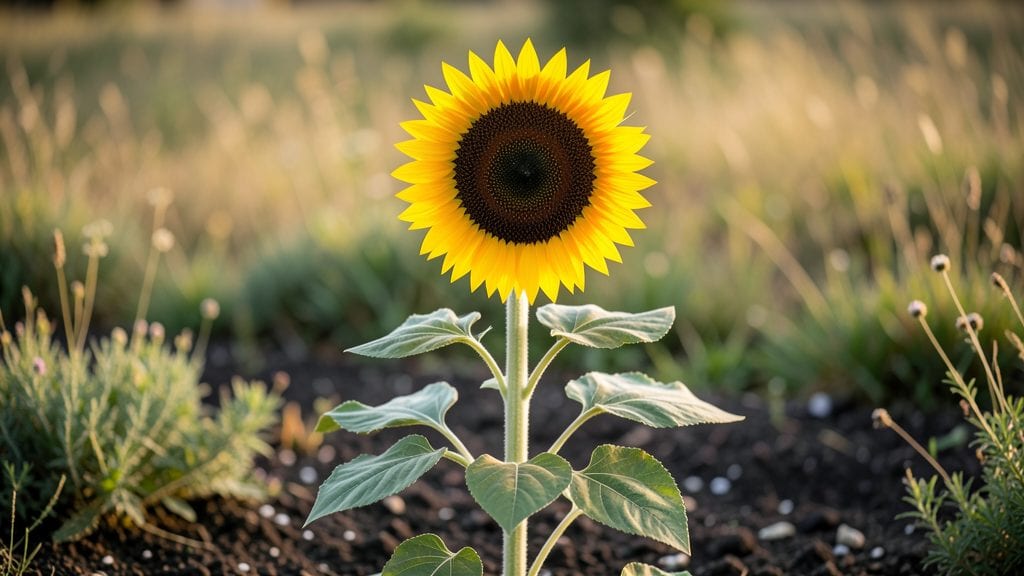
Growing black oil sunflowers in the Pacific Northwest means drought-resistant plants that thrive where others struggle—these sunflowers are the secret weapon for pollinators and low-water gardens alike. 🌱 The first time I planted them, I was shocked by how quickly they shot up through our dry summer, their dark stems standing tall even when other annuals wilted.
Their deep roots mean less watering, and the birds and bees adore them before the seeds even ripen.
Start with well-draining soil (they hate soggy feet), plant seeds 1-2 inches deep and 6-12 inches apart, and give them full sun—at least 6 hours daily. The Pacific Northwest’s cooler summers actually help them avoid bolting, so they grow strong instead of rushing to flower.
A light mulch keeps moisture in while protecting roots from our region’s unpredictable spring rains.
By mid-summer, you’ll have 6-foot-tall towers buzzing with pollinators, their dark seeds packed with oil—perfect for birds or even homemade sunflower oil. The key is watering deeply but infrequently once established; these plants store moisture like champions.
Harvest seeds when the back of the head turns yellow, or let the birds enjoy them first.
Pro tip: Save seeds for next year—they store well and sprout reliably. Even in our Zone 7-8 summers, they handle heat better than most sunflowers, making them the foolproof choice for Northwest gardens. Ready to grow your own pollinator magnet?
📚 In This Guide
- What you need
- Instructions
- Tips and common mistakes
- Wrapping up and next steps
What you need
- ● Seeds: 50-100 Helianthus annuus ‘Black Oil’ sunflower seeds (non-GMO, heirloom preferred).
- ● Potting Soil: 10–20 lbs of well-draining, organic potting mix (or garden soil amended with compost).
- ● Containers or Garden Space: Containers: 5–10 gallon pots (1 per plant) with drainage holes.
- ● Garden Beds: Full sun (6+ hours/day) and loose, fertile soil.
- ● Watering Can or Hose: For consistent moisture (drought-tolerant but needs deep watering when young).
- ○ Fertilizer (Optional but Helpful): Balanced organic fertilizer (e.g., 5-5-5 NPK) or compost tea.
- ● Slow-release granules (1 tbsp per plant at planting).
- ● Garden Gloves: For easy seed handling and soil prep.
- ● Trowel or Transplant Spade: For digging holes (2–3x wider than seed depth).
- ○ Mulch (Optional): Straw or wood chips to retain moisture and suppress weeds.
- ● Pest Deterrents (PNW-Specific): Neem oil (1 tsp/gallon water) for aphids or beetles.
- ● Row covers (lightweight fabric) for early planting to deter birds.
Step-by-step instructions for growing black oil sunflowers in the Pacific Northwest
Here's how I've mastered growing these drought-tolerant giants—perfect for attracting pollinators while thriving in our region's unique climate.
🌱 Step 1: Choose the Right Location and Prepare Soil
Black oil sunflowers need full sun—at least 6-8 hours daily—but they'll tolerate partial shade in hotter inland PNW areas. I always pick the sunniest spot in my garden because these plants grow 6-10 feet tall and need space to reach their potential. Avoid low-lying areas where cold air settles, as young plants are frost-sensitive.
Amend the soil with 2-3 inches of compost before planting to improve drainage, which is critical in our often-wet climate. Sunflowers hate soggy roots, so if your soil stays damp for more than 24 hours after rain, consider planting in raised beds or mounds. The ideal soil pH is 6.0-7.0—most PNW native soil falls in this range, so no adjustment is usually needed.
🌱 Step 2: Plant Seeds at the Right Depth and Spacing
Direct-sow seeds ¼ inch deep after the last frost date in your area—typically mid-to-late May in most of the PNW. I plant 4 seeds per spot, spaced 18-24 inches apart, since they germinate unevenly. Thin to the strongest seedling once they reach 3-4 inches tall, using clean scissors to avoid disturbing roots. The reason we thin is simple: crowded plants compete for nutrients and light, leading to weak stems that can't support their own weight.
Here's the thing—sunflower seeds are large, so don't bury them too deep. If planted deeper than ½ inch, they may never emerge. Instead, press them lightly into the soil and cover with a thin layer of soil. Water gently but thoroughly after planting to settle the soil around the seeds. You'll see sprouts in 7-14 days, depending on soil temperature—warmer inland areas germinate faster than cooler coastal zones.
☀️ Step 3: Water Deeply and Maintain Drought Tolerance
Once seedlings emerge, water deeply once a week rather than frequent shallow waterings. This encourages deep root growth, which is essential for their drought tolerance. I check soil moisture by pushing my finger 2 inches deep—if it feels dry, it's time to water. Overwatering is the biggest mistake I see, especially in our rainy climate, as it leads to weak stems and fungal diseases.
After the first 4-6 weeks, reduce watering to every 10-14 days unless we experience an extended dry spell. Mature sunflowers can handle light drought, but they'll reward you with bigger, oil-rich seeds if you keep them consistently moist during flowering. Mulch around the base with 2-3 inches of straw to retain moisture and suppress weeds—this is non-negotiable in my garden.
✂️ Step 4: Support Tall Stems and Harvest for Pollinators
As plants reach 3-4 feet tall, I install sturdy stakes or cages (6 feet tall) to prevent them from toppling in wind or rain. Black oil sunflowers produce heavy seed heads, and without support, they'll flop over. I tie stems loosely with soft twine every 12 inches to allow for growth while providing stability. This is the moment that matters: proper support ensures you'll have strong, upright plants that continue attracting pollinators all season.
When 75-80% of the back of the flower head turns yellow, it's time to harvest. I cut the entire head with 6 inches of stem and hang it upside down in a dry, dark place to finish drying. The seeds will be ready in 2-3 weeks—watch for them to turn dark and rattle when shaken. Don't skip this step: dried seed heads make excellent winter bird feeders, and the seeds can be pressed for oil or roasted for snacks.
Tips & tricks for growing black oil sunflowers in the Pacific Northwest
Here's what I've learned after years of perfecting these sunflowers in our unique climate—tricks that'll help you grow strong, pollinator-friendly plants that thrive despite our wet winters.
Site Selection Matters: The 6-8 hours of daily sun requirement is non-negotiable for black oil sunflowers, but here's the thing about PNW microclimates: coastal areas need the sunniest spot possible, while inland valleys can handle slightly more shade. I always test my potential planting area by observing how much sunlight it gets from early spring through summer—sunflowers need consistent light, not just peak summer sun. For frost-sensitive young plants, avoid low-lying areas where cold air pools, especially in early spring when last frosts typically occur mid-to-late May.
Seed Planting Precision: That ¼-inch depth for planting seeds is critical—any deeper than ½ inch and they may never emerge. I've learned to use a pencil to make small holes at the exact depth, then press each seed lightly into place. The 4 seeds per spot with 18-24 inch spacing works beautifully, but here's my pro move: I mark planting locations with small sticks before actually planting. This prevents me from accidentally planting too close when thinning later. When those seedlings reach 3-4 inches tall, I thin using clean scissors to avoid disturbing roots—this is when you'll notice the strongest plants emerging clearly.
Watering Wisdom: The deep watering once a week after emergence is essential, but timing matters just as much as quantity. I always water in the morning so the foliage has time to dry before evening—a critical factor in our damp climate to prevent fungal diseases. After those first 4-6 weeks, reducing to every 10-14 days might seem counterintuitive, but mature sunflowers develop incredible drought tolerance. The key is maintaining consistent moisture during flowering—this is when you'll see the biggest seeds develop. That 2-3 inches of straw mulch isn't just for moisture retention; it also keeps weeds at bay and regulates soil temperature.
Support System: When your plants reach 3-4 feet tall, don't wait to install those 6-foot stakes or cages. I've seen too many beautiful sunflowers topple under the weight of their own seed heads. The secret is in the tying technique: use soft twine and make loose ties every 12 inches as the plant grows. This allows for natural movement while providing stability. For extra insurance in windy areas, I angle the stakes slightly toward the prevailing wind direction—this simple adjustment prevents the classic "leaning tower" look.
Pro Tips for Black Oil Sunflowers
- Here's what I've learned after years of perfecting these sunflowers in our unique climate—tricks that'll help you grow strong, pollinator-friendly plants that thrive despite our wet winters.
- I always test my potential planting area by observing how much sunlight it gets from early spring through summer—sunflowers need consistent light, not just peak summer sun.
- Seed Planting Precision: That ¼-inch depth for planting seeds is critical—any deeper than ½ inch and they may never emerge.
Frequently asked questions
When is the best time to plant black oil sunflower seeds in the Pacific Northwest?
Plant black oil sunflowers in early spring (March–April) after the last frost, or in late summer (August) for a fall harvest. In the PNW’s mild climate, avoid planting too early—they thrive in 60–75°F soil and may rot in cold, wet conditions. For fall blooms, sow seeds 90–100 days before your first frost date.
How much water do black oil sunflowers need, especially in drought conditions?
These sunflowers are drought-tolerant once established! Water deeply but infrequently—about 1 inch per week during dry spells. After the first 2–3 weeks, reduce watering to every 10–14 days unless your soil is sandy. Overwatering can lead to root rot, so prioritize mulching to retain moisture.
Why aren’t my black oil sunflowers attracting pollinators like bees or butterflies?
If pollinators are scarce, check these fixes:
- Timing: Plant in early summer (June–July) when bees are most active.
- Location: Place near native wildflowers or other pollinator-friendly plants.
- Pesticides: Avoid synthetic sprays—sunflowers are pesticide-free by nature!
- Water source: A shallow dish of water nearby helps thirsty pollinators.
Can I grow black oil sunflowers in containers, and what size pot should I use?
Yes! They adapt well to containers but need space for roots. Use a pot at least 12–18 inches deep and wide with drainage holes. Choose a lightweight mix (like 60% potting soil + 40% perlite) to prevent tipping. Place in full sun (6+ hours daily) and fertilize lightly with low-nitrogen compost.
What should I do if my sunflower leaves turn yellow or develop brown spots?
Yellow leaves often signal overwatering or nutrient deficiency, while brown spots may indicate fungal issues (like powdery mildew). Try these fixes:
- Adjust watering: Let soil dry slightly between waterings.
- Improve airflow: Space plants 18–24 inches apart.
- Fertilize: Use a balanced 10-10-10 fertilizer at planting and mid-season.
- Prevent fungi: Apply neem oil or baking soda spray (1 tsp per quart of water) if spots spread.
Wrapping up and next steps
Black oil sunflowers aren’t just drought-tolerant superstars—they’re a game-changer for Pacific Northwest gardens, offering pollinator support, resilience, and stunning beauty with minimal fuss.
Whether you’re a seasoned gardener or a curious beginner, these sunflowers prove that impactful gardening doesn’t require perfection—just a little patience and the right conditions. 🌱
Ready to transform your space? Start small—plant a few seeds this season, observe what thrives, and let your garden’s success inspire bigger projects. Your pollinators (and future sunflower fans) will thank you!