
Flowers
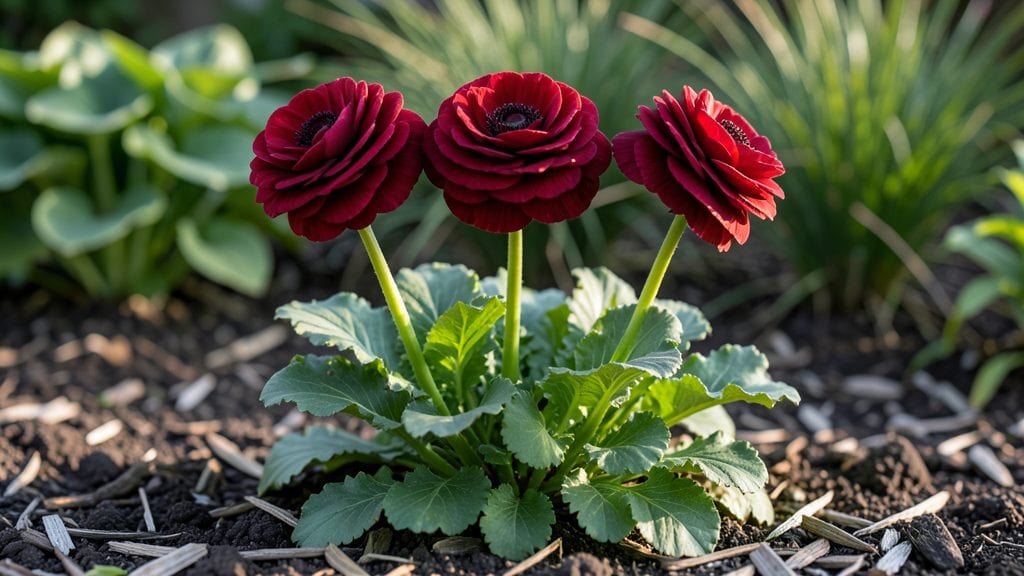
Brightening your garden with buttercup family flowers starts with understanding their cold-hardy resilience and cheerful blooms. 🌸 I’ve grown these perennials for years—they thrive where others falter, popping up in early spring with golden, white, or deep purple flowers that last until frost.
Their secret? A mix of patience and the right conditions, which I’ll break down so you can enjoy their effortless beauty too.
The buttercup family includes stars like anemones with their delicate petals, clematis for vertical drama, and classic buttercups that spread like sunshine. They love well-draining soil and partial shade, but don’t overthink it—these plants forgive mistakes.
Most varieties handle Zone 3 winters, making them perfect for northern gardens or high-altitude spots where tender blooms fail. The key is mimicking their natural habitats: moist but not soggy soil and a spot where they won’t bake in afternoon sun.
By late spring, you’ll have clusters of blooms that attract pollinators and add vibrant pops of color to borders, containers, or woodland gardens. My favorite? Pasque flowers for early spring color and virgin’s bower for fragrant summer vines.
They’re low-maintenance but high-impact—ideal for gardeners who want drama without fuss. Let’s get these cold warriors planted for a garden that stays lively from snowmelt to frost.
Whether you’re filling a shady corner or training clematis up a trellis, these perennials adapt beautifully. They even handle drought once established, though a little extra water in their first year helps them root deeply. The trade-off?
Some varieties spread aggressively—like buttercups—so plan for containment if you prefer tidy beds. With the right spot, they’ll reward you with years of effortless blooms and that “I can’t believe how easy this is” satisfaction.
📚 In This Guide
- What you need
- Instructions
- Tips and common mistakes
- Wrapping up and next steps
What you need
- ● Seeds or young plants: Choose from Ranunculus, Clematis, Anemone, or Helleborus (hellebore). Start with 5–10 seeds or 3–5 plants for a small patch.
- ● Well-draining soil: Mix 1 part compost with 2 parts garden soil (pH 6.0–7.5). For heavy clay, add sand or perlite.
- ● Organic fertilizer: A balanced 10-10-10 or low-phosphorus option (like fish emulsion) to avoid leggy growth.
- ● Mulch: 2–3 inches of cedar chips or straw to retain moisture and suppress weeds.
- ● Garden trowel (for transplanting small plants/seeds)
- ● Hand fork or spade (for amending soil)
- ● Pruning shears (for deadheading or shaping)
- ● Watering can or hose with a gentle spray nozzle
- ● Gloves (to protect from sap—some buttercups can irritate skin!)
- ● Shade cloth (30–50% coverage) for tender seedlings in hot climates.
- ● Slow-release fertilizer spikes for long-lasting nutrients.
- ● Support stakes or trellis (for climbing varieties like Clematis).
- ● Seed-starting trays (if sowing indoors 6–8 weeks before last frost).
How to cultivate cold-hardy buttercup family flowers for year-round color
Here's my battle-tested approach to growing these resilient perennials that thrive in cool climates.
🌱 Step 1: Select and Prepare Your Planting Sites
Buttercup family members like Ranunculus and Anemone thrive in partial shade to full sun, but they demand well-draining soil—no soggy roots here. Test your soil first: dig a 6-inch deep hole and check for compaction. If it feels dense or stays wet for more than a day, amend with 3-4 inches of compost and a handful of coarse sand per square foot. These plants tolerate poor soil better than most, but drainage is non-negotiable.
Choose sites with morning sun and afternoon shade in hotter regions—this prevents leaf scorch while maintaining bloom vigor. I always plant mine near deciduous trees where roots won't compete aggressively yet. Mark your spots with stakes now so you don't accidentally disturb roots during planting.
☀️ Step 2: Time Planting for Optimal Establishment
Fall is the sweet spot for planting buttercup family perennials—6-8 weeks before your first frost. This gives roots time to establish before winter dormancy. If you must plant in spring, do it 4-6 weeks before last frost to prevent transplant shock. For container-grown plants, dig holes twice as wide as the root ball but only as deep as the container—burying too deep suffocates stems.
Water deeply right after planting to eliminate air pockets, then mulch with 2-3 inches of shredded bark to regulate soil temperature. The mulch should cover the soil surface but stop 2 inches away from stems—this prevents rot while protecting roots from freeze-thaw cycles. Real talk: I've seen beginners smother stems with mulch, which leads to crown rot within weeks.
💧 Step 3: Master Watering for Drought Tolerance
Once established, buttercup family flowers are remarkably drought-tolerant, but young plants need consistent moisture. Water 1-2 inches per week during the first growing season, checking soil 2 inches deep—if it's dry, water again. Use a soaker hose for deep, even moisture without wetting foliage (which promotes fungal diseases). I water in the early morning to reduce evaporation and give leaves time to dry before nightfall.
After the first year, reduce watering to once every 10-14 days unless your region experiences prolonged dry spells. Overwatering is the #1 killer of these perennials—yellowing leaves or mushy stems mean you're drowning them. Let the soil dry slightly between waterings, especially in winter when growth slows.
✂️ Step 4: Prune for Longevity and Season-Long Blooms
Deadhead spent blooms immediately to encourage continuous flowering—this is especially critical for Ranunculus varieties. Use clean, sharp pruners and cut back to the first set of healthy leaves below the bloom. I always sterilize my pruners with rubbing alcohol between cuts to prevent disease spread. Avoid heavy pruning in late summer, as new growth won't harden off before winter.
In early spring, cut back one-third of the previous year's growth to stimulate fresh, vigorous shoots. This is the moment that matters: prune too late, and you'll sacrifice early-season blooms. For clumping types like Anemone, divide congested plants in early fall or spring—dig up the entire clump, separate with a sharp knife, and replant divisions 12-18 inches apart. This rejuvenates plants and prevents disease buildup in crowded centers.
⏰ Step 5: Winterize for Cold-Hardy Performance
Buttercup family flowers handle cold beautifully, but a little prep ensures they bounce back stronger. In late fall, apply a 3-inch layer of mulch over the root zone—this insulates against temperature swings. I use straw or shredded leaves because they break down slowly, feeding the soil as they decompose. Avoid fresh grass clippings, which mat down and suffocate roots.
If your winters are particularly harsh (below 0°F), add an extra 2 inches of mulch in December and remove it in early spring once temperatures consistently stay above 40°F. This prevents frost heave, where alternating freeze-thaw cycles push roots out of the soil. Watch for new growth in late winter—this is your cue that the plant is ready to emerge from dormancy.
Tips & tricks for perfect buttercup family flower cultivation
A few key insights that'll help you coax vibrant, long-lasting blooms from these cold-loving perennials.
Soil Test Secret: The 6-inch soil test in Step 1 is your early warning system. If you notice water pooling after rain or the soil smells sour, you've got drainage issues. I've seen gardeners skip this step and end up with plants that struggle through the first winter—don't make that mistake. For heavy clay soils, consider building raised beds with a 50/50 mix of native soil and coarse sand to create that perfect drainage environment these plants crave.
Planting Depth Matters: When you're digging those holes twice as wide as the root ball in Step 2, pay attention to depth—this isn't just about room to spread. The crown (where stems meet roots) should sit just below soil level. I've seen beginners bury stems too deeply, which suffocates the plant, or leave them exposed, making them vulnerable to temperature swings. For container plants, gently loosen the root ball before planting to encourage root expansion into the surrounding soil.
Mulching Precision: That 2-3 inch mulch layer in Step 2 and 3-inch winter mulch in Step 5 isn't just about insulation—it's about creating the right microclimate. I always create a donut shape with mulch, keeping it 2 inches away from stems to prevent rot. For extra protection in harsh winters (below 0°F), I add a layer of burlap over the mulch to shield against wind scour. This simple technique has saved my plants from winter damage in zones where temperatures dip well below freezing.
Pruning Timing: The early spring pruning in Step 4 is your chance to reset the plant's energy. When you cut back one-third of last year's growth, you're not just tidying up—you're stimulating new, vigorous shoots. I always prune on a dry morning after the last frost when new growth is just beginning to appear. For clumping varieties like Anemone, I wait until the plant has pushed through the soil before dividing, usually when the first leaves appear in spring.
Pro Tips for Buttercup Family Flower
- A few key insights that'll help you coax vibrant, long-lasting blooms from these cold-loving perennials.
- Soil Test Secret: The 6-inch soil test in Step 1 is your early warning system.
- Planting Depth Matters: When you're digging those holes twice as wide as the root ball in Step 2, pay attention to depth—this isn't just about room to spread.
Frequently asked questions
Are buttercup family flowers easy to grow for beginners?
Many buttercup family flowers, like Ranunculus and Anemone, are cold-hardy perennials that thrive with minimal fuss. They love well-draining soil and partial shade—perfect for first-time gardeners. Just avoid overwatering, and they’ll reward you with vibrant blooms year after year!
Can buttercup family flowers survive harsh winters?
Yes! Most buttercup family perennials, such as Hellebore (Lenten Rose) and Clematis, are winter-hardy in USDA zones 3-9. They often bloom early in spring, even before snow melts. Mulch around their bases in late fall to insulate roots and protect against freeze-thaw cycles.
What’s the best way to extend their blooming season?
Deadhead spent blooms regularly to encourage more flowers. For long-lasting color, plant varieties with staggered blooming times (e.g., Ranunculus in spring and Anemone in fall). Adding a slow-release fertilizer in early spring also boosts vitality and prolongs the show!
Are there any toxic buttercup family flowers to avoid?
Yes! Some buttercup family members, like Delphinium and Columbine, are toxic if ingested. Keep them away from pets and children. Always wear gloves when handling plants like Ranunculus asiaticus, as their sap can irritate skin.
What can I plant alongside buttercup family flowers for a low-maintenance garden?
Pair them with other cold-hardy perennials like Hostas, Ferns, or Heuchera for a lush, shade-friendly combo. These plants share similar care needs (moisture, partial shade) and create a cohesive, low-fuss garden design.
Wrapping up and next steps
The buttercup family flowers bring joy with their vibrant blooms and resilience, making them a perfect addition to any garden—even in colder climates! 🌸 Whether you're drawn to the bold Ranunculus or the delicate Clematis, these perennials reward patience with year-round color and low-maintenance charm.
Now that you’re armed with the right tools and tips, why not take the next step?
🌱 Your Action Plan:
- Pick your star! Choose a buttercup family flower that matches your space and style.
- Grab supplies—soil, pots, and a sunny spot—and plant with confidence.
- Share the love! Snap photos of your blooms and tag us @GardenGlow for inspiration.
Your garden’s next masterpiece is just a seed (or cutting) away—let’s grow something beautiful together!