Planting
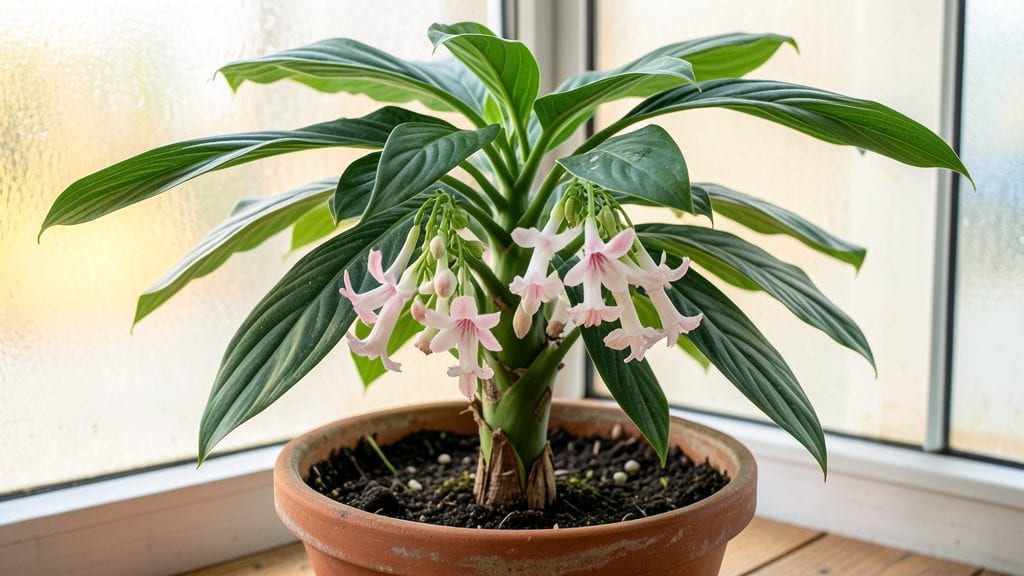
The cardamom plant flower is your first clue that the fragrant spice harvest is just months away. 🌿 I remember the first time I saw those delicate white blooms appear on my Elettaria cardamomum—it felt like holding a piece of the spice trade in my hands.
These flowers aren’t just pretty; they’re the plant’s promise of the aromatic pods we all love.
Growing cardamom takes patience, but the rewards are worth it. This tropical plant thrives in humid, warm climates with temperatures above 60°F and needs well-draining, slightly acidic soil. If you live in cooler zones, container growing near a sunny window or greenhouse works beautifully.
The key is mimicking its native forest-floor conditions—think dappled shade and consistent moisture.
Once established, your plant will reward you with 3-5 foot tall stalks topped with clusters of white flowers that eventually turn into those prized green pods. With proper care, you can harvest your first crop in 6-12 months, though full productivity takes a few years.
The flowers themselves are short-lived but critical—they set the stage for the pods that give cardamom its signature warmth.
Whether you're growing outdoors in Florida or indoors in a sunny kitchen, the process is the same: nurture the plant, protect the flowers, and you'll soon be enjoying homegrown spice that tastes nothing like store-bought. Here’s how to make it happen without the guesswork.
📚 In This Guide
- What you need
- Instructions
- Tips and common mistakes
- Wrapping up and next steps
What you need
- ● Cardamom seeds or rhizomes: 3–5 healthy, disease-free seeds or 2–3 rhizome pieces (ensure they’re from a reputable supplier).
- ● Well-draining potting mix: 5–10 lbs of a blend of peat moss, perlite, and coconut coir (or a pre-mixed tropical plant mix). Pro tip: Avoid heavy clay soil!
- ● Pot or container: 1–2 medium-sized pots (12–16 inches wide) with drainage holes. Terracotta works great!
- ● Watering can with a fine rose: For gentle, even hydration without disturbing the soil.
- ○ Humidity dome or plastic wrap: To maintain moisture during germination (optional but helpful).
- ● Fertilizer: A balanced liquid fertilizer (10-10-10 or 20-20-20) for initial growth, and a phosphorus-rich formula (like 5-10-10) when flowering.
- ● Spray bottle: For misting leaves to maintain humidity.
- ● Pruning shears: Small, sharp shears for trimming dead leaves or stems.
- ● Warmth: A sunny spot (6–8 hours of indirect light daily) or a grow light. Cardamom thrives in 70–85°F (21–29°C) temperatures.
- ● Humidity: Aim for 60–80% humidity. A pebble tray with water can help!
- ● Indoor/outdoor setup: If growing outdoors, choose a USDA Zone 10–12 climate. Otherwise, keep indoors near a bright window.
- ● Soil moisture meter to track hydration levels.
- ● Automatic self-watering system for busy growers.
- ● Organic compost (like worm castings) for nutrient boosts.
- ● Garden gloves to protect hands from soil and rhizomes.
Step-by-step guide to growing cardamom flowers indoors
Here's how I get fragrant cardamom blooms in just six months—no greenhouse needed.
🌱 Step 1: Start With Healthy Rhizomes
Cardamom grows from rhizomes, not seeds, so begin with a fresh, firm rhizome from a trusted supplier. Look for one with visible growth buds—these are your future plants. I like to soak mine in lukewarm water for 12 hours before planting to wake up the buds. This jumpstarts root growth and ensures a stronger start.
Plant the rhizome horizontally in a 6-inch deep pot with well-draining potting mix. The buds should face upward, about ½ inch below the soil surface. Press gently but don't compact the soil—cardamom roots need air to breathe. Water lightly after planting, just enough to moisten the soil.
☀️ Step 2: Provide Warmth and Humidity
Cardamom thrives in 70-85°F temperatures and 60-70% humidity. Place your pot in a warm, bright spot—like a kitchen windowsill or under a grow light. If your home runs dry, group plants together or use a humidity tray filled with pebbles and water. You'll know it's working when condensation forms on the leaves in the morning.
Mist the leaves 2-3 times daily to maintain humidity, but avoid wetting the buds. Overly wet buds can rot, and you'll notice a foul smell if this happens. Instead, focus on keeping the air around the plant moist without soaking the foliage.
💧 Step 3: Water and Fertilize for Growth
Water when the top inch of soil feels dry—stick your finger in to check. Cardamom hates soggy roots, so always use pots with drainage holes. I water deeply but infrequently, letting the soil dry out slightly between waterings. This encourages strong root development, which is key for flowering.
Start fertilizing after 4-6 weeks with a balanced liquid fertilizer (10-10-10) diluted to half strength. Apply every 4 weeks during the growing season. You'll see new leaves emerge within 2-3 weeks—that's your signal everything is working. If leaves yellow, cut back on fertilizer; if they wilt, you're overwatering.
⏰ Step 4: Encourage Flowering Conditions
Cardamom flowers best when it gets bright, indirect light for 12+ hours daily. If natural light is weak, supplement with a grow light kept 6-12 inches away. The plant needs this light to trigger blooming, so don’t skimp—leggy growth means it’s reaching for more light.
Once the plant reaches 12 inches tall, reduce water slightly to stress it gently. This mimics seasonal changes and often prompts flowering. Watch for small white or pale green buds forming at the base of the plant—these will develop into fragrant cardamom flowers in 4-6 weeks.
🌿 Step 5: Harvest and Care for Next Season
Harvest flowers when they're fully open but still fragrant, usually in the morning. Gently twist the flower spikes to remove them without damaging the plant. Dry the flowers in a shady, well-ventilated area for 3-5 days until crisp. Store in an airtight container for up to 6 months.
After harvesting, trim back any dead or yellow leaves and fertilize lightly to encourage new growth. Cardamom plants can live for years, so with proper care, you’ll get multiple harvests. Just keep the soil warm, the air humid, and the light bright—your plant will reward you with fragrant blooms season after season.
Tips & tricks for growing fragrant cardamom flowers
Here's what I learned after growing cardamom successfully for years—these details make all the difference between a struggling plant and one that blooms beautifully.
Rhizome Preparation: When you soak your rhizome for the full 12 hours before planting, you're not just waking up the buds—you're also helping the roots absorb moisture. I've found that using lukewarm water (around 85°F) works better than cold water, as it mimics natural soil temperatures where cardamom grows. After soaking, gently pat the rhizome dry before planting to prevent fungal issues down the road.
Pot Selection: While the instructions call for a 6-inch deep pot, I've had great success with slightly wider pots (around 8 inches in diameter) because cardamom spreads horizontally. Just make sure the pot has drainage holes—this is non-negotiable for preventing root rot. If you're using a decorative pot without drainage, place it inside a saucer filled with pebbles to catch excess water.
Lighting Strategy: For the 12+ hours of bright, indirect light cardamom needs, I recommend positioning your plant near an east-facing window first. If you notice your plant stretching toward the light (a sign of legginess), it's time to supplement with a grow light. Keep it 6-12 inches away—closer than that can burn the leaves, while farther away won't provide enough intensity.
Flowering Trigger: The 12-inch height requirement before reducing water is actually a growth signal. When your plant reaches this size, it's typically ready to flower. I've found that reducing water by about 20% (not cutting it off completely) creates just enough stress to prompt blooming. Watch for those small white or pale green buds—they're your first sign that the process is working!
Pro Tips for Cardamom Plant Flower
- Here's what I learned after growing cardamom successfully for years—these details make all the difference between a struggling plant and one that blooms beautifully.
- Rhizome Preparation: When you soak your rhizome for the full 12 hours before planting, you're not just waking up the buds—you're also helping the roots absorb moisture.
- Pot Selection: While the instructions call for a 6-inch deep pot, I've had great success with slightly wider pots (around 8 inches in diameter) because cardamom spreads horizontally.
Frequently asked questions
Got questions about growing and caring for your cardamom plant flower? Here are some of the most common ones—and their answers—to help you nurture a thriving spice garden!
How long does it take for a cardamom plant to flower and produce pods?
With proper care, your cardamom plant can flower within 2–3 years after planting. However, full pod production (the part we harvest for spice) typically takes 4–6 years in ideal conditions. Patience is key—these tropical plants reward consistency with fragrant blooms and aromatic pods!
What’s the best temperature range for cardamom plant flowers to thrive?
Cardamom plants love warmth! Keep them in temperatures between 60–85°F (15–30°C). They’re sensitive to frost, so if you’re in a cooler climate, grow them in containers and bring them indoors during winter. A greenhouse or shaded outdoor spot works well too.
Why aren’t my cardamom flowers blooming? Troubleshooting tips!
If your plant isn’t flowering, check these common issues:
- Insufficient light: Cardamom needs bright, indirect sunlight (6+ hours/day). Move it closer to a window or use grow lights.
- Poor soil: Use well-draining, acidic soil (pH 5.5–6.5). Amend with compost or peat moss if needed.
- Lack of humidity: Mimic their tropical home with 50–70% humidity. Mist leaves or use a humidifier.
- Over/underwatering: Keep soil consistently moist but not soggy. Yellow leaves? Adjust your watering!
Can I grow cardamom flowers indoors, and what’s the best setup?
Yes! Cardamom thrives indoors with the right setup:
- A large pot (12+ inches deep) with drainage holes.
- A south- or west-facing window (or grow lights for 12+ hours/day).
- Humidity trays or a pebble tray with water to boost moisture.
- Warmth: Avoid drafts (like AC vents) or cold windows.
What are some alternatives to cardamom if I can’t grow it myself?
If cardamom proves tricky, try these fragrant, warm spices for cooking:
- Cinnamon: Adds warmth to both sweet and savory dishes.
- Nutmeg: Earthy and slightly sweet, great in baked goods.
- Ginger: Zesty and versatile for teas, marinades, and curries.
- Allspice: A blend of cinnamon, clove, and nutmeg flavors—perfect for chutneys.
- Star anise: Licorice-like flavor, ideal for broths and Asian dishes.
Wrapping up and next steps
Growing your own cardamom plant flower is a rewarding journey that brings fragrant spice right to your doorstep! With the right conditions—warmth, shade, and consistent moisture—you’ll be harvesting aromatic blooms in just six months.
Whether you’re a seasoned gardener or a curious beginner, this fragrant adventure is well within reach.
Ready to take the next step? Start by gathering your supplies and give your cardamom plant the love it deserves. Soon, you’ll be enjoying the sweet, spicy scent of homegrown cardamom—one bloom at a time! 🌱✨