
Flowers
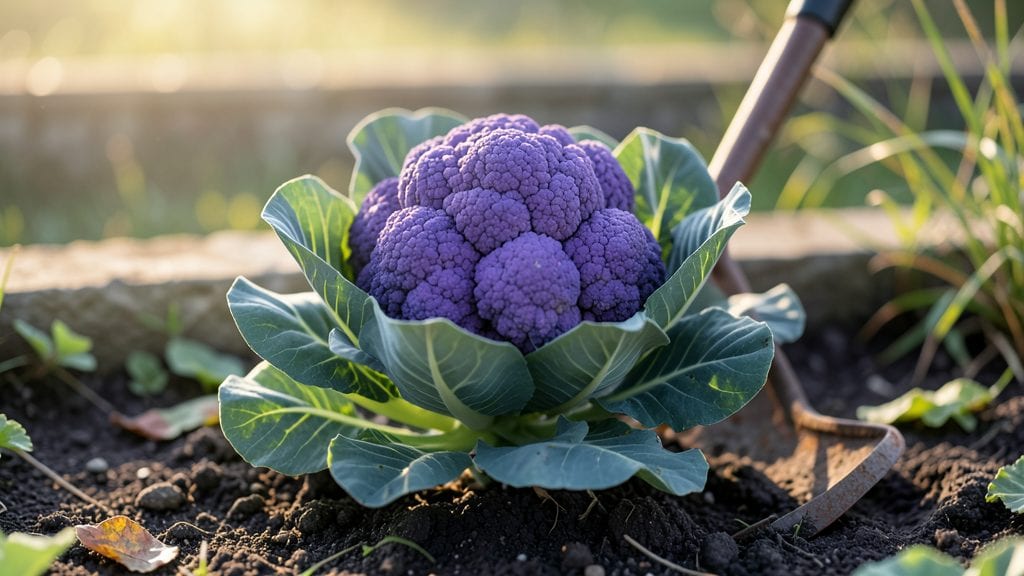
Growing Purple of Sicily cauliflower is like cultivating a living jewel—its deep purple hue transforms your garden into a Mediterranean masterpiece while thriving where other varieties wilt. 🌿 This heat-loving variety isn’t just stunning; it’s the secret weapon for container gardens in hot climates, producing tight, flavorful curds that outperform standard cauliflower in summer’s peak.
The trick starts with the right setup: a 5-gallon container with well-draining soil, 6-8 hours of sun, and consistent moisture—never soggy. I’ve grown it in 100°F heat without issues, as long as roots stay cool.
The purple color deepens with cooler nights, adding drama to your harvest while keeping pests at bay (fewer cabbage worms love the bitter taste).
You’ll harvest 12-18-inch heads in 70-90 days, each curd packed with nutty sweetness. Use them raw in salads (the color stays vibrant!) or roast whole for a caramelized centerpiece.
Even the leaves are edible—toss them into stir-fries for extra nutrition. The best part? One plant feeds a family for weeks.
Container growing makes it foolproof: no weeding, no soil-borne diseases, and you can move it to shade if temps spike. Perfect for balconies, patios, or even a sunny windowsill with grow lights. Let’s get those seeds in the ground—your summer harvest is about to get a whole lot prettier.
📚 In This Guide
- What you need
- Instructions
- Tips and common mistakes
- Wrapping up and next steps
What you need
- ○ Container: At least 5-gallon pot (12–18 inches deep) with drainage holes. Optional: Self-watering pots for convenience.
- ● Purple Sicily cauliflower seeds: 3–5 seeds per container (or 1–2 transplants if starting with seedlings). Look for heirloom or organic varieties for best results.
- ○ High-quality potting mix: 100% organic, well-draining blend (avoid garden soil). Optional: Add perlite or vermiculite (20% mix) for aeration.
- ● Slow-release fertilizer: Balanced (10-10-10 or 5-5-5) or organic options like fish emulsion or compost.
- ● Mulch: Straw or shredded leaves to retain moisture and regulate soil temperature.
- ● Hand trowel for planting and transplanting.
- ● Watering can or hose with gentle spray nozzle (avoid overwatering).
- ○ Garden gloves (optional but helpful for handling soil).
- ● Plant supports: Small stakes or cages (if your variety needs them).
- ● Shade cloth (30–50%) for seedlings if temperatures exceed 85°F (29°C).
- ● Sunny spot with 6+ hours of direct sunlight daily (morning sun is ideal).
- ● Consistent watering schedule (keep soil evenly moist, not soggy).
- ● Patience! Purple Sicily matures in 70–90 days from transplant.
Step-by-step guide to growing purple Sicily cauliflower in containers
This heat-loving variety thrives in pots—here's how to coax vibrant purple curds from Mediterranean heat.
🌱 Step 1: Select and Prepare the Right Containers
Choose 12-15 gallon containers with drainage holes—this variety needs deep root space to handle its vigorous growth. I prefer fabric grow bags because they prevent root circling and allow excess moisture to escape, which is critical in hot climates where soil stays damp longer. If using traditional pots, ensure they're at least 18 inches deep to accommodate the plant's strong taproot.
Fill the bottom 2-3 inches with coarse gravel or broken pottery shards to create an air gap for drainage. This prevents waterlogging, which Purple Sicily cauliflower hates—its roots rot quickly in soggy conditions. The gravel also helps regulate soil temperature, which is especially important in containers that heat up faster than in-ground beds.
☀️ Step 2: Create the Ideal Mediterranean-Inspired Soil Mix
Blend 4 gallons of premium potting mix with 2 gallons of compost and 1 gallon of perlite for each container. This lightweight mix mimics the well-draining soils of Sicily while retaining enough moisture for consistent growth. I always add 1 cup of aged manure or worm castings to each container—this variety responds well to organic matter but avoid fresh manure, which can burn tender roots.
Moisten the mix until it's evenly damp but not wet—think of a wrung-out sponge. You'll know it's right when a handful forms a loose ball that crumbles when gently squeezed. Overwatering now leads to damping-off, a fungal disease that kills seedlings before they establish. Let the mix sit for 24 hours before planting to allow any excess moisture to evaporate.
🌿 Step 3: Plant Transplants at the Correct Depth and Spacing
Set transplants 1 inch deeper than their nursery pots—this encourages stronger root development. Purple Sicily cauliflower needs 18-24 inches of space between plants in containers, so if using a 12-gallon pot, plant just one per container. For 15-gallon pots, you can fit two if you're patient about thinning later (though I prefer single plants for better curd formation).
Gently press the soil around the roots to remove air pockets, then water deeply until moisture reaches the bottom of the container. You'll see water run out the drainage holes—this confirms proper saturation. After planting, place containers in a shaded area for 3-4 days to reduce transplant shock. This variety handles heat well, but sudden exposure stresses young plants.
💧 Step 4: Master Watering for Heat Tolerance
Water deeply every 2-3 days during hot weather, aiming for 1-1.5 gallons per container each time. Purple Sicily cauliflower wilts visibly when thirsty—don't wait until the soil feels dry. Instead, check top 2 inches daily; if it's dry, water immediately. In 90°F+ heat, I water morning and evening to prevent bolting (premature flowering) and maintain crisp curds.
Use drip irrigation or soaker hoses to keep leaves dry—this prevents black rot, a common fungal issue. If hand-watering, direct the stream at the base of the plant, not the foliage. Mulch with 2 inches of straw after plants establish to retain moisture and regulate soil temperature. This is non-negotiable in containers, where soil heats up faster than in-ground beds.
✂️ Step 5: Prune and Support for Maximum Purple Yield
Remove lower leaves that touch the soil to improve airflow and prevent disease. Purple Sicily cauliflower benefits from staking when curds form—use bamboo stakes or tomato cages to support the 4-6 pound heads this variety produces. Tie stems loosely with soft plant ties every 3-4 inches to prevent bruising.
Harvest when curds reach 6-8 inches in diameter and feel firm to the touch. Cut the entire head 1 inch below the base with a sharp knife. You'll get 2-3 harvests per plant in a season—watch for small side shoots that form after the main head is removed. These secondary curds are just as flavorful and often more purple than the primary head.
Tips & tricks for perfect purple Sicily cauliflower in containers
Here's what I've learned after growing this stunning variety that actually thrives in summer heat.
Container Selection: Fabric grow bags are my secret weapon for Purple Sicily—no root circling, better airflow, and they prevent the soil from staying too damp in hot weather. If using traditional pots, avoid black plastic; it absorbs heat and can cook the roots. I've had the best luck with terracotta or thick ceramic pots that moderate temperature swings. For maximum heat tolerance, place containers on elevated stands or use heat-resistant saucers to keep roots cooler.
Soil Prep Secret: The 24-hour resting period after mixing your soil is non-negotiable—it lets any excess moisture evaporate and prevents damping-off. Pro tip: Add a handful of hydrated lime (about 1 tablespoon per container) to your mix to slightly raise pH, which Purple Sicily prefers. This variety's deep purple color actually intensifies in slightly alkaline soil, and it helps prevent clubroot disease that can plague brassicas in containers.
Heat Management: At 90°F+, this cauliflower becomes a wilting machine—literally. The moment you see leaves drooping, it's time to water. But here's the thing: morning watering is critical. Wet foliage in afternoon heat creates a perfect environment for black rot. I've found that adding 1 inch of coarse sand to the top inch of soil helps regulate moisture and keeps roots cooler. It's a Mediterranean gardening trick that works wonders in containers.
Harvest Timing: Those 6-8 inch curds need to be firm but still slightly compact—think of a tightly packed cabbage head. The key is to harvest in the morning after dew has evaporated but before the heat of the day sets in. I've noticed the purple color deepens if you harvest when the curds are slightly smaller (around 5-6 inches) and let them mature another day in partial shade. This gives you more vibrant color and prevents the heads from becoming too woody.
Pro Tips for Cauliflower Purple Sicily
- Here's what I've learned after growing this stunning variety that actually thrives in summer heat.
- Container Selection: Fabric grow bags are my secret weapon for Purple Sicily—no root circling, better airflow, and they prevent the soil from staying too damp in hot weather.
- Soil Prep Secret: The 24-hour resting period after mixing your soil is non-negotiable—it lets any excess moisture evaporate and prevents damping-off.
Frequently asked questions
about growing Cauliflower Purple Sicily in containers—because even Mediterranean heat-tolerant varieties need a little extra care! Here are answers to the most common questions from gardeners ready to try this vibrant purple gem.Can I grow Purple Sicily cauliflower in small containers?
This variety thrives in 5-gallon containers or larger, as long as the roots have room to spread. Use a well-draining potting mix with 30% compost to mimic Sicily’s rich soil. Just ensure the pot has drainage holes—cauliflower hates soggy feet!
How do I prevent my Purple Sicily cauliflower from bolting in hot weather?
Heat triggers bolting, but you can delay it by:
- Planting in late spring or early fall (avoid peak summer).
- Providing shade cloth (30-50%) during midday heat.
- Watering deeply 1-2x weekly to keep soil consistently moist.
What’s the best way to harvest Purple Sicily cauliflower?
Harvest when the curd (head) is firm, compact, and about 6-8 inches wide. Use a sharp knife to cut the stem 1-2 inches below the head. For side shoots, leave the main head in place—new curds will form!
Can I substitute Purple Sicily cauliflower for regular cauliflower in recipes?
Yes! Its nutty, slightly sweeter flavor works perfectly in:
- Roasted dishes (toss with olive oil and herbs!).
- Sautéed sides (great with garlic and lemon!).
- Raw in salads (shave thinly for a crunchy texture!).
Why is my Purple Sicily cauliflower turning yellow or leafy?
Yellowing leaves often signal nutrient deficiency (nitrogen) or overwatering. Try:
- A balanced organic fertilizer (10-10-10) every 3-4 weeks.
- Ensuring 1 inch of water weekly (adjust for rain).
- Checking for pests (cabbage worms)—handpick or use neem oil.
Wrapping up and next steps
Growing purple Sicily cauliflower in containers isn’t just rewarding—it’s a delicious way to embrace Mediterranean flavors while thriving in heat! This resilient variety proves that even small spaces can yield bold, nutritious harvests with minimal fuss.
Whether you’re a beginner or a seasoned gardener, your effort will pay off with vibrant blooms and a taste of Sicily’s sun-drenched fields.
Ready to take the next step? Plant a seed today—or share your progress with fellow gardeners! Tag us @GardenEnthusiasts with your purple Sicily cauliflower adventures. 🌱✨