
Flowers
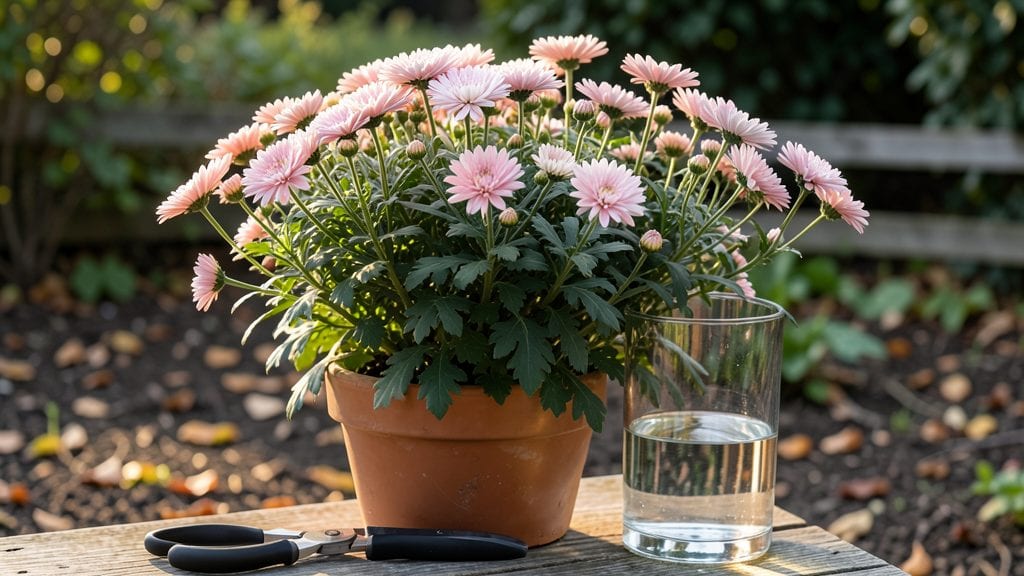
Growing chrysanthemums for cut flowers means bold, long-lasting blooms that outshine store-bought bouquets—no fancy tricks required. 🌼 I’ve grown them for years, and the secret isn’t complicated: it’s all about timing, a sharp pair of pruners, and knowing when to coax those tight buds into opening.
My first attempt ended with floppy stems, but after three seasons of trial and error, I finally cracked the code for stems that stay fresh for weeks in a vase.
The real magic happens in late summer when you start pinching back those side shoots—this forces the plant to focus energy on stronger stems and bigger blooms.
You’ll need well-draining soil, 6+ hours of sun daily, and consistent watering (never soggy roots), but the payoff is worth it: vibrant flowers from early fall through winter, even in cooler climates.
Most gardeners stop there, but the real hack is how you harvest—cutting at the right time and storing stems properly extends vase life by nearly 50%.
By mid-October, your plants will be loaded with buds ready to burst into color. A sharp cut just above a leaf node and a quick dip in warm water keeps stems hydrated longer.
I’ve sent bouquets from my garden to friends in December that still looked fresh—no preservatives needed. The flowers even hold their shape better than commercial cut flowers, making them the star of any table arrangement.
Once you see how easy it is to coax these blooms all season, you’ll never buy chrysanthemums again.
This method works whether you’re growing in full sun garden beds or containers on a patio, and it’s forgiving enough for beginners. The key is patience—those first blooms take about 8-10 weeks from the initial pinch—but once you’ve done it once, you’ll wonder why you didn’t start sooner.
Let’s get those stems strong and those blooms show-stopping.
📚 In This Guide
- What you need
- Instructions
- Tips and common mistakes
- Wrapping up and next steps
What you need
- ● Chrysanthemum plants: Mature, healthy plants (preferably with at least 3-5 strong stems per cutting)
- ● Varieties like ‘Bonanza,’ ‘Daisy,’ or ‘Sahin Early’ (great for cut flowers)
- ● Pruning shears or sharp scissors: Clean, sterilized tools to avoid disease (avoid dull blades!)
- ● Bucket or vase: A clean container (5+ inches deep) for holding cuttings or arranging blooms
- ● Water: Room-temperature, chlorine-free (let tap water sit for 24 hours if needed)
- ○ Flower food (optional but recommended): Extends vase life by 3-5 days
- ● Hydrogen peroxide (1 tsp per gallon of water): Acts as a natural sterilizer for cut stems
- ● Sharpie or marker: Label stems if growing multiple varieties
- ● Floral preservative powder: Sprinkle in water for longer-lasting blooms
- ● Glass jars or mason vases: For rustic or DIY arrangements
- ● Pruning sealant (like tree wound paint): Helps heal cuts on the main plant
Step-by-Step guide to pruning chrysanthemums for long-lasting cut flowers
Here's how to coax abundant, healthy blooms with minimal effort—no green thumb required.
🌿 Step 1: Identify and Select the Right Stems
Chrysanthemums thrive when you cut them at the right stage—wait until half the buds on a stem have fully opened. This ensures your bouquets last longer because the flowers won't all open at once. Avoid cutting stems with more than three open blooms, as they’ll wilt faster.
Use sharp, clean pruning shears to make a 45-degree cut just above a leaf node. This angle prevents water from pooling in the stem, which can cause rot. I always sanitize my shears with rubbing alcohol between cuts—this keeps diseases from spreading to other stems.
✂️ Step 2: Harvest at the Perfect Time of Day
Morning is the best time to cut chrysanthemums—between 6 and 9 AM—when stems are fully hydrated and blooms are just beginning to unfurl. Avoid harvesting in the heat of the day, as stems will wilt quickly. If you must cut later, place stems immediately in lukewarm water to revive them.
Cut stems at a 4- to 6-inch length for bouquets, leaving enough stem to support the flowers. Strip off any lower leaves that would sit below the waterline in your vase—this prevents bacterial growth. I like to recut the stems under water every 2-3 days to encourage fresh uptake.
💧 Step 3: Encourage More Blooms Through Strategic Pruning
After cutting, pinch back the remaining stems to promote bushier growth. Look for the fourth or fifth set of leaves from the top and snip just above that point. This encourages side shoots, which will produce more blooms. Avoid over-pruning—never cut more than one-third of the plant at once, or you’ll stress it.
Water the plant deeply immediately after pruning to help it recover. Chrysanthemums are drought-tolerant but still need 1 inch of water per week during active growth. Mulch around the base with 2-3 inches of organic mulch to retain moisture and keep roots cool—this prevents leggy growth and encourages compact, sturdy stems perfect for cutting.
☀️ Step 4: Extend the Blooming Season with Light Control
Chrysanthemums bloom in response to shorter daylight hours, typically in fall. To encourage year-round blooms, reduce light exposure to 10-12 hours per day starting 8-10 weeks before your desired bloom time. Use a blackout curtain or move plants to a shaded spot for 4-6 hours daily during peak sunlight.
This trick works best in USDA Zones 5-9, where natural daylight shortens in late summer. If you’re in a warmer zone, you might need to supplement with artificial light to maintain a consistent cycle. Watch for buds forming at the stem tips—this is your signal that the light manipulation is working!
🪴 Step 5: Store and Revive Cut Flowers for Maximum Longevity
Once cut, chrysanthemums last 7-14 days in a vase if cared for properly. Change the water every 2-3 days and trim ½ inch off the stems each time to remove blocked vessels. Add a flower food packet to the water to slow bacterial growth and extend vase life.
Keep stems in a cool, shaded spot away from direct sunlight, drafts, or ripening fruits (which release ethylene gas, speeding up wilting). If leaves turn yellow or stems wilt, recut them under water and place them in fresh, room-temperature water for a few hours to revive. With this care, your chrysanthemum bouquets will stay fresh long after the cutting garden is done.
Tips & tricks for perfect chrysanthemum cut flowers
Mastering these small details transforms ordinary cuttings into showstopping bouquets that last.
Timing Secret: In Step 2, when harvesting between 6 and 9 AM, pay attention to the plant's natural rhythm. Chrysanthemums are most hydrated right after morning dew has evaporated but before the sun intensifies. If you must harvest later, that lukewarm water trick works wonders—it mimics the plant's natural hydration cycle. For maximum vase life, always cut when buds are just beginning to unfurl; this ensures your bouquets bloom gradually rather than all at once.
Cutting Technique: The 45-degree angle in Step 1 isn't just about aesthetics—it's about physics. This angle creates a larger surface area for water absorption while preventing air bubbles that would block water uptake. I've found that using a clean, sharp pair of pruning shears makes all the difference. Dull blades crush stems, which accelerates wilting. For the cleanest cuts, I dip my shears in rubbing alcohol between each stem to prevent bacterial transfer.
Light Control Strategy: For Step 4's light manipulation, start your 8-10 week countdown when you want blooms to appear. In USDA Zones 5-9, natural daylight shortening triggers blooming, but in warmer zones, you'll need to create that shorter day cycle artificially. I've had success with blackout curtains—just remember to remove them after your 4-6 hour daily shading period. The key visual cue is buds forming at stem tips; this confirms your light manipulation is working perfectly.
Revival Rescue: When stems wilt in Step 5, don't panic. That room-temperature water revival trick works because it gently rehydrates the stems without shocking them. For stubborn cases, add a drop of dish soap to the water—it reduces surface tension, allowing stems to drink up water more efficiently. I've revived wilted chrysanthemums that would have otherwise been composted using this method.
Pro Tips for Chrysanthemum Cut Flowers
- Mastering these small details transforms ordinary cuttings into showstopping bouquets that last.
- Timing Secret: In Step 2, when harvesting between 6 and 9 AM, pay attention to the plant's natural rhythm.
- Cutting Technique: The 45-degree angle in Step 1 isn't just about aesthetics—it's about physics.
Frequently asked questions
Got questions about keeping your chrysanthemum cut flowers fresh and fabulous? We’ve got answers! Here are some of the most common queries—plus quick fixes to keep your bouquets thriving.
How long do chrysanthemum cut flowers last in a vase?
With proper care, chrysanthemum cut flowers typically last 7–14 days in a vase. To maximize their lifespan, trim stems at an angle, change the water every 2–3 days, and remove any wilted blooms promptly. Keep them in a cool spot away from direct sunlight or heat sources.
Do I need to trim the stems before arranging?
Yes! Always trim the stems at a 45-degree angle (about 1–2 inches from the base) before placing them in water. This helps the flowers absorb water more efficiently, preventing air bubbles that can shorten their vase life. Use sharp, clean scissors or pruning shears to avoid crushing the stems.
What’s the best water treatment for chrysanthemum cut flowers?
Use clean, room-temperature water and add a flower food packet (available at garden centers) to extend their life. If you don’t have flower food, mix a teaspoon of sugar + 2 drops of bleach per quart of water to prevent bacterial growth. Avoid tap water with high chlorine—let it sit out for 24 hours if possible.
Can I mix chrysanthemums with other flowers in an arrangement?
Chrysanthemums pair beautifully with eucalyptus, roses, or snapdragons for a balanced bouquet. Just ensure other flowers aren’t too heavy or water-intensive (like lilies), which can compete for hydration. Group similar stem lengths together for a polished look, and avoid overcrowding the vase.
Why are my chrysanthemum cut flowers wilting so fast?
Wilting can stem from bacterial buildup, poor hydration, or ethylene gas (released by overripe fruit nearby). Troubleshoot by:
- Recutting stems and refreshing water daily.
- Removing leaves submerged in water to prevent rot.
- Avoiding drafts or direct sunlight (they prefer indirect light).
- Isolating the bouquet from ripe bananas or apples.
Wrapping up and next steps
Chrysanthemum cut flowers bring effortless beauty and year-round joy to any space—whether you’re a seasoned gardener or just starting out! 🌸 With minimal pruning and care, these hardy blooms reward you with vibrant colors and lush arrangements, perfect for bouquets or home décor.
Whether you’re harvesting for a centerpiece or simply enjoying their resilience, every snip is a step toward a more vibrant garden.
Ready to elevate your floral game? Start small—pick a few stems today and experiment with arrangements! 🌿 Check out our guide on preserving cut chrysanthemums to keep their freshness (and your creativity!) blooming all season long.