
Flowers
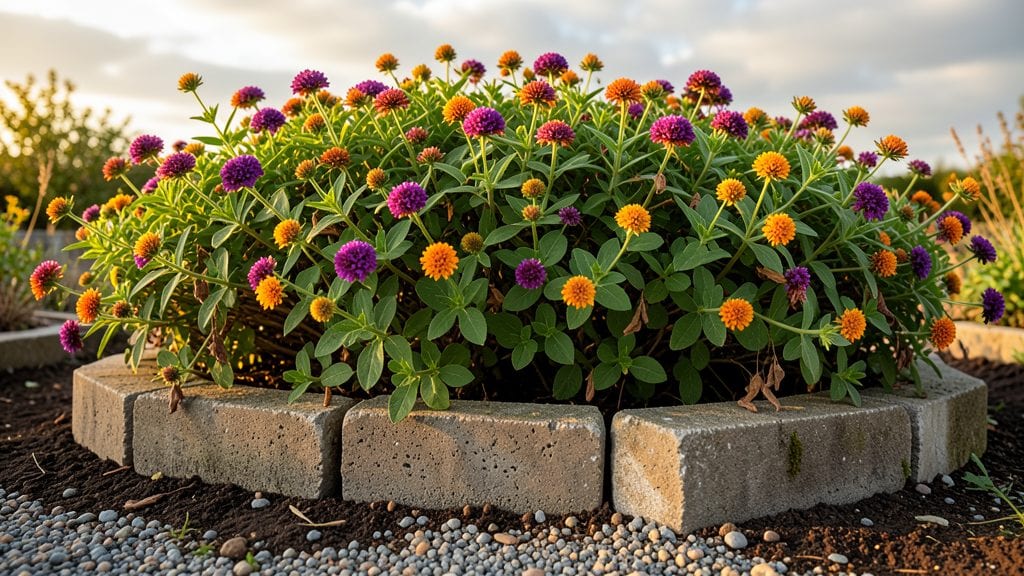
A cinder block flower wall turns blank walls into a lush, fragrant display that needs almost no effort. 🌿 I built mine last spring after struggling with sparse patio space—now it’s the first thing guests notice, and it thrives on neglect.
The blocks create perfect pockets for plants while keeping soil contained, so no messy spills or weeds to battle.
This isn’t just a pretty face—it’s a foolproof system for beginners and busy gardeners. You’ll use trailing vines like sweet potato vine or nasturtiums for drama, annuals like petunias for quick color, and perennials like creeping thyme for long-term texture.
The blocks’ drainage holes prevent root rot, and their weight keeps the wall steady without heavy supports.
By summer, you’ll have a vibrant green curtain that blooms continuously, attracts pollinators, and hides ugly walls. Maintenance is minimal: water when the soil feels dry, deadhead spent blooms, and prune leggy growth. The best part? No digging, no tilling—just stack, plant, and enjoy.
Works for herb gardens, romantic cottage walls, or modern geometric designs. Whether you’re reviving a dull corner or adding charm to a rental property, this project delivers instant curb appeal with zero fuss. Let’s get building!
📚 In This Guide
- What you need
- Instructions
- Tips and common mistakes
- Wrapping up and next steps
What you need
- ● Cinder blocks: 20–30 blocks (standard 8" x 8" x 16" for a 4' x 4' wall; adjust for size). Use hollow-core blocks for drainage.
- ● Landscape fabric: 1 roll (to prevent weeds and retain moisture).
- ● Potting soil: 2–3 bags (lightweight, well-draining mix like cactus/succulent blend or peat-based soil).
- ● Drainage material: 1 bag of gravel or perlite (for the base layer).
- ● Flowering plants: 15–25 small plants (succulents, herbs, or annuals like petunias, impatiens, or coleus).
- ○ Optional: Decorative elements like painted blocks, mosaic tiles, or solar-powered lights.
- ● Measuring tape and level (to ensure straight walls).
- ● Wheelbarrow or bucket (for mixing soil and carrying materials).
- ● Garden trowel or shovel (for filling blocks with soil).
- ● Drill with masonry bit (if pre-drilling holes for plants).
- ● Watering can or hose with spray nozzle (for gentle hydration).
- ○ Optional: Staple gun (to secure landscape fabric) or gloves (for messy work).
- ● A sunny or partially shaded wall (6+ hours of light for most flowers).
- ● Sturdy base: Concrete pad or gravel bed (to anchor the wall and prevent sinking).
- ● Access to water (a nearby hose or drip irrigation system).
- ● Basic DIY skills (no experience needed—this project is beginner-friendly!).
Step-by-Step instructions for building a cinder block flower wall
Here's the straightforward method I've used to create thriving vertical gardens that require almost no maintenance.
🪴 Step 1: Gather and Prepare Your Materials
Start by collecting 4-6 cinder blocks (the more you use, the taller your wall). You'll need landscape fabric to line the back, garden soil (not potting mix—it drains too quickly), and gravel or small rocks for drainage. I like to use 1/2-inch landscape fabric because it keeps roots contained while allowing water to pass through.
Lay out your blocks in a straight line, adjusting the spacing until you're happy with the height and length. Most walls use blocks stacked two high, creating pockets for planting. Mark the ground where each block will sit to ensure a level base—uneven blocks will cause drainage issues later. Here's the thing—don't skimp on the gravel layer. You'll need at least 2 inches of gravel at the bottom of each block to prevent soil from washing out when you water.
💧 Step 2: Build the Drainage Layer and Line the Back
Place your landscape fabric against the back wall, securing it with stakes if needed. This keeps soil from spilling into your yard or garden bed. Now, fill the bottom of each block with 2 inches of gravel. The gravel should cover the entire base—this is critical for preventing soil from compacting and blocking drainage.
Next, cut a piece of landscape fabric to fit the back of your block wall, leaving a few inches to overlap at the top. Secure it with staples or landscape pins. This fabric prevents soil from escaping while still allowing water to drain through. I've seen people skip this step, and within a few waterings, their wall turns into a muddy mess. Don't make that mistake—this fabric is your secret weapon for keeping everything in place.
☀️ Step 3: Fill Blocks with Soil and Plant Your Flowers
Fill each block cavity with your garden soil, leaving about 1 inch of space at the top for watering. Don't pack it down—just firm it gently so the soil stays in place. The soil should feel like a damp sponge when squeezed, not dripping wet. You'll want to use a mix that drains well but retains enough moisture for your plants.
Now for the fun part—planting! Choose drought-tolerant annuals like snapdragons, petunias, or succulents for a low-maintenance wall. Plant one per pocket, pressing the soil gently around the roots. Water immediately after planting to help the soil settle and eliminate air pockets. Here's what I do: I water until it runs out the bottom, then wait until the top feels dry before watering again. This keeps roots from sitting in soggy soil.
🌿 Step 4: Water and Maintain for Long-Term Success
Water your new wall thoroughly right after planting, then check the soil daily for the first week. You'll know it's time to water when the top inch feels dry to the touch. Most cinder block walls need watering every 2-3 days in hot weather, but this varies based on your climate. I've found that morning watering prevents evaporation and keeps roots happy.
Once established, your wall should need watering every 3-4 days. Fertilize lightly with a balanced liquid fertilizer every 4-6 weeks during the growing season. Deadhead spent blooms regularly to encourage more flowers. The key to a thriving wall is consistency—don't let the soil dry out completely between waterings, but don't keep it soggy either. Your plants will thank you with nonstop blooms.
Tips & tricks for perfect cinder block flower walls
Common pitfalls—and how to sidestep every one—when building a vertical garden that actually thrives.
Drainage is Everything: That 2-inch gravel layer in Step 2 isn't optional—it's the foundation of your wall's health. I've seen walls collapse into muddy piles when people skip this, so take the extra 5 minutes to spread gravel evenly across the entire base. For extra insurance, add a thin layer of coarse sand above the gravel before adding soil—this prevents clogging over time. The goal is to mimic natural soil layers where water drains freely.
Soil Selection Matters: Garden soil (not potting mix) is critical because it drains faster while still retaining enough moisture for roots. If you're unsure about your soil's quality, mix in 20% perlite or coarse sand to improve drainage. I've found that adding a handful of compost to each block creates a nutrient boost without overwhelming the plants. The soil should crumble easily when dry but hold together when damp—this balance is key for drought-tolerant annuals.
Plant Placement Strategy: When planting in Step 3, position your flowers so their roots face the center of each block pocket. This creates a natural funnel for water to reach the roots during irrigation. For taller walls (3+ blocks high), plant smaller flowers in the top pockets where they'll get more sunlight, and larger varieties in the bottom where they can handle partial shade. This vertical layering prevents overcrowding and creates visual interest.
Watering Wisdom: The daily check for the first week is non-negotiable—those 2-3 days between waterings can turn into 1 day in hot climates. I recommend using a spray nozzle for gentle watering rather than a hose, which can erode soil. For established walls, consider installing a drip irrigation system along the back—it delivers water directly to the roots without disturbing the plants. The key is consistency: better to water lightly daily than deeply every few days.
Pro Tips for Cinder Block Flower Wall
- Common pitfalls—and how to sidestep every one—when building a vertical garden that actually thrives.
- Drainage is Everything: That 2-inch gravel layer in Step 2 isn't optional—it's the foundation of your wall's health.
- Soil Selection Matters: Garden soil (not potting mix) is critical because it drains faster while still retaining enough moisture for roots.
Frequently asked questions
Got questions about creating your own cinder block flower wall? We’ve got answers!
Here are some of the most common queries to help you plan like a pro.
How do I prevent weeds from growing between the cinder blocks?
Weeds are a common nuisance, but you can beat them! Lay down landscape fabric between the blocks before adding soil, or use gravel or mulch as a natural barrier. For extra protection, choose dense, fast-growing plants like creeping thyme or moss to outcompete weeds.
How long does it take for a cinder block flower wall to become established?
Most plants take 4–8 weeks to show significant growth, depending on the species. Succulents and herbs (like basil or oregano) sprout quickly, while perennials (like lavender) may take a full season to fully thrive. Patience pays off—your wall will flourish!
Are there budget-friendly alternatives to cinder blocks?
Try recycled pallet wood, bricks, or even stacked planters (like terracotta pots) for a similar look. Upcycled materials cut costs while keeping the vertical garden aesthetic. Just ensure your chosen material has drainage holes!
What if my flower wall gets too dry or flooded?
Cinder blocks drain well, but extreme weather can still cause issues. For droughts, water deeply 2–3 times a week (early morning is best). To prevent overwatering, ensure blocks have drainage holes and use a well-draining soil mix. Mulch helps retain moisture without soggy roots!
How do I keep pests away from my cinder block garden?
Pests hate neatness and diversity! Plant herbs like rosemary or mint (natural repellents), avoid overwatering (which attracts slugs), and remove debris regularly. For stubborn pests, introduce beneficial insects like ladybugs. A healthy wall = fewer pests!
Wrapping up and next steps
A cinder block flower wall isn’t just a stylish addition to your space—it’s a low-maintenance, high-reward way to bring nature indoors or outdoors with minimal effort. Whether you’re a seasoned gardener or a beginner, this project proves that beautiful blooms don’t require complicated setups. 🌸
Ready to transform your walls into a lush, thriving garden? Start small—pick a sunny spot, gather your materials, and let your creativity (and plants!) do the rest. The only limit is your imagination! 🌱
Pro tip: Share your progress or final design on social media—inspire others to try it too!