
Landscaping
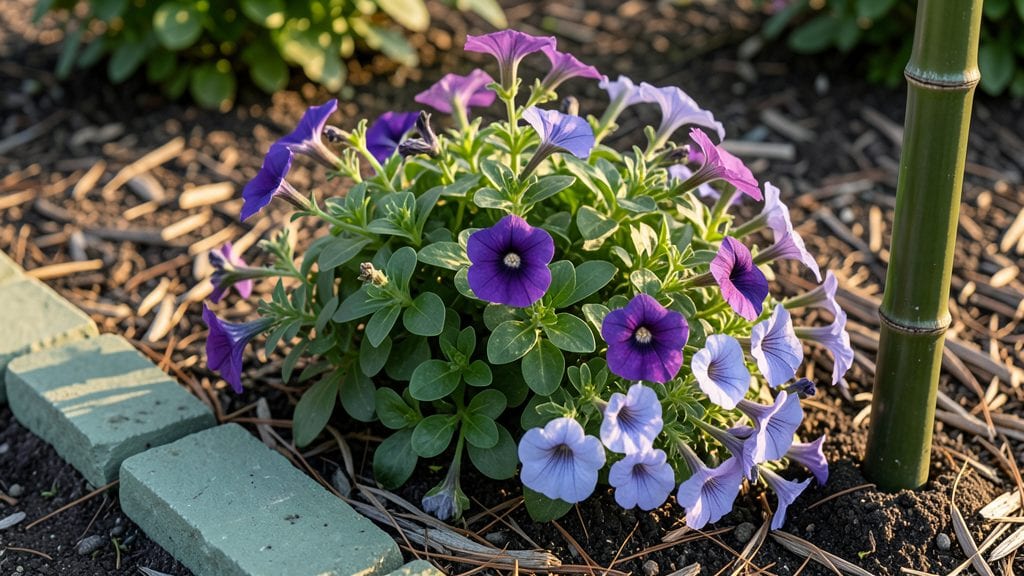
A front yard petunia flower bed bursts with color like a living canvas, turning your curb appeal into the neighborhood showstopper. 🌸 I learned the hard way that petunias aren’t just pretty—they’re tough survivors when given the right conditions.
The secret lies in choosing heat-tolerant varieties, like 'Wave' or 'Supertunia,' that keep blooming from spring until frost, even in scorching summer afternoons.
Start with well-draining soil mixed with compost to give roots room to breathe, and plant in late spring after the last frost when nighttime temps stay above 50°F. My first bed used bright magenta and violet petunias edged with silver foliage plants like lamb’s ear for contrast, but you can mix any bold colors—just avoid planting them where kids or pets might dig up the soil.
What you’ll end up with is a nonstop bloom machine that requires almost no deadheading—just a weekly trim to keep plants bushy and a monthly dose of balanced fertilizer. The best part? Petunias attract butterflies and hummingbirds, turning your yard into a pollinator paradise while keeping maintenance simple.
Works in any sunny spot, from narrow borders to large beds, and even thrives in containers if space is tight. Here’s how to make it happen without the guesswork—because your front yard deserves to steal the show every season.
📚 In This Guide
- What you need
- Instructions
- Tips and common mistakes
- Wrapping up and next steps
What you need
- ● Petunia plants: 12–24 plants (depending on bed size). Choose heat-tolerant varieties like 'Supertunia' or 'Wave' for best results.
- ● Potting soil or garden soil: 10–15 cubic feet (for a 4’x4’ bed). Opt for well-draining, nutrient-rich mix (e.g., Miracle-Gro Premium).
- ● Compost or organic fertilizer: 5–10 lbs (boosts soil health and bloom longevity).
- ○ Mulch (optional but recommended): 2–3 bags of pine bark or shredded leaves to retain moisture and suppress weeds.
- ● Garden trowel or spade (for digging and transplanting).
- ● Garden gloves (to protect your hands from thorns or rough soil).
- ● Watering can or hose with a gentle spray nozzle (petunias love consistent moisture!).
- ● Measuring tape or string (to mark bed dimensions, if planning a new layout).
- ● Pruning shears (for trimming dead blooms and shaping plants).
- ○ Knee pads (optional) (for comfort during long planting sessions!).
- ● A sunny location with at least 6–8 hours of direct sunlight daily.
- ● A well-drained bed (avoid soggy soil—petunias hate wet feet!).
- ● Time of year: Plant in spring after the last frost or late summer for fall blooms.
- ○ Neighborhood approval (optional but helpful!)—check local HOA rules if applicable.
Step-by-step guide to planting a stunning petunia flower bed
Here's how to create a vibrant, low-maintenance display that blooms all season long.
🌱 Step 1: Prepare the Soil for Petunia Success
Clear the area of weeds and grass, then loosen the top 6 inches of soil with a garden fork. Petunias love well-draining soil, so if your yard is heavy clay, mix in 2-3 inches of compost or aged manure to improve texture and fertility. I like to spread a thin layer of 1 inch of coarse sand if drainage is really poor—it makes a huge difference for root health.
Work the amendments into the soil until it feels light and crumbly, like a well-aerated cake batter. A simple scratch test tells you when you're done: run your finger through the soil—it should break apart easily without sticking. This prep ensures your petunias won't sit in soggy soil, which causes root rot and stunted growth.
☀️ Step 2: Choose the Perfect Location and Spacing
Petunias crave full sun—at least 6-8 hours daily—so pick a spot that gets morning light and afternoon sun without harsh afternoon shade. If your yard has afternoon shade, opt for trailing varieties that can spill over edges while still getting enough light. I always mark the bed outline with spray paint before digging, so I know exactly where to plant.
Space plants 12-18 inches apart in rows 18-24 inches apart for a lush, full look. Crowding leads to weak stems and fewer blooms, while proper spacing allows air circulation that prevents fungal diseases. For a 4-foot-wide bed, you'll need about 12-16 plants to create that wow factor without gaps. Real talk: Skimping on spacing is the #1 mistake I see in beginner beds.
🪴 Step 3: Plant Petunias for Maximum Impact
Dig holes twice as wide as the root ball but only as deep as the container's base—planting too deep suffocates roots. Gently remove each plant from its container, tease the roots if they're circling, and place it in the hole. The top of the root ball should sit just below soil level—never bury the stem or it'll rot.
Fill the hole with soil, pressing lightly around the base to eliminate air pockets. Water deeply right after planting to settle the roots and remove any air gaps. Here's the thing—petunias are thirsty but hate soggy feet. After watering, let the top 1 inch of soil dry out before watering again. This prevents root rot while keeping them hydrated.
💧 Step 4: Water and Fertilize for Continuous Blooms
Water in the early morning to reduce evaporation and fungal risks. Petunias need 1-1.5 inches of water weekly, but check soil moisture—if the top 2 inches feel dry, it's time to water. I use a soaker hose for even moisture without wetting leaves, which prevents powdery mildew. Mulch with 2-3 inches of shredded bark to retain moisture and keep roots cool.
Feed every 2-3 weeks with a balanced liquid fertilizer (10-10-10) during the growing season. Deadhead spent blooms weekly to encourage more flowers—this is the secret to nonstop color. Pinch back leggy stems in early summer to promote bushier growth. You'll see a dramatic difference in plant vigor within weeks of consistent care.
✂️ Step 5: Maintain and Enjoy Your Petunia Paradise
Watch for pests like aphids or spider mites—spray with neem oil at the first sign of trouble. Petunias are generally low-maintenance, but they reward consistent care with bold, starburst blooms all season. If flowers slow down in late summer, give them a light trim to remove tired growth and encourage one last flush of blooms.
As fall approaches, you can let them go dormant or dig up and overwinter them indoors. I always take cuttings from my best plants to propagate for next year—it's the easiest way to get free, identical petunias. The key to long-term success? Start fresh every year with new plants, as petunias decline after one season. Your front yard will be the talk of the neighborhood!
Tips & tricks for a showstopping petunia flower bed
Here's what separates a pretty petunia patch from a jaw-dropping front yard display.
Soil Prep Secret: After loosening that top 6 inches of soil, add a handful of perlite to the mix—it creates tiny air pockets that prevent compacting. I've seen petunias thrive in heavy clay when I add this extra step. The goal is soil that feels like a sponge, not concrete. This makes all the difference for root health in Step 1.
Sunlight Strategy: Those 6-8 hours of sun are non-negotiable, but here's the trick: if your morning sun is blocked by trees, opt for afternoon sun instead. Petunias can handle the heat better than they can handle shade. I learned this when my first bed under morning shade struggled—switching to afternoon sun made all the difference. Mark your sun patterns with a garden flag for a week before planting to map the exact light conditions.
Planting Depth Visual: When planting, use your finger to test the depth—just below soil level means the top of the root ball should sit where your first knuckle would be. This prevents the stem from rotting while keeping roots accessible to moisture. I always do a quick check on the first few plants to ensure consistency across the whole bed.
Watering Hack: The 1-1.5 inches of weekly water sounds simple, but here's the pro move: use a rain gauge to measure. Place it in your bed and water until it reaches the target. This prevents overwatering (which causes root rot) or underwatering (which causes wilting). I keep one in my garden shed for all my beds—it's a game-changer for consistent moisture.
Pro Tips for Front Yard Petunia Flower Bed
- Here's what separates a pretty petunia patch from a jaw-dropping front yard display.
- Soil Prep Secret: After loosening that top 6 inches of soil, add a handful of perlite to the mix—it creates tiny air pockets that prevent compacting.
- Sunlight Strategy: Those 6-8 hours of sun are non-negotiable, but here's the trick: if your morning sun is blocked by trees, opt for afternoon sun instead.
Frequently asked questions
Got questions about creating a show-stopping petunia flower bed? We’ve got answers!
Whether you’re a first-time gardener or a seasoned landscaper, these FAQs cover the basics—and a few pro tips—to help your front yard petunias really shine.
When is the best time to plant petunias in my flower bed?
For most climates, plant petunias in early spring after the last frost (when soil temps hit 60°F+) or in late summer for fall blooms. In warmer zones (Zones 9-11), you can plant year-round! Just avoid extreme heat—petunias hate wilting before they even sprout.
How often should I water my petunia flower bed?
Water deeply 2–3 times per week (more in scorching heat) to keep soil moist but not soggy. Pro tip: Water at the base (not overhead) to prevent fungal diseases like powdery mildew. Mulch around plants to retain moisture—your petunias will thank you with nonstop blooms!
What pests or diseases should I watch for in petunias?
Common culprits include aphids, spider mites, and earwigs (they chew leaves!). For diseases, powdery mildew (white dust) and botrytis blight (brown spots) are red flags. Fix it: Spray with neem oil or insecticidal soap, and remove affected leaves immediately.
Can I mix petunias with other flowers in my bed?
Petunias pair beautifully with marigolds, salvias, or calibrachoas for a colorful contrast. Avoid planting with mint or invasive ground covers—they’ll crowd out your petunias. Stick to complementary companions for a low-maintenance, high-impact bed.
Do petunias survive winter, or should I replant every year?
Petunias are annuals in most climates, so they’ll die back when temps drop below 30°F. However, in Zones 9-11, they may rebloom in mild winters. Pro tip: Snip back dead foliage in fall, and plant fresh seeds or transplants in spring for a fresh start.
How can I keep my petunia bed looking full and lush all season?
Deadhead spent blooms weekly to encourage more flowers, and fertilize every 2–3 weeks with a balanced liquid fertilizer (10-10-10). For extra fullness, interplant with trailing varieties like ‘Supertunia’ or ‘Wave’ petunias. Rotate plants occasionally to fill gaps—your bed will stay bursting with color!
Wrapping up and next steps
A front yard petunia flower bed isn’t just a splash of color—it’s a vibrant statement that transforms your outdoor space into a lively retreat. With the right soil, full-sun exposure, and consistent care, these bold blooms will reward you with months of dazzling displays. 🌸
Ready to get started? Sketch your design, gather your supplies, and dive in! Whether you’re a seasoned gardener or a beginner, every petal you plant is a step toward a brighter, more beautiful yard. Happy gardening!