
Flowers
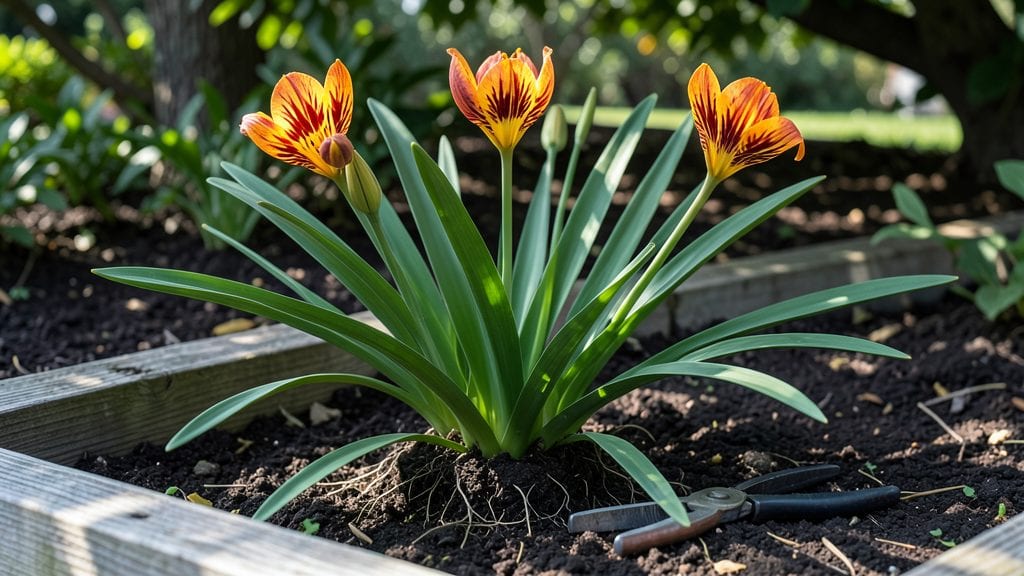
The tiger eye flower (Tigridia pavonia) brings fiery starbursts to your garden—if you nail its Pacific Northwest quirks. I’ve grown these dramatic blooms for three summers, and the secret isn’t just timing, but mimicking their high-altitude Mexican origins with cool evenings and rich soil.
The first time I saw them unfurl at dawn, I knew they’d become my signature summer showstopper.
These flowers demand bright light (6+ hours daily) and well-draining soil—think 60% organic matter mixed with sand to prevent rot. Plant bulbs in late spring after frost risk passes, spacing them 3 inches apart in clusters for that wild, natural look.
Water deeply once a week, letting the soil dry slightly between soakings to prevent bulb rot. The blooms last just one day, but they open in rapid succession for weeks of nonstop color.
You’ll end up with bold, striped petals in fiery oranges, yellows, and reds that catch the morning light. The secret to long blooming? Deadhead spent flowers immediately and feed with a low-nitrogen fertilizer every 3 weeks.
Even in rainy PNW summers, these bulbs bounce back year after year, multiplying like wildfire in the right conditions. The trade-off? They’re temperamental—too much heat or humidity, and they’ll sulk.
Perfect for container gardens on patios or as edging in sunny borders. In cooler coastal areas, plant bulbs deeper (4 inches) to protect them from winter damp.
The key is patience—wait until the soil warms to 60°F before planting, and you’ll get that dramatic, fleeting beauty that makes every summer morning feel like a tropical escape.
📚 In This Guide
- What you need
- Instructions
- Tips and common mistakes
- Wrapping up and next steps
What you need
- ● Tiger eye flower bulbs: 3–5 bulbs (size: 1–2 inches in diameter). Choose healthy, firm bulbs with no soft spots or mold.
- ● Well-draining potting mix: 2–3 cubic feet (for containers) or amend garden soil with compost and perlite (ratio: 60% soil, 30% compost, 10% perlite).
- ● Garden bed or large container: For in-ground planting: A sunny spot (6+ hours of light) with loose, rocky soil (they hate soggy roots!).
- ● For container growing: A pot at least 12 inches deep and wide with drainage holes.
- ● Fertilizer: A balanced, low-nitrogen fertilizer (e.g., 5-10-10) or bulb-specific food (follow package instructions).
- ● Mulch: Pine needles or straw (2–3 inches) to retain moisture and deter weeds.
- ● Watering can or hose with gentle spray nozzle (avoid overwatering!).
- ● Gloves and hand trowel (for easy bulb handling).
- ● Soil pH tester (ideal range: 6.0–7.0; amend with lime if too acidic).
- ● Slow-release fertilizer spikes for containers (reduce maintenance!).
- ● Drip irrigation system (if planting in a large garden bed).
- ● Plant markers (tiger eye flowers have unique foliage—labeling helps track blooms!).
- ● Pruning shears (for deadheading spent blooms to encourage reblooming).
Step-by-Step instructions for cultivating tiger eye flower in the Pacific Northwest
This striking perennial thrives with the right balance of moisture, light, and soil prep—here’s how to coax those bold starburst blooms to life.
🌱 Step 1: Select and Prepare the Planting Site
The tiger eye flower (Tigridia pavonia) loves partial shade to full sun but tolerates morning sun with afternoon shade in hotter PNW summers. Choose a spot with well-draining soil—this is critical to prevent root rot, especially in rainy seasons. If your soil is heavy clay, amend it with 2-3 inches of compost mixed into the top 12 inches of soil.
Test your site’s moisture level: dig a 6-inch hole, fill it with water, and wait 30 minutes. If water remains, improve drainage by adding sand or gravel to the hole before planting. The PNW’s damp climate means these plants need elevated beds or containers if your yard stays soggy.
💧 Step 2: Plant at the Right Time and Depth
In the Pacific Northwest, plant tiger eye flower tubers in early spring, 4-6 weeks before the last frost date, or in late summer for fall blooms. Each tuber produces 4-6 plants, so space them 6-8 inches apart in rows 12 inches apart to allow airflow and prevent fungal issues.
Plant tubers 2-3 inches deep—deeper than you might think, since they’ll send up shoots from the top. Cover lightly with soil, then water deeply to settle the soil around the tubers. Avoid disturbing them after planting; they dislike being moved once established. You’ll see sprouts in 2-3 weeks if conditions are right.
☀️ Step 3: Water and Fertilize for Vibrant Blooms
Keep the soil evenly moist but not waterlogged—tiger eye flowers wilt dramatically when thirsty but bounce back quickly once watered. In the PNW’s rainy season, reduce watering to prevent fungal diseases like powdery mildew. Once established, these plants are drought-tolerant but bloom best with consistent moisture.
Feed plants once in early spring with a balanced 10-10-10 fertilizer (use ½ teaspoon per plant) to encourage strong foliage. Skip fall fertilizing—it promotes tender growth that won’t survive winter. Deadhead spent blooms to redirect energy into bold, starburst flowers rather than seed production.
✂️ Step 4: Protect and Maintain Through Seasons
In winter, tiger eye flowers go dormant. Once foliage yellows and dies back, cut back stems to ground level but leave tubers in the soil. Mulch with 2-3 inches of straw or shredded leaves to insulate tubers from freezing. In spring, remove mulch as new growth appears—sprouts emerge when soil reaches 60°F.
Watch for slugs and snails, which adore tender new shoots. Handpick pests at dawn or set out beer traps (bury a shallow dish filled with beer—creatures drown overnight). Divide tubers every 3-4 years in early spring to prevent overcrowding, lifting them carefully with a fork and replanting half the clump in a new spot.
⏰ Step 5: Extend the Blooming Season Strategically
For longer blooms, stagger planting times: install half the tubers in early spring and the rest in late summer. This creates a 6-8 week flowering window instead of a single burst. In containers, move pots to sheltered, sunny spots in late afternoon to protect blooms from PNW’s wind and rain, which can bruise petals.
Here’s the thing—tiger eye flowers self-seed aggressively in mild winters. If you want more blooms next year, let a few seed pods mature and scatter them lightly in fall. Otherwise, pull volunteers in early spring to control spread. With the right care, these bold, exotic blooms will naturalize beautifully in your garden.
Tips & tricks for perfect tiger eye flower cultivation
Between us, these bold blooms demand a little extra attention—but the payoff is worth it. Here's what I've learned after watching tiger eye flowers transform soggy PNW gardens into vibrant displays.
Soil Drainage Strategy: The 30-minute water test in Step 1 is your best friend. If water remains after 30 minutes, you're dealing with poor drainage. For heavy clay soils, mix in equal parts sand and compost—this creates that perfect airy texture tubers crave. I've seen root rot ruin entire plantings when growers skipped this step, so don't skip it! The goal is soil that feels like a damp sponge, not a swamp.
Planting Depth Insight: Those 2-3 inches of depth in Step 2 might seem shallow, but there's method behind it. Tiger eye tubers need darkness to initiate growth, so planting deeper won't help—it'll just delay sprouting. What matters is covering them completely while leaving the top exposed. Think of it like tucking them in with just their "shoulders" showing. This balance prevents both premature drying and rot.
Fertilizer Timing: The single spring feeding with 10-10-10 fertilizer is non-negotiable, but here's the secret: apply it when you see the first true leaves appear, not at planting. This timing ensures roots are established enough to handle nutrients without burning. I've seen over-fertilized plants wilt dramatically when given fertilizer too early—wait for those leaves to unfurl before feeding.
Winter Protection Hack: That 60°F soil temperature threshold in Step 4 is crucial for spring sprouting. To give yourself an edge, add a thin layer of clear plastic over mulched tubers in late fall. This creates a mini greenhouse effect that maintains soil warmth through cold snaps. Just remove it in early spring when temperatures stabilize—you'll notice sprouts emerge weeks earlier than neighbors who skip this step.
Pro Tips for Tiger Eye Flower
- Between us, these bold blooms demand a little extra attention—but the payoff is worth it.
- Soil Drainage Strategy: The 30-minute water test in Step 1 is your best friend.
- Planting Depth Insight: Those 2-3 inches of depth in Step 2 might seem shallow, but there's method behind it.
Frequently asked questions
Got questions about growing Tiger Eye Flower? You’re not alone!
Whether you're a Pacific Northwest gardener or just curious about these stunning blooms, here are some of the most common queries—and their answers—to help you cultivate success.
What’s the best time to plant Tiger Eye Flower in the PNW?
Plant Tiger Eye Flower (Tigridia pavonia) in late spring to early summer (May–June) after the last frost. These tropical beauties need warm soil (at least 60°F) to thrive. If you’re in cooler PNW zones, start bulbs indoors 6–8 weeks before transplanting or wait until summer for a shorter, risk-free growing window.
How do I keep Tiger Eye Flowers blooming all summer?
For continuous blooms, plant bulbs in staggered batches every 2–3 weeks. Deadhead spent flowers (but leave foliage until it yellows) to encourage new blooms. Tiger Eye Flowers are short-lived perennials in mild climates, so replant bulbs annually for the best results. Mulch lightly to retain moisture—these plants love it damp but not soggy!
Why aren’t my Tiger Eye Flowers blooming?
If your bulbs sprout leaves but skip flowers, check these fixes:
- Not enough sunlight: These need full sun (6+ hours/day). Move to a sunnier spot.
- Cool soil: Bulbs need warmth to bloom. Wait until soil is consistently above 60°F.
- Overcrowded bulbs: Space bulbs 3–4 inches apart for better airflow and energy.
- Lack of nutrients: Feed with a balanced bulb fertilizer (10-10-10) at planting and mid-season.
Can I grow Tiger Eye Flowers in containers?
Use large pots (12+ inches deep) with well-draining soil and place them in full sun. Choose containers with drainage holes to prevent rot. For longer blooms, grow 3–5 bulbs per pot and replace them annually. Bonus: Container-grown flowers are perfect for balconies or patios in urban PNW gardens!
Are Tiger Eye Flowers deer- or rabbit-resistant?
Unfortunately, no—these bulbs are highly attractive to deer, rabbits, and even squirrels! Protect them with:
- Physical barriers: Chicken wire or mesh over bulbs at planting.
- Repellents: Spray with hot pepper wax or commercial deer repellent.
- Companion planting: Surround with daffodils or alliums (deer dislike their scent).
In high-risk areas, consider growing them in raised beds or containers.
Pro Tip: Tiger Eye Flowers are ephemeral—their blooms last just 1–2 days! To maximize enjoyment, plant in groups of 10+ bulbs
for a cascading effect, ensuring fresh flowers open daily.
Wrapping up and next steps
The tiger eye flower (Belamcanda chinensis) is a stunning, low-maintenance gem that brings bold color and resilience to Pacific Northwest gardens. With its striking starburst blooms and adaptability to your region’s climate, it’s a rewarding choice for both beginners and seasoned gardeners. 🌸
Ready to transform your garden? Start by gathering your supplies, following the planting tips, and embracing patience—your tiger eye flowers will reward you with vibrant blooms year after year. Grab your gloves and get growing! 🌱