
Flowers
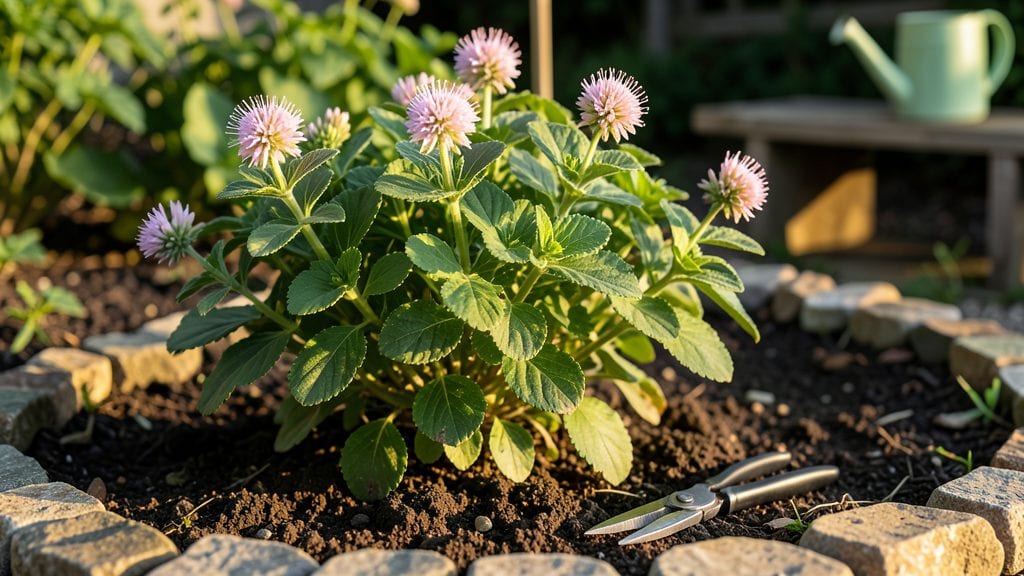
Growing a citronella geranium flower that doubles as a natural mosquito repellent is one of those gardening wins that feels like magic—bright foliage, zesty scent, and bees buzzing happily around it. 🌿 I still remember the first time I crushed a leaf and that sharp citrus aroma filled the air, driving away the evening mosquitoes while attracting pollinators.
This isn’t just a pretty face; it’s a workhorse plant that earns its keep in every season.
The secret to success starts with the right conditions: 6+ hours of sunlight daily, well-draining soil (mix in sand or perlite if yours is heavy), and containers with drainage holes if you’re growing in pots.
Water when the top inch of soil feels dry, but never let it sit soggy—root rot is the silent killer of these tropical charmers. Prune back leggy stems in early spring to encourage bushier growth, and pinch off spent flowers to keep the blooms coming.
By midsummer, you’ll have a fragrant, bee-friendly bush that smells like a lemonade stand and repels pests like a charm. The flowers may be modest, but the foliage’s lemony perfume is the star—crush a leaf for instant relief from mosquitoes or deer, or dry bundles for potpourri.
Even experienced gardeners swear by this plant’s dual-purpose magic.
Works equally well in USDA Zones 9-11 as a perennial, or overwinter it indoors near a sunny window. For cooler climates, treat it as an annual or dig up pots before frost.
The best part? It thrives in containers, making it perfect for patios, balconies, or even windowsills. Let’s get those roots growing!
📚 In This Guide
- What you need
- Instructions
- Tips and common mistakes
- Wrapping up and next steps
What you need
- ● Citronella geranium seeds or cuttings: Seeds: 5–10 seeds (or a small packet for beginners). Look for Pelargonium graveolens or Pelargonium citronellum varieties.
- ● OR Cuttings: 2–3 healthy 4–6 inch cuttings with at least 2–3 leaf nodes.
- ● Well-draining potting mix: 1–2 bags (1–2 cubic feet) of a cactus/succulent blend or regular potting soil mixed with 50% perlite or sand to prevent root rot.
- ● Containers: For seeds: 3–4 small pots (4–6 inches wide) or seed trays with drainage holes.
- ● For cuttings: 1–2 small pots (3–4 inches wide) or water propagation jars.
- ● For mature plants: 1–2 larger pots (10–12 inches wide) with drainage holes or a garden bed in full sun.
- ● Drainage trays or saucers: 1–2 to catch excess water and prevent soggy soil.
- ● Basic gardening tools: Trowel or small hand shovel for transplanting.
- ● Pruning shears (for cutting stems or deadheading).
- ● Spray bottle (for misting seeds/cuttings).
- ○ Optional but helpful: Grow lights or a sunny windowsill (if starting indoors).
- ● Organic fertilizer (balanced 10-10-10 or citrus-specific fertilizer).
- ● Pest control: Neem oil or insecticidal soap (for aphids/mealybugs).
- ● Mulch (gravel or straw) to retain moisture in outdoor beds.
- ● A location with full sun (6+ hours daily) or bright indirect light (indoors).
- ● Warmth: Seeds germinate best at 70–75°F (21–24°C); cuttings root faster in 75–80°F (24–27°C).
- ● Patience! Seeds take 2–4 weeks to sprout; cuttings root in 3–6 weeks.
Step-by-step guide to growing citronella geraniums for pollinators
Here's how to cultivate these fragrant, bee-friendly plants that double as natural pest deterrents.
🌱 Step 1: Choose the Right Location and Soil
Citronella geraniums thrive in full sun to partial shade—at least 6 hours of direct sunlight daily for optimal fragrance production. I always pick a spot with afternoon shade in hot climates to prevent leaf scorch. The soil should drain well but retain moisture; amending heavy clay with 2-3 inches of compost improves aeration and nutrient availability.
Test your soil's pH—these plants prefer slightly acidic to neutral (6.1-7.0). If your soil is alkaline, mix in 1 tablespoon of sulfur per square foot and water thoroughly to adjust. The key is mimicking their natural habitat: well-drained, slightly acidic soil with plenty of organic matter. Avoid soggy spots where roots could rot.
🪴 Step 2: Plant with Proper Spacing and Mulch
Dig holes twice as wide as the root ball but no deeper. Gently remove the plant from its container and loosen any circling roots with your fingers—this encourages outward growth. Place the geranium so the top of the root ball sits just below soil level, then backfill with native soil mixed with 1 cup of compost per plant. Press lightly to eliminate air pockets.
Space plants 18-24 inches apart—this gives them room to spread and prevents overcrowding, which weakens fragrance. After planting, spread 2-3 inches of organic mulch (like shredded bark or straw) around the base, keeping it 2 inches away from the stem. This conserves moisture, regulates soil temperature, and deters weeds. Water deeply after mulching to settle everything in place.
☀️ Step 3: Water and Fertilize for Strong Growth
Water deeply once a week during the first growing season, allowing the top 2 inches of soil to dry out between waterings. Overwatering is the fastest way to kill these plants—yellowing leaves often signal root rot. In hot weather, you might need every 5-6 days, but always check soil moisture before watering. The best test? Stick your finger 1 inch deep—if it feels dry, it's time to water.
Feed with a balanced, slow-release fertilizer (10-10-10) at planting time, then again in early summer. I swear by organic fish emulsion (5-5-5) diluted to half strength every 4-6 weeks during the growing season. Stop fertilizing in late summer to encourage hardy fall growth. The goal is strong stems and vibrant foliage—these plants reward consistent care with their signature citrusy scent.
✂️ Step 4: Prune and Maintain for Year-Round Fragrance
Prune in early spring to shape the plant and remove any dead or leggy stems. Cut back one-third of the oldest growth to encourage new, fragrant shoots. I also trim back any flower stems after they fade—this redirects energy to leaf production, where the citronella oil lives. Use clean, sharp pruners and make cuts at a 45-degree angle just above a leaf node to promote healing.
Watch for powdery mildew on leaves—this fungal disease thrives in humid conditions. At the first sign of white powder, spray with a baking soda solution (1 teaspoon baking soda + 1 quart water + a drop of dish soap). For severe cases, remove affected leaves immediately. Deadheading spent blooms keeps the plant looking tidy and encourages more flowers, which attract pollinators like bees and butterflies. These plants are a dual-purpose powerhouse!
🌿 Step 5: Overwinter for Next Year's Growth
In colder climates, protect geraniums by mulching heavily (4-6 inches) with straw or leaves after the first frost. This insulates roots and prevents heaving. In Zones 8-10, they’re often evergreen, but a light frost can damage foliage. If your plant looks spent, cut back half the stems in late winter to stimulate fresh growth. Water sparingly during dormancy—just enough to keep soil from drying out completely.
Here’s the thing—citronella geraniums reward patience. With proper care, they’ll return stronger each year, filling your garden with their signature lemony scent and buzzing with pollinators. The secret? Consistent moisture, smart pruning, and a little winter TLC. You’ll know you’ve succeeded when bees and butterflies start visiting—and your neighbors ask how you grow such fragrant plants!
Tips & tricks for perfect citronella geranium cultivation
These plant care secrets will help you grow fragrant, pollinator-friendly geraniums that thrive year after year.
Sunlight Strategy: While the instructions mention 6 hours of sunlight for optimal fragrance, I've found that morning sun with afternoon shade works best in hot climates. The key is avoiding the intense midday sun that can scorch leaves. If you notice leaves turning crispy or yellowing, they're getting too much direct heat—consider moving plants to a slightly shadier spot or providing afternoon shade with a sheer curtain.
Soil Preparation: The 2-3 inches of compost recommendation is perfect, but I always go a step further by mixing in a handful of worm castings when planting. These contain beneficial microbes that help establish strong root systems early. For alkaline soil, test your pH first—if it's above 7.0, you'll need more than just sulfur. I've had success with a mix of sulfur and peat moss to gradually lower the pH over time.
Watering Wisdom: The finger test for soil moisture is brilliant, but I've learned to adjust it seasonally. In summer, check moisture in the morning when soil is naturally drier. In winter, you might need to water less frequently as evaporation slows. One trick I use is to water deeply in the morning so leaves have time to dry before evening—this prevents fungal issues. Remember, the top 2 inches should dry out between waterings, but don't let the soil become bone dry.
Winter Protection: For colder climates, the 4-6 inch mulch recommendation is excellent, but I've found that adding a layer of bubble wrap around the base before mulching provides extra insulation. In Zone 7, I've successfully overwintered geraniums this way without losing them. Just make sure to remove the bubble wrap in early spring to prevent overheating. The half-stem cutback in late winter is perfect—it stimulates fresh growth while keeping the plant manageable.
Pro Tips for Citronella Geranium Flower
- These plant care secrets will help you grow fragrant, pollinator-friendly geraniums that thrive year after year.
- Sunlight Strategy: While the instructions mention 6 hours of sunlight for optimal fragrance, I've found that morning sun with afternoon shade works best in hot climates.
- Soil Preparation: The 2-3 inches of compost recommendation is perfect, but I always go a step further by mixing in a handful of worm castings when planting.
Frequently asked questions
Got questions about growing or enjoying citronella geranium flowers? You’re not alone! Here are some of the most common queries—and their answers—to help you make the most of this fragrant, pollinator-friendly plant.
Can I grow citronella geraniums indoors?
These hardy plants thrive indoors with bright, indirect light (like a sunny windowsill). Just ensure good airflow and water moderately—overwatering can lead to root rot. A south- or west-facing window is ideal. Pro tip: Rotate the pot occasionally for even growth!
When is the best time to plant citronella geraniums outdoors?
Plant them after the last frost in spring (when soil temps are above 50°F/10°C) or in early fall, depending on your climate. They’re frost-sensitive, so avoid planting too early. For containers, you can extend the season by bringing them indoors before cold snaps. Pro tip: Harden off seedlings gradually if starting from seeds.
Do citronella geraniums attract bees and butterflies?
Yes! Their citrusy scent and nectar-rich flowers are a magnet for pollinators like bees, butterflies, and hoverflies. To maximize their appeal, plant them near other pollinator-friendly flowers (e.g., lavender or marigolds) and avoid pesticides. Bonus: Their strong fragrance may even deter some pests naturally!
What’s the difference between citronella geraniums and regular geraniums?
Citronella geraniums (Pelargonium citrosum) have a distinct lemony-citrus scent, while regular geraniums (like Pelargonium zonale) often smell rosy or floral. Citronella types also have a slightly fuzzy foliage and smaller, clustered blooms. Both are drought-tolerant, but citronella’s aroma makes it a standout for sensory gardens!
Why aren’t my citronella geraniums flowering?
Lack of blooms usually stems from too much shade, over-fertilizing (especially with high-nitrogen feeds), or not enough sunlight (6+ hours daily). Prune leggy stems to encourage bushiness, and use a balanced fertilizer (like 10-10-10) in spring. Deadhead spent flowers to prompt more blooms. Cold note: They may go dormant in winter—reduce watering and trim back if needed.
Are there alternatives to citronella geraniums for repelling mosquitoes?
While citronella geraniums aren’t as potent as Cymbopogon nardus (true citronella grass), other mosquito-repelling plants include lavender, basil, marigolds, and catnip. For stronger protection, combine them with fans (mosquitoes are weak fliers!) or use EPA-approved repellents. Fun fact: The plant’s name is inspired by its scent, not its mosquito-repelling power!
Wrapping up and next steps
The citronella geranium flower is a true gem for gardeners and nature lovers alike—its vibrant blooms and intoxicating citrusy scent make it a standout addition to any space. Whether you're drawn to its pollinator-friendly appeal or its natural pest-repelling qualities, this plant offers beauty and functionality in one. 🌸
Ready to bring a burst of fresh fragrance and life to your garden? Start by gathering your supplies, choosing the right spot, and planting with care. With a little effort, you’ll soon be enjoying the rewards of this charming, citrus-scented companion!