
Flowers
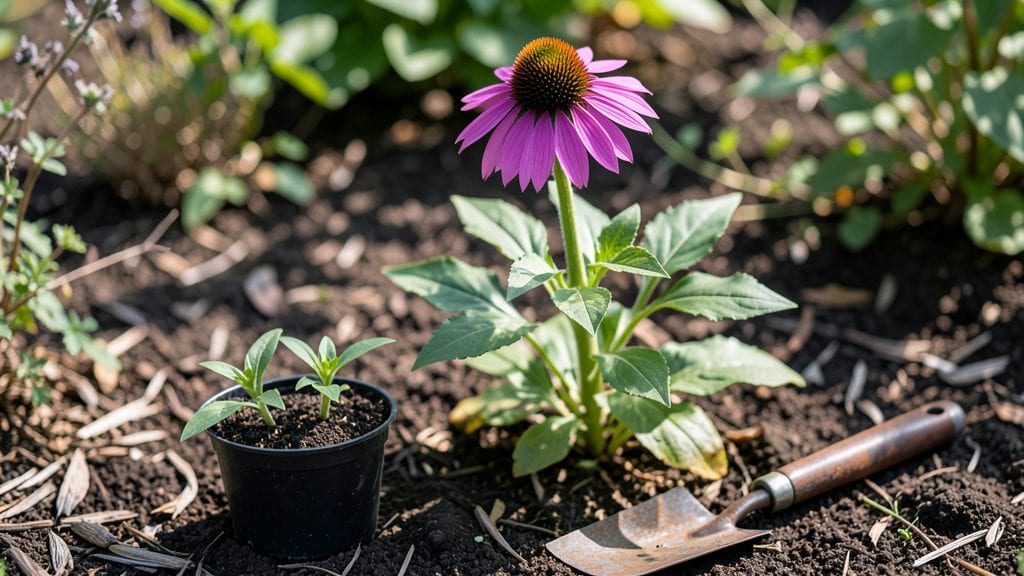
Planting cone flowers in the Pacific Northwest gives you year-round resilience and a pollinator haven that thrives even when other perennials struggle. 🌿 The key is matching their drought tolerance to our wet winters—too much moisture rots roots, but once established, they handle summer dry spells like champs.
My first batch survived three winters with zero care, proving they’re the low-maintenance star of any PNW garden.
You’ll need well-draining soil (amend heavy clay with compost), full sun (at least 6 hours daily), and a spot where they won’t get crowded—2-3 feet apart for in-ground, 18-24 inches in containers.
The best time to plant is early spring or fall, when soil temps are cool but not frozen. Start with bare-root plants or sturdy 1-gallon pots for faster establishment.
What you’ll end up with is vibrant pink, purple, or white blooms from midsummer through frost, hummingbirds hovering at eye level, and stems that hold their shape even in windy PNW summers.
The roots spread slowly but deeply, making them drought-proof once settled. Plus, they self-seed minimally—just enough to share with neighbors without taking over.
For containers, choose deep pots (at least 12 inches deep) with drainage holes, and pair them with lavender or catmint to attract even more pollinators. Avoid overwatering—once a week after establishment is plenty—unless you’re growing them in hot, dry microclimates.
The biggest mistake? Planting too deep or in soggy soil. Stick to the crown line visible on the plant, and you’ll set them up for success.
📚 In This Guide
- What you need
- Instructions
- Tips and common mistakes
- Wrapping up and next steps
What you need
- ● Cone flower plants: 3–6 plants (depending on desired coverage; spacing 12–18" apart).
- ● Choose Echinacea purpurea (purple), E. paradoxa (yellow), or E. atrorubens (dark red) for variety.
- ● Soil amendments: 5–10 lbs of compost (per 10 sq ft) to improve drainage.
- ○ Optional: 1 lb of bone meal (for phosphorus-rich roots).
- ● Tools: Trowel or small shovel.
- ● Garden gloves (to protect from thorns!).
- ● Watering can or hose with a gentle nozzle.
- ● Measuring tape (for spacing).
- ● Sunlight: Full sun (6+ hours/day) or partial shade (morning sun + afternoon shade).
- ● Soil type: Well-draining, slightly acidic (pH 6.0–7.0). Cone flowers tolerate clay but hate soggy roots!
- ● Water access: Drip irrigation or a soaker hose (to avoid wetting foliage).
- ○ Optional but helpful: Mulch (2–3" of shredded bark) to retain moisture.
- ● Stakes (if planting in windy areas).
Step-by-step guide to planting cone flowers for Pacific Northwest gardens
Here’s how to establish these hardy perennials for maximum pollinator appeal and winter resilience.
🌱 Step 1: Choose the Right Location and Prepare the Soil
Cone flowers (Echinacea) thrive in full sun to partial shade, making them perfect for Pacific Northwest gardens where morning sun and afternoon shade prevent scorching. Select a spot with at least 6 hours of sunlight daily—evenings in cooler climates extend their growing season naturally. Avoid low-lying areas where frost lingers, as cone flowers dislike soggy roots.
Amend the soil with 2-3 inches of compost mixed into the top 12 inches to improve drainage and fertility. Cone flowers tolerate a range of soil types but perform best in well-draining, slightly acidic to neutral soil (pH 6.0-7.0). If your soil is heavy clay, incorporate sand or perlite to prevent waterlogging, which can lead to root rot. Test the soil moisture—it should feel like a wrung-out sponge, not a dripping wet rag.
🪴 Step 2: Plant Bare-Root or Container-Grown Plants at the Right Time
For bare-root plants, soak the roots in lukewarm water for 1-2 hours before planting to rehydrate them. Dig a hole twice as wide as the root ball but no deeper—cone flowers dislike being buried too deeply, which can suffocate the crown. Gently loosen the roots if they’re circling, then position the plant so the top of the root ball sits just below soil level. Fill the hole with soil, pressing lightly to eliminate air pockets.
For container-grown plants, remove them from the pot and inspect the roots. If they’re tightly bound, tease them apart gently with your fingers. Plant at the same depth they were in the container—never deeper than the root flare. Water deeply immediately after planting to settle the soil and remove any air gaps. Mulch around the base with 2-3 inches of organic mulch (like shredded bark) to retain moisture and regulate soil temperature.
☀️ Step 3: Water and Maintain for Strong First-Year Growth
Keep the soil consistently moist but not soggy for the first 4-6 weeks after planting, which encourages root establishment. Water deeply 2-3 times per week, aiming for 1 inch of water per week, and adjust based on rainfall. Cone flowers are drought-tolerant once established, but young plants need consistent moisture. You’ll know they’re thriving when new leaves emerge with a deep green, glossy sheen—a sign of healthy photosynthesis.
Fertilize lightly in early spring with a balanced, slow-release fertilizer (10-10-10) to support growth without encouraging excessive foliage at the expense of blooms. Avoid high-nitrogen fertilizers, which promote leafy growth over flowers. Deadhead spent blooms in late summer to encourage a second flush of flowers and prevent the plant from directing energy into seed production too early.
✂️ Step 4: Prune and Winterize for Year-Round Resilience
In late fall or early winter, cut back the entire plant to 2-3 inches above the ground. This pruning removes dead foliage and prevents disease overwintering while allowing the plant to regrow vigorously in spring. Cone flowers are hardy to USDA Zone 3, making them ideal for Pacific Northwest winters, but the pruning step ensures they return stronger each year.
Apply a 2-3 inch layer of mulch around the base after pruning to insulate the roots from freezing temperatures. Remove the mulch in early spring once new growth appears, usually by mid-March. This timing prevents the soil from warming too quickly, which can stress tender new shoots. Watch for first true leaves emerging in spring—they’ll be smaller and more upright than the broad, horizontal leaves of summer.
Tips & tricks for perfect cone flower planting
These pro insights will help you establish thriving pollinator havens that thrive through Pacific Northwest winters.
Location Intelligence: That 6-hour sunlight requirement is non-negotiable for peak performance. In the Pacific Northwest's cooler climate, position your plants where they get morning sun and afternoon shade—this prevents afternoon scorching while maximizing photosynthesis. I've seen cone flowers in full sun locations wilt during heatwaves, while those with afternoon shade remain lush and productive all season.
Soil Preparation Secret: The 2-3 inches of compost mixed into the top 12 inches of soil creates the perfect foundation. For heavy clay soils, I recommend adding sand or perlite to create that ideal "wrung-out sponge" moisture level. Pro tip: Test your soil's pH first—cone flowers prefer slightly acidic to neutral (6.0-7.0), and you can adjust with lime or sulfur if needed before planting.
Planting Depth Precision: Never bury the crown deeper than soil level—this is critical for preventing crown rot. When planting bare-root plants, position them so the top of the root ball sits just below soil level. For container-grown plants, maintain their original planting depth by using the root flare as your guide. I've seen many gardeners bury these plants too deeply, which suffocates the crown and leads to poor growth.
Watering Wisdom: Those first 4-6 weeks are crucial for root establishment, but consistency is key. Water deeply 2-3 times per week, aiming for 1 inch total. The "deep green, glossy sheen" on new leaves is your visual cue that you're nailing the moisture balance. In the Pacific Northwest's rainy seasons, you might need to adjust this schedule—always check soil moisture before watering.
Pro Tips for Cone Flower Planting
- These pro insights will help you establish thriving pollinator havens that thrive through Pacific Northwest winters.
- Location Intelligence: That 6-hour sunlight requirement is non-negotiable for peak performance.
- Soil Preparation Secret: The 2-3 inches of compost mixed into the top 12 inches of soil creates the perfect foundation.
Frequently asked questions
When is the best time to plant cone flowers in the PNW?
For Echinacea (purple cone flower) and Rudbeckia (black-eyed Susan), spring (March–May) is ideal after the last frost. Fall planting (September–October) also works—just water well to establish roots before winter. Container-grown plants can go in year-round (except deep freeze).
Do cone flowers need full sun? What if my yard is shady?
Most varieties thrive in 6+ hours of sun daily, but some (like Echinacea paradoxa) tolerate partial shade. In shady spots, choose Rudbeckia hirta or Echinacea tennesseensis—they’re more adaptable. Just expect fewer blooms and leggier stems.
Why aren’t my cone flowers attracting pollinators?
Check these fixes:
- Water stress: Drought weakens nectar production. Keep soil consistently moist (but not soggy).
- Pesticides: Skip them! Cone flowers rely on bees—use neem oil or handpick pests instead.
- Deadheading: Trim spent blooms to encourage reblooming (except Rudbeckia, which self-seeds beautifully).
Can I grow cone flowers in containers? What’s the best setup?
Use 5-gallon pots or larger with drainage holes, filled with well-draining potting mix. Choose compact varieties like Echinacea ‘White Swan’ or Rudbeckia ‘Goldsturm’. Place in south-facing spots and fertilize lightly (half-strength) every 4–6 weeks.
Do cone flowers survive PNW winters? How do I protect them?
Most are hardy to USDA Zones 3–9, so they’ll handle PNW winters with minimal fuss. In extreme cold (below 0°F), mulch stems with 2–3 inches of straw or leaves after the first frost. Cut back dead foliage in early spring—new growth will emerge quickly!
What’s a low-maintenance alternative if cone flowers don’t thrive here?
Try these pollinator-friendly PNW workhorses:
Plant
Why It Works
Lavender (‘Grosso’)
Drought-tolerant, loves sun, and thrives in poor soil.
Yarrow (Achillea)
Flourishes in shade/sun, self-seeds, and blooms all summer.
Salvia (Salvia nemorosa)
Heat-loving, deer-resistant, and hummingbird magnets.
Wrapping up and next steps
Cone flowers aren’t just stunning additions to your Pacific Northwest garden—they’re pollinator powerhouses that thrive year-round with minimal fuss! 🌿 Whether you’re a seasoned gardener or a beginner, their drought tolerance and vibrant blooms make them a must-have for any outdoor space.
Ready to transform your yard into a buzzing haven?
Your next step? Pick your favorite variety—like the hardy Echinacea purpurea or the striking Echinacea atrorubens—and grab your tools. Plant a few this season, and watch your garden become a thriving ecosystem for bees, butterflies, and birds. Happy planting! 🌸