
Flowers
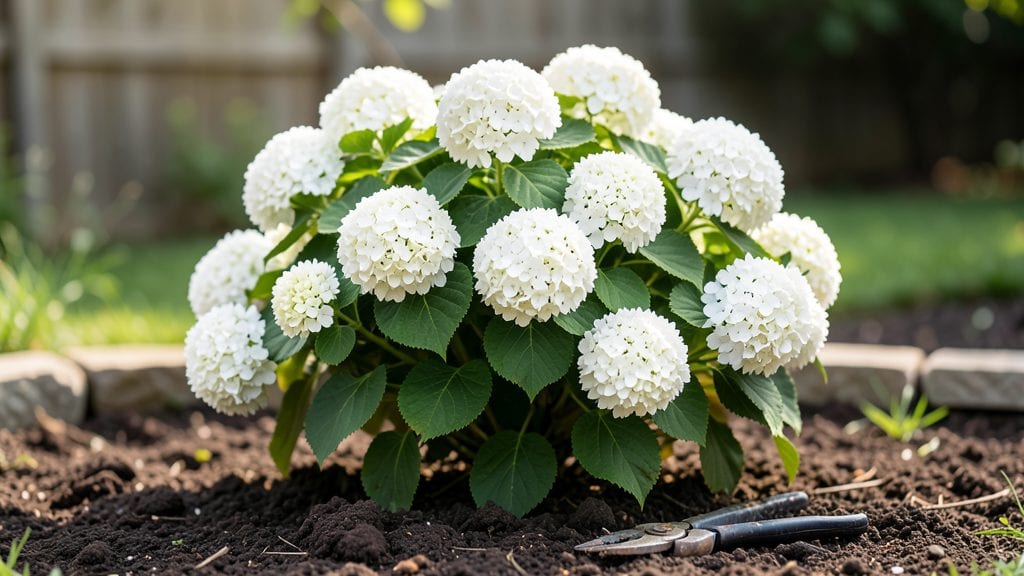
Nothing beats the sight of a white flower ball bush humming with bees on a Pacific Northwest summer afternoon. 🌿 I’ve grown mine for three seasons now, and it’s become the star of my drought-tolerant garden—blooming reliably with almost no fuss.
The key? Matching its love of sun with the right soil prep and pruning rhythm.
This bush thrives in full sun to partial shade, making it perfect for PNW gardens where summers can be hot but dry. Water it deeply once a week after establishment—it’s surprisingly drought-resistant once settled.
The fragrant white blooms attract pollinators like crazy, and the compact shape (3–5 feet tall) fits neatly into borders or containers.
You’ll get the most blooms by pruning back one-third in early spring and deadheading spent flowers. My bush now produces continuous blooms from June through September with minimal effort. The only real challenge? Keeping deer from nibbling—so a light fence helps.
Works beautifully as a standalone specimen, in pollinator-friendly borders, or even in large containers. Once established, it’s nearly maintenance-free—just watch for aphids (spray with soapy water if needed) and enjoy the show. Ready to grow yours?
📚 In This Guide
- What you need
- Instructions
- Tips and common mistakes
- Wrapping up and next steps
What you need
- ● White Flower Ball Bush (Callicarpa bodinieri or Callicarpa dichotoma 'Issai') – 1 healthy plant (nursery-grown recommended for faster blooms).
- ● Well-draining soil mix – 50% native soil, 30% compost, 20% perlite or coarse sand (for PNW’s clay-heavy soils).
- ● Organic mulch – 2–3 inches of cedar chips or straw to retain moisture and suppress weeds.
- ● Slow-release fertilizer – 10-10-10 or balanced organic fertilizer (1 tbsp per plant at planting).
- ● Watering can or drip irrigation system – For deep, infrequent watering (1–2 gallons per plant initially).
- ● Pruning shears – Sharp, clean shears (sterilized with rubbing alcohol).
- ● Garden gloves – To protect hands from thorns (if using Callicarpa bodinieri).
- ● Trowel or spade – For digging holes (12–18 inches wide/deep for mature plants).
- ● Sunlight gauge – Ensure your spot gets 6+ hours of partial sun (PNW’s filtered light is ideal!).
- ○ pH test kit (optional but helpful) – Aim for 6.0–7.0 (amend soil with lime or sulfur if needed).
- ● Drought-resistant companion plants – Lavender, salvia, or sedum to create a low-water ecosystem.
- ● Epsom salt (magnesium sulfate) – 1 tbsp in water monthly for lush foliage.
- ● Bird/bee bath – Place nearby to attract pollinators to your white blooms!
- ● Plant support (if needed) – Stakes for leggy young plants in windy PNW areas.
Step-by-step guide to planting and cultivating a thriving white flower ball bush
Here's how to establish a hardy, drought-resistant pollinator haven in your Pacific Northwest garden.
🌱 Step 1: Select and Prepare the Planting Site
Choose a location with full sun exposure—at least 6 hours of direct sunlight daily. The white flower ball bush thrives in well-draining soil, so avoid low spots where water pools. If your yard has heavy clay soil, amend the area with 2-3 inches of compost mixed into the top 12 inches of soil to improve drainage and nutrient availability.
Here's the thing—this plant is drought-tolerant, but it still needs good airflow. Space your plants 4-6 feet apart to prevent fungal diseases and encourage bushier growth. I always dig a hole twice as wide as the root ball but only as deep—planting too deep can suffocate the roots and lead to stunted growth.
🪴 Step 2: Plant Your White Flower Ball Bush with Proper Technique
Gently remove the plant from its container and loosen any circling roots with your fingers. Place it in the hole so the top of the root ball sits level with the surrounding soil—burying the stem too deep can cause rot, while planting too high stresses the plant. Backfill with native soil, tamping lightly as you go to eliminate air pockets.
Water deeply right after planting to settle the soil and encourage root contact. You'll know it's right when the soil looks slightly damp but not soggy. Mulch around the base with 2-3 inches of organic mulch, keeping it 2 inches away from the stem to prevent moisture buildup that can cause rot.
☀️ Step 3: Establish Watering and Maintenance Routines
Water deeply once a week during the first growing season to encourage deep root development. Let the top 2 inches of soil dry out between waterings—this mimics natural drought conditions and builds resilience. Once established, your white flower ball bush will need water only during prolonged dry spells, making it perfect for Pacific Northwest summers.
Fertilize lightly in early spring with a balanced, slow-release fertilizer (10-10-10 ratio) to support new growth. Avoid heavy feeding—this plant prefers lean soil and over-fertilizing can lead to excessive foliage at the expense of flowers. You'll see the best blooms when you let the plant focus on its natural pollinator magnet qualities rather than leafy growth.
✂️ Step 4: Prune for Shape and Health
Prune in late winter or early spring before new growth begins. Remove any dead, damaged, or crossing branches to improve airflow and sunlight penetration. Cut back one-third of the oldest stems to the ground to encourage fresh, vigorous growth from the base—this rejuvenates the plant and keeps it full and bushy.
Real talk: Don't skip pruning. I've seen neglected white flower ball bushes become leggy and sparse. A light pruning after each major bloom cycle keeps the plant compact and flowering prolifically. Always use clean, sharp pruners to make clean cuts just above a leaf node or bud.
💧 Step 5: Support Pollinators Year-Round
Leave spent flower heads on the plant until they turn brown—this provides seed for birds and winter interest. The white flowers attract bees, butterflies, and hummingbirds, making your garden a true pollinator magnet. I've watched monarchs and swallowtails flock to mine, especially in late summer when other flowers have faded.
In fall, add a 2-inch layer of mulch around the base to protect roots from winter temperature swings. Pacific Northwest winters can be wet and cold, and this extra insulation helps the plant recover quickly in spring. Your white flower ball bush will reward you with years of low-maintenance beauty and ecological benefits.
Tips & tricks for perfect white flower ball bush cultivation
Common pitfalls—and how to sidestep every one while creating a thriving pollinator haven.
Site Selection Secret: The 6 hours of full sun requirement is non-negotiable for this Pacific Northwest native. I've seen plants struggle in partial shade, producing fewer blooms and weaker stems. If your yard only gets 4-5 hours of direct sun, consider planting near a south-facing wall or fence that reflects additional sunlight. The white flowers need that intensity to attract pollinators effectively.
Soil Prep Strategy: When amending heavy clay soil with compost, don't just top-dress—mix that 2-3 inches of compost thoroughly into the top 12 inches. I use a garden fork to break up compacted layers first. This creates proper drainage channels that prevent root rot, which is especially critical during our wet winters. Think of it as creating a sponge-like environment where roots can breathe.
Planting Depth Caution: That "level with the surrounding soil" guideline is crucial—burying too deep suffocates the stem while planting too high stresses the plant. I mark the root ball with a pencil before removing it from the pot as a visual reference. This simple trick prevents common mistakes that lead to poor establishment.
Watering Wisdom: The "deeply once a week" rule applies specifically to the first growing season when roots are establishing. After that, let the top 2 inches dry out between waterings—this toughens the plant for our drought-prone summers. I test soil moisture by sticking my finger in; if it feels dry at 2 inches, it's time to water. This method prevents both underwatering and overwatering.
Pro Tips for White Flower Ball Bush
- Common pitfalls—and how to sidestep every one while creating a thriving pollinator haven.
- Site Selection Secret: The 6 hours of full sun requirement is non-negotiable for this Pacific Northwest native.
- Soil Prep Strategy: When amending heavy clay soil with compost, don't just top-dress—mix that 2-3 inches of compost thoroughly into the top 12 inches.
Frequently asked questions
Got questions about your white flower ball bush? You’re not alone! Whether you’re a first-time gardener or a seasoned green thumb, these common queries will help you nurture a thriving, pollinator-friendly shrub in the Pacific Northwest’s climate.
When is the best time to plant a white flower ball bush?
The ideal time to plant your Callicarpa bodinieri (or similar varieties like Viburnum bodnantense) is in early spring or fall, when temperatures are mild. This gives roots time to establish before summer heat or winter frost. Avoid planting in peak summer—drought stress can stunt growth! For PNW gardeners, April–May or September–October are perfect windows.
How often should I water a white flower ball bush?
Newly planted bushes need weekly watering (1–1.5 inches per week) for the first year to encourage root growth. Once established, these drought-tolerant shrubs thrive with deep watering every 2–3 weeks, especially during dry PNW summers. Pro tip: Mulch around the base (2–3 inches) to retain moisture and suppress weeds.
What pests or diseases should I watch for?
White flower ball bushes are generally low-maintenance, but keep an eye out for aphids (sap-sucking pests) or powdery mildew in humid PNW summers. Treat aphids with a strong spray of water or insecticidal soap. For mildew, improve airflow by pruning dense branches and avoid overhead watering. No major diseases plague these shrubs—just good airflow!
How and when should I prune my bush?
Prune in late winter or early spring (before new growth) to shape the bush and remove dead wood. Avoid heavy pruning—these shrubs bloom on old wood, so light trimming (10–20%) keeps flowers abundant. Pro tip: Never prune after summer; you’ll risk cutting off next year’s blooms!
Are there drought-resistant alternatives if my white flower ball bush struggles?
If your bush needs a low-water swap, try these PNW-friendly options:
- Oregon Grape (Mahonia aquifolium) : Evergreen, berry-producing, and thrives in shade.
- Ceanothus (Ceanothus spp.) : Drought-proof, blue-purple blooms, and pollinator magnets.
- Manzanita (Arctostaphylos spp.) : Native, fire-resistant, and stunning red bark.
Wrapping up and next steps
Transforming your Pacific Northwest garden into a pollinator paradise doesn’t have to be complicated—especially with a white flower ball bush! These resilient plants thrive in drought conditions, attract bees and butterflies, and bring effortless elegance to any space.
Whether you’re a seasoned gardener or just starting, this low-maintenance beauty is your ticket to a vibrant, sustainable landscape.
Ready to take the next step? Plant one today and watch your garden buzz with life! Need help choosing the perfect spot or variety? Check out our full growing guide for expert tips and tricks. 🌸