
Flowers
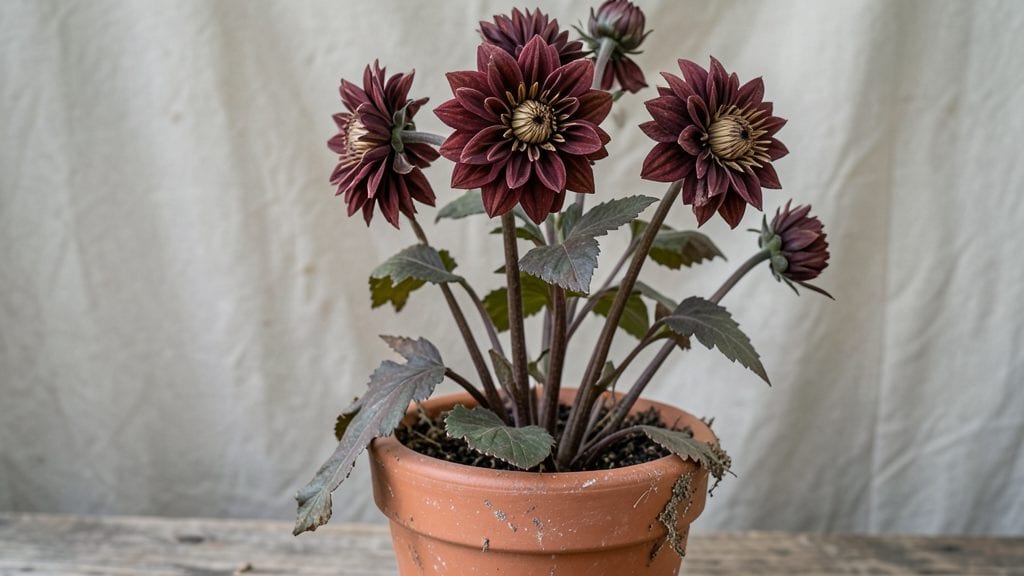
Transforming your garden’s boldest red blooms into dried red flowers is the secret to year-round color that never fades. 🌹 That deep crimson celosia or heirloom rose you adored in summer can become a fragrant, long-lasting centerpiece—no wilting, no seasonal limits.
The key lies in proper drying techniques that preserve both color and texture, turning fleeting beauty into timeless decor.
This process works with almost any red-flowering plant—roses, dahlias, celosia, even zinnias—so long as you pick blooms at peak freshness. You’ll need just a few simple supplies: dried flowers, a well-ventilated space (or a dehydrator), and a bit of patience.
The results? Vibrant, dried arrangements that last months, or even years, without losing their striking hue.
Imagine wreaths that greet guests in winter, potpourri that fills your home with garden memories, or dried floral displays that brighten every season. The best part?
These preserved blooms resist dust, hold their shape, and maintain that rich red color—proof that summer’s most dramatic flowers can live on long after the growing season ends.
Whether you’re crafting a rustic farmhouse centerpiece or a modern minimalist arrangement, dried red flowers bring drama and warmth to any space. Let’s bring those garden memories indoors—permanently.
📚 In This Guide
- What you need
- Instructions
- Tips and common mistakes
- Wrapping up and next steps
What you need
- ● Dried red flowers: 1–2 cups (mix of roses, hibiscus, gerbera daisies, or marigolds for bold color) Dried filler materials: 1 cup dried lavender buds (for fragrance + texture) ½ cup dried rose petals (for softness) ½ cup cinnamon sticks or star anise (for warmth)
Step-by-step guide to crafting dried floral potpourri
Here’s how to preserve vibrant red blooms into lasting, fragrant arrangements that brighten any space.
🌿 Step 1: Select and Harvest Fresh Red Flowers
Choose disease-free, fully bloomed flowers with sturdy stems—roses, dahlias, or zinnias work beautifully. Harvest on a dry, sunny morning when moisture levels are lowest. Use clean, sharp scissors to snip stems at a 45-degree angle, just above a leaf node. This prevents water from pooling and encourages better drying.
Remove any damaged petals or leaves, as they can harbor bacteria and spoil the batch. I like to strip excess foliage from stems to reduce moisture content during drying. The fresher the flowers, the more vibrant their color will stay after drying.
💧 Step 2: Dry the Flowers Properly
Lay flowers in a single layer on a clean, breathable surface like a wire rack or paper towels. Avoid plastic or enclosed spaces—high humidity causes mold. Place them in a warm, dry spot with indirect sunlight (direct sun fades petals). A dehumidifier or fan on low speeds up drying by circulating air.
Drying takes 2-4 weeks, depending on flower type and humidity. You’ll know they’re ready when petals crisp to the touch and stems snap easily. Handle gently—overhandling can break delicate petals. For extra preservation, you can also use a food dehydrator set to 95°F for 4-6 hours.
✂️ Step 3: Prepare the Petals for Potpourri
Once fully dried, carefully separate petals from stems and discard any wilted or discolored pieces. For a uniform look, trim petals into small, even clusters using sharp floral shears. Avoid tearing—this keeps the arrangement neat. If you’re using whole blooms, gently press them between absorbent paper towels to remove dust.
Here’s the thing—red flowers darken slightly as they dry, so don’t worry if they look deeper than expected. To enhance fragrance, lightly mist petals with a few drops of vodka or rubbing alcohol (this preserves scent without overpowering). Let them dry again for 12 hours before mixing.
🪴 Step 4: Mix and Store the Potpourri
Combine dried petals with dried filler materials like rosemary sprigs, cinnamon sticks, or dried citrus peels (if using). For 4 servings, a 1:2 ratio of petals to fillers works well—this balances color and scent. Store in an airtight glass jar (like a pint-sized mason jar) to protect from moisture and pests.
To use, sprinkle 1-2 tablespoons into a bowl or sachet, then add 2-3 drops of essential oil (like lavender or vanilla) for extra fragrance. Avoid direct sunlight—UV rays fade colors over time. With proper storage, your potpourri stays vibrant for 6-12 months.
Tips & tricks for perfect dried floral potpourri
Here's what nobody tells you about preserving that bold red color and fragrance—these tricks make all the difference.
Harvest Timing: The dry, sunny morning window is critical for vibrant results. I've learned this the hard way—harvesting after rain or in the evening leads to duller petals and slower drying. If you can't harvest in the morning, wait until the afternoon when dew has fully evaporated. The lower the moisture content at harvest, the more intense the final color will be.
Drying Surface: Skip the plastic—it traps moisture and invites mold. Instead, use a wire cooling rack or even a clean window screen draped over a box. The key is airflow on all sides. For extra insurance, place a small dish of silica gel packets beneath the rack to absorb any stray moisture during the 2-4 week drying period.
Dehydrator Hack: When using your food dehydrator at 95°F for 4-6 hours, arrange flowers with stems facing downward. This prevents petals from curling upward and creates a more uniform drying pattern. I like to place parchment paper between layers to prevent sticking, especially with delicate zinnias that can cling together.
Color Preservation: That slight darkening of red flowers during drying is normal, but you can minimize it by avoiding direct sunlight during the process. Once dried, store your potpourri in a dark glass jar away from windows. For an extra boost, add a pinch of white vinegar to the storage jar—it neutralizes any acidity that could accelerate color fading over time.
Pro Tips for Dried Red Flowers
- Here's what nobody tells you about preserving that bold red color and fragrance—these tricks make all the difference.
- Harvest Timing: The dry, sunny morning window is critical for vibrant results.
- Drying Surface: Skip the plastic—it traps moisture and invites mold.
Frequently asked questions
Got questions about dried red flowers?
Here are some common ones—plus quick answers to help you craft the perfect potpourri with vibrant, long-lasting color!
How do I know if my red flowers are fully dried before using them?
Gently squeeze a petal—if it crumbles like tissue paper (not powder) and snaps when bent, they’re ready! Avoid using damp flowers, or mold may grow. Store dried blooms in airtight containers with silica gel packets to preserve their color and fragrance.
How long do dried red flowers last in potpourri?
With proper care, dried red flowers can retain their color for 1–2 years in sealed containers. For potpourri, replace faded blooms every 6–12 months. Add a few drops of essential oil (like lavender or citrus) to extend freshness and scent.
Can I substitute other dried flowers for red ones?
Try deep pink roses, hibiscus, or even dried rose petals for a similar rich hue. For contrast, mix in white or purple flowers like statice or lavender. Just ensure all petals are uniformly dried to avoid uneven textures.
Why are my dried red flowers losing color or turning gray?
Color fade or graying usually means moisture exposure. Store flowers in a cool, dark place (like a glass jar with a lid) and avoid humidity. If they’ve already faded, try reviving them with a steam treatment (hang them in a steamy bathroom for 10 minutes) or a splash of hydrogen peroxide (1:10 ratio) to brighten them.
How do I keep my potpourri smelling fresh longer?
Combine dried flowers with aromatic additives like cinnamon sticks, vanilla pods, or dried citrus peels. Spritz potpourri lightly with vodka or rubbing alcohol (1 tbsp per cup of mix) to kill bacteria and lock in scent. Refresh every 2–3 months for a fragrant boost!
Wrapping up and next steps
Dried red flowers aren’t just beautiful—they’re a creative, fragrant, and long-lasting way to bring nature’s vibrancy into your home! Whether you’re crafting potpourri, decorating wreaths, or adding a pop of color to DIY projects, these blooms are easy to work with and full of charm. 🌸
Ready to dive in? Gather your materials, follow the steps, and let your imagination bloom! Try experimenting with different flower combinations or scents to make your potpourri uniquely yours. Happy crafting! ✨