
Shrubs
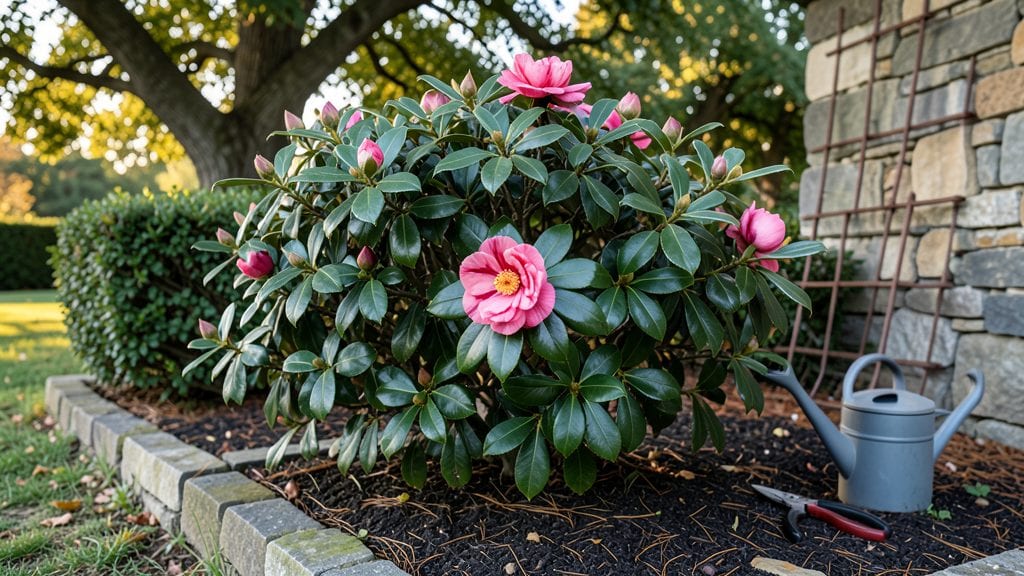
An evergreen flowering hedge turns your Pacific Northwest yard into a year-round color machine—vibrant blooms in summer, glossy foliage in winter, and zero frost worries. I planted mine after years of gray, rain-soaked winters, and now it’s the star of my landscape, drawing hummingbirds and neighbors alike.
The secret isn’t just picking the right plants—it’s placing them where they’ll shine in every season, from sun-drenched borders to shaded corners.
Think beyond the classic green barricade: these hedges offer seasonal layers—spring’s delicate camellia blooms, summer’s hydrangea clusters, and autumn’s fiery abelia flowers. They thrive in PNW’s mild winters, so you’ll never sacrifice color for cold.
Pair them with ferns for texture or dwarf conifers for height contrast, and suddenly, your hedge isn’t just a divider—it’s a living tapestry that changes with the light.
By summer’s end, you’ll have a hedge so lush it feels like a professional landscaper’s secret. The key? Pruning twice a year to encourage dense growth and choosing varieties that match your yard’s light.
Whether you want a formal boxwood edge or a wild, informal mix of abelia and hydrangea, these plants deliver. The best part? They keep their color even when everything else fades.
Works for city lots, rural acres, or tight urban spaces—just adjust spacing and varieties. Next, we’ll pick the perfect plants for your light and soil. Let’s get started!
📚 In This Guide
- What you need
- Instructions
- Tips and common mistakes
- Wrapping up and next steps
What you need
- ● Plants: 10–20 Pieris japonica (Andromeda), Viburnum (e.g., Viburnum bodnantense), or Camellia (frost-hardy varieties) saplings (1–2 ft tall, spaced 3–4 ft apart for mature size).
- ○ Optional: Pre-grown 3–5 ft hedges for instant impact (check local nurseries for PNW-specific cultivars).
- ● Soil Amendments: 5–10 lbs of organic compost or peat moss per plant (improves drainage in clay-heavy PNW soil).
- ● 1 lb of slow-release fertilizer (10-10-10 or acid-loving plant blend).
- ○ Optional: Sulfur pellets (for acid-loving plants like Pieris).
- ● Tools: 1 shovel (for digging holes).
- ● 1 hand trowel (for soil adjustments).
- ● 1 pruning shears (sharp, bypass-style, 6–8" blades).
- ● 1 measuring tape (to ensure proper spacing).
- ● 1 wheelbarrow (for hauling soil/amendments).
- ○ Optional: Hedge trimmer (for shaping) or mulch (2–3" layer of pine bark or cedar chips).
- ● Location: Full sun to partial shade (6+ hours of sunlight daily for vibrant blooms). Avoid low-lying areas (frost pockets).
- ● Soil pH: Acidic (4.5–6.0)—test with a soil kit or amend if needed (PNW soil is often neutral).
- ● Water Source: Hose with soaker nozzle or drip irrigation (1–2 gallons per plant during establishment).
- ● Timing: Plant in early spring or fall (avoid summer heat or winter frosts).
Step-by-Step guide to planting a Pacific Northwest evergreen flowering hedge
Here's how to create a vibrant, frost-resistant hedge that thrives in the region's climate.
Choose the Right Varieties for Your Site
Select evergreen flowering shrubs native or well-adapted to the Pacific Northwest's USDA Zones 7-9, such as Pieris japonica (Andromeda), Rhododendron (Azalea), or Viburnum (Viburnum). These varieties handle the region's mild winters and coastal fog while providing year-round interest with glossy foliage and seasonal blooms.
Consider your hedge's intended purpose—whether it's for privacy, accent, or wildlife support. For example, Pieris japonica offers early spring flowers and evergreen foliage, while Viburnum provides both spring blooms and fall berries. Check each plant's mature size to ensure proper spacing for a full, lush hedge.
I always test soil drainage in my garden before planting. Dig a hole and fill it with water—if it drains in under an hour, your soil is suitable for these acid-loving plants. If not, amend with composted pine bark or peat moss to improve drainage and acidity.
Prepare the Planting Site and Soil
Choose a location with partial to full shade, especially in hotter inland areas of the Pacific Northwest. Most evergreen flowering hedges prefer morning sun and afternoon shade, which prevents leaf scorch while still encouraging blooming. Mark the planting line with stakes and string to ensure a straight, uniform hedge.
Dig a trench twice as wide as the root ball and 12 inches deep along the marked line. Amend the native soil with 2-3 inches of compost and a handful of slow-release organic fertilizer (like 10-10-10) for each plant. Mix thoroughly to ensure even distribution. These hedges thrive in acidic soil (pH 4.5-6.0), so avoid alkaline amendments like lime.
I like to add a 2-inch layer of mulch (such as pine bark fines) to the trench after planting. This helps retain moisture, suppress weeds, and gradually improve soil structure. Just keep the mulch 2 inches away from the plant stems to prevent rot.
Plant the Shrubs for Long-Term Success
Space plants according to their mature width—typically 3-6 feet apart for most evergreen flowering hedges. For example, Pieris japonica needs about 4 feet of space, while Viburnum can handle 5-6 feet. Place each shrub in the trench so the top of the root ball sits level with the surrounding soil—never deeper, as this can suffocate roots.
Backfill the trench with the amended soil, pressing gently around the roots to eliminate air pockets. Water deeply to settle the soil and encourage root contact. After planting, apply a 1-inch layer of mulch over the root zone, again keeping it away from the stems. This step is critical—over-mulching or mulching too close to stems can cause rot.
I always plant on a cool, overcast day to reduce transplant shock. If you must plant in hot weather, water the plants thoroughly before and after to help them establish faster. Watch for wilting in the first few weeks—this is normal as the plants adjust.
Water and Maintain for a Thriving Hedge
Water newly planted hedges deeply once a week for the first 4-6 weeks, ensuring the soil stays evenly moist but not soggy. After that, reduce watering to every 2-3 weeks, depending on rainfall. Overwatering is a common mistake—these hedges prefer consistent moisture, not saturation. Check soil moisture by sticking your finger 2 inches deep; if it feels dry, it's time to water.
Fertilize in early spring (before new growth starts) and mid-summer with a balanced organic fertilizer (like fish emulsion or compost tea). Avoid high-nitrogen fertilizers, which promote leafy growth at the expense of flowers. Prune lightly after flowering to shape the hedge, but avoid heavy pruning—evergreen flowering hedges bloom on old wood, so aggressive cuts can reduce next year's blooms.
Monitor for pests like aphids or spider mites, which can stress young plants. A strong hose spray usually removes them, but severe infestations may require neem oil. Also, watch for leaf spot diseases—remove affected leaves promptly and improve airflow by thinning the hedge if needed.
Tips & tricks for perfect evergreen flowering hedges
Transforming your Pacific Northwest garden into a lush, year-round display takes more than just planting—it's about the details that make all the difference.
Variety Matters: When selecting your evergreen flowering shrubs, prioritize plants with similar mature heights to create a cohesive look. For example, pairing Pieris japonica (which typically reaches 6-8 feet) with Rhododendron varieties of similar height ensures a uniform appearance. I've learned this the hard way—mixing heights creates an unbalanced, patchy look that takes years to correct. Also, consider the bloom times: Viburnum offers both spring flowers and fall berries, while Pieris japonica provides early spring color—this layered approach gives you continuous interest throughout the season.
Soil Preparation Secret: The acidity test in Step 1 is non-negotiable for these plants. If your soil doesn't drain properly, don't just add compost—incorporate composted pine bark or peat moss to lower the pH while improving drainage. I've seen many gardeners skip this step and end up with yellowing leaves or poor growth. For an extra boost, work in some sulfur (following package instructions) if your soil tests above pH 6.0. The goal is to create that perfect acidic environment (pH 4.5-6.0) these plants crave.
Planting Precision: When positioning your shrubs in Step 3, resist the urge to plant too deeply. The top of the root ball should always sit level with the surrounding soil—never buried. I've seen many gardeners plant too deep, thinking it gives the roots more support, but this actually suffocates them by preventing proper oxygen flow. Another pro move: water each plant thoroughly before placing it in the trench. This helps settle the soil around the roots during backfilling, eliminating air pockets that can cause transplant shock.
Watering Wisdom: The first 4-6 weeks are critical for establishing your hedge's root system. While the instructions call for weekly deep watering, I recommend splitting this into two sessions: one immediately after planting, then again mid-week. This double watering ensures the soil stays consistently moist without becoming waterlogged. After the initial establishment period, let the plants teach you their needs—stick your finger 2 inches deep in the soil. If it feels dry, water; if it's still moist, wait. These plants are remarkably resilient once established, but they need that consistent moisture window to get started.
Pro Tips for Evergreen Flowering Hedge
- Transforming your Pacific Northwest garden into a lush, year-round display takes more than just planting—it's about the details that make all the difference.
- Variety Matters: When selecting your evergreen flowering shrubs, prioritize plants with similar mature heights to create a cohesive look.
- Soil Preparation Secret: The acidity test in Step 1 is non-negotiable for these plants.
Frequently asked questions
Can evergreen flowering hedges survive PNW winters without extra protection?
Native varieties like Pieris japonica (Andromeda) or Viburnum tinus (Laurustinus) are bred for resilience. Their thick, waxy leaves and deep root systems shield them from frost down to 10°F. Just avoid heavy mulch near the base—it can trap moisture and invite rot.
When’s the best time to plant an evergreen flowering hedge in the PNW?
For optimal root growth, plant in early spring (March–April) or fall (September–October). This gives roots time to establish before summer heat or winter frost. Avoid planting in peak summer—the heat stress can stunt growth. Pro tip: Water deeply after planting and mulch lightly to retain moisture.
How often should I prune to keep my hedge lush and flowering?
Light pruning right after blooming (late spring) encourages dense growth. For structured hedges, trim twice a year: once in early summer (to shape) and again in late summer (to remove leggy growth). Never prune in fall or winter—it removes next year’s flower buds! Use sharp shears for clean cuts.
Why aren’t my evergreen hedges flowering this year?
Common culprits: over-fertilizing with high nitrogen (promotes foliage over flowers), poor sunlight (most need 6+ hours of sun), or recent transplant shock. Try a balanced, bloom-boosting fertilizer (like 10-10-10) in early spring. If shade is the issue, consider Viburnum bodnantense—it tolerates partial shade better than most.
What’s a low-maintenance alternative to traditional evergreen hedges?
If you want color + ease, try:
- Oregon Grape (Mahonia aquifolium) – Drought-tolerant, berries for birds, and yellow winter blooms.
- Dart’s Golden Ilex (Holly) – Glossy leaves, red berries, and minimal pruning.
- Boxwood (Buxus) – Classic evergreen, but watch for box blight in wet PNW climates.
Wrapping up and next steps
An evergreen flowering hedge is the perfect way to bring year-round color and resilience to your Pacific Northwest landscape—no frost worries here! 🌿 With the right choices like Pieris japonica or Viburnum, you’ll enjoy blooms, texture, and low-maintenance beauty that thrives in your climate.
Whether you’re a gardening pro or just starting, this hedge delivers easy elegance and lasting impact.
Ready to transform your outdoor space? Start small—pick one or two plants, experiment with placement, and watch your garden bloom with effortless charm! 🌸