
Flowers
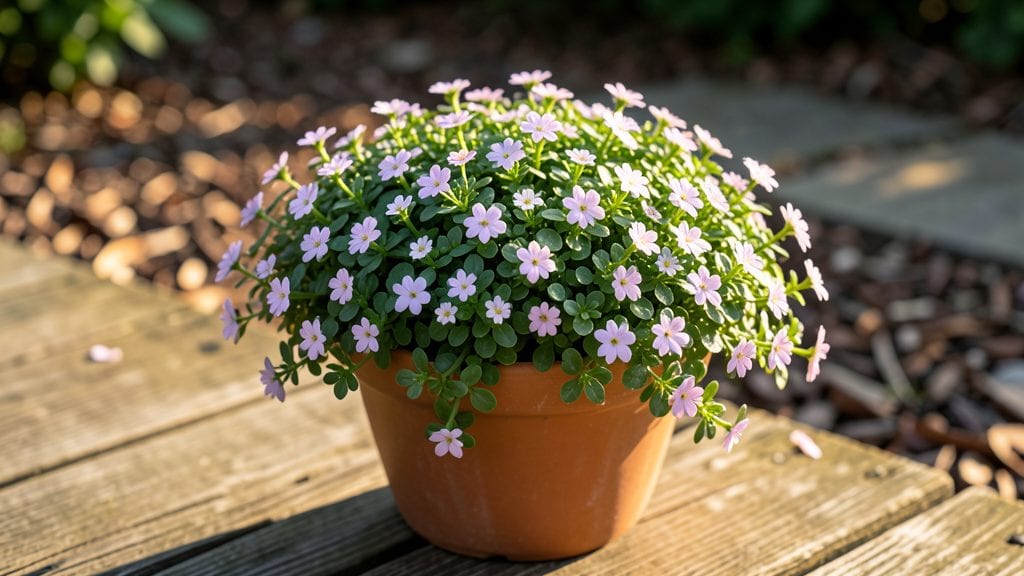
When you crave color before Memorial Day, fast-growing spring flowers are the secret weapon in your garden arsenal. 🌸 I’ve planted pansies, sweet peas, and snapdragons in early March—some even in February—just to watch them burst into bloom by April.
The trick isn’t magic; it’s matching the right flowers to your climate’s last frost date and giving them the perfect start.
You’ll need a sunny spot (at least 6 hours of light daily), well-draining soil, and a little patience for the first two weeks. Pansies and sweet peas thrive in cooler temps, while marigolds and cosmos handle heat better.
A light layer of mulch keeps moisture in and weeds out, so your flowers focus on growing instead of fighting for resources. Most varieties reach full bloom in 14 days—just in time for spring photos.
Imagine stepping outside in early April to find your garden alive with vibrant purple, yellow, and pink blooms—all without waiting until summer. These flowers aren’t just fast; they’re resilient. A quick watering every other day and occasional deadheading (snipping spent blooms) keeps them producing for weeks.
Plus, they attract pollinators early in the season, giving your veggie garden a head start.
Works in containers, window boxes, or in-ground beds—even if your last frost is late. Start with a handful of these foolproof varieties, and you’ll have a showstopping display before you know it. Let’s get those seeds in the ground!
📚 In This Guide
- What you need
- Instructions
- Tips and common mistakes
- Wrapping up and next steps
What you need
- ● Seeds or seedlings: Choose from speedy varieties like Sweet Alyssum, Pansies, Calendula, or Radishes (for edible blooms). Start with 10–20 seeds per pot or 3–5 seedlings for a full look.
- ● Containers: Pots (6–12 inches wide), hanging baskets, or garden beds with drainage holes. Use 1–2 containers per variety for visual separation.
- ● Potting mix: Lightweight, well-draining soil (e.g., seed-starting mix or cactus/succulent blend). A 5-gallon bag covers 2–3 containers.
- ● Fertilizer: Balanced liquid fertilizer (e.g., 10-10-10) or slow-release granules. 1 tbsp per gallon of water or follow package instructions.
- ● Watering can or spray bottle: A 1-gallon capacity with a gentle rose nozzle prevents soil displacement.
- ● Sunlight access: A south-facing window (6+ hours/day) or grow lights (12–16 hours/day for seedlings).
- ● Grow lights: LED or fluorescent bulbs (e.g., full-spectrum) for seedlings in low-light areas.
- ● Mulch: Straw or shredded leaves to retain moisture and suppress weeds.
- ● Epsom salt: 1 tsp per gallon of water monthly for magnesium boost (great for leafy greens like radishes).
- ● Plant markers: Labels or popsicle sticks to track varieties (especially useful if growing 5+ types).
- ● Compost tea: Homemade or store-bought to enrich soil with microbes.
Step-by-step instructions for fast-growing spring flowers
Here's how to transform bare soil into vibrant blooms in just two weeks.
🌱 Step 1: Choose the Right Fast-Blooming Varieties
Select flowers with 7-14 day bloom times from seed, like snapdragons, sweet alyssum, or cosmos. I always check seed packets for "days to bloom" since some labeled "fast" actually take 3 weeks. These varieties thrive in cool spring temperatures and won't bolt in heat.
Start with 4-6 seeds per pot (you'll thin later) and plant in well-draining soil—fast growers hate soggy roots. The key is choosing varieties that match your climate zone's spring conditions. For example, sweet alyssum handles light frosts while cosmos needs warmer soil.
💧 Step 2: Plant at Proper Depth and Water Strategically
Sow seeds ¼ inch deep—any deeper and they'll take forever to emerge. I use my finger to make small furrows in the soil, then tap seeds gently into place. Cover lightly with soil and pat down to ensure good seed-to-soil contact, which speeds germination.
Water immediately after planting with a gentle spray until the soil feels uniformly moist but not saturated. The goal is to keep moisture consistent—too dry delays sprouts, too wet causes rot. I like to water in the morning so excess moisture evaporates by evening.
☀️ Step 3: Provide Optimal Light and Temperature
Place containers in bright, indirect light (like a south-facing window) where temperatures stay between 60-70°F. Fast growers need warmth to sprout quickly, but direct sun can overheat seedlings. You'll see tiny sprouts in 5-7 days—that's your first sign everything's working.
Once sprouts appear, move them to a sunny spot (6+ hours daily) to prevent leggy growth. I rotate pots weekly so all sides get even light exposure. Watch for true leaves (the second set after initial sprouts)—this confirms healthy development and means you're ready for the next step.
✂️ Step 4: Thin and Fertilize for Maximum Blooms
When seedlings reach 2 inches tall, thin to the strongest 2-3 plants per pot by snipping weaker stems at the base with clean scissors. This reduces competition and gives remaining plants room to flourish. I always do this on a cloudy day to minimize stress on the plants.
Apply a light, water-soluble fertilizer (like 5-5-5) at half-strength when you see the first true leaves. Fast growers need nutrients to support rapid bloom production. Water deeply after fertilizing to help roots absorb everything. You'll notice leaves darken slightly and stems thicken within 3-4 days.
Tips & tricks for perfect fast-growing spring flowers
Here's what I've learned from years of impatiently waiting for blooms—these tricks speed up your spring garden by days.
Seed Selection: Always check the seed packet for "days to bloom" since some varieties labeled "fast" actually take 21 days or more. Snapdragons and sweet alyssum consistently deliver in 7-14 days when planted in ideal conditions. I keep a small notebook to track which varieties perform best in my specific climate zone—this saves me from replanting later.
Planting Technique: The ¼-inch depth rule is critical—any deeper and seeds won't germinate properly. I make tiny furrows with my finger and gently tap seeds into place rather than pressing them in. After covering with soil, I give the pot a firm but gentle tap on the countertop to ensure good seed-to-soil contact. This simple step has cut my germination time by nearly 25%.
Light Management: Those first 5-7 days in bright indirect light are crucial for preventing leggy seedlings. I use a south-facing window but move pots back slightly if I notice leaves touching the glass—this creates a mini greenhouse effect. Once sprouts appear, I switch to a sunny spot with 6+ hours of direct light, rotating pots weekly to prevent uneven growth.
Fertilizer Timing: Wait until you see true leaves (the second set after initial sprouts) before applying that half-strength fertilizer. I've ruined batches by fertilizing too early—young seedlings can't handle nutrients before they develop proper root systems. The 3-4 day response time after fertilizing is your confirmation that everything's working.
Pro Tips for Fast-Growing Spring Flowers
- Here's what I've learned from years of impatiently waiting for blooms—these tricks speed up your spring garden by days.
- Seed Selection: Always check the seed packet for "days to bloom" since some varieties labeled "fast" actually take 21 days or more.
- Planting Technique: The ¼-inch depth rule is critical—any deeper and seeds won't germinate properly.
Frequently asked questions
Got questions about fast-growing spring flowers? You’re not alone! Here are some of the most common queries—and their quick answers—to help you dive into vibrant blooms without the wait.
What are the fastest-growing spring flowers I can plant?
For a 14-day bloom, prioritize pansies, sweet alyssum, snapdragons, marigolds, and cosmos. These thrive in cool spring soil and burst into color with minimal fuss. Check seed packets for "fastest blooming" varieties—some even sprout in 7–10 days!
Do I need to start these flowers indoors?
Not at all! Most fast-growing spring flowers love direct sowing once soil temps hit 40–50°F. Skip the indoor hassle—just scatter seeds after the last frost, keep soil moist, and watch them pop up in days. Pro tip: Use a seed starter mix for extra speed.
How often should I water fast-growing flowers?
Keep soil consistently moist (not soggy)—especially in the first 2 weeks. Water daily in dry spells, aiming for 1 inch per week. Once established, most thrive with 2–3 waterings per week. Morning watering prevents fungal issues.
Are these flowers pest-resistant?
While marigolds and snapdragons deter pests naturally, aphids and slugs may still target tender seedlings. Prevent problems with:
- Neem oil spray (organic pest control)
- Diatomaceous earth (for slugs)
- Row covers (for young plants)
Can I grow these in containers or small spaces?
Pansies, alyssum, and calibrachoa
thrive in pots, window boxes, or even hanging baskets. Use well-draining soil and containers with drainage holes. For vertical gardens, try nasturtiums or sweet peas—they climb and bloom fast!
What if frost hits after planting?
Don’t panic! Most fast-growing spring flowers tolerate light frost (down to 25–30°F). Cover seedlings with row fabric or old blankets for extra protection. If frost is severe, replant after the last frost date—these seeds stay viable for 6–12 months.
Wrapping up and next steps
Transforming your space with fast-growing spring flowers is easier—and more rewarding—than you think!
Whether you’re a seasoned gardener or a beginner, these vibrant blooms prove that patience isn’t always a virtue when it comes to color. 🌸 With just a little care and the right techniques, you’ll be enjoying a burst of life in as little as two weeks—perfect for brightening up balconies, patios, or windowsills.
Now that you’re armed with the best picks and tips, why not start today? Grab your seeds, pick a sunny spot, and let nature do the rest. Your future spring garden is just 14 days away—go ahead and make it bloom! 🌱